News
France Tests Tesla FSD: What It Means for Europe
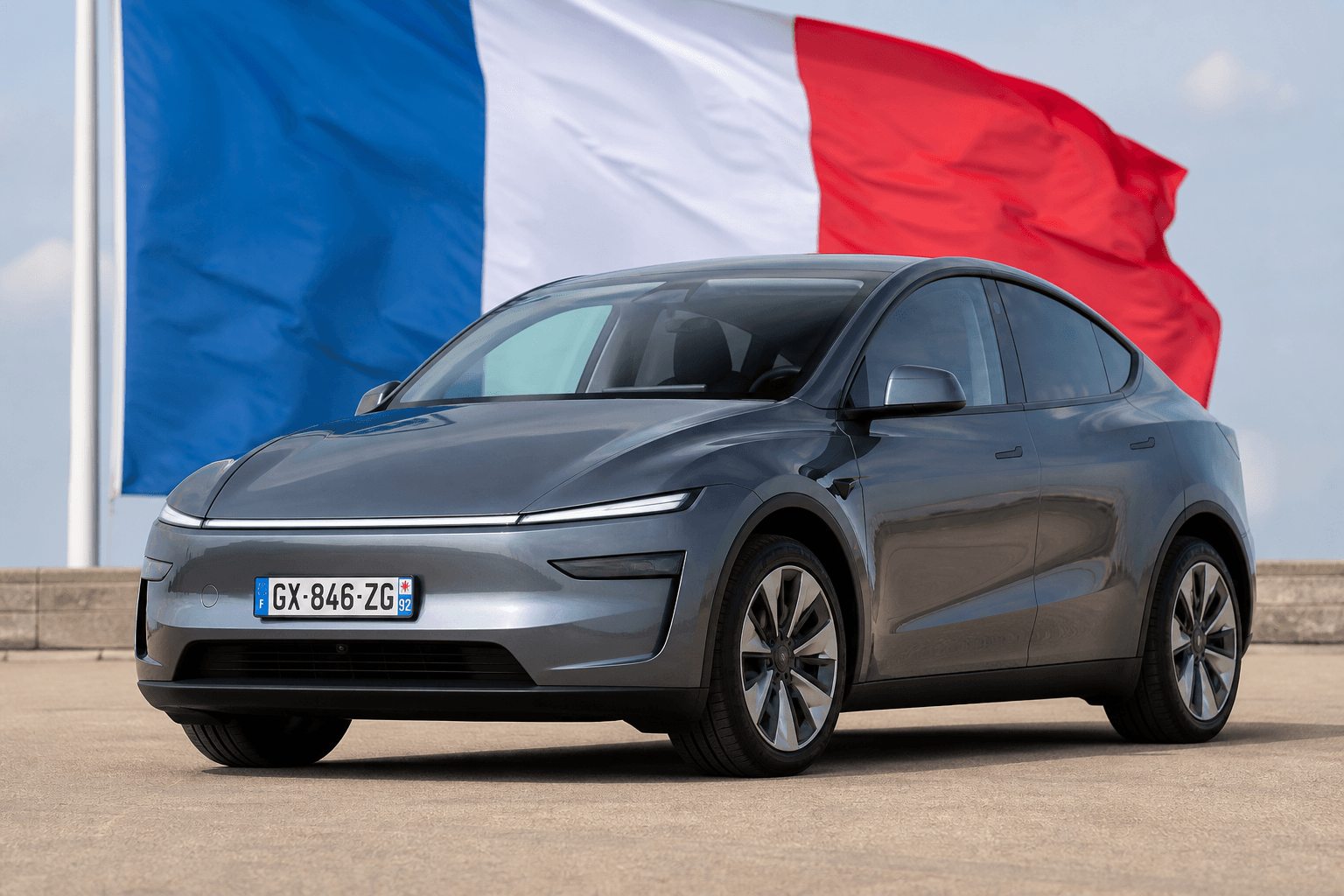
France has begun testing Tesla’s FSD features under local conditions. This is an important signal for European approval, even though it does not mean an immediate launch for customers in the EU.
News
France has begun testing Tesla’s FSD features under local conditions. This is an important signal for European approval, even though it does not mean an immediate launch for customers in the EU.
News
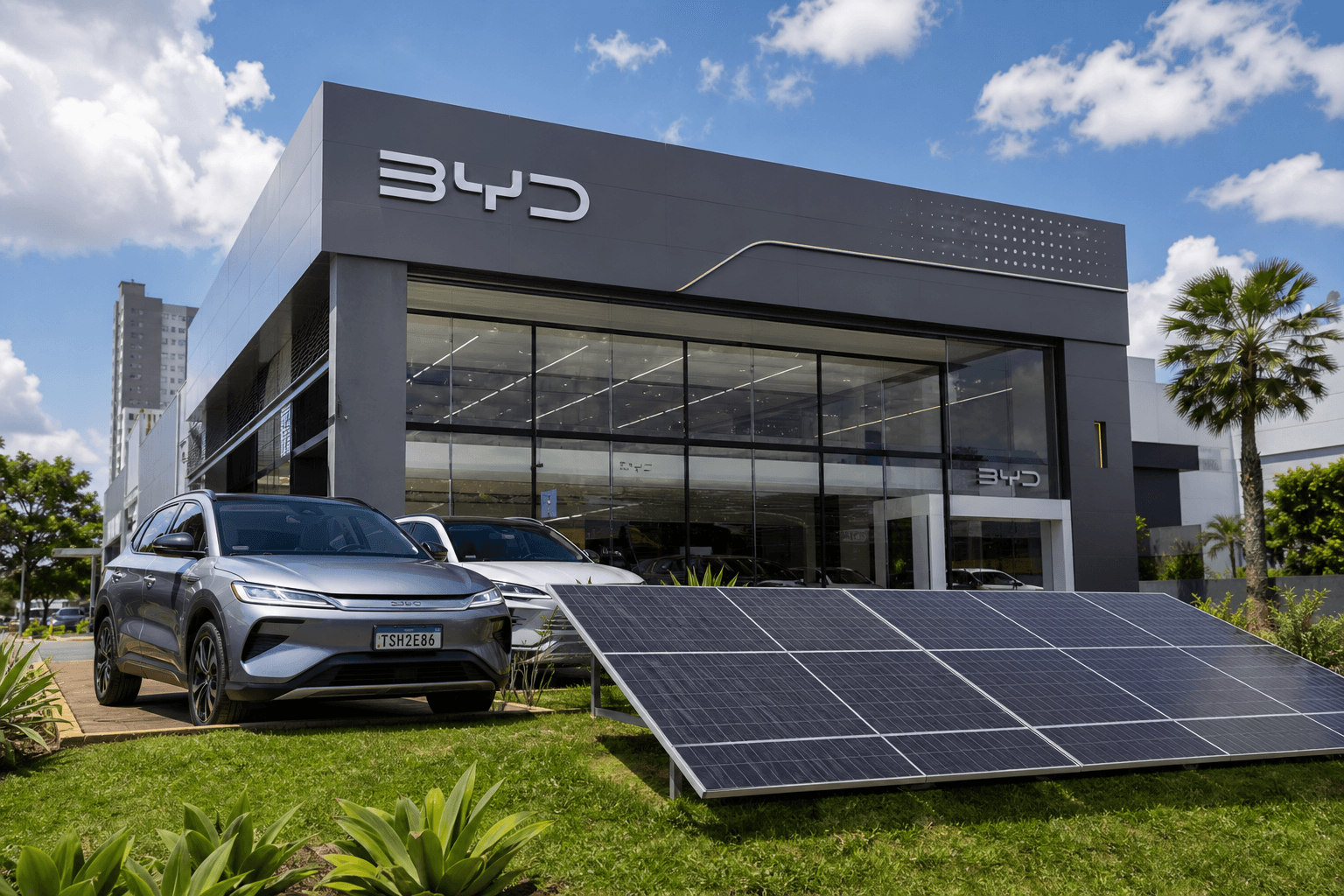
BYD is launching a standardized all-in-one solar package in Brazil through its network of 233 dealerships. The kit is expected to generate an average of around 600 kWh of electricity per month and includes installation, grid approval, and insurance from a single provider.
News
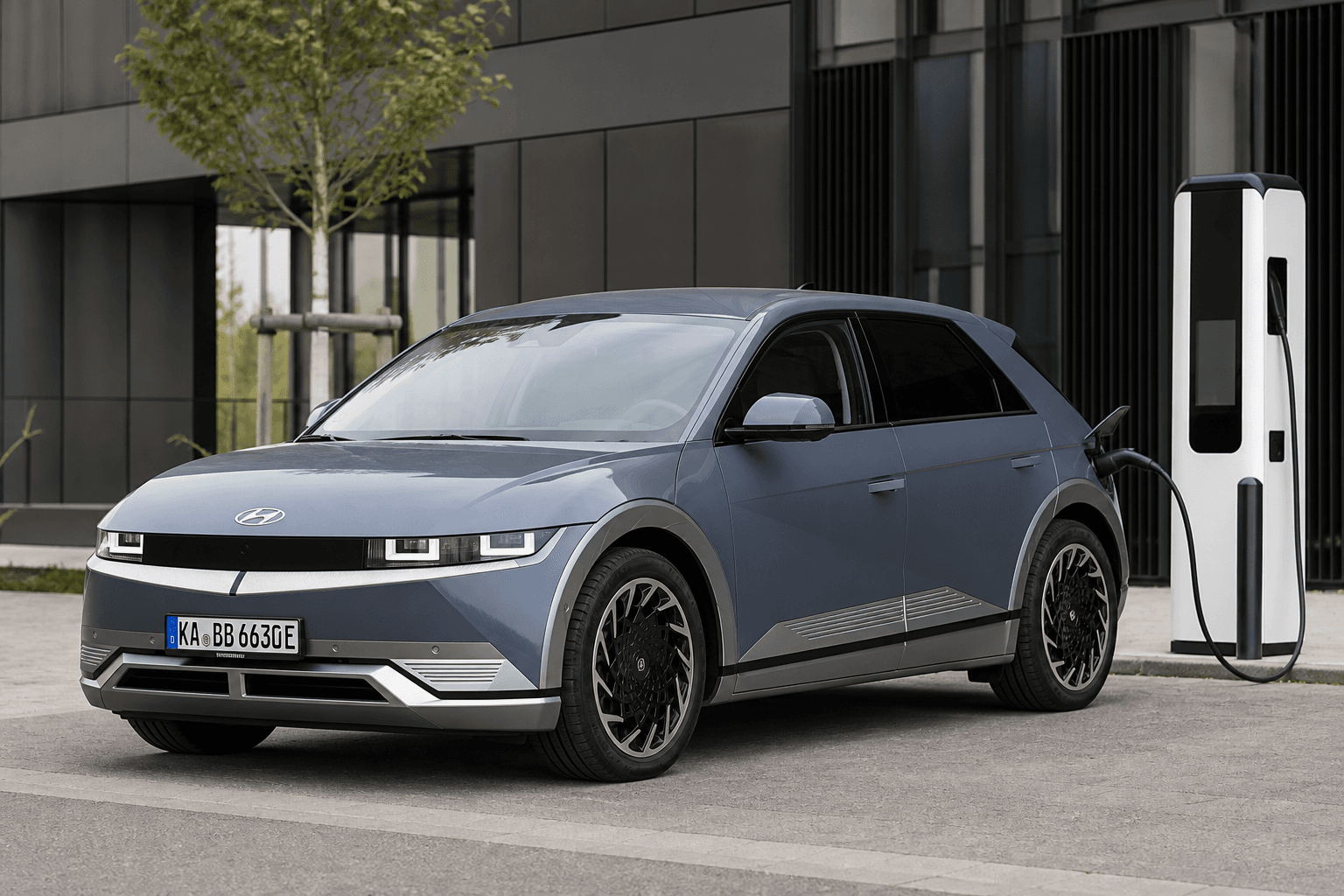
Hyundai has outlined a clear growth path through 2030, targeting 5.55 million vehicles and a 60% share of electrified models in its sales mix. A fully electrified portfolio has been announced for Europe, supported by new battery and safety technologies as well as expansion in robotaxis and AI-powered manufacturing. Particularly noteworthy are a range-extender powertrain announced for 2027 and cloud-based battery management designed to significantly extend battery life.
News
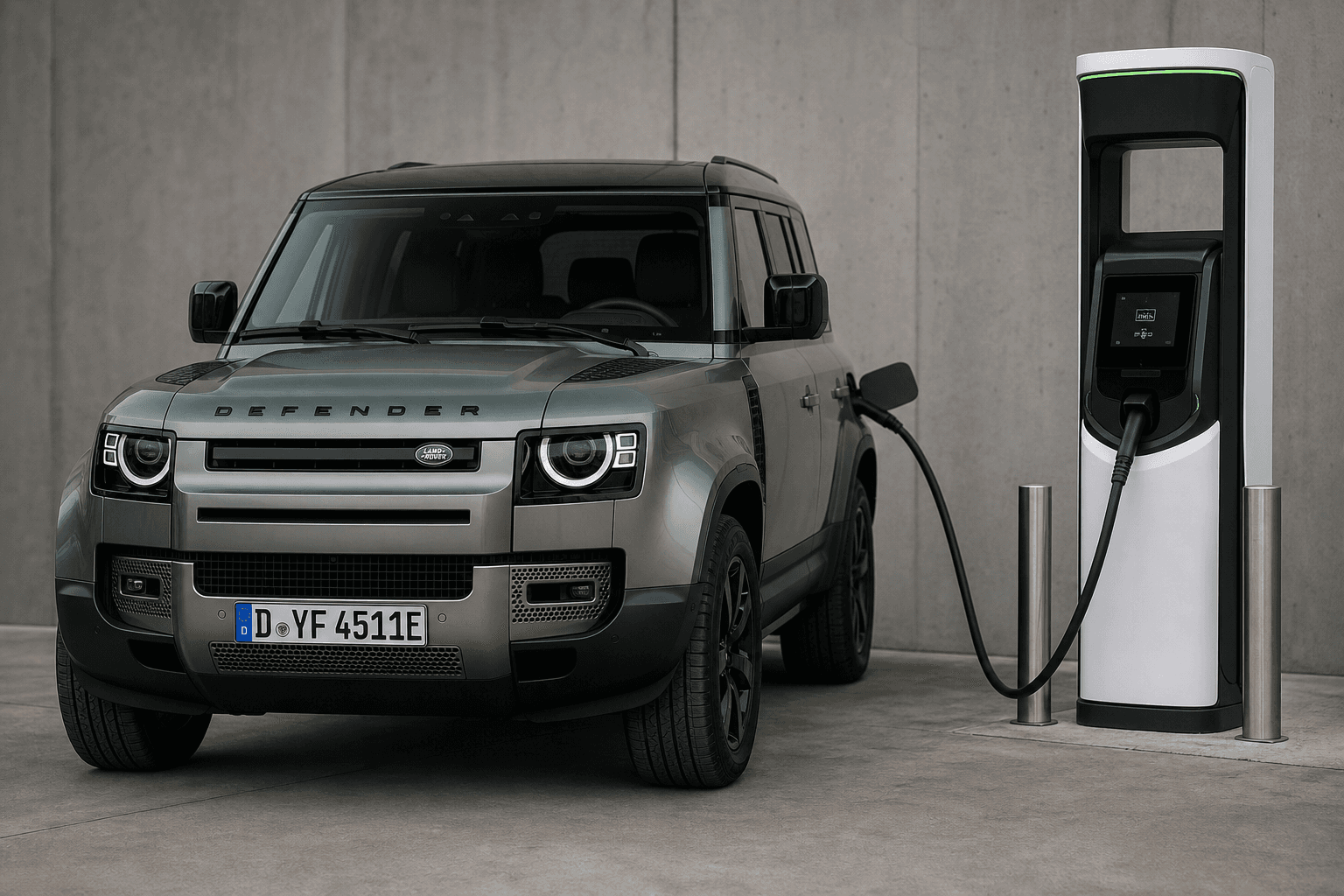
According to an insider report, the fully electric Land Rover Defender will take significantly longer to arrive than previously thought. A new generation of the model is not expected before the early 2030s, also pushing a Defender EV further into the future. Platform constraints and a challenging premium EV market are seen as the main obstacles.
News
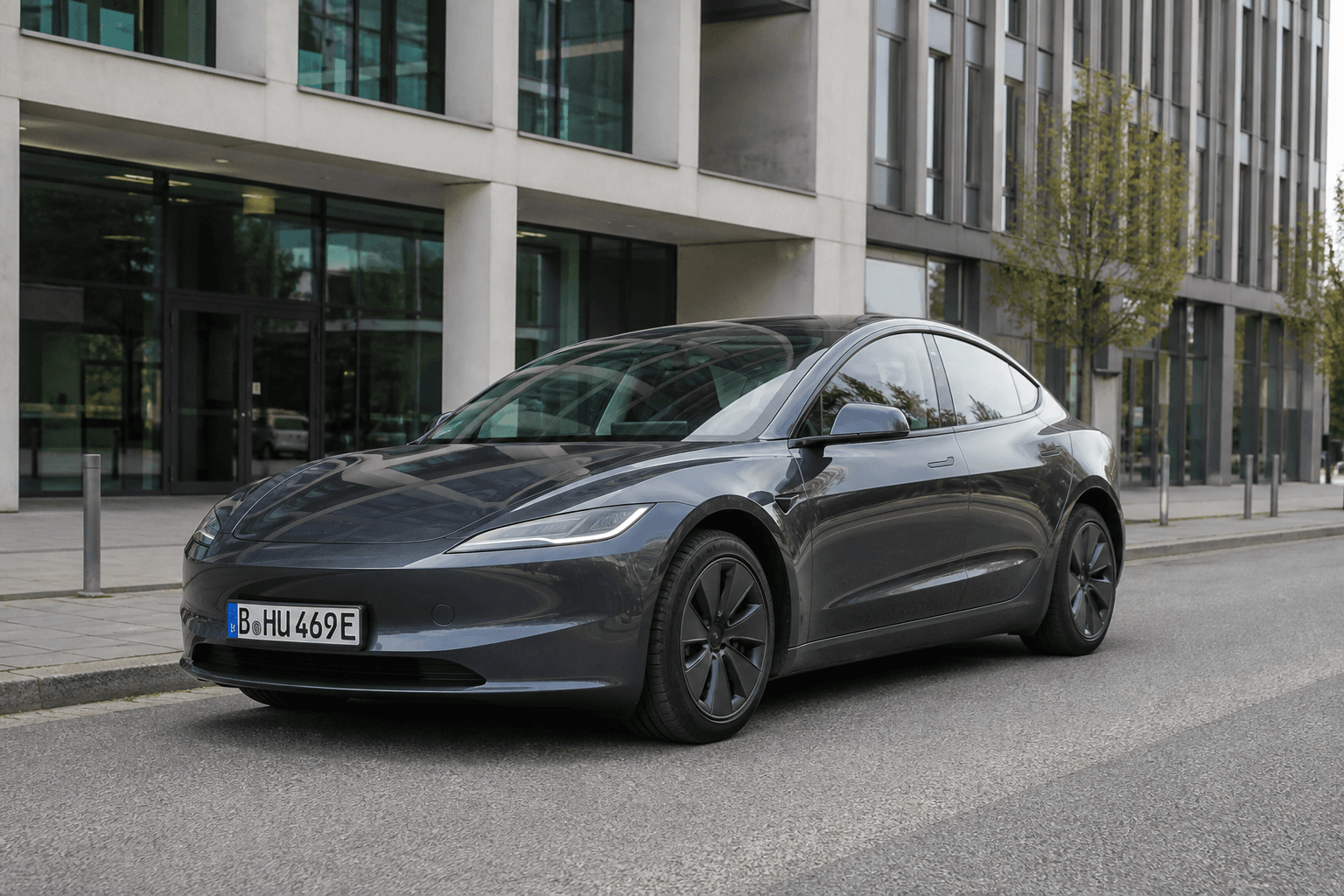
Tesla has published new European safety metrics for FSD (Supervised) and made key evidence from the Dutch approval process publicly available. According to Tesla, more than 70,000 drivers across five EU countries now use the system, collectively covering an average of more than one million kilometers per day. Importantly, FSD (Supervised) is a driver-assistance system and requires active supervision at all times.
News
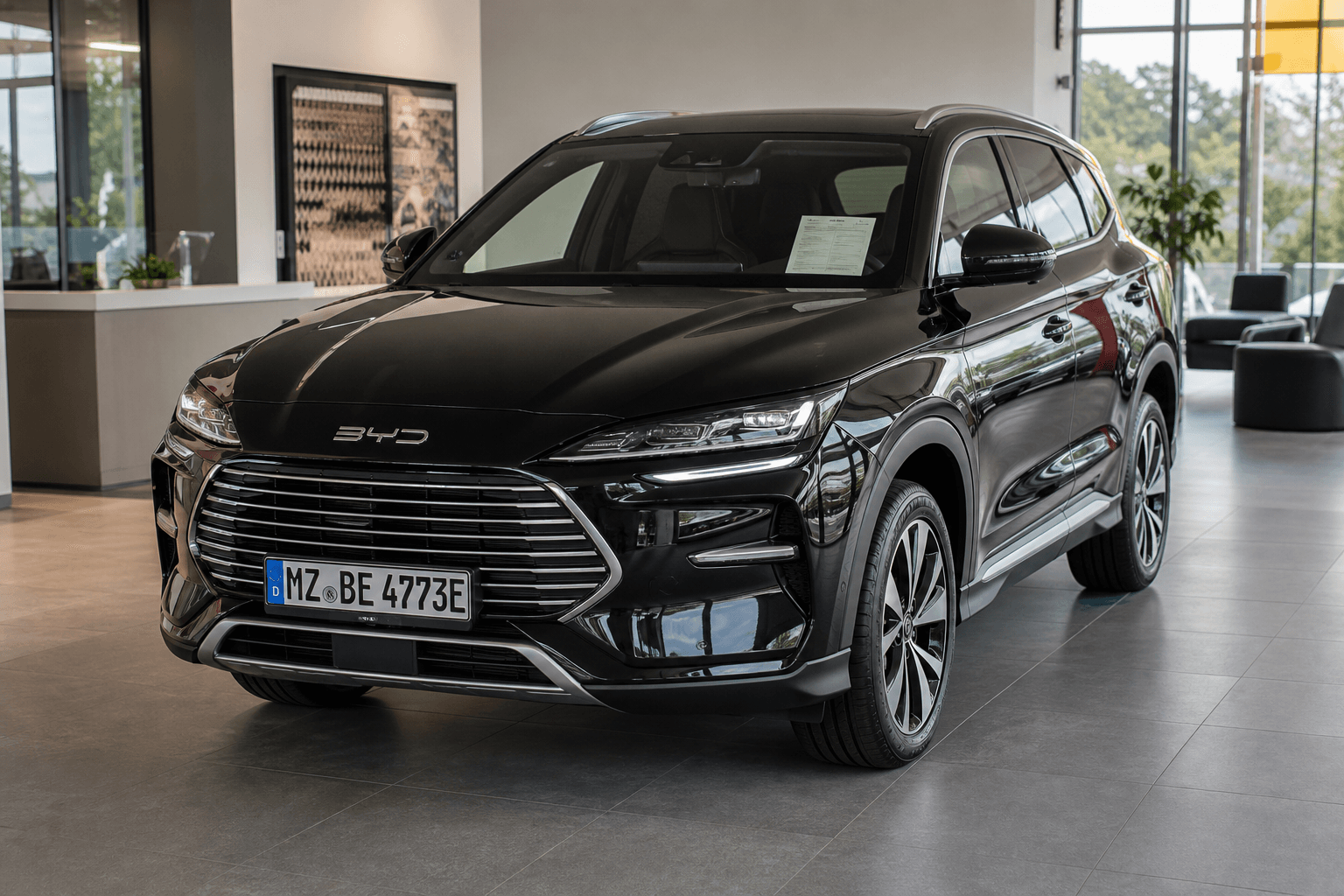
BYD is intensifying competition among plug-in hybrids in Germany, primarily through steep discounts on top of already aggressive list prices. A recent market analysis shows that while leading PHEVs receive average discounts of just under 20%, two BYD models are well above that level. At the same time, political pressure is growing to consider EU tariffs on plug-in hybrids built in China.
News
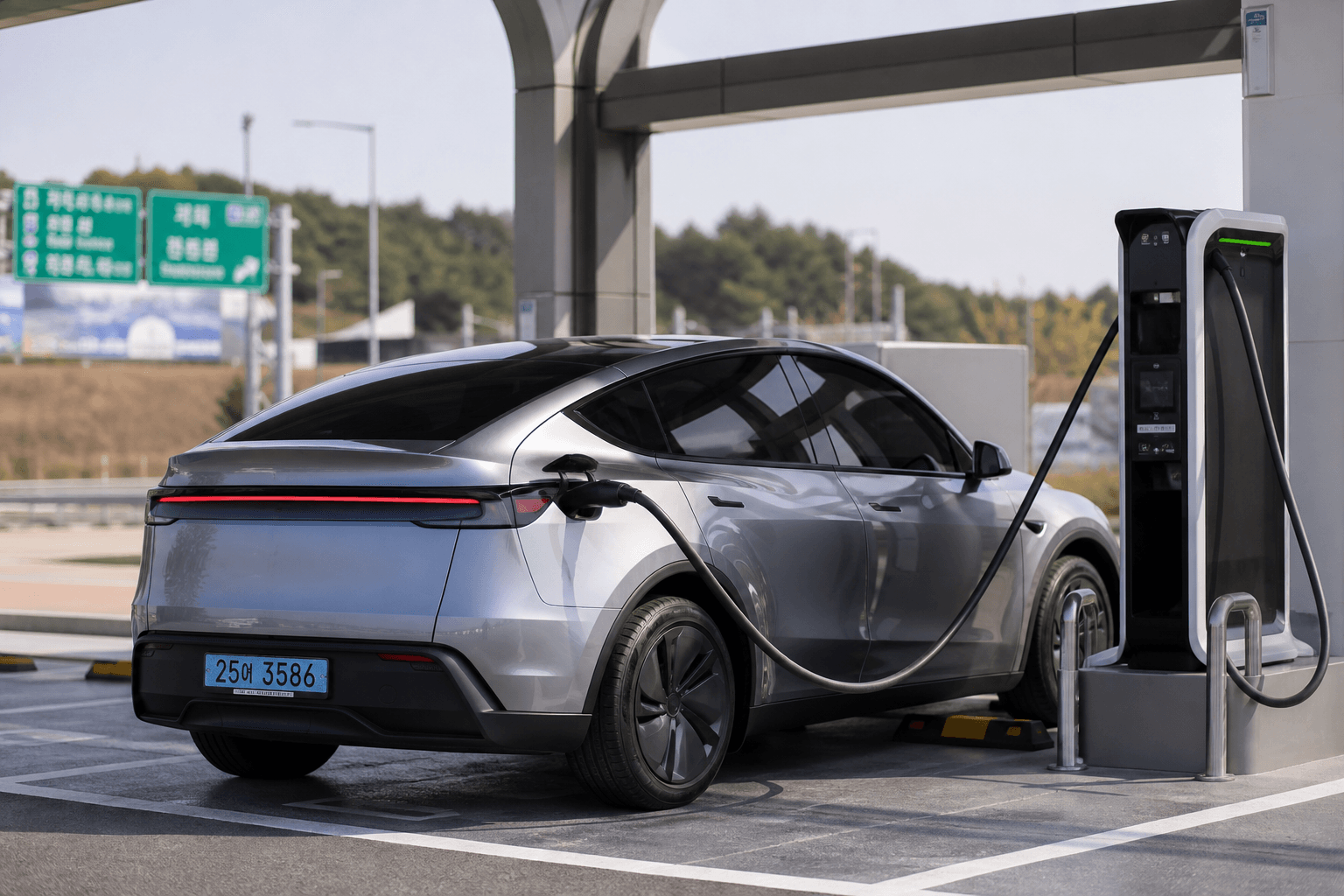
South Korea is significantly expanding its fast-charging network at highway rest areas: 131 new DC chargers are planned across 29 locations, most rated at 200 kW. Of particular interest to Tesla drivers, a large share of the new charging points will feature NACS connectors, along with Plug&Charge for automatic charging and payment.
News
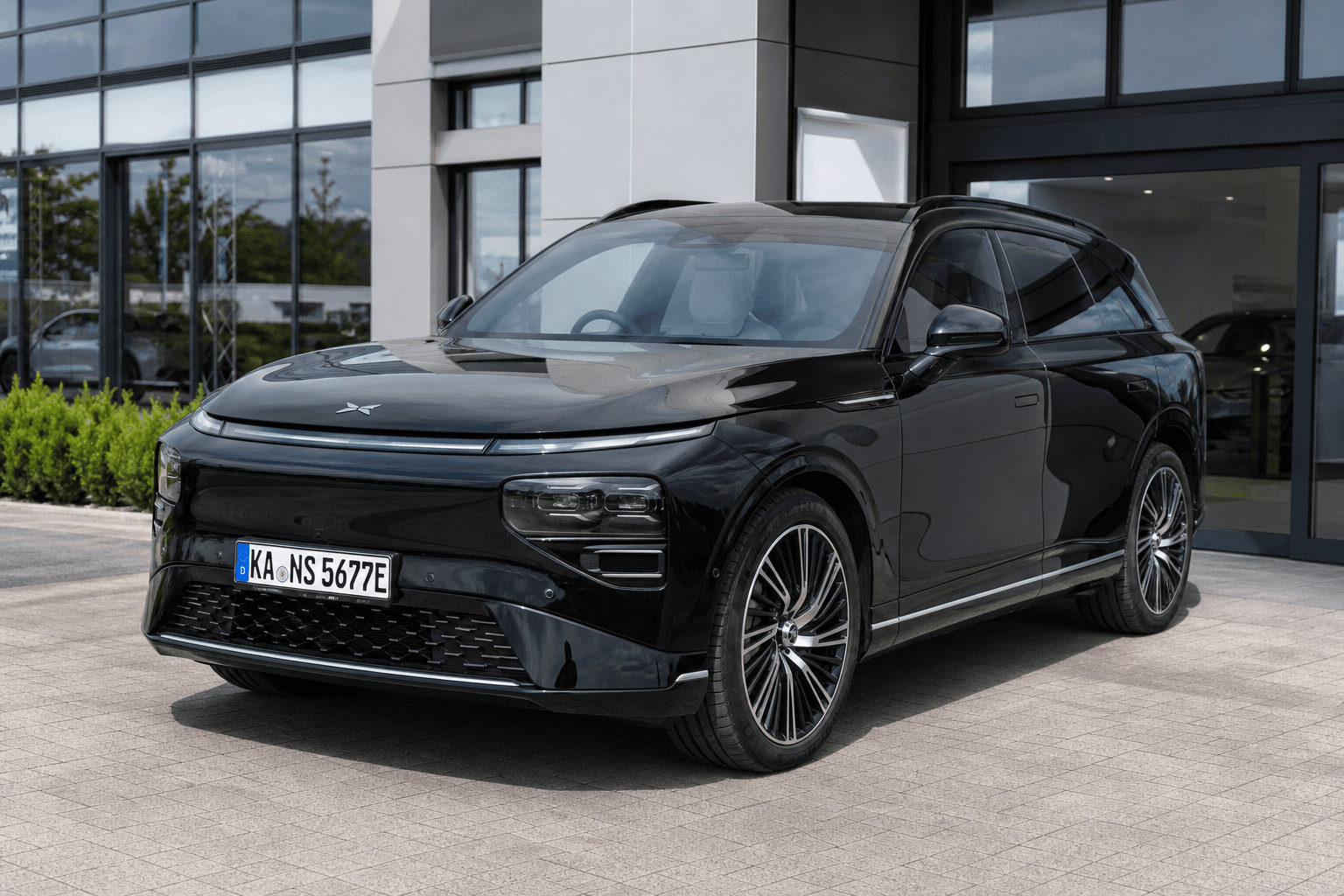
Some German Xpeng and BYD dealers are reporting delayed payments and lengthy settlement processes. For dealerships, this is more than an annoyance because liquidity is crucial to day-to-day operations. The brands reportedly cite growing pains and internal approval processes as the causes.
News
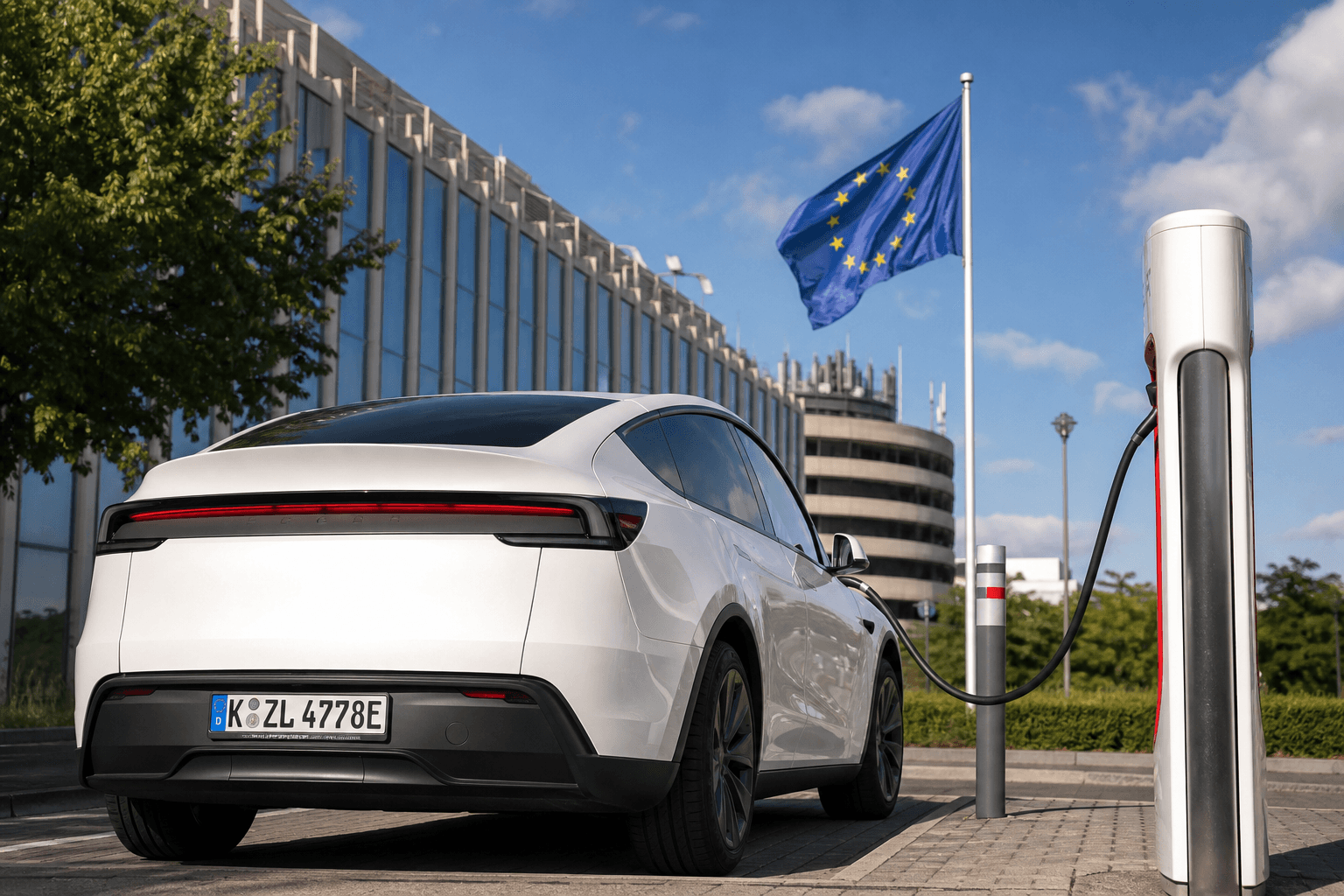
Germany’s CDU/CSU alliance and SPD want to add “Made in EU” criteria to the country’s EV incentive program once this can be done in compliance with EU law and, ideally, harmonized across Europe. At the same time, they oppose a planned tightening of the CO2 assessment rules for plug-in hybrids from 2027. They also want to move autonomous driving more quickly from pilot projects into everyday use.
News
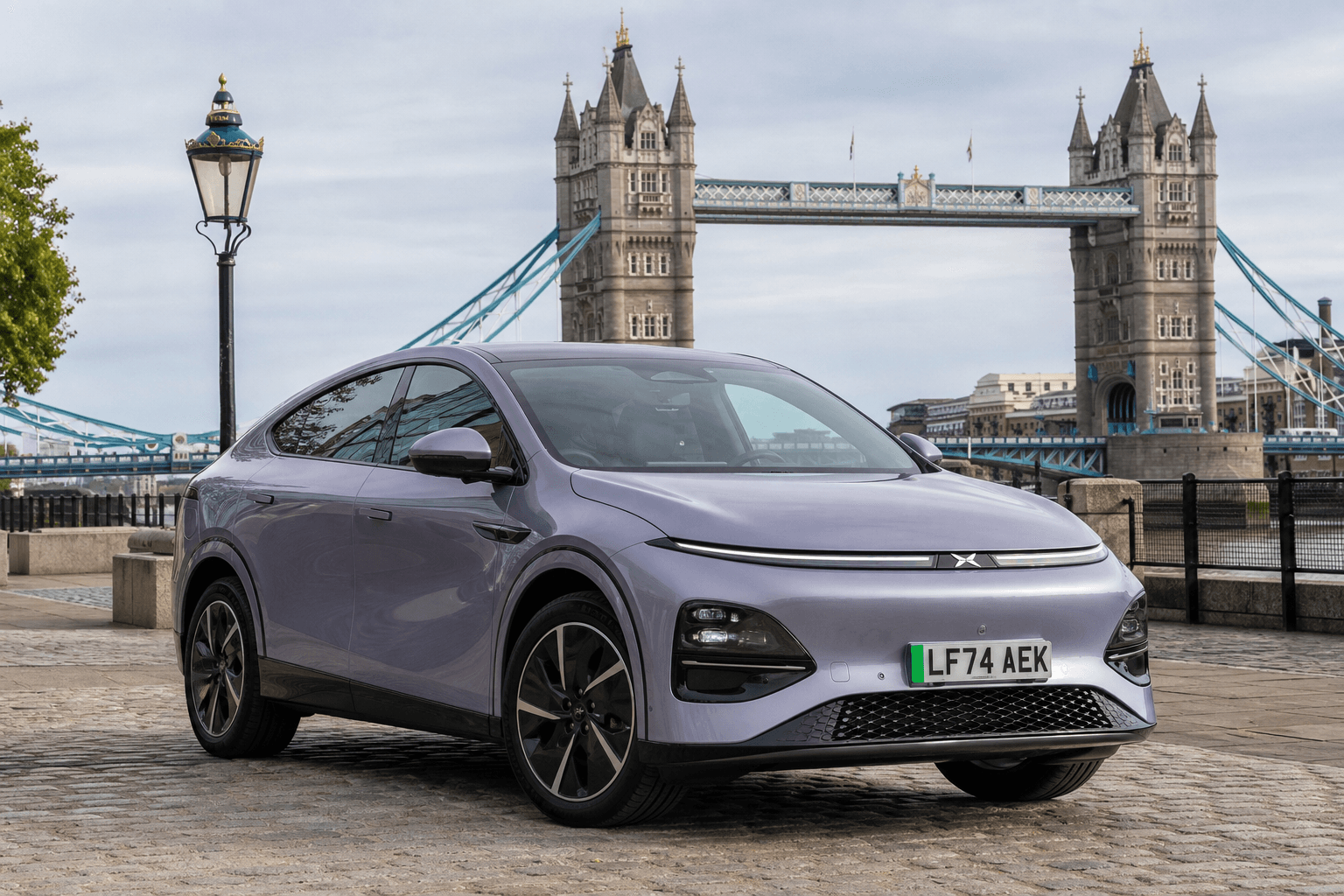
Almost half of UK drivers would now consider a Chinese manufacturer for their next purchase, significantly more than in 2025. The main drivers are value for money, expectations of discounts and rapidly growing brand awareness. At the same time, this reflects sentiment rather than a commitment to buy, and the UK market differs notably from the EU because it has not imposed additional tariffs.
News
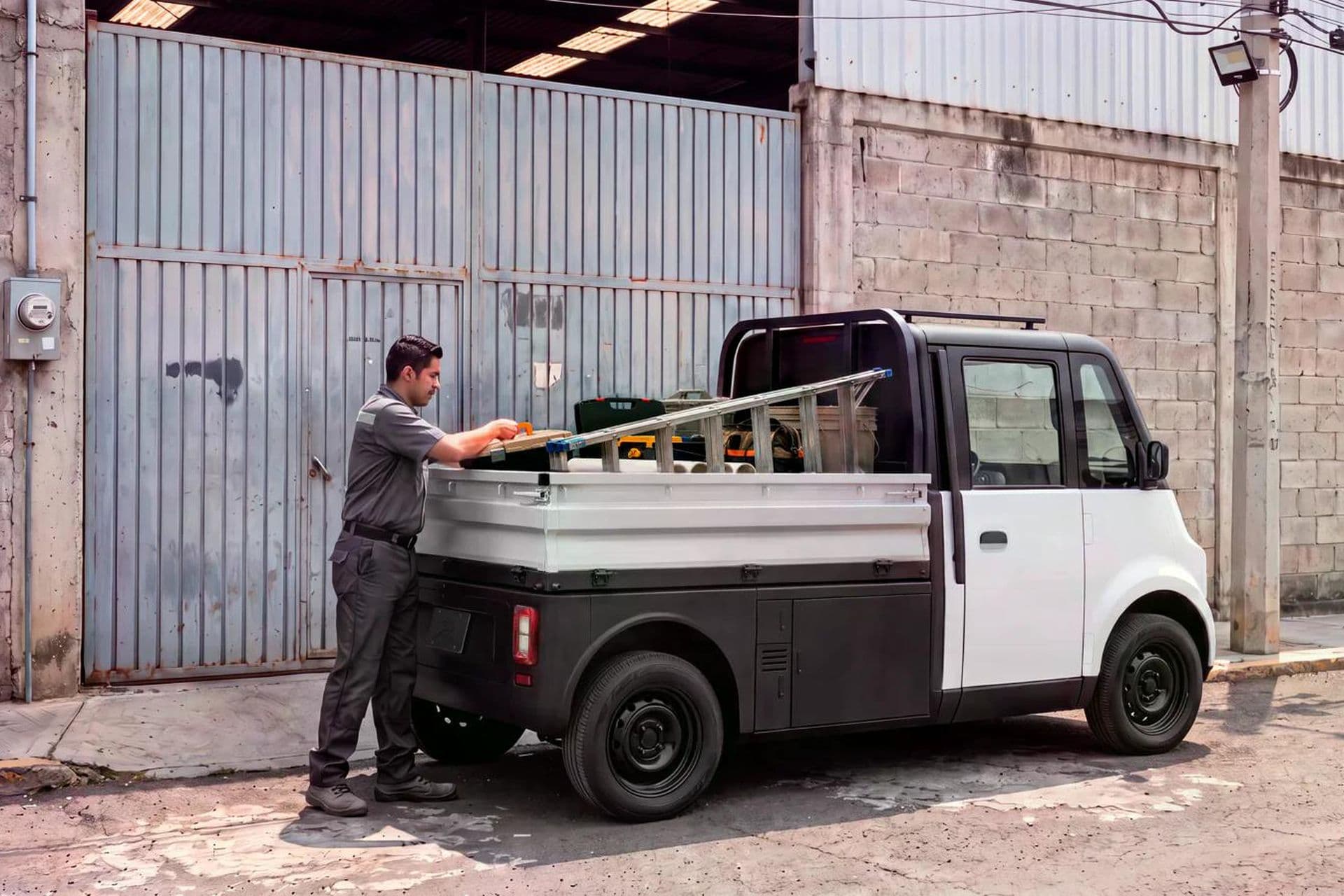
Mexico has unveiled the Olinia Carga (also known as the “Olinia 2”), an extremely affordable prototype electric light truck scheduled to go on sale in late 2027. Priced at the equivalent of around 7,600 euros, the project promises a payload of 650 kg and a range of 120 km, clearly targeting urban deliveries. At the same time, the vehicle forms part of an industrial policy strategy to establish domestic EV manufacturing, including a battery value chain.
News
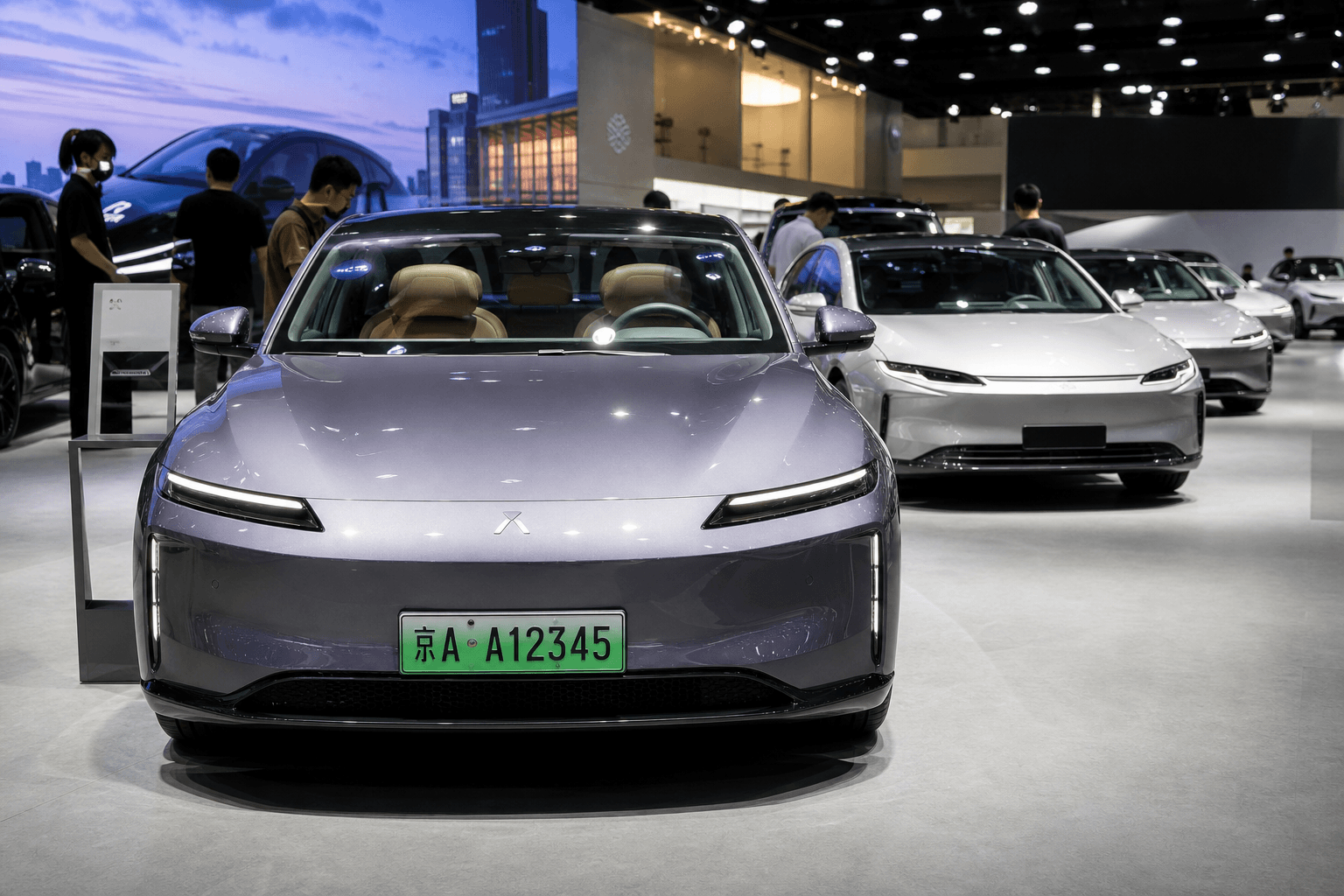
China’s automotive industry now launches more than 3.6 new models per day on average, with over 542 new vehicles arriving in the first five months of 2026. But this flood of models does not automatically translate into genuine demand: many vehicles sell strongly only briefly before sales collapse. For Europe, this means more choice, but also fiercer price competition and a more aggressive shakeout among brands.
News
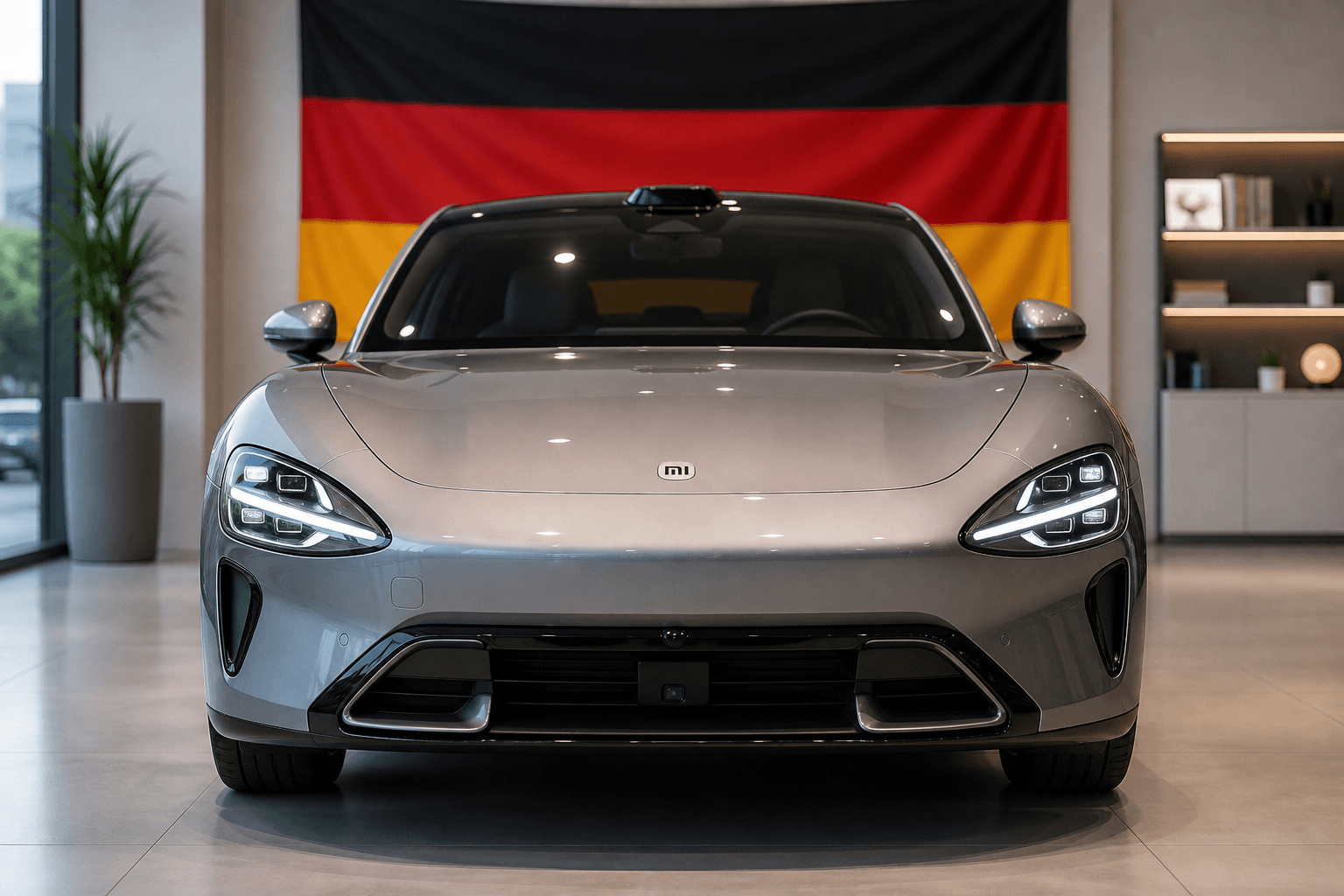
Xiaomi is laying the groundwork for the European and German launch of its electric cars: A new global EV website is online, and a partner portal is recruiting dealerships. At the same time, Xiaomi is already building expertise in Munich. The next steps are sales, service, and software that truly works in Europe.
News
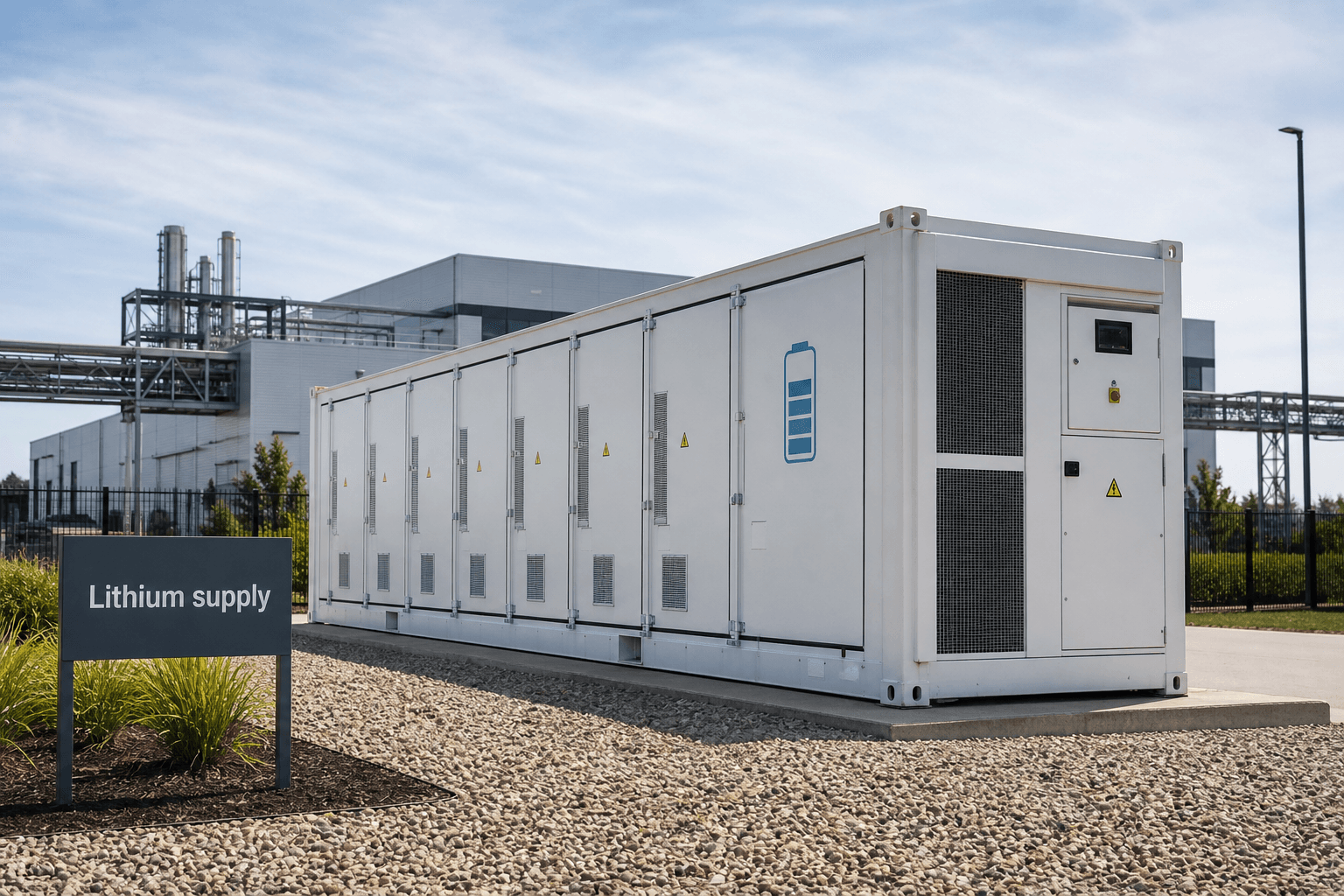
LG Energy Solution has secured 8,000 metric tons of lithium carbonate annually from Arkansas starting in 2029 under a take-or-pay agreement. The deal strengthens the company’s localized US supply chain for both EV batteries and stationary energy storage. For the project, it is also an important step toward securing financing and reaching a final investment decision.
News
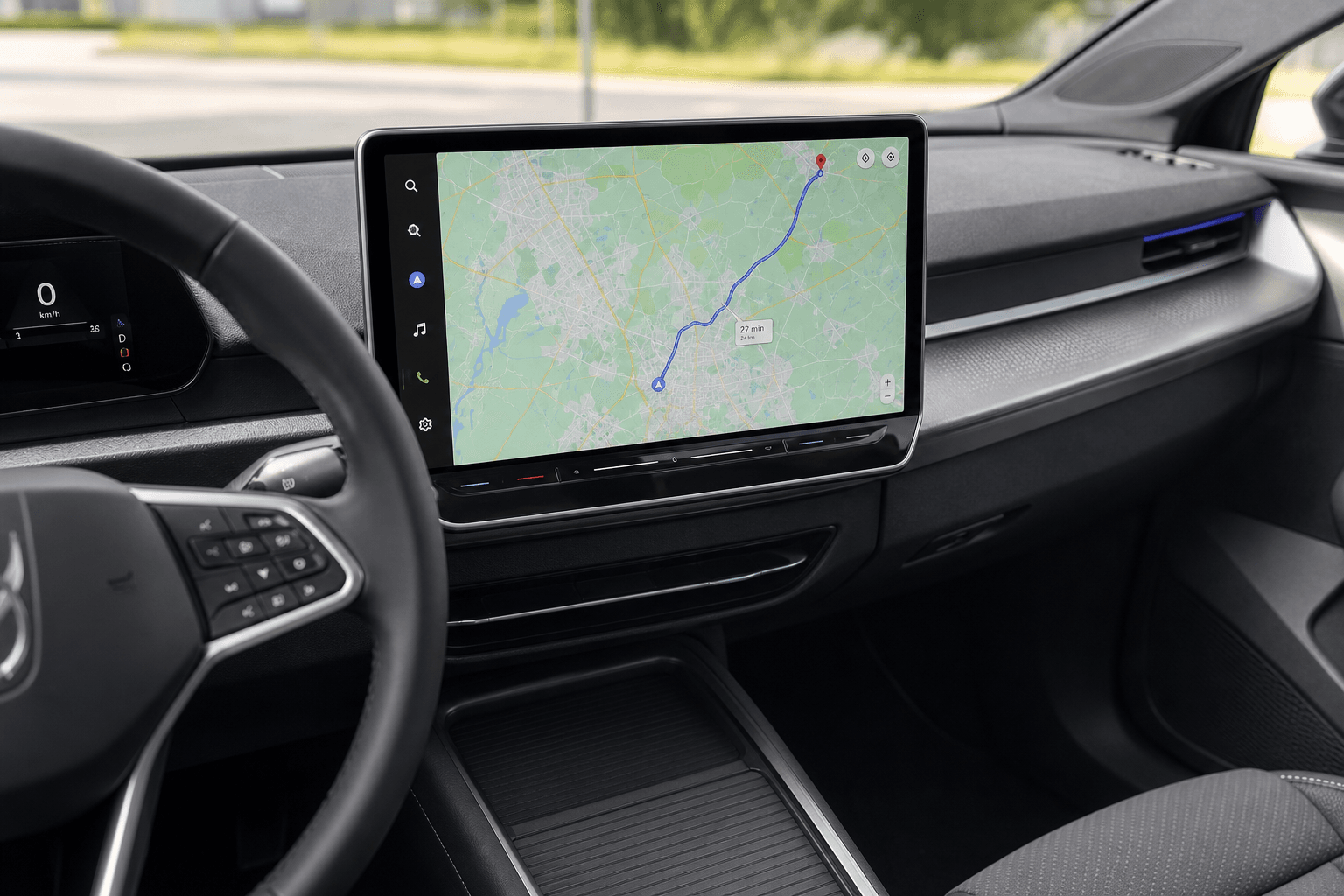
Many automakers are now integrating Google, Amazon, or Apple much more deeply into their infotainment systems, from maps and point-of-interest searches to voice control. The reason is simple: Modern automotive software is expensive and complex and must be maintained for years—something even major corporations can no longer manage alone. At the same time, manufacturers continue to draw clear boundaries around safety-critical vehicle data.
News
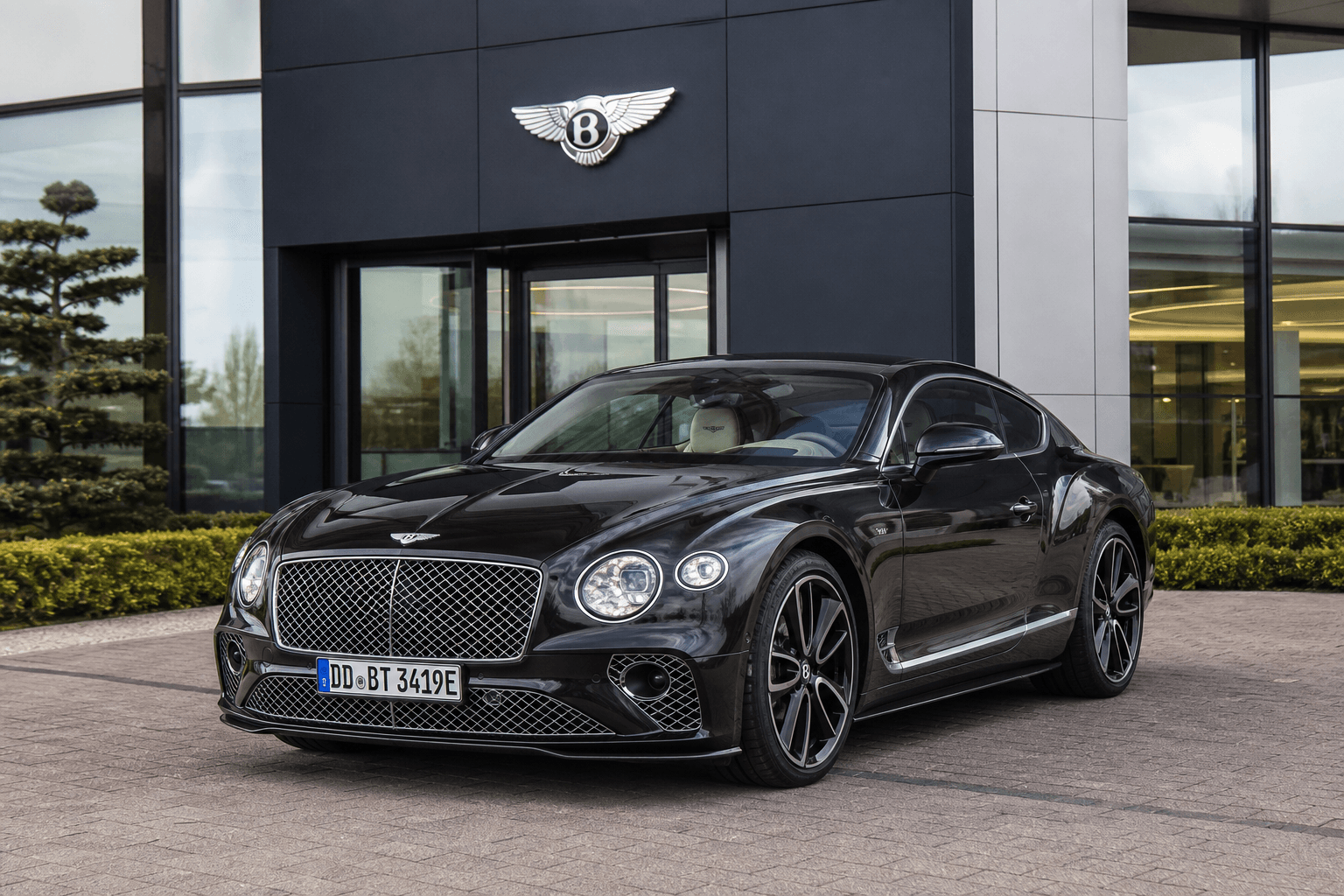
Bentley is postponing its major battery-electric offensive: The Torcal is set to remain its only fully electric model until 2030, while the V8 will remain part of the portfolio over the long term. CEO Frank-Steffen Walliser attributes this direction to demand, brand DNA and a strategy focused more on value per car than on sales volumes.
News
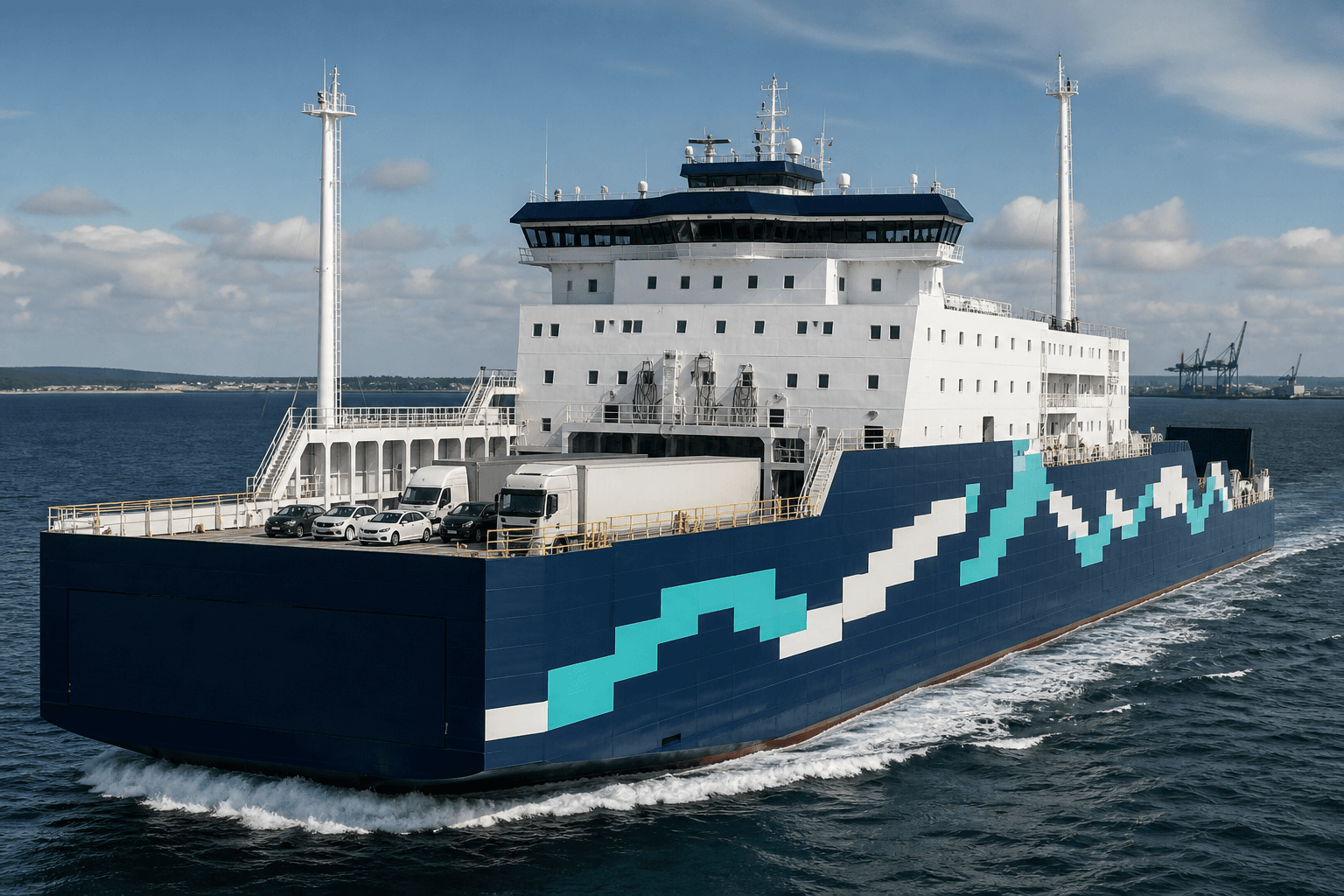
Estonia is equipping a key ferry route between the mainland and its islands with megawatt charging infrastructure. Plans call for up to 5 MW of charging power at each port and a new battery-electric ferry with around 3 MWh of capacity, scheduled to enter service in late 2028.
News
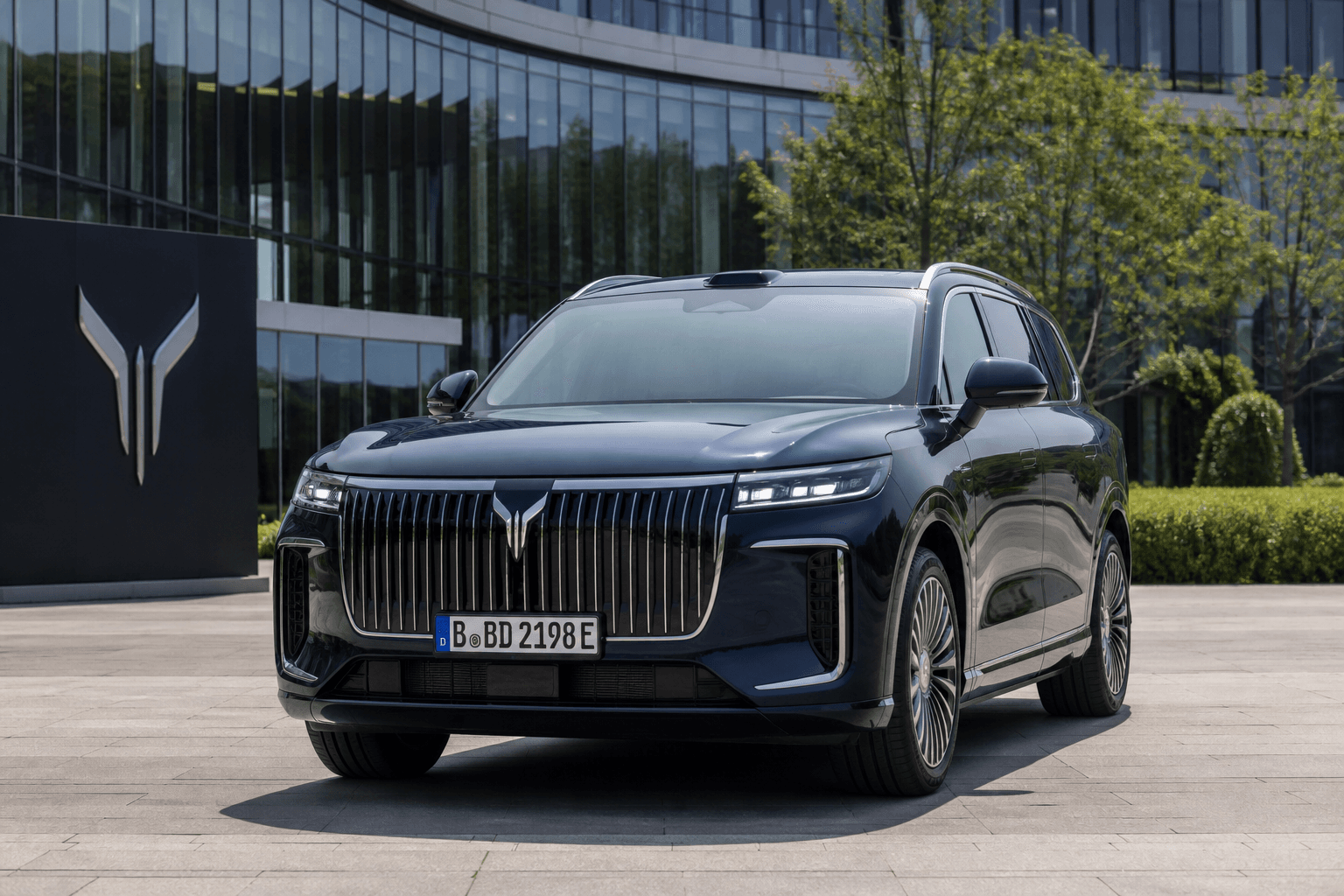
Voyah significantly increased revenue and deliveries in the first half of 2026, yet still fell back into the red. The main reason was declining profitability as raw material and component prices rose amid intensifying competition. At the same time, Dongfeng’s premium brand continued to advance new models, its charging network, and international expansion.
News
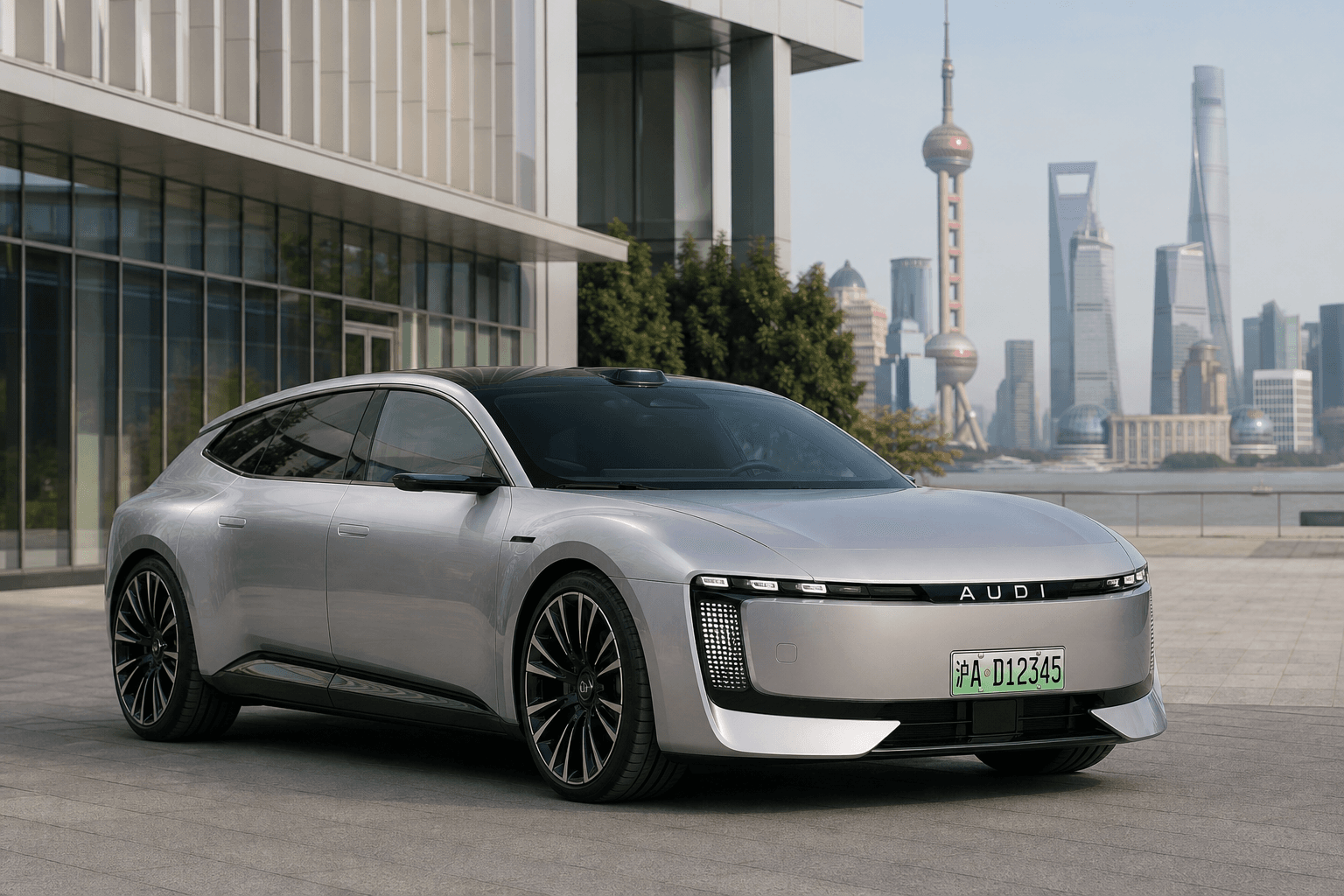
Audi and SAIC have established a new innovation and technology center in Shanghai for the China-focused AUDI brand. A team of around 300 people will develop four new models based on an ADP 2.0 platform, with the first debut planned for 2028.
News
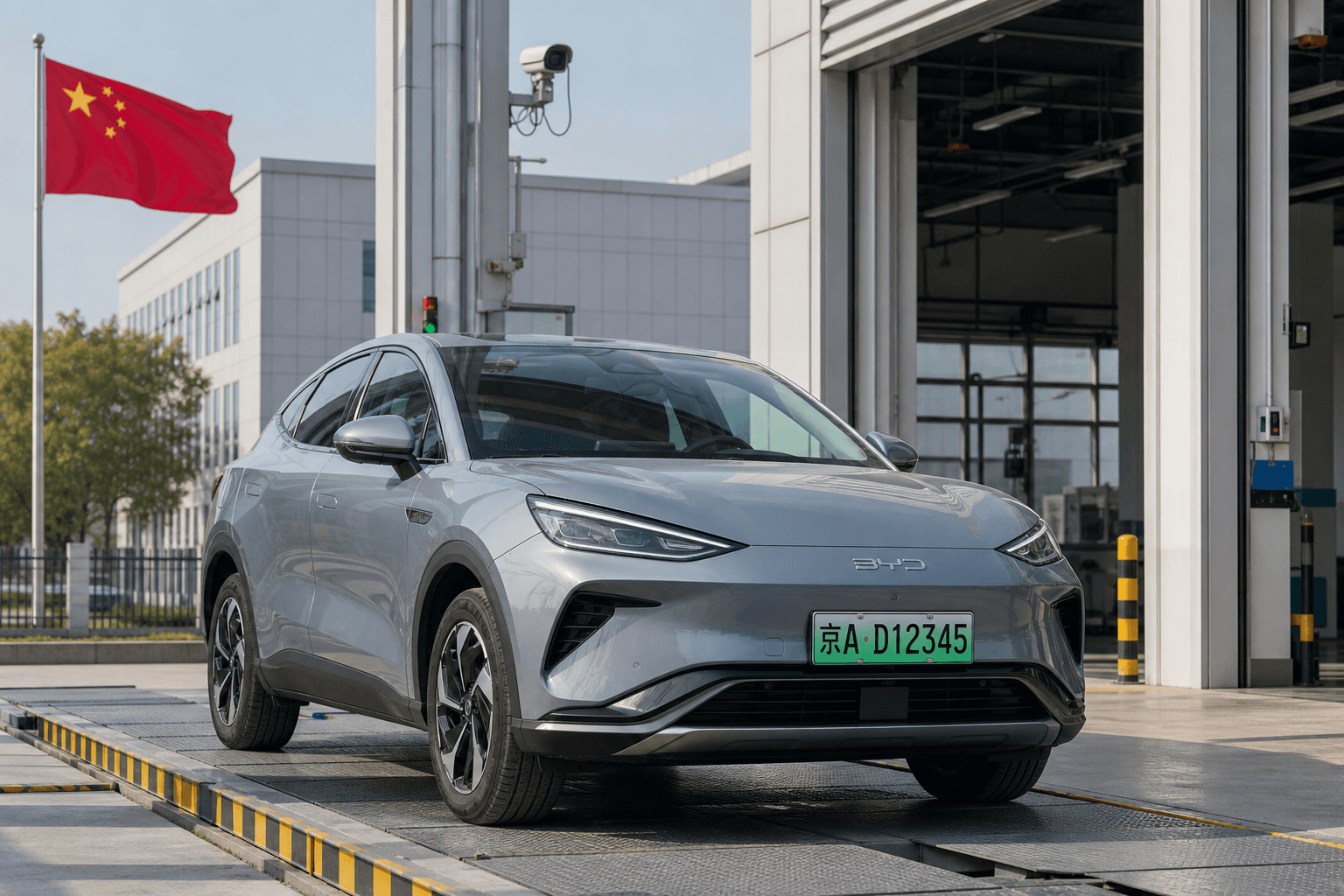
China is launching a nationwide, year-long quality campaign for road vehicles, with a particular focus on the safety of intelligent connected cars. Alongside development and production, the initiative will also examine compliance with approval requirements, including stricter rules for testing, inspection organizations and OTA updates.
News
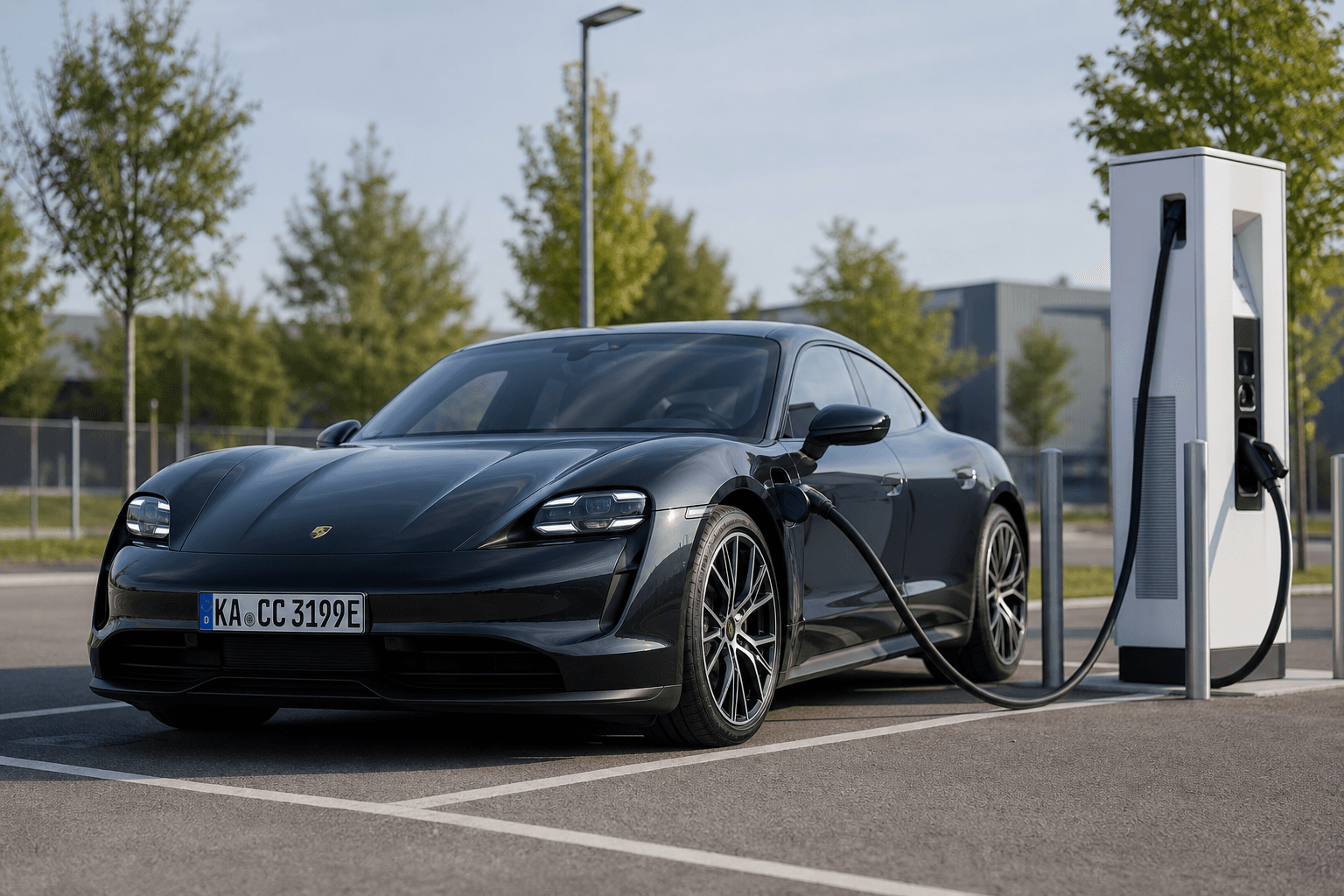
Porsche is reshaping its EV strategy because demand, costs, and market dynamics in China no longer align with its previous plans. The Taycan is under particular scrutiny, while the Macan Electric and new Cayenne Electric are expected to carry the brand’s electric future.
News
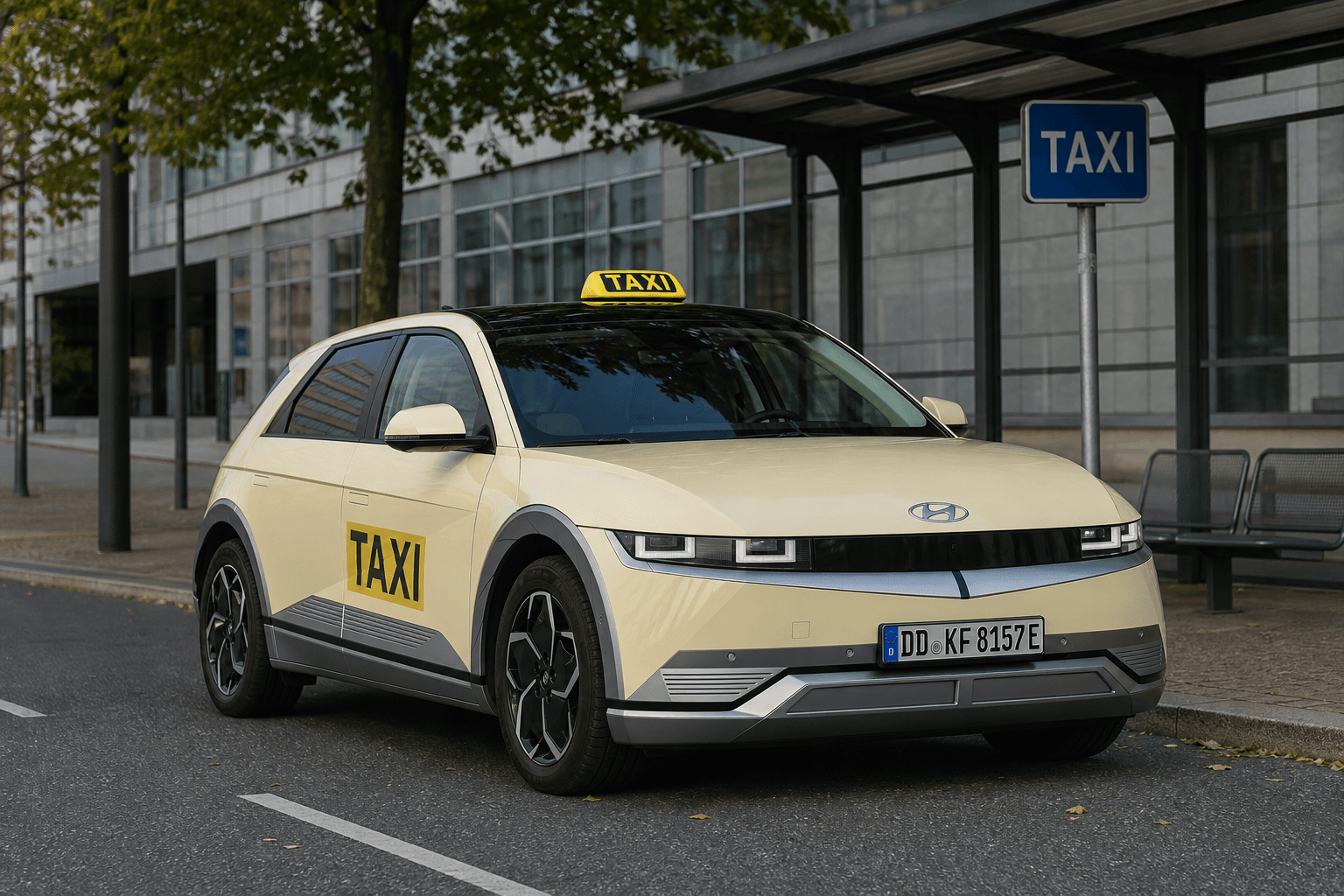
Hyundai is cutting the cost of converting several models into taxis, with particularly significant savings for the all-electric Ioniq 5. The complete package, including a vehicle wrap, now costs €1,000 from conversion partner Intax, while the package without a wrap costs €750. Hyundai is also expanding its taxi offering with a replacement vehicle service for periods when a car is out of action.
News
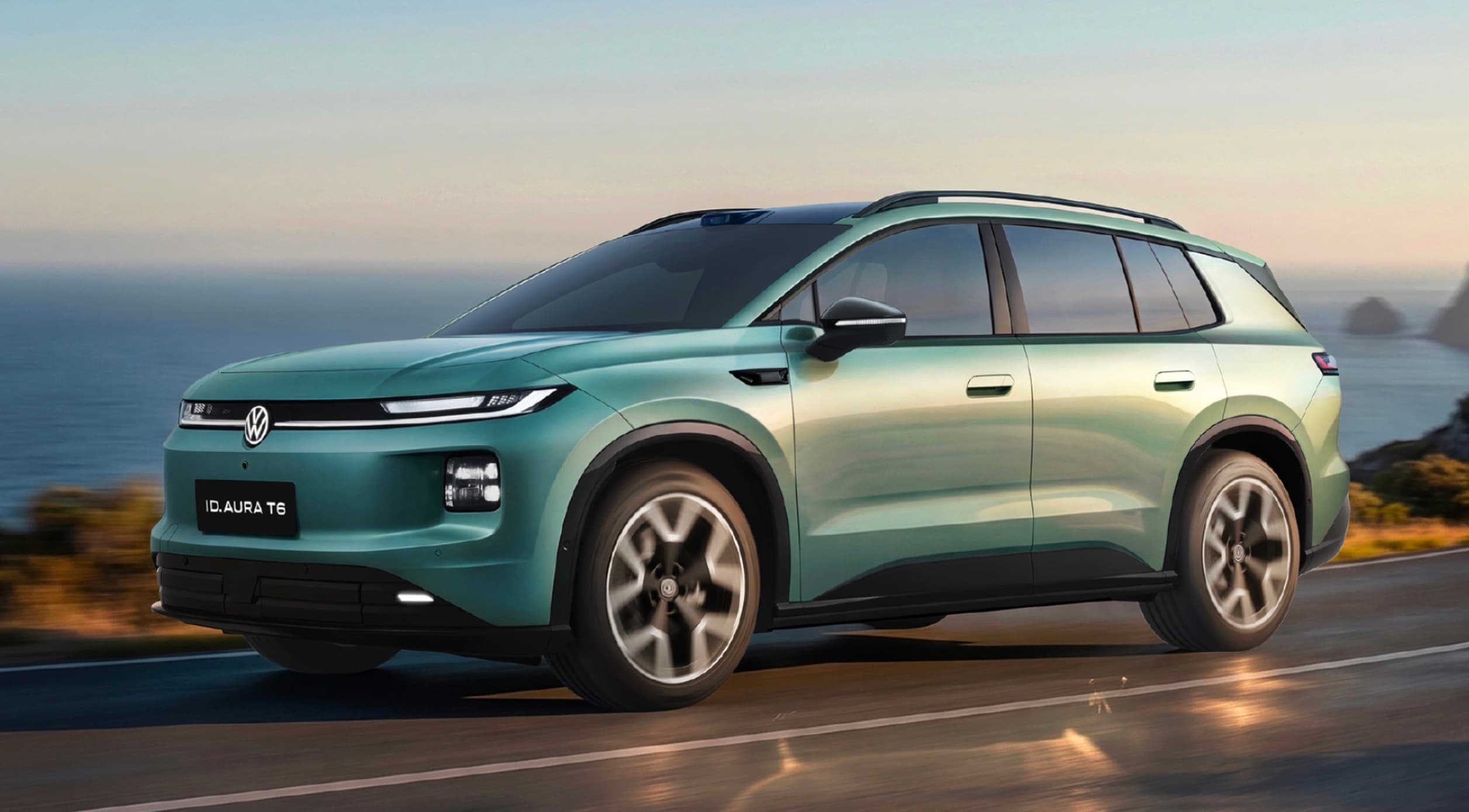
Volkswagen is launching a new electric SUV in China with the ID Aura T6. At 4.8 m long, it is clearly larger than the ID.4. It uses a new platform developed jointly with Xpeng, while its battery and power output are deliberately aimed at the mass market. The price is particularly striking: in China, the entry-level model is expected to cost the equivalent of less than €20,000.
News
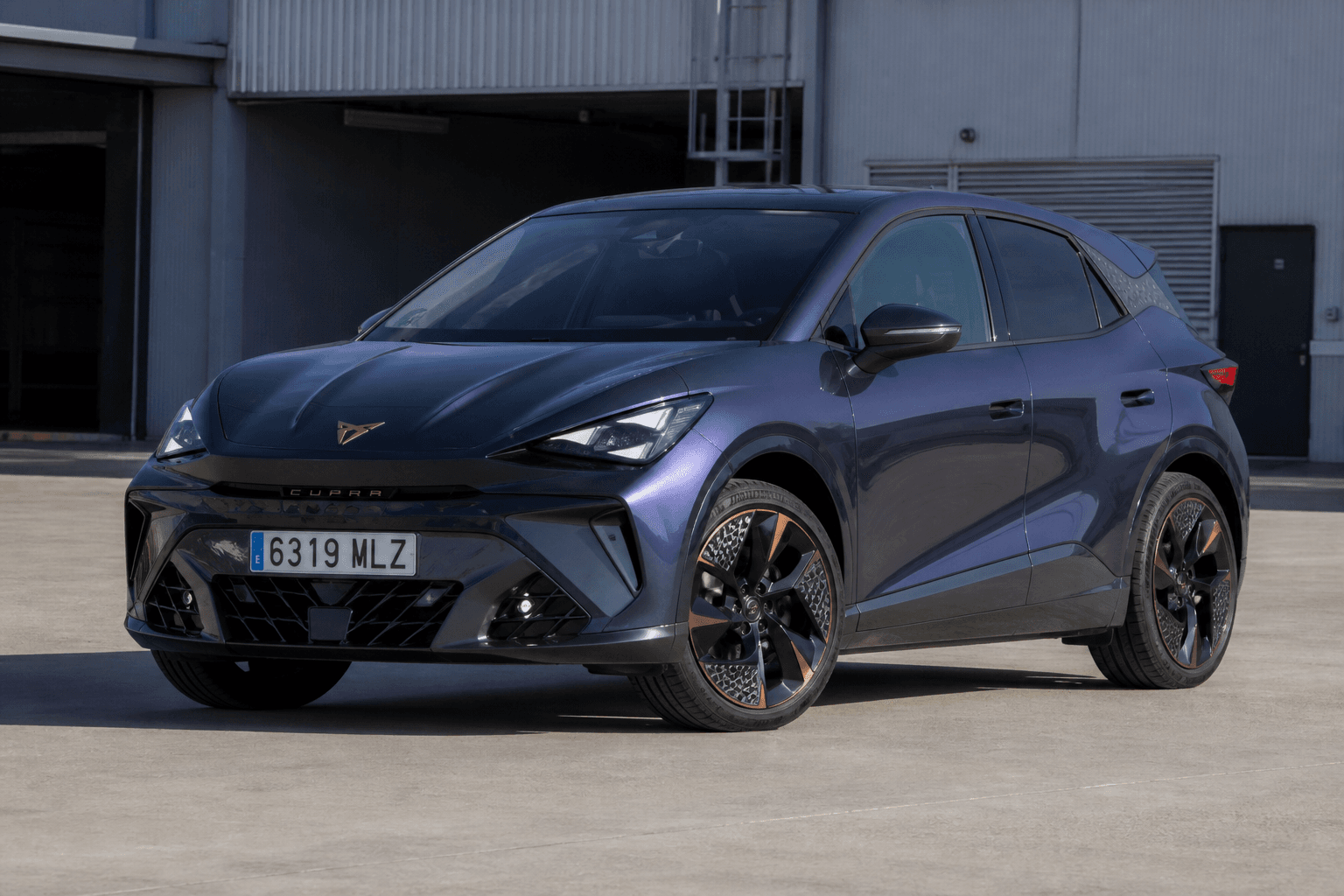
Within the VW Group, there are growing indications that Seat, as a conventional car brand, will no longer be given an electric future of its own. While the Spanish plants are handling major EV programs for VW, Škoda and Cupra, the Seat brand could eventually be phased out, with Cupra taking over as the high-growth frontrunner.
News
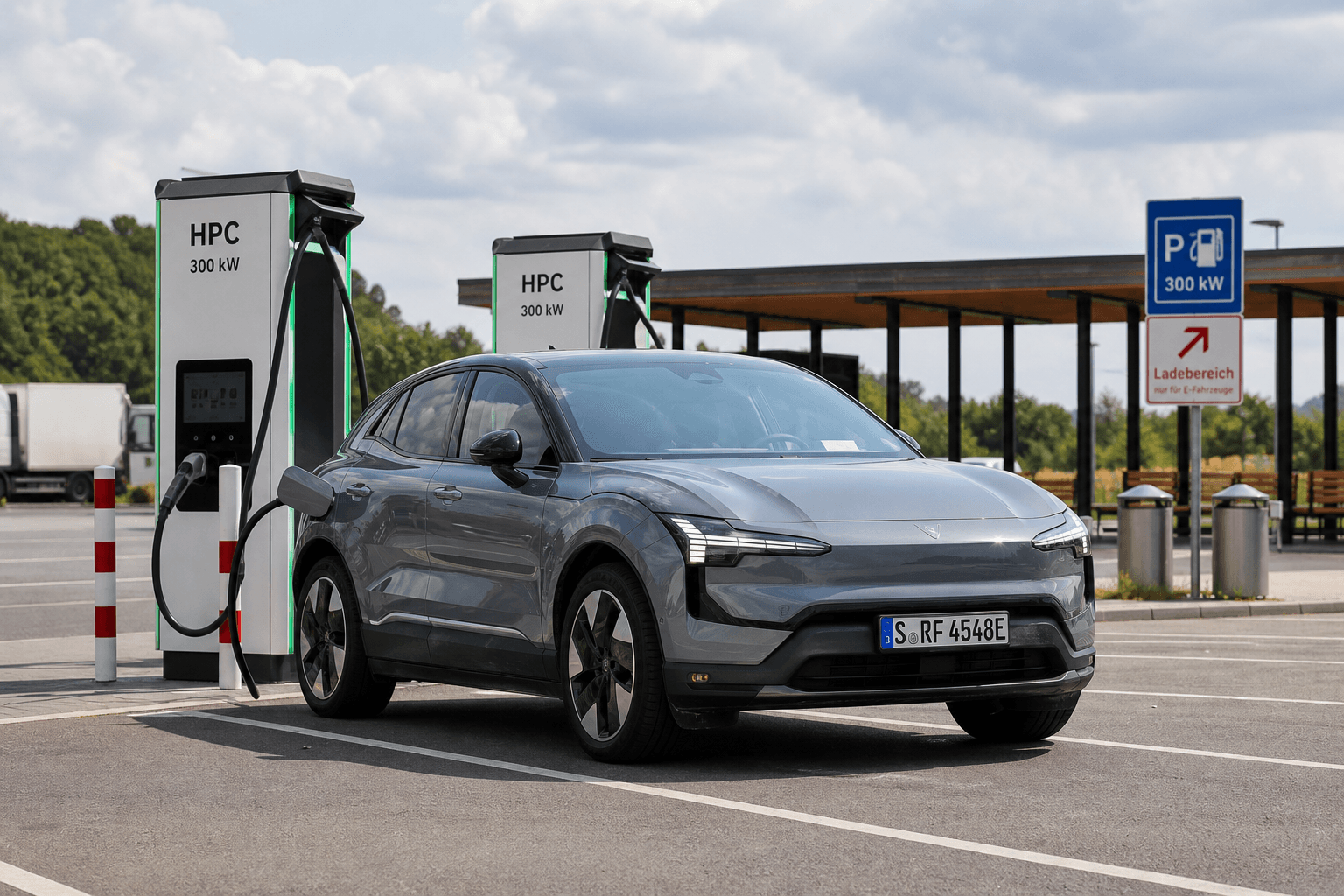
Germany’s public charging network continues to grow steadily, with particularly strong momentum in DC fast-charging and high-power charging (HPC) points. Meanwhile, ad-hoc prices currently remain stable, and the gap between AC and DC is narrowing. Utilization data clearly shows where the real activity is today: fast DC charging.
News
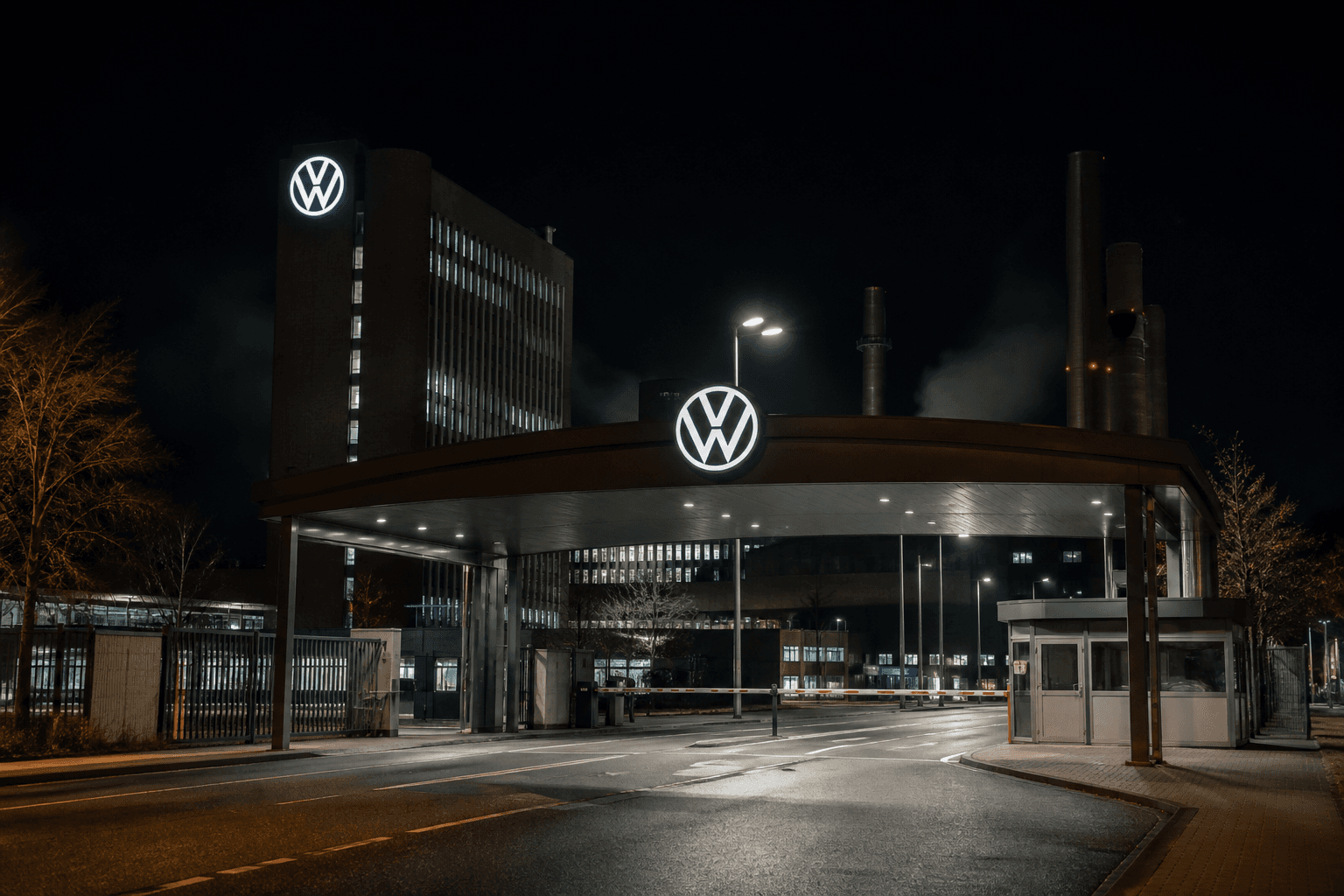
According to internal plans, Volkswagen is considering a phased sequence of “End of Production” dates for several German plants from 2031 onward. The reasons include insufficient production volumes, excess capacity and plans to move future successor models to other sites. This is particularly sensitive for regions such as Zwickau and Emden, where thousands of jobs depend directly and indirectly on the plants.
News
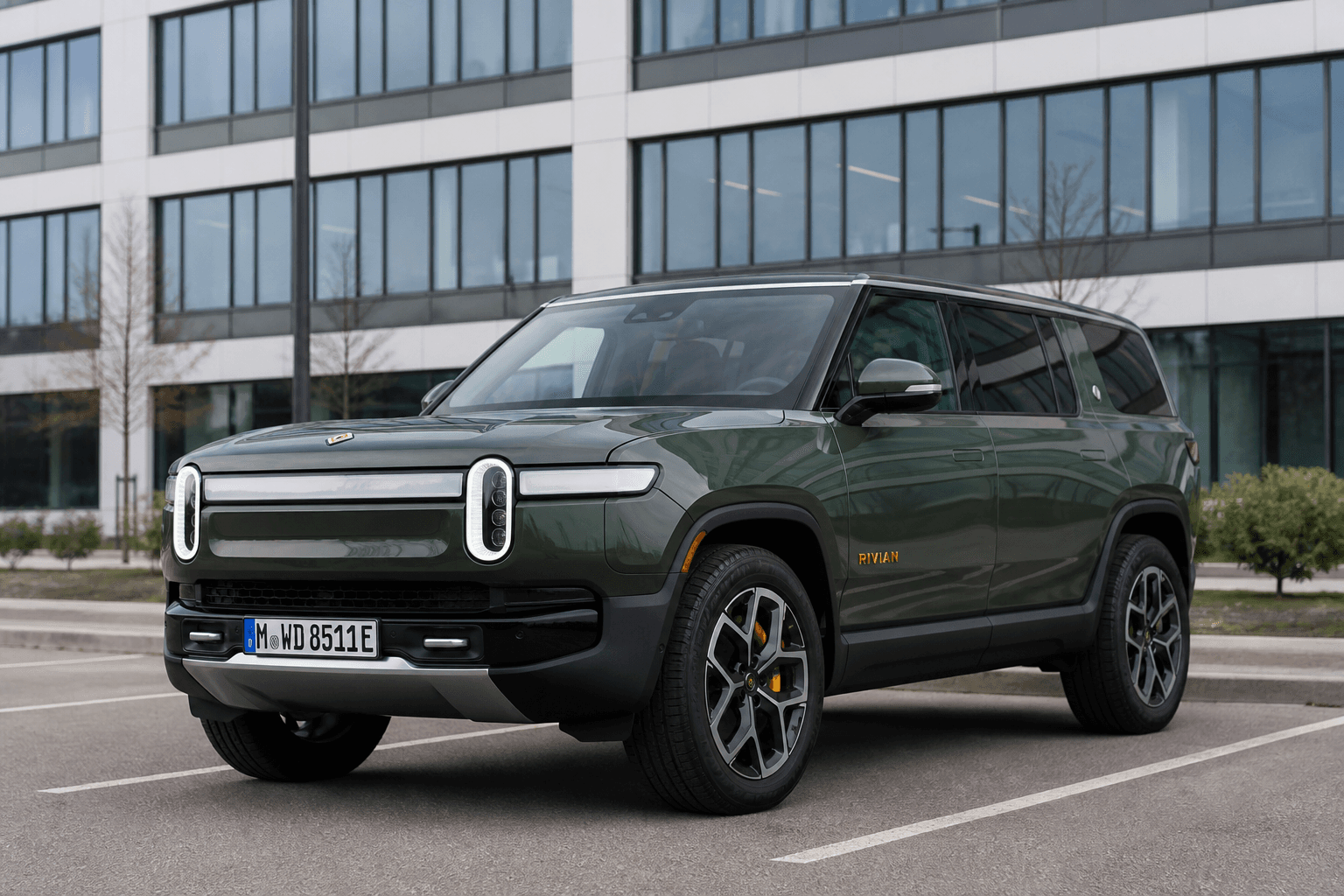
Rivian will part ways with CFO Claire McDonough in fall 2026, when she leaves the company after nearly six years. Finance VP Derek Mulvey will take over on an interim basis while Rivian searches for a permanent successor. The change comes as Rivian must secure the production ramp-up of the new R2 as a driver of growth.
News
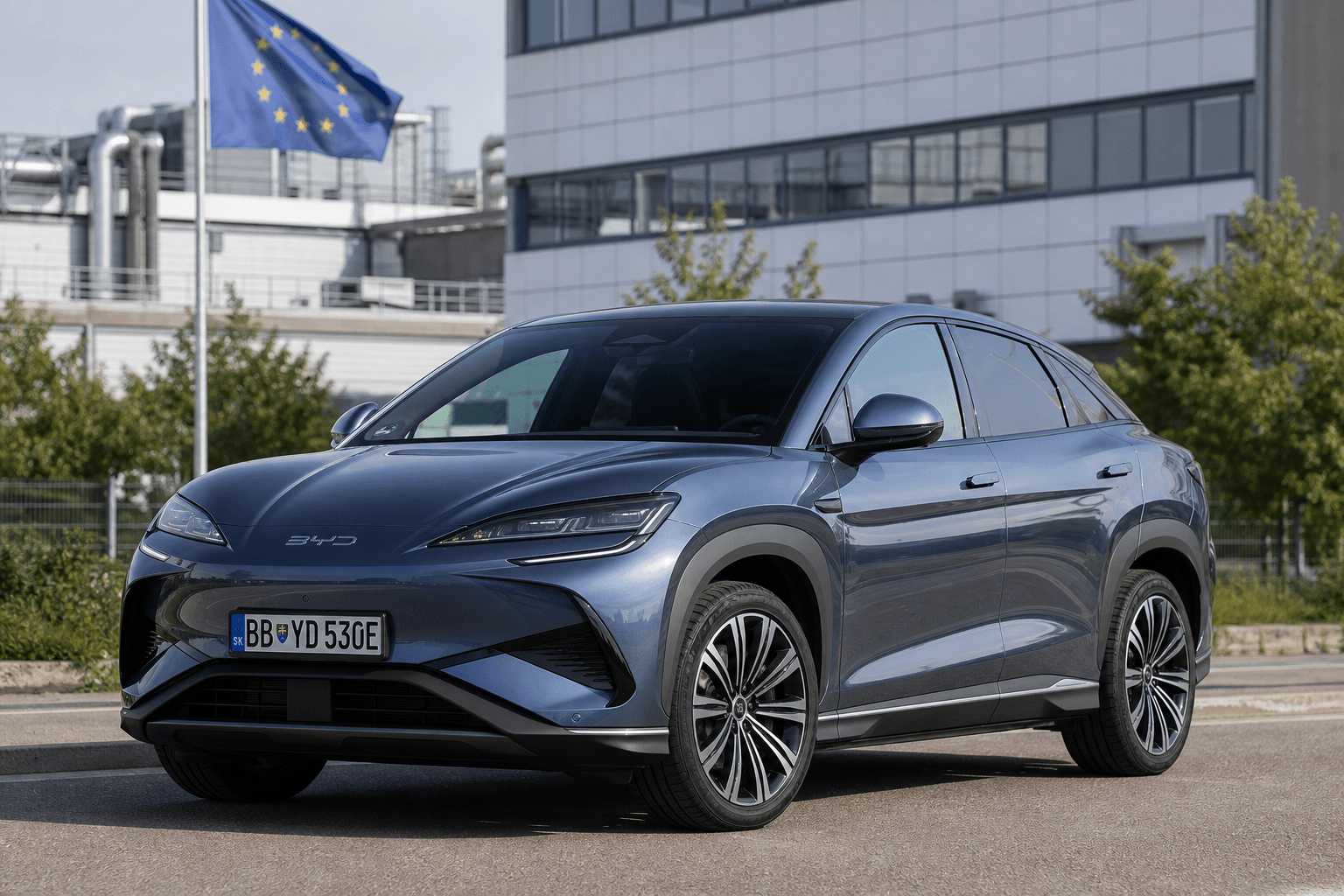
Chinese manufacturers such as BYD, Chery and Leapmotor plan to significantly expand production in Europe, partly through new plants and partly by using spare capacity at existing factories. A recent forecast projects around 90,000 vehicles built in Europe in 2026, rising to about 1 million by 2030 and approximately 1.5 million by 2035. The main drivers are EU rules on local value creation and tariffs on electric cars made in China, which could eventually be extended to hybrids.
News
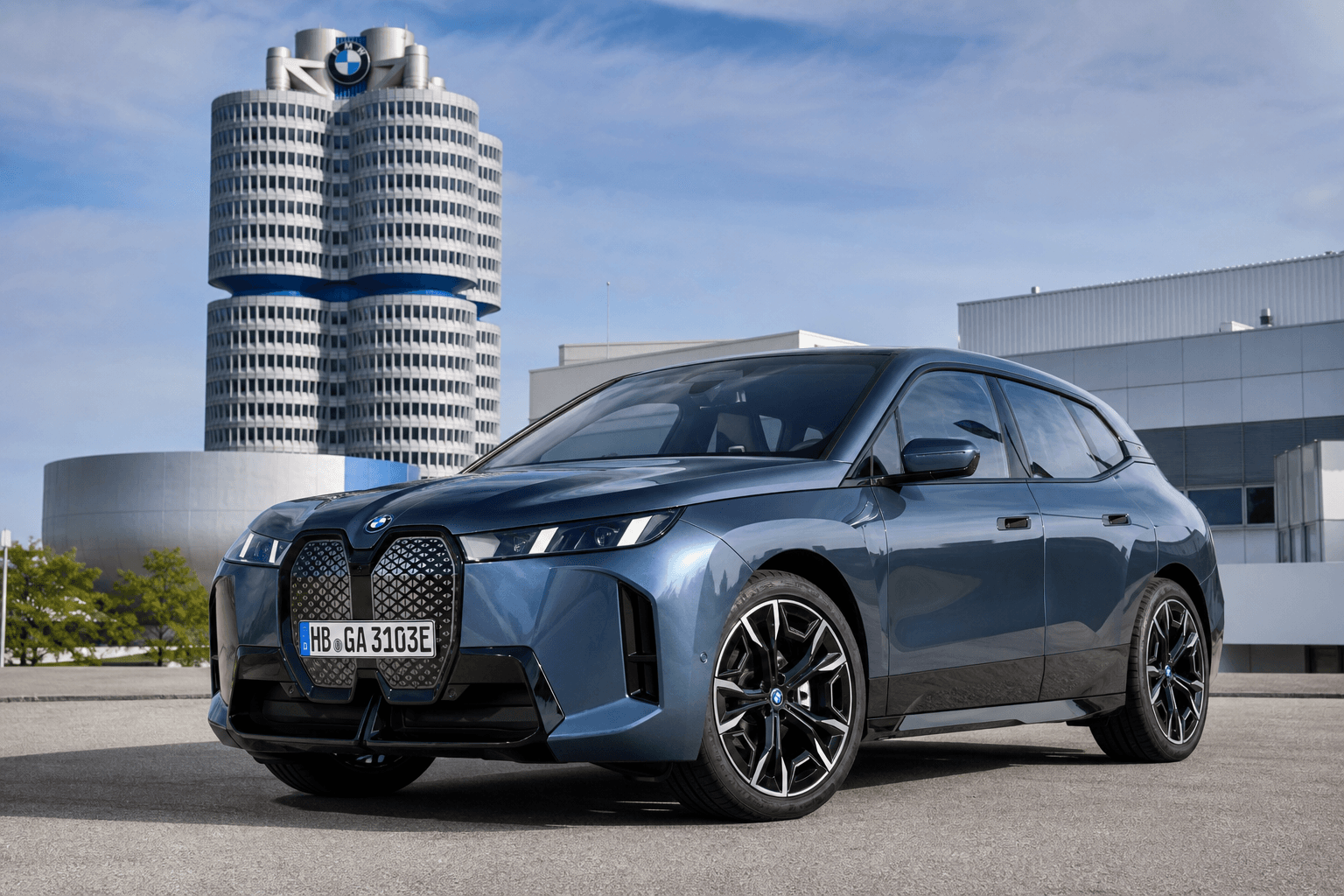
BMW is reassessing its product plans for the second half of the 2020s as key markets develop in very different directions. Weakening demand in China, new competitive pressure and trade barriers are increasing the need for flexible platforms and powertrains. A planned luxury SUV positioned as a potential rival to the G-Class is reportedly on hold for now.
News
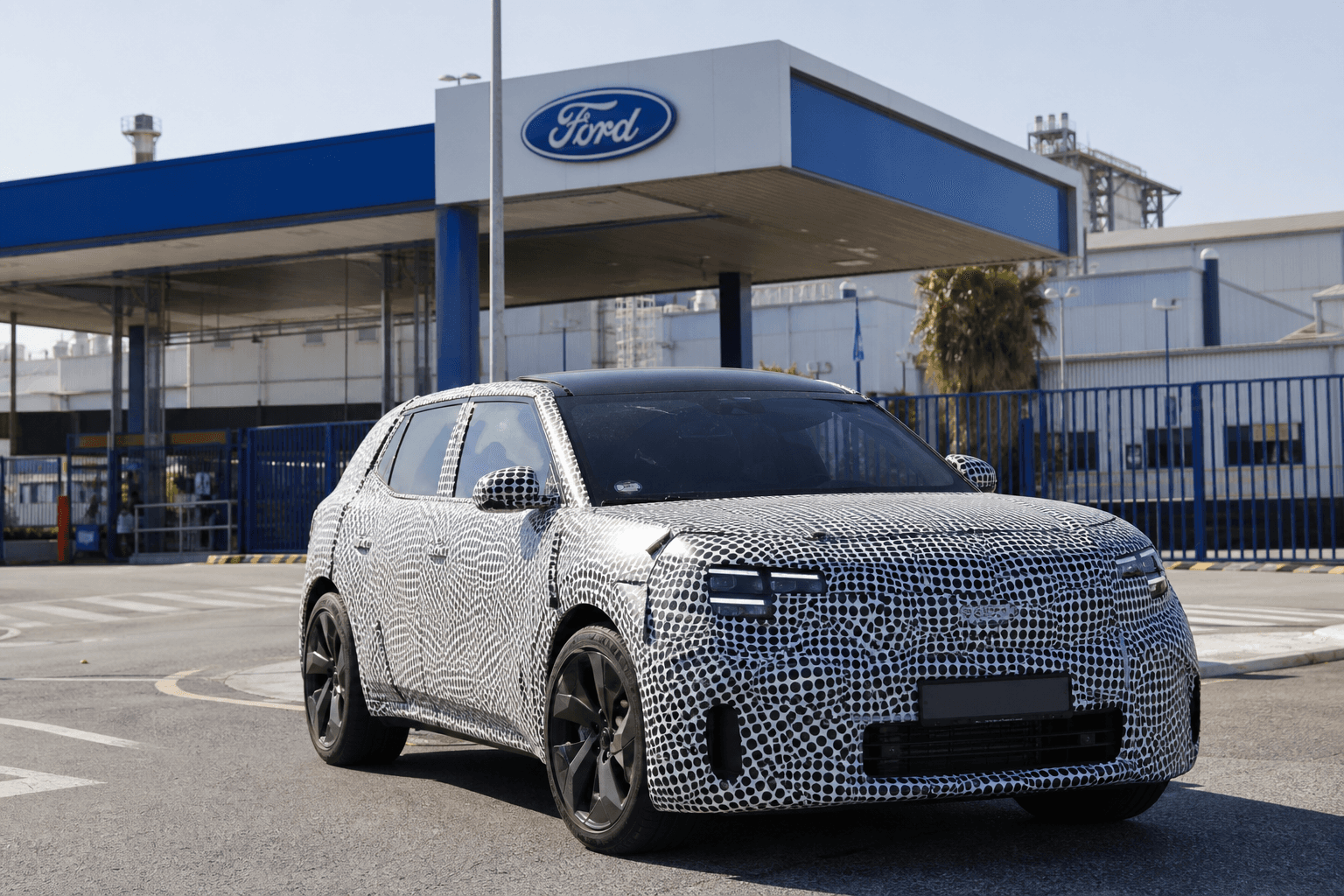
Ford plans to build a new compact crossover SUV in Valencia based on Geely’s electrified GEA architecture. Geely will acquire a 34% stake in the plant and pay €221 million, a move that also makes strategic sense in light of EU regulations and import tariffs. The market launch is scheduled for 2029, while Ford also plans to produce a separate Bronco SUV there from 2028.
News
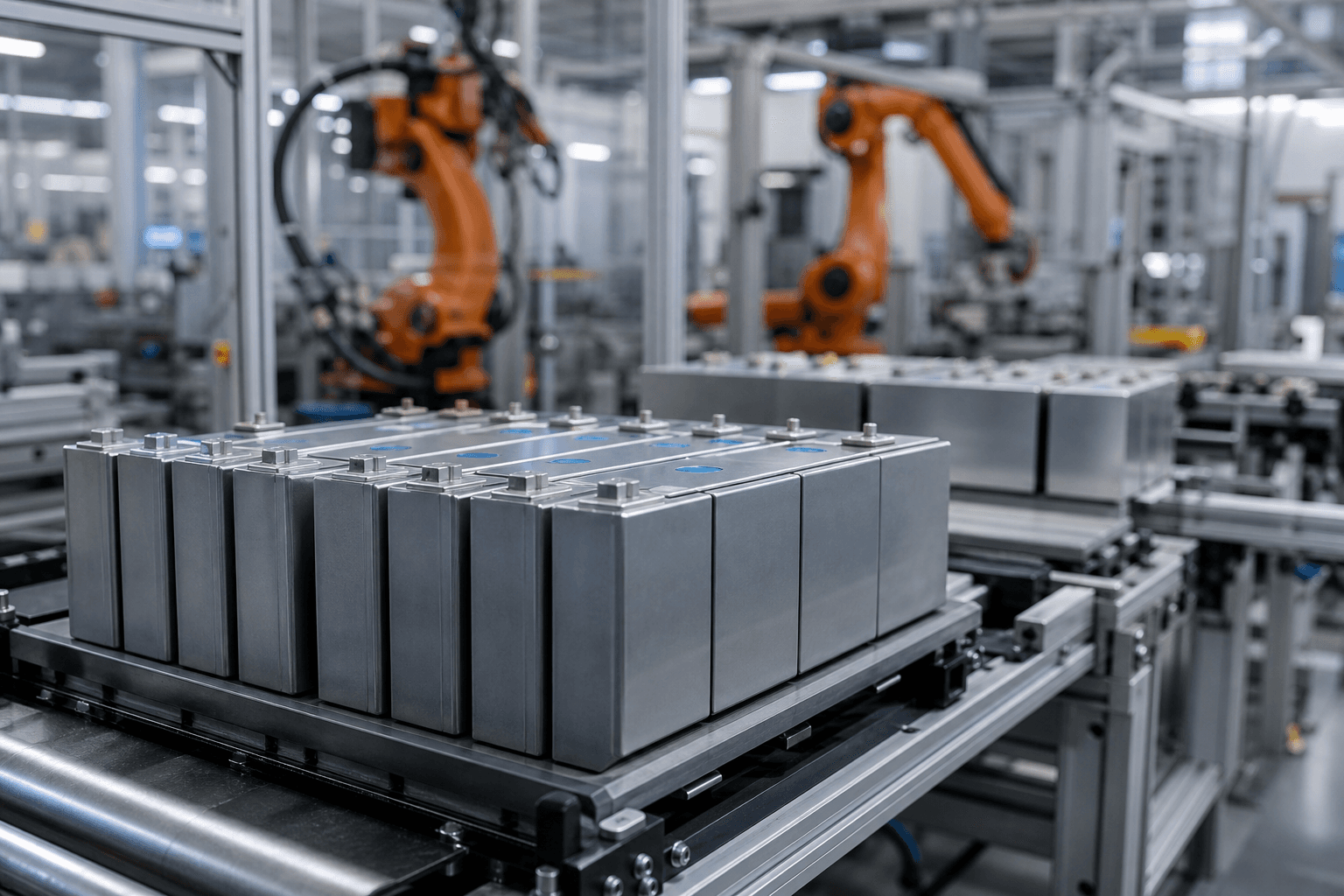
A new industry analysis reveals the extent to which Europe’s automotive industry depends on Asia for battery cells and precursor materials. As a result, Europe could lose up to €150 billion in value creation by 2030, while research, profits and expertise increasingly develop outside Europe.
News
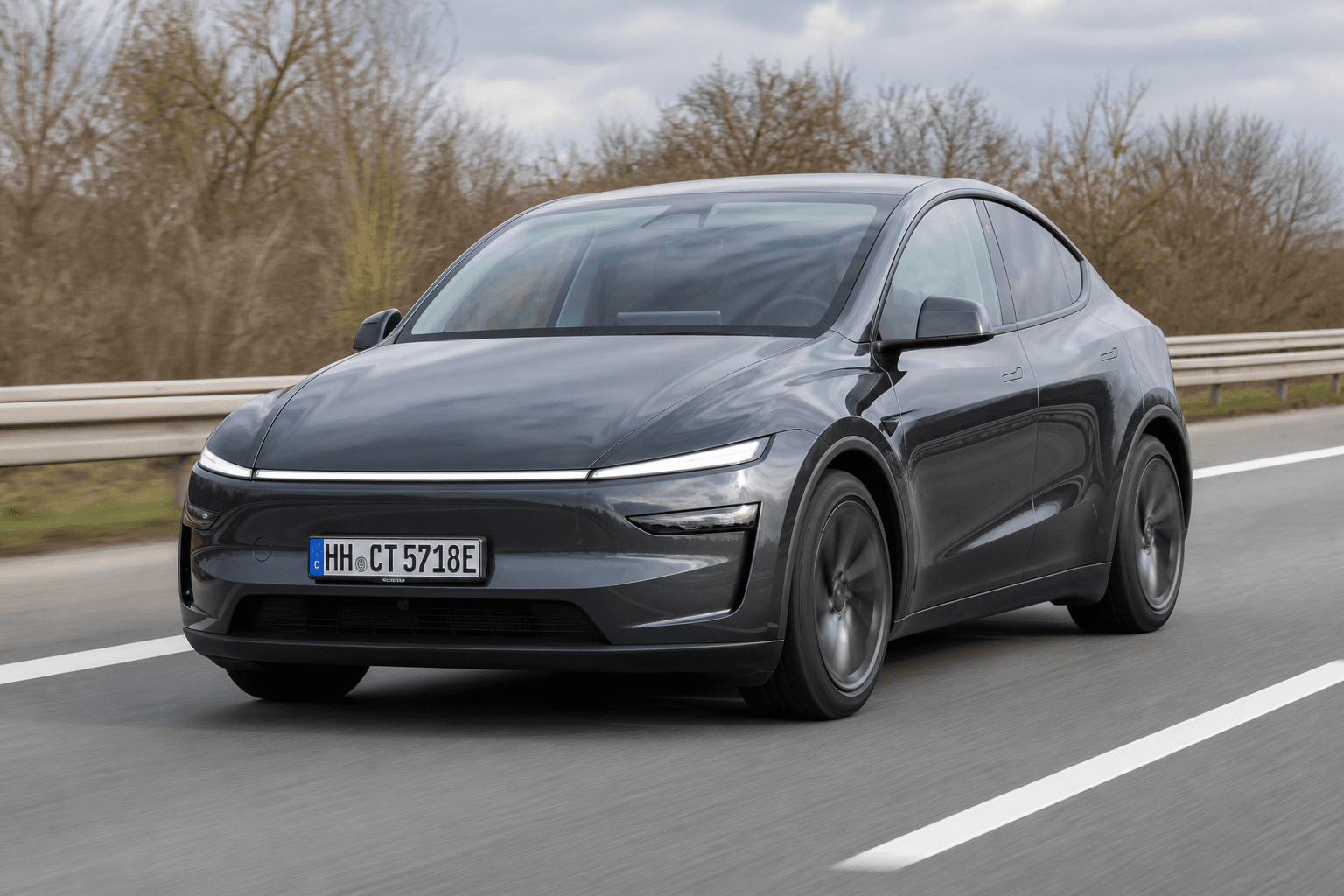
More and more clips are appearing on TikTok, Instagram and X showing Tesla drivers clearly no longer paying attention while FSD is active—from sleeping to working on a laptop. This is not only illegal, but also undermines the concept of “FSD (Supervised)” and increases the pressure on Tesla to further tighten its monitoring and communication.
News
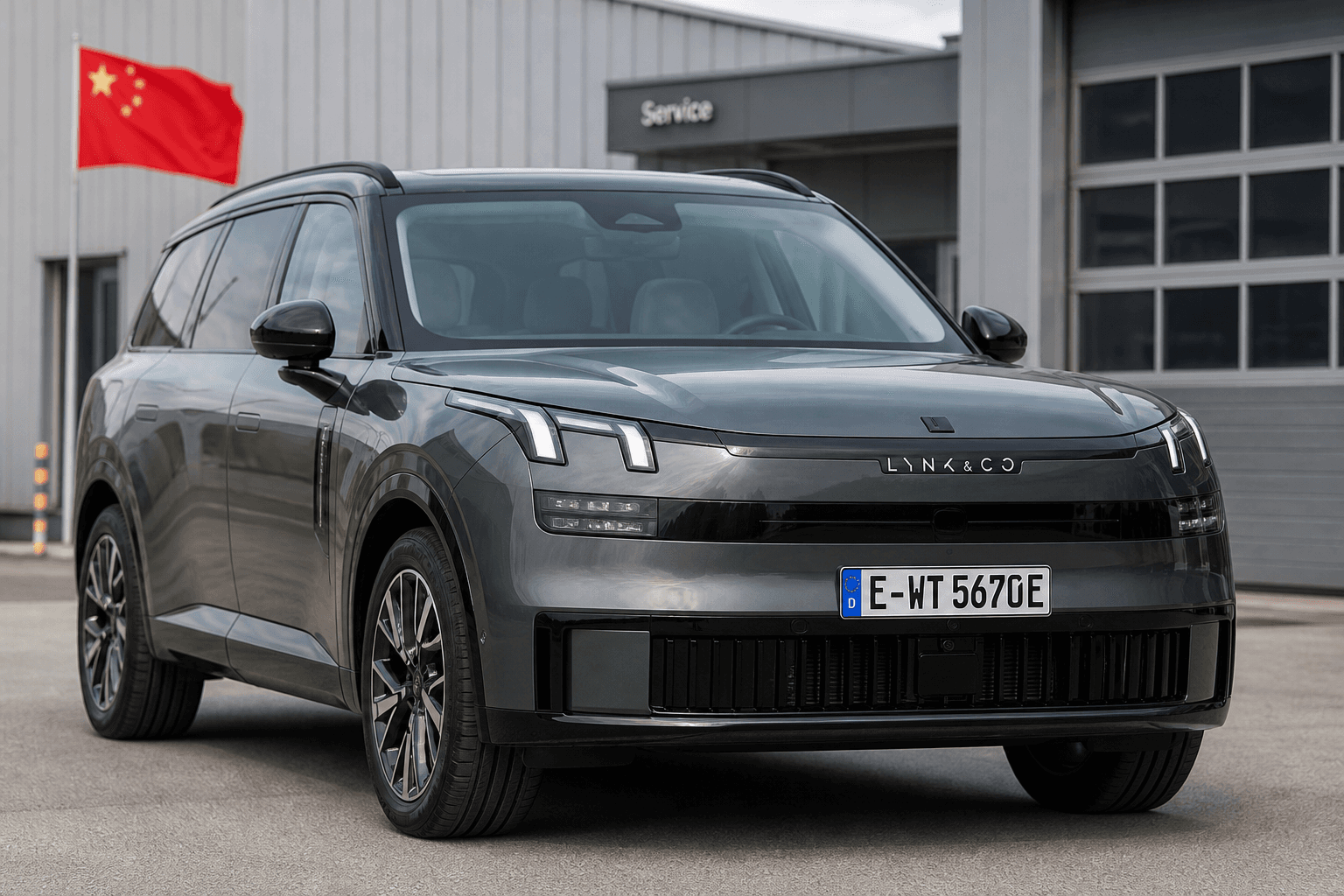
Geely is launching a recall in China for nearly 93,000 vehicles because a defect in the LiDAR sensor may impair driver-assistance functions. Models from the Geely Galaxy and Lynk & Co brands produced in 2025 are affected. The LiDAR units will be replaced free of charge, while cloud-based diagnostics are also intended to identify potentially affected vehicles at an early stage.
News
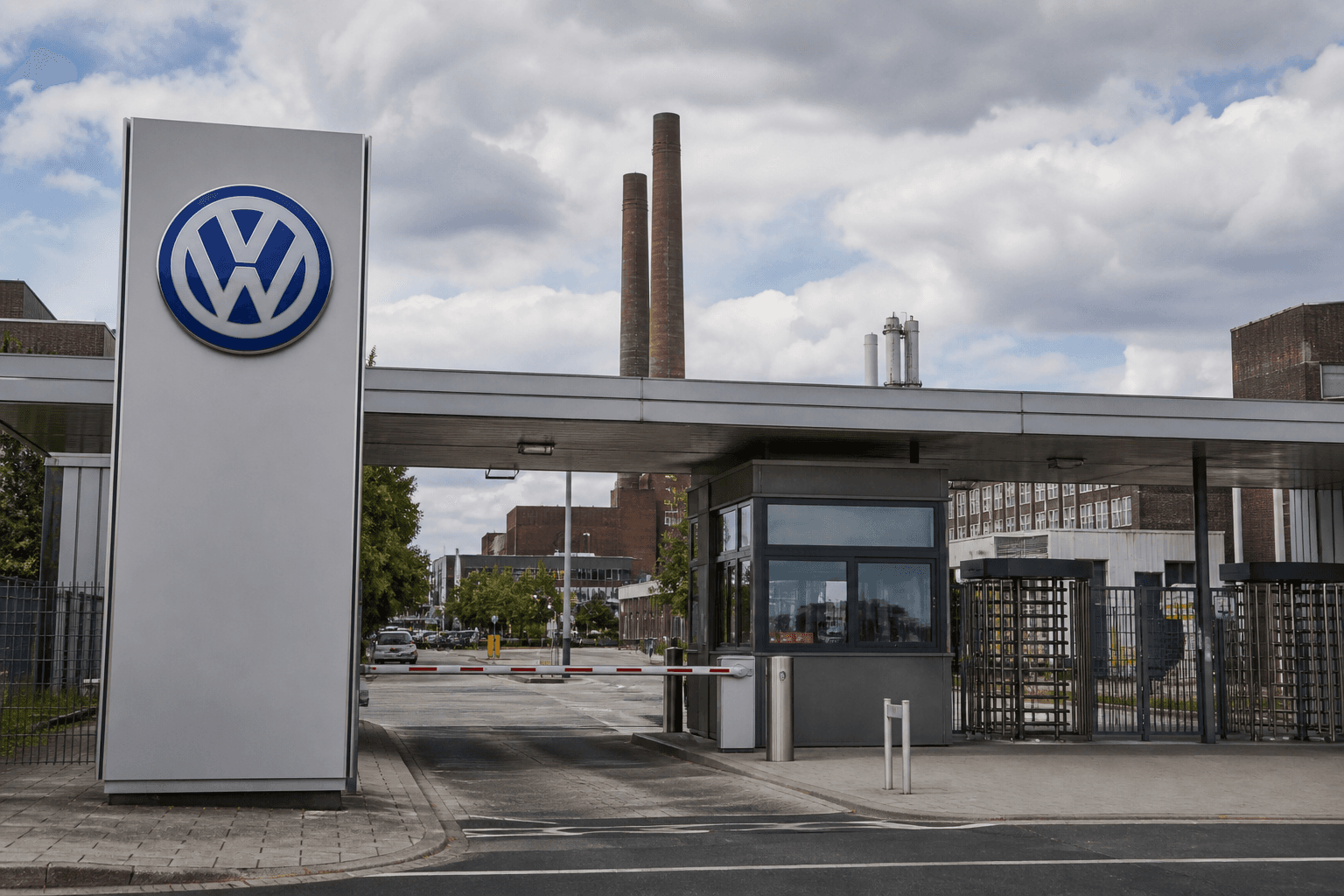
Volkswagen is providing more detail on its cost-cutting plans and raising the possibility of eliminating up to 100,000 jobs worldwide, in addition to reductions already agreed through 2030. Particular attention is focused on four German plants employing around 40,000 people in total, with no confirmed production allocation from the early 2030s onward.
News
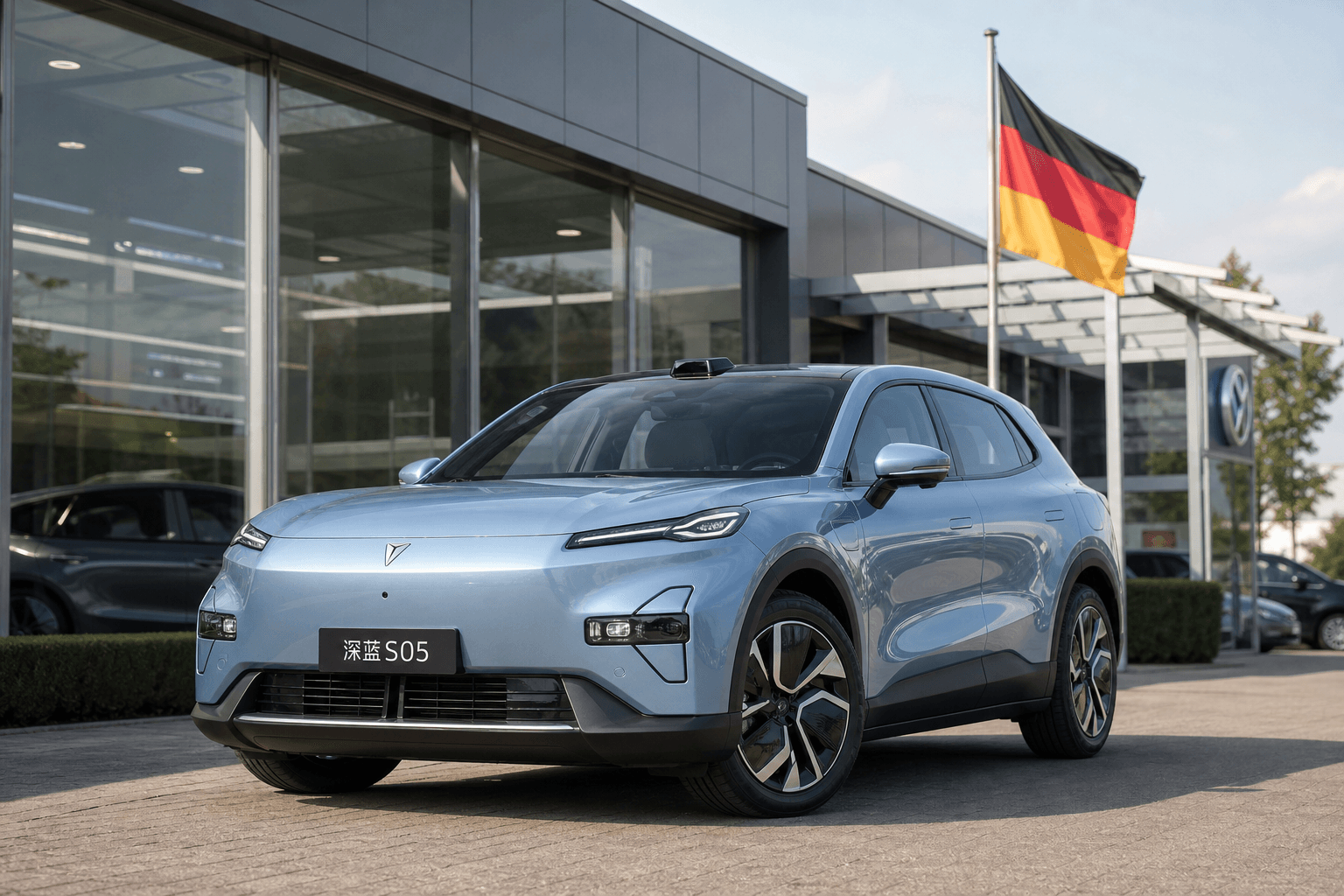
Changan moves extremely quickly in China when it comes to development and update cycles, but it is deliberately slowing down its launch in Germany. The reason has less to do with the car itself than with the system behind it: service, parts, workshops, the partner network and training all need to work properly first.