Ford and Geely: New Electric SUV Planned from Valencia in 2029
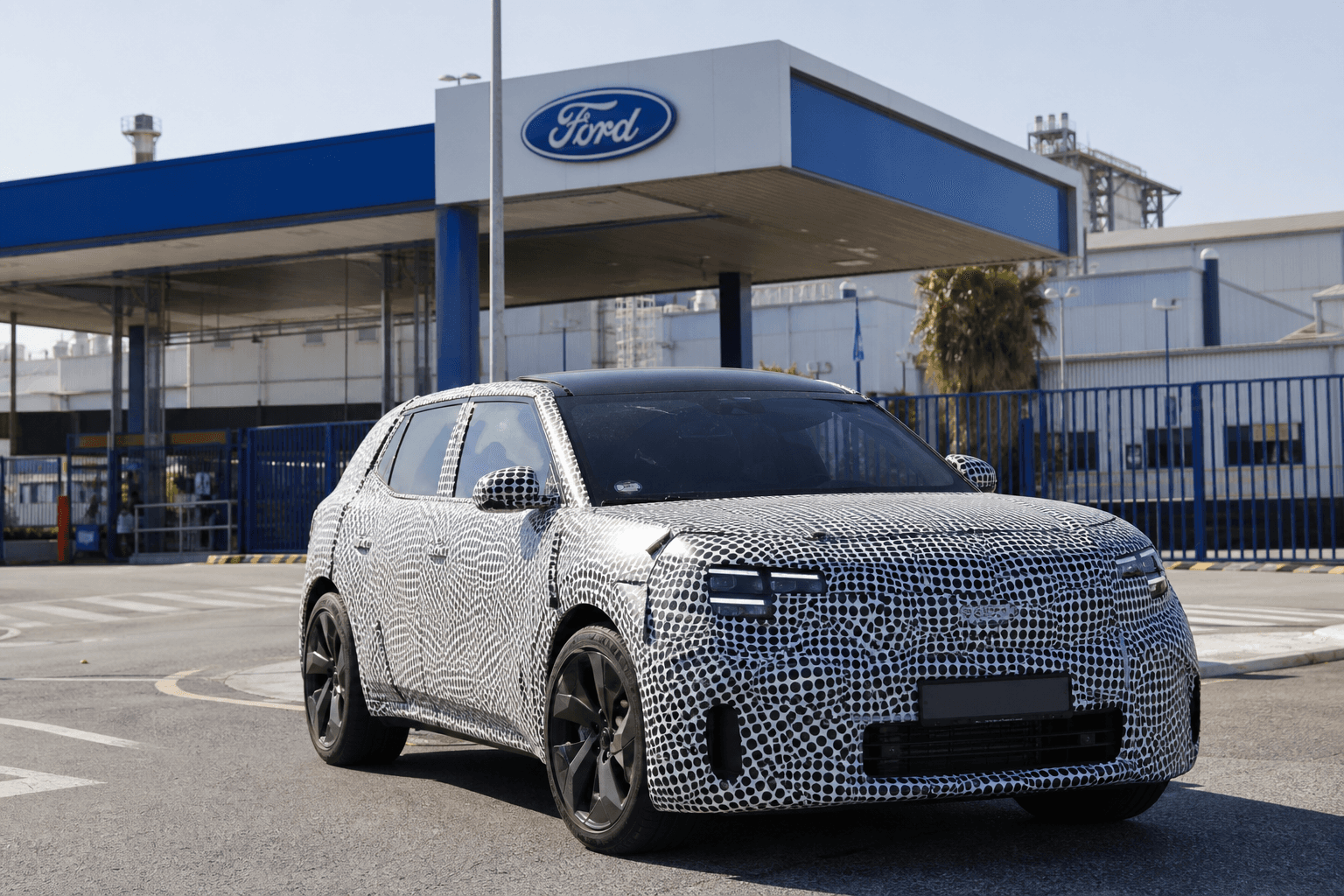
Ford is bringing in expertise from China for a new compact SUV in Europe: From 2029, the Valencia plant is set to produce a crossover based on Geely’s electrified GEA platform. The project will be managed through a joint venture that both companies have officially confirmed.
From a European perspective, the key point is not so much the platform deal itself, but its consequence: production within the EU. This makes Valencia a building block in Geely’s strategy to manufacture more vehicles directly in Europe, giving it greater control over supply chains, cost risks and trade barriers.
What Is the GEA Architecture, and Why Is It Attractive to Ford?
For Geely, GEA denotes a modular, electrified vehicle architecture that already underpins models sold in Europe. These include an all-electric SUV, the Geely EX5, and a plug-in hybrid, the Starray. Ford intends to use this platform for a vehicle of its own that will be visually distinct from Geely models.
According to the information available so far, Ford is aiming for a “rally-proven” design and corresponding chassis tuning. Ford motorsport icons such as the Escort, RS200 and Sierra Cosworth have been cited as references. In essence, the goal is to combine modern electric technology with dynamic positioning that suits the brand, without Ford having to start from scratch.
Deal Structure: Geely Acquires a 34% Stake in Ford’s Plant
For the partnership, Geely is coming on board not only as a technology partner but also as an investor: Geely subsidiary Centurion Industries will pay €221 million for a 34% stake in the Valencia factory. For Geely, this is a shortcut compared with building an entirely new plant, requiring less capital and involving lower execution risk.
Geely has already implemented a similar model in South Korea, where Centurion Industries acquired a 34% stake in Renault Korea Motors and its Busan plant. The pattern is clear: Geely is focusing on equity investments and local production rather than relying solely on exports.
EU Tariffs and “Made in Europe”: Production Becomes a Competitive Advantage
The timing is no coincidence. “Made in Europe” initiatives are gaining importance in the EU and could favor locally manufactured electric cars. At the same time, import tariffs are a major factor: The current tariff cited for Geely electric cars built in China is 28.8%, including the EU’s standard 10% import duty.
Local production → less tariff risk and greater planning certainty. Geely has also announced plans to localize more of its European supply chain, which can quickly become a decisive lever when pursuing high-volume production.
Valencia’s Role for Geely Is Growing, While Ford Plans a Bronco SUV
The new head of Geely Auto Group indicated that Valencia could eventually build “a whole range of models” for the company’s own brand. This aligns with Geely’s ambition to generate around two-thirds of its sales outside China in the future, up from roughly one-third currently.
Valencia will also remain a key location for Ford, though not exclusively for Geely technology. From 2028, the plant is also expected to produce a Bronco-branded SUV based on Ford’s own platform. It may be technically oriented toward the current Kuga, but will not use the Geely architecture.
Assessment: “Reverse Joint Ventures” Are Becoming Normal in Europe
This arrangement reflects a trend in the European automotive market: Established manufacturers are making use of the cost structures and electric-vehicle expertise of Chinese partners instead of developing everything themselves. This is less a “sellout” than a pragmatic response to development cycles, platform costs and margin pressure in a market undergoing rapid change.
Similar partnerships can also be seen elsewhere, with Western groups combining spare manufacturing capacity in Europe with Chinese platform technology. Anyone looking for an overview of how extensively Chinese brands and new players are now involved in Europe can also find market figures and examples in our article: 2026 Electric-Car Sales, with Leapmotor as the Surprise.
What This Could Mean for Buyers in Germany, Austria and Switzerland
There is still time before 2029, and many technical details about the Ford model remain unknown. Even so, the potential effects can already be outlined: Local production in Spain could stabilize delivery times, reduce tariff-related pricing risks and increase the likelihood that variants and equipment are better tailored to European needs.
From a technical perspective, the main question is how Ford will configure the platform: all-electric versions, plug-in hybrids or both, with “multi-energy” cited as the goal. Charging and platform architectures make a major difference in everyday use, which is why the debate over 800 volts versus 400 volts remains a useful reference point: 800V vs. 400V: Which Electric-Car Architecture Is Right for 2026?
What Will Really Matter in 2029
- Charging power and charging curve (not just peak kW)
- Efficiency at highway speeds and in winter
- Software integration (updates, driver-assistance systems and navigation with charging-route planning)
- Pricing compared with EU rivals and imports from China
Geely’s European Plan and What Comes Next
Geely aims to grow significantly in Europe and has set a long-term target of 400,000 cars per year across the Geely, Lynk & Co and Zeekr brands. At the same time, the group is increasingly considering European production, including plans to build Geely Auto Group vehicles at European Volvo plants from 2028.
For Ford, the partnership is another building block in its efforts to bring new electrified models to European roads more quickly and at lower cost. For the market, this primarily means more platform sharing, more localized production and even tougher competition—which, ideally, will ultimately also deliver benefits in terms of prices and the pace of technological development.