France Begins Testing Tesla FSD, but This Is Not Yet EU Approval
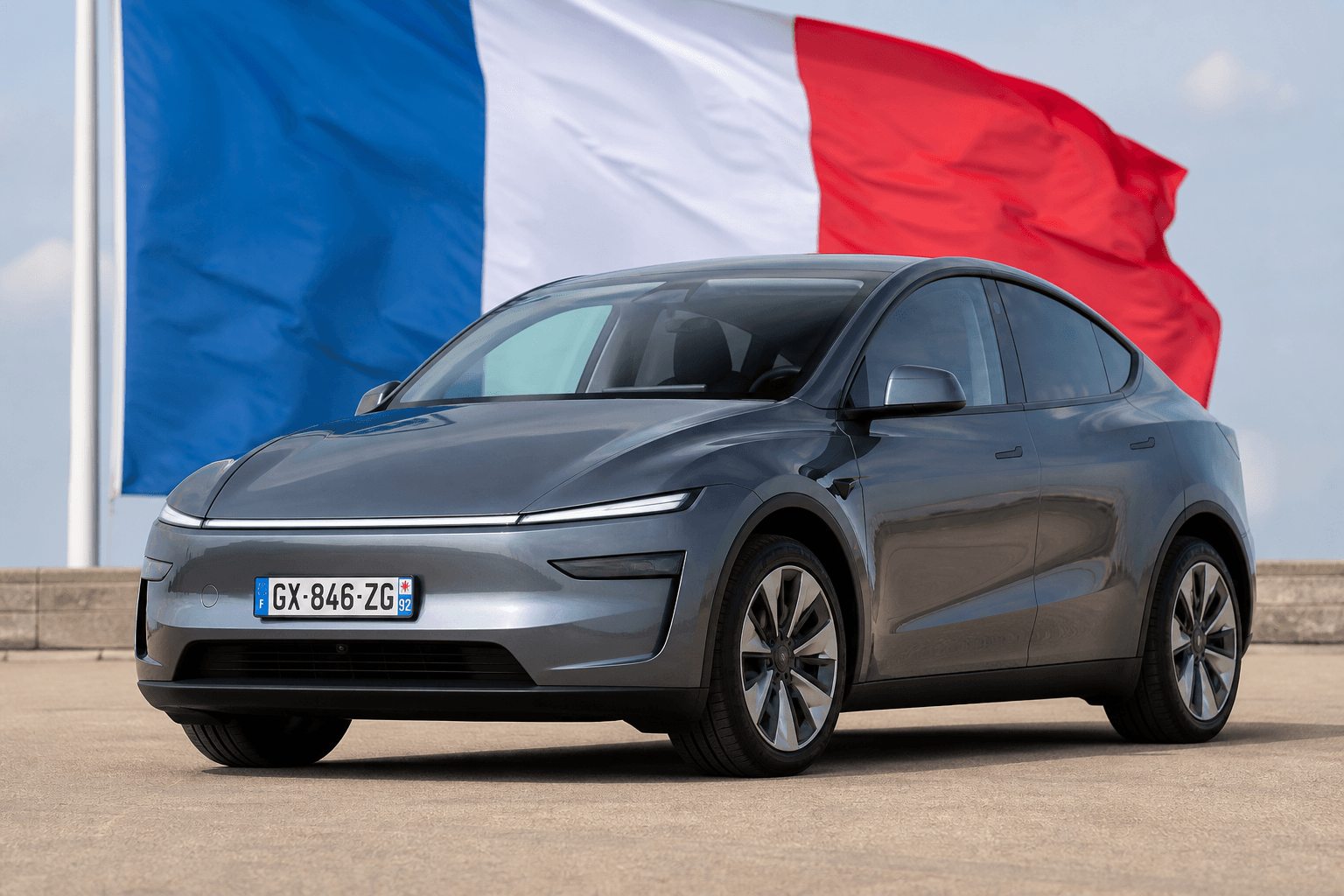
Initial tests of Tesla’s FSD (Full Self-Driving) driver-assistance package are underway in France. Such steps are particularly relevant in Europe because the path from a technical demonstration to regular use on public roads depends heavily on approvals, requirements and clear liability rules.
Importantly, a government or regulatory test does not automatically mean that FSD will soon be activated as a product for all drivers in France, let alone across the EU. However, it does show that the topic has reached the practical working level and is being evaluated in real-world conditions.
What Do Such Tests Typically Examine?
When a country tests driver-assistance systems or automated driving functions, the question is usually about more than simply whether they work. The primary focus is on safety, transparency and how the system behaves in mixed traffic. With camera-based approaches such as Tesla’s, the system’s robustness in challenging situations is particularly relevant.
- Operational Design Domain: In which environments may the system operate at all—for example, in cities, on rural roads or highways, in rain or at night?
- Takeovers: How clearly does the system prompt the driver to take control, and how is misuse prevented?
- Conflict scenarios: Roadworks, unclear markings, narrow roads, roundabouts and interactions with pedestrians and cyclists.
- Data and auditability: Which events are logged, and how can authorities assess decisions after the fact?
Why France Is an Important Piece of the Puzzle for Tesla and Europe
Europe’s regulatory environment differs significantly from that of the United States. While features are often rolled out more quickly in North America, approvals in the EU are more highly harmonized and tied to specific definitions of functionality. A French test could therefore be an important step toward defining requirements more precisely and evaluating real-world scenarios.
This is also strategically significant for Tesla because its fleet is large and updates can be rolled out quickly. At the same time, this is exactly where Europe often applies closer scrutiny: over-the-air updates are an advantage, but they must be properly integrated with approval and safety processes.
What Does This Mean for Tesla Drivers in the DACH Region?
For drivers in the DACH region—Germany, Austria and Switzerland—the key question is whether FSD will become more widely available in Europe with a broader range of capabilities. A test in France is a positive signal, but not a green light.
A gradual process is more realistic: clearly delineated feature packages, defined operating areas and close monitoring. People who already drive a Tesla can generally benefit from new features being added through updates, provided they receive regulatory approval.
What You Should Watch Next
- Whether the tests lead to specific approvals for particular functions and operating areas
- Whether Tesla continues adapting feature names and operating logic to European requirements
- Whether the EU-wide harmonized rules for automated driving functions become more aligned with real-world use
Assessment: FSD Remains a Driver-Assistance System Until the Rules Define It Otherwise
Even though Tesla uses the term “Full Self-Driving,” what ultimately matters in Europe is a function’s legal classification and the conditions attached to it. Until then, in practice it remains a driver-assistance system for which the human driver retains responsibility.
France’s tests are an important signal, but the decisive step will be specific, legally sound approval for defined functions in road traffic.
Related Background from Elektroquatsch
If you are interested in how Tesla is advancing its autonomy strategy from a technical perspective, you can find the key points here on Tesla FSD v15 and HW4. And if you want to get a sense of how driver assistance and efficiency affect everyday driving, take a look at our 2026 highway efficiency test featuring the Tesla Model Y.
You can also find details about the vehicle itself on our Tesla Model Y model page.