Half of UK drivers are considering a Chinese car, and the trend is accelerating
Chinese car brands are increasingly losing their outsider status in Europe. A recent survey of drivers in the United Kingdom shows that 49% would at least consider a Chinese manufacturer for their next car purchase. By comparison, the figure was 39% in the second half of 2025 and 35% in the first half of 2026.
This is particularly significant as a market signal because it is not just about electric cars, but about trust in new brands overall. However, it is important to put the results into context: “considering” is not the same as “buying.” Even so, the increase within just a few years is striking, from 24% in the first half of 2023 to almost half today.
Value for money is the main argument, with discounts amplifying the effect
Unsurprisingly, cost is the most important factor. 42% of respondents cite value for money as their main reason for considering a Chinese car in the first place. In addition, 24% expect particularly competitive discounts.
This fits the broader picture in Europe’s EV market: Many buyers now focus more heavily on monthly payments, equipment and charging performance rather than brand image alone. Especially in segments where range and charging times are converging, “more car for the money” can quickly open the door.
Platform data also points to rising interest
In addition to the survey results, the trend is also apparent in customer inquiries: During the first seven months of 2026, inquiries about Chinese models were 119% higher than in the same period of 2025. At the same time, Chinese brands’ share of recorded leads rose to 30% in the first half of 2026, up from 14% in the same period of the previous year.
These are not registration statistics, but they are a relevant early indicator. People researching vehicles, requesting configurations or obtaining quotes are generally much further along in the purchasing process than someone who merely says “maybe” in a survey.
Brand awareness is growing rapidly, with BYD still in the lead
The second major factor is awareness. More manufacturers are present, more models are appearing on the roads, and their names are becoming familiar. Awareness of individual brands rose particularly sharply within a year, including Jaecoo (from 46% to 69%) and Chery (from 16% to 50%). Omoda also gained ground (from 42% to 57%).
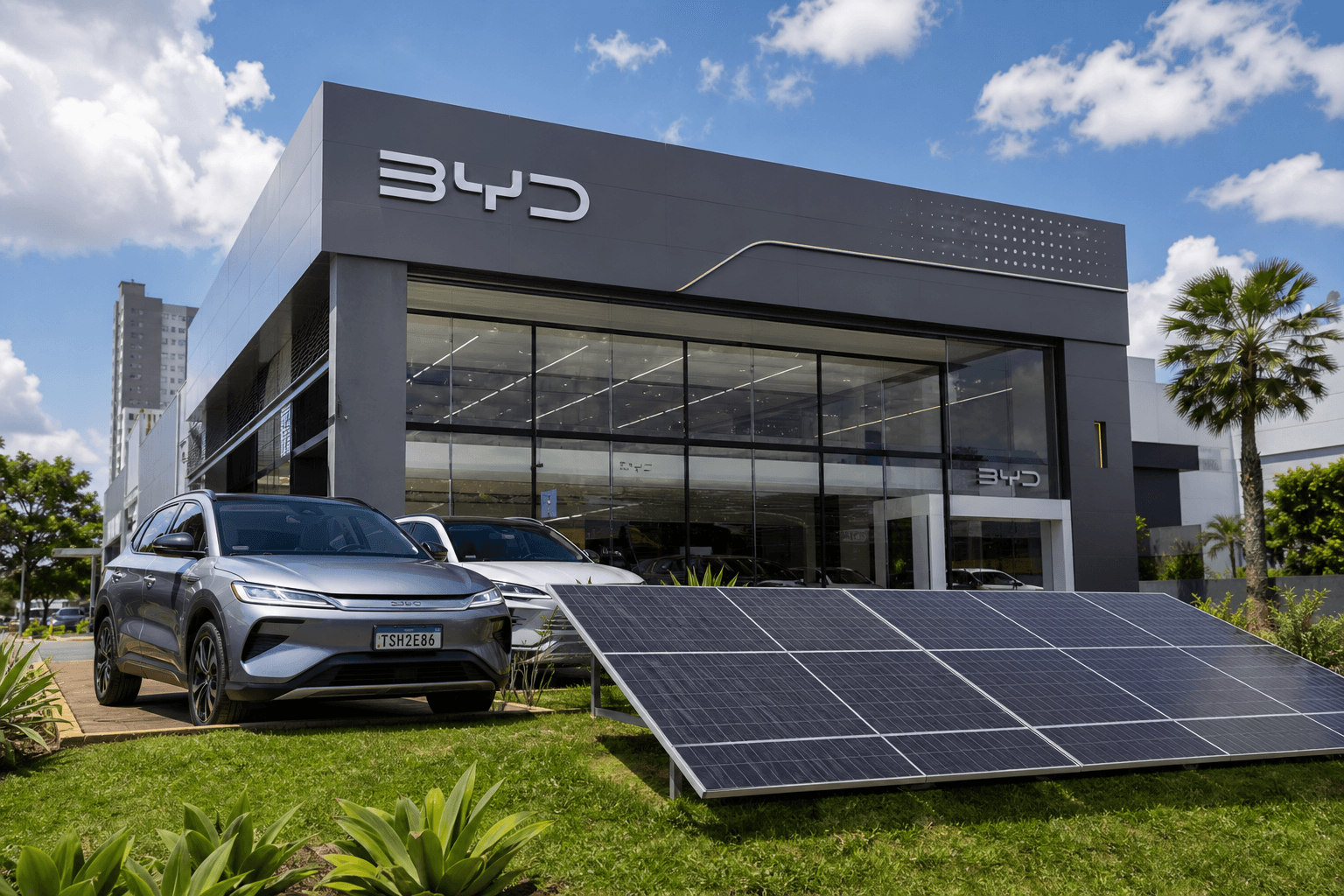
BYD is now one of the best-known Chinese brands in the UK: 71% of respondents are familiar with the manufacturer, compared with just 28% in 2023. XPeng is also becoming better known, albeit from a lower base (from 8% in 2023 to 20%). At the same time, the proportion of respondents unfamiliar with any of the Chinese brands included in the survey fell from 23% to 16%.
This is interesting in the context of the DACH region—Germany, Austria and Switzerland—because many of these brands are either already active there or are visibly pushing into Europe. The fact that this development is emerging more quickly in the United Kingdom may offer a preview, although it cannot necessarily be transferred directly to other markets.
UK vs. EU: Import tariffs are a major difference
One key reason Chinese manufacturers can currently compete more easily on price in the UK is regulation. Since October 2024, the EU has imposed additional countervailing duties on battery-electric vehicles built in China, ranging from 7.8% to 35.3% depending on the manufacturer. The rate is 17% for BYD, 18.8% for Geely and 35.3% for SAIC.
So far, the United Kingdom has not introduced comparable additional tariffs and, according to publicly available information, has not yet launched a formal investigation. In the short term, this makes the UK a more attractive arena for aggressive pricing and rapid volume growth strategies.
What does this mean for established brands, including Tesla?
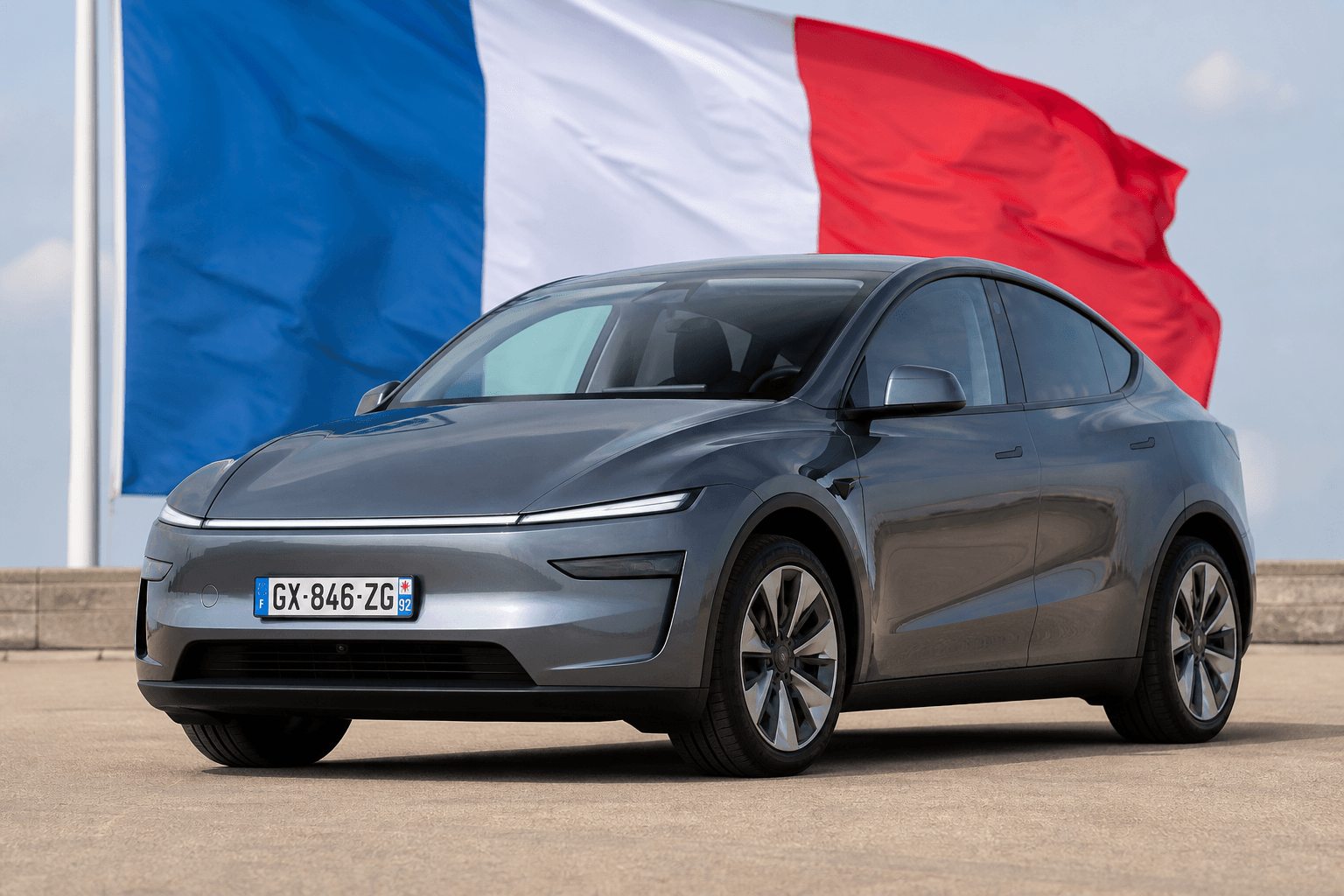
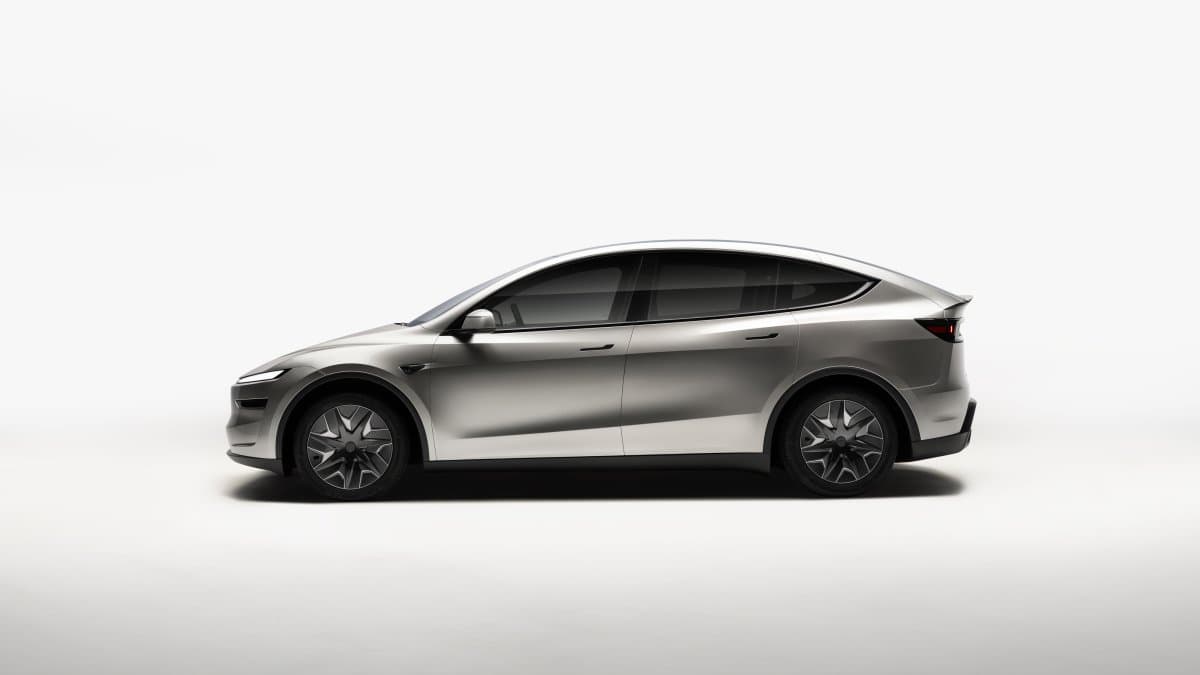
More “Chinese options” on buyers’ shortlists increase the pressure on established manufacturers to deliver a compelling overall package of price, equipment, warranty, software and delivery times. This also applies to Tesla, although Tesla continues to hold a strong hand in Europe: efficient powertrains, a very dense fast-charging network in many regions and a software ecosystem that tips the balance for many buyers.
It will be interesting to see how far Chinese brands diversify their approaches beyond price over the next few years, for example with 800-volt platforms or new charging and battery concepts. Readers interested in the technical side can find a useful overview in the comparison 800V vs. 400V in EVs.
Context: Consideration does not equal market share, but it is a clear warning sign
Above all, the figures show one thing: For many buyers, a vehicle’s Chinese origin appears to be a much smaller obstacle than it was just a few years ago. Whether this ultimately translates into significant registration figures will depend on very practical factors: dealer networks, service quality, residual-value trends, ongoing software support and, of course, the actual product.
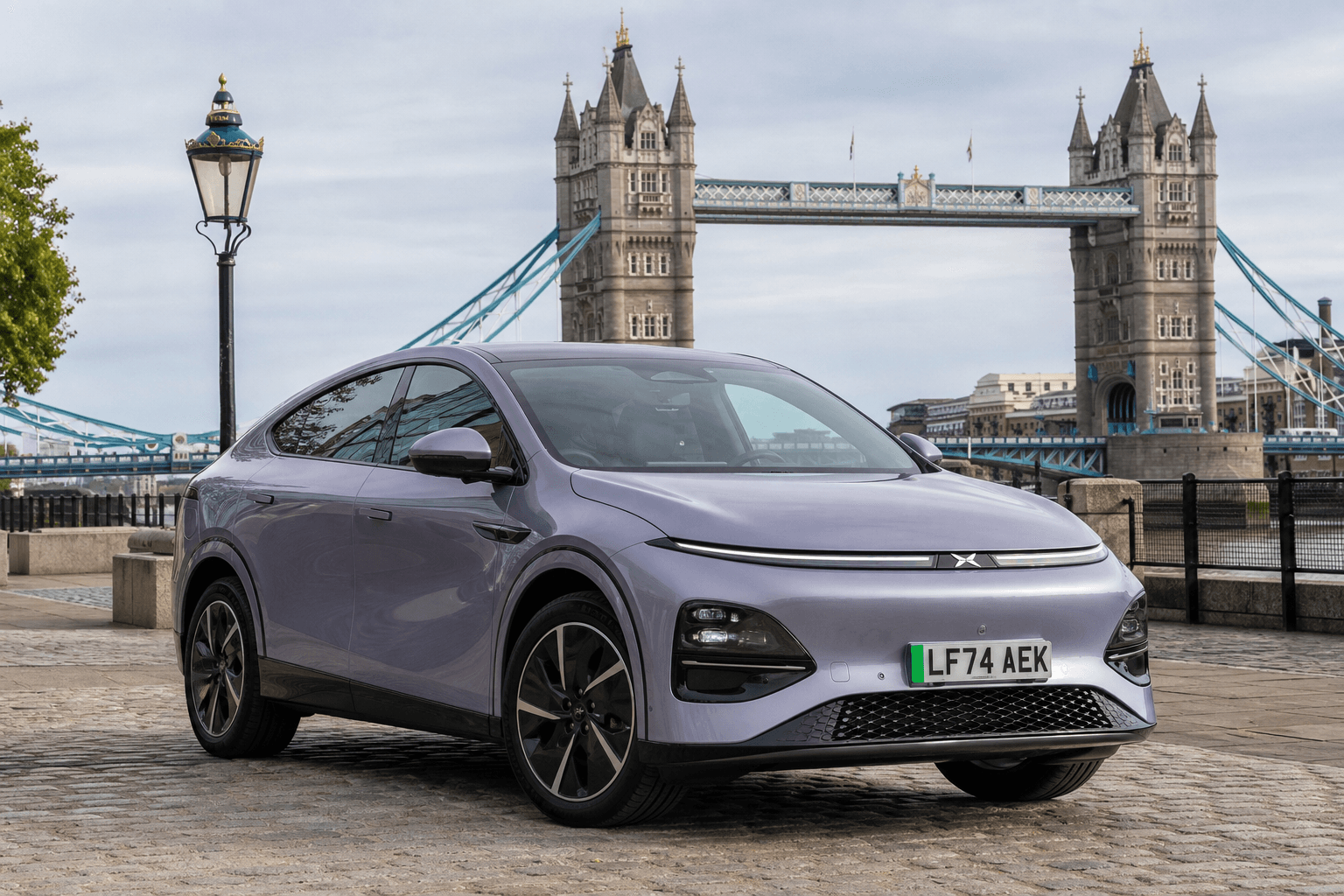
Anyone seeking to better assess China’s impact in Europe should also examine how strongly individual brands are already represented in the market and which model strategies they are pursuing. Relevant examples include electric compact SUVs in Germany in 2026, as well as models such as the BYD Seal and the XPeng G6. These vehicles are targeting precisely the high-volume segments in which many buyers have traditionally chosen European brands or Tesla.