Europe’s Battery Cell Problem Is Becoming a Multibillion-Euro Issue
In electric cars, the battery determines not only range and charging time, but also price and profit margin. That is precisely why Europe’s current dependence on Asian supply chains is more than a politically contentious issue: it is a tangible competitive disadvantage. A recent analysis puts the economic impact on Europe’s automotive industry by 2030 at up to €150 billion in lost value creation.
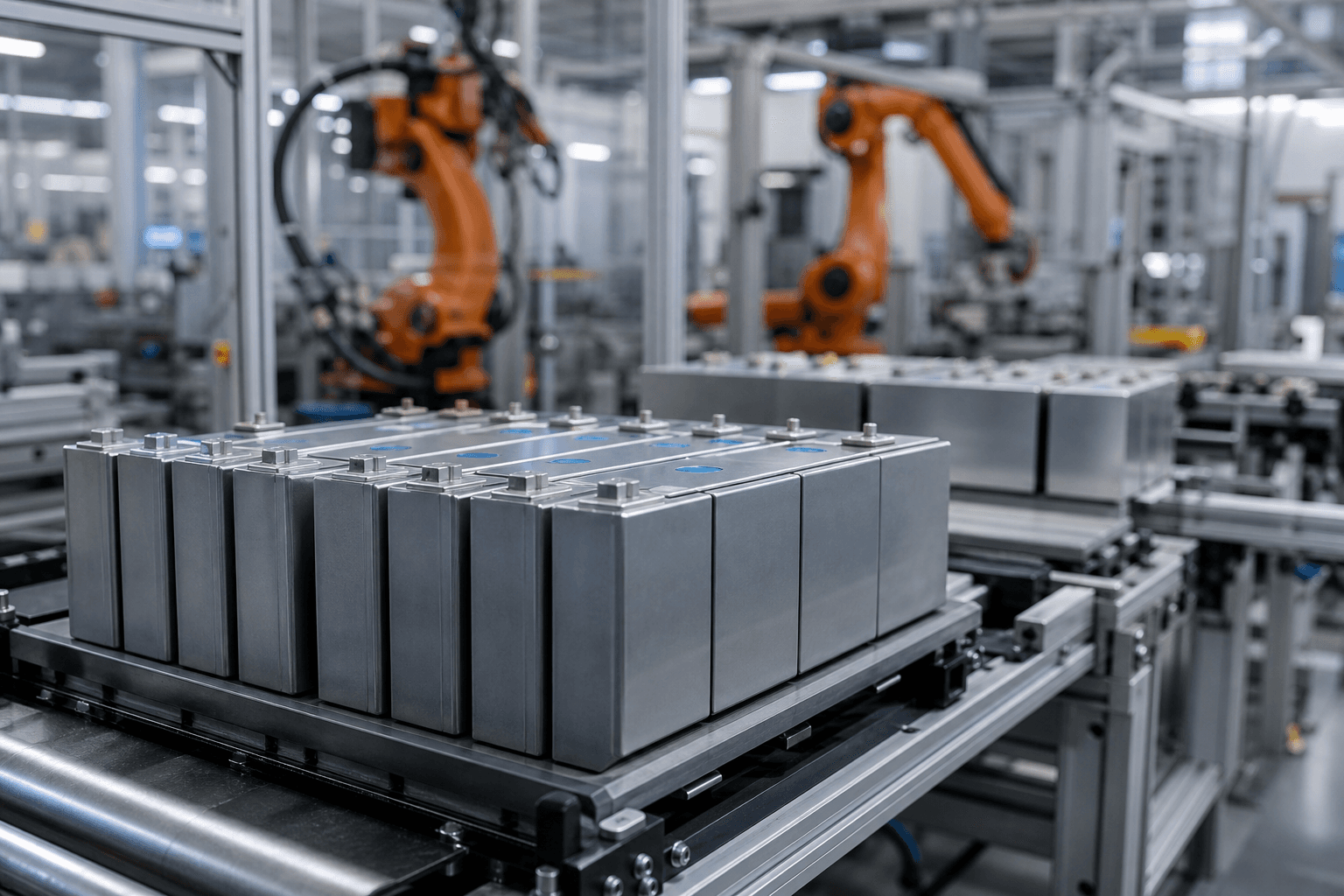
The key point is that a large share of battery value creation does not take place in Europe, but wherever cells are produced, materials are refined and processes are industrialized. Europe is therefore not just buying products; in many cases, it is also importing the future viability of its own industry.
Asia Accounts for 77% of Global Cell Production as Europe’s Share Shrinks
According to the study, Asia now accounts for 77% of global electric-car battery cell production, following another significant recent increase. Europe, by contrast, has a considerably smaller share of global capacity, and Asian corporations often play a major role even in European projects.
This has two direct effects. First, a large share of the profits from a key component of electric mobility flows abroad. Second, research also migrates to where industrial implementation takes place, because innovation in the battery industry is closely tied to manufacturing, scaling and production quality data.
Why Batteries in Particular Shift So Much Value Creation
Batteries are a fast-growing market. Global production capacity rose to 920 GWh within a single year. Depending on the forecast, the total market is expected to reach 5.5 to 6.5 TWh by 2030. Whoever controls the cells and the materials supply chain effectively also controls cost curves, supply capabilities and a large part of product development.
For European manufacturers, this means that even if vehicles are developed and assembled in Europe, the value created by the battery can determine whether a model becomes profitable in the mass market. Tesla has demonstrated for years how effectively vertical integration, cell strategy and software optimization can work together, although that does not automatically mean every manufacturer must follow exactly the same path.
Battery Value Chain: Assembly Is Not the Jackpot
One central criticism from the study and the research community is that many projects in Germany and Europe focus on research or the final assembly of modules and packs, while important stages at the beginning of the chain are missing. Yet the greatest leverage lies not at the end, but at the beginning.
| Stage of battery value creation | Approximate share of value creation |
|---|---|
| Raw material extraction and processing | up to 60% |
| Cell production | around 15% to 30% |
| Module and pack assembly | around 10% to 15% |
In other words, companies that only perform assembly often remain stuck in an area with comparatively low value creation. Those that master refining, cathode materials, electrode manufacturing and cell production, by contrast, establish the industrial core that ultimately also stabilizes prices, performance and the supply chain.
Chinese Brands Gain Ground in the EU Despite Additional Tariffs
Alongside the battery issue, the vehicle market is also shifting. Chinese brands have recently continued to increase their share in the EU despite additional tariffs. This is doubly problematic for European manufacturers: competitive pressure from attractive vehicles is reaching their home market directly, while key components often still have to be imported from the same regions.
That does not mean Europe has no strong cards to play—quite the opposite. Platform expertise, safety standards, chassis development, manufacturing quality and, increasingly, software are genuine strengths. But all of these are less helpful if the battery, the most expensive single component, remains structurally outside Europe’s sphere of influence.
A “Battery Airbus” Concept: Pool Resources Instead of Building in Parallel
One possible response being discussed is a type of joint European project—essentially a “battery Airbus.” The logic is that rather than individual manufacturers and countries competing in parallel for subsidies, partners and locations, expertise and investment could be pooled more effectively, particularly in refining, material production and large-scale cell manufacturing.
What matters is less the name than the mechanism: production expertise is crucial in the battery industry. And that expertise is not created on the drawing board, but through consistent industrialization with clear targets, stable operating conditions and a learning curve spanning multiple product generations.
What This Means for Electric Cars in Practice
For buyers, the battery issue is not abstract. It directly affects how quickly new cell chemistries enter mass production, how stable prices remain and whether manufacturers can meet demand at short notice. The trend toward LFP cells also shows how strongly costs and supply chains shape the market; more details are available in our overview of China’s battery market and the share of LFP.
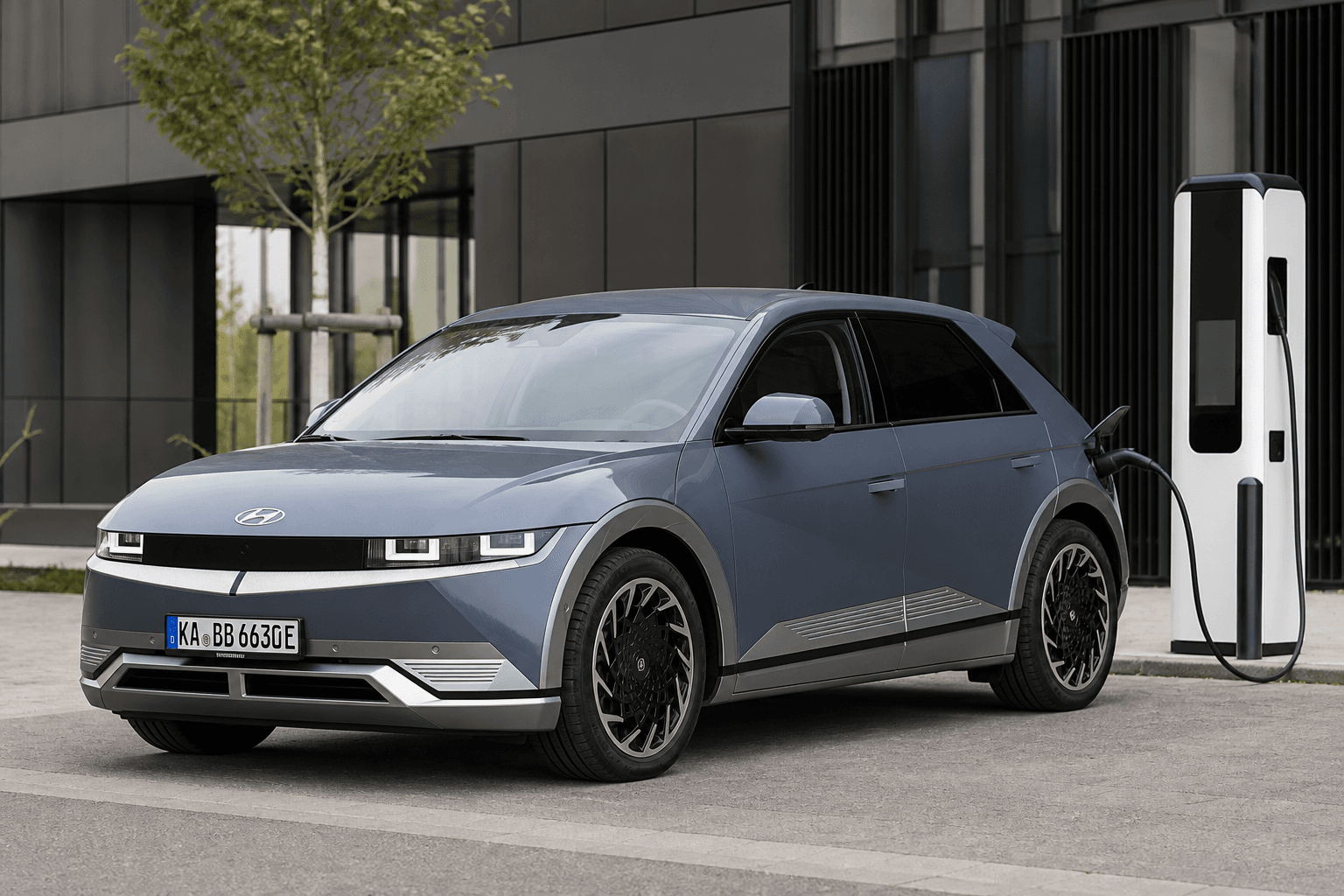
At the same time, the transition to faster-charging architectures is becoming a competitive factor because they also influence battery design, cell chemistry and thermal management. For a more detailed look, our comparison of 800V vs. 400V in electric cars clearly shows why architecture has suddenly become so important for charging times and efficiency.
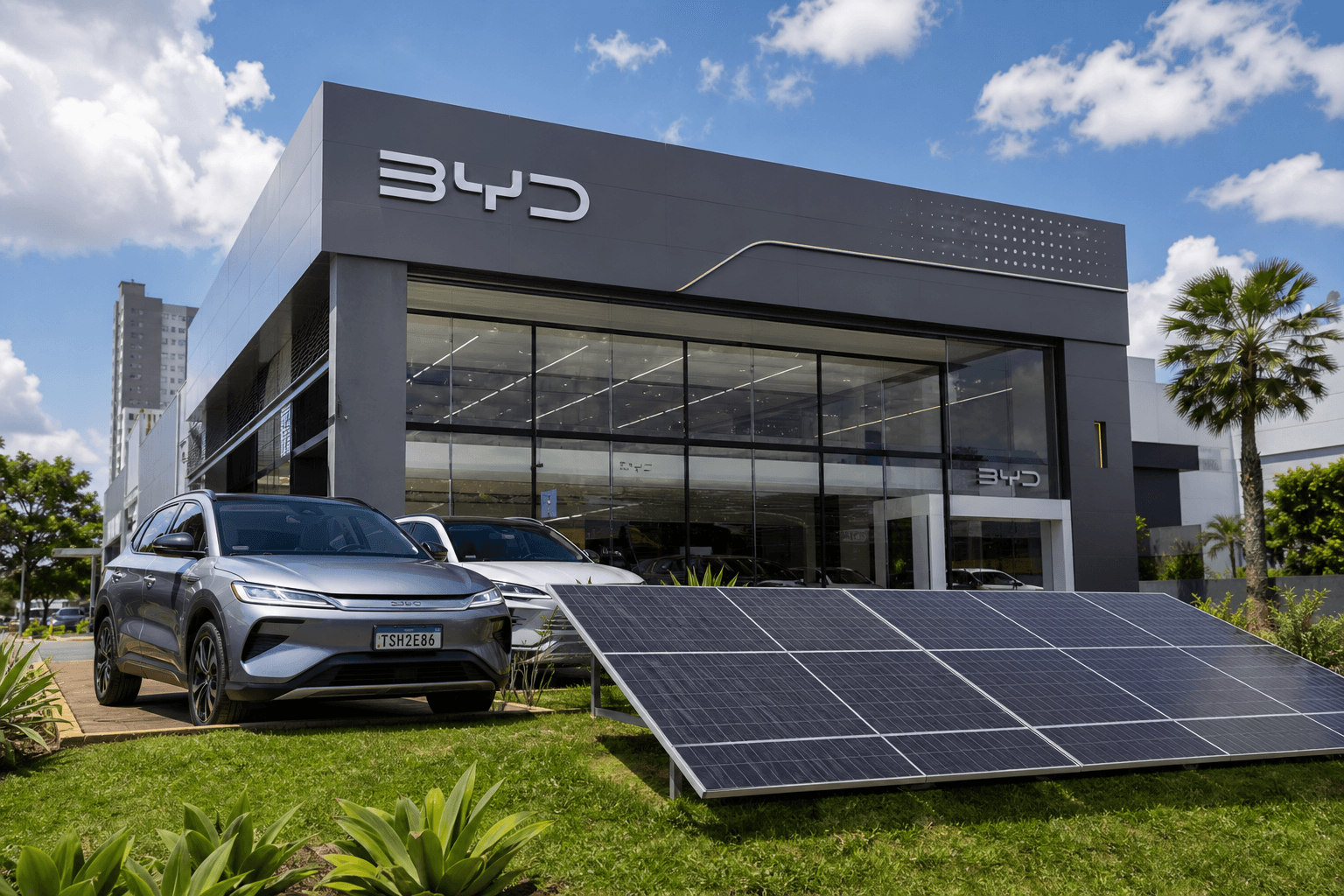
The increasingly aggressive development of new battery and charging claims is also visible at the model level, as demonstrated by BYD’s flash-charging approaches. One example is the BYD Seal 06 with nine-minute charging, which shows just how rapidly cell and system design is currently advancing.
Without battery expertise, Europe risks entering a downward spiral of higher costs, less differentiation and research moving abroad.
Implications for the DACH Region
Germany in particular, with its large automotive industry, is heavily dependent on where value is created. The DACH region refers to Germany, Austria and Switzerland. For comparison, the German automotive industry generates annual revenue of roughly €440 billion. Against this backdrop, a potential €150 billion by 2030 is not a peripheral issue, but a structural risk.
The decisive factor in the coming years will be whether Europe expands the early stages of battery value creation: lithium refining, cathode materials, electrode manufacturing and industrial cell production. If it succeeds, the benefits will extend beyond original equipment manufacturers to suppliers, mechanical engineering companies and research institutions throughout the region.