BYD Puts Plug-in Hybrids Under Price Pressure, and Germany Is Feeling It
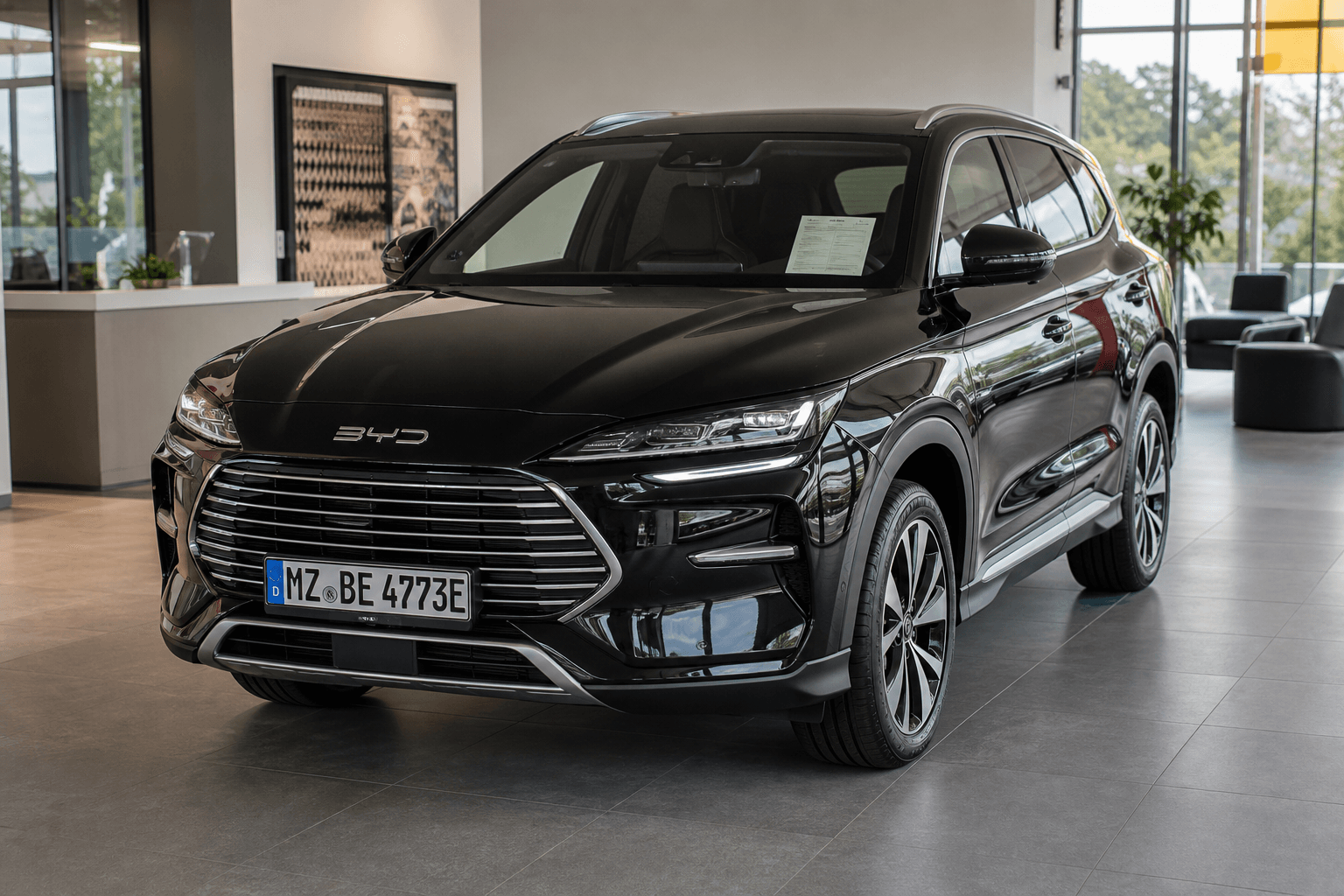
Price competition in Germany’s plug-in hybrid (PHEV) market is becoming noticeably tougher. A recent analysis by the Center Automotive Research (CAR) concludes that BYD is increasing the pressure in two ways: through low list prices and additional discounts that are well above average.
This is not merely a local phenomenon but fits a familiar pattern from China. There, a sharp increase in the number of suppliers has coincided with weaker demand, typically resulting in aggressive price promotions. This dynamic is now increasingly spilling over into Europe, including Germany.
The Figures: BYD Discounts Well Above the Market
This becomes particularly clear when looking at dealership discounts. In August, the 15 best-selling plug-in hybrid models received an average discount of just under 20% off the list price. According to the analysis, two BYD models in this ranking were discounted by 27.5% and 31.8%, respectively.
For comparison, average PHEV discounts stood at 18.2% in March. The trend is therefore upward, and BYD is visibly outpacing its competitors in this respect.
Discounts at a Glance
| Category | Discount Level | Assessment |
|---|---|---|
| Top 15 plug-in hybrids (August) | just under 20% | market average |
| BYD model in the top 15 ranking | 27.5% | well above average |
| BYD model in the top 15 ranking | 31.8% | extremely high discount |
| Top 15 plug-in hybrids (March) | 18.2% | previous average level |
BYD Already Well Ahead in PHEV Registrations
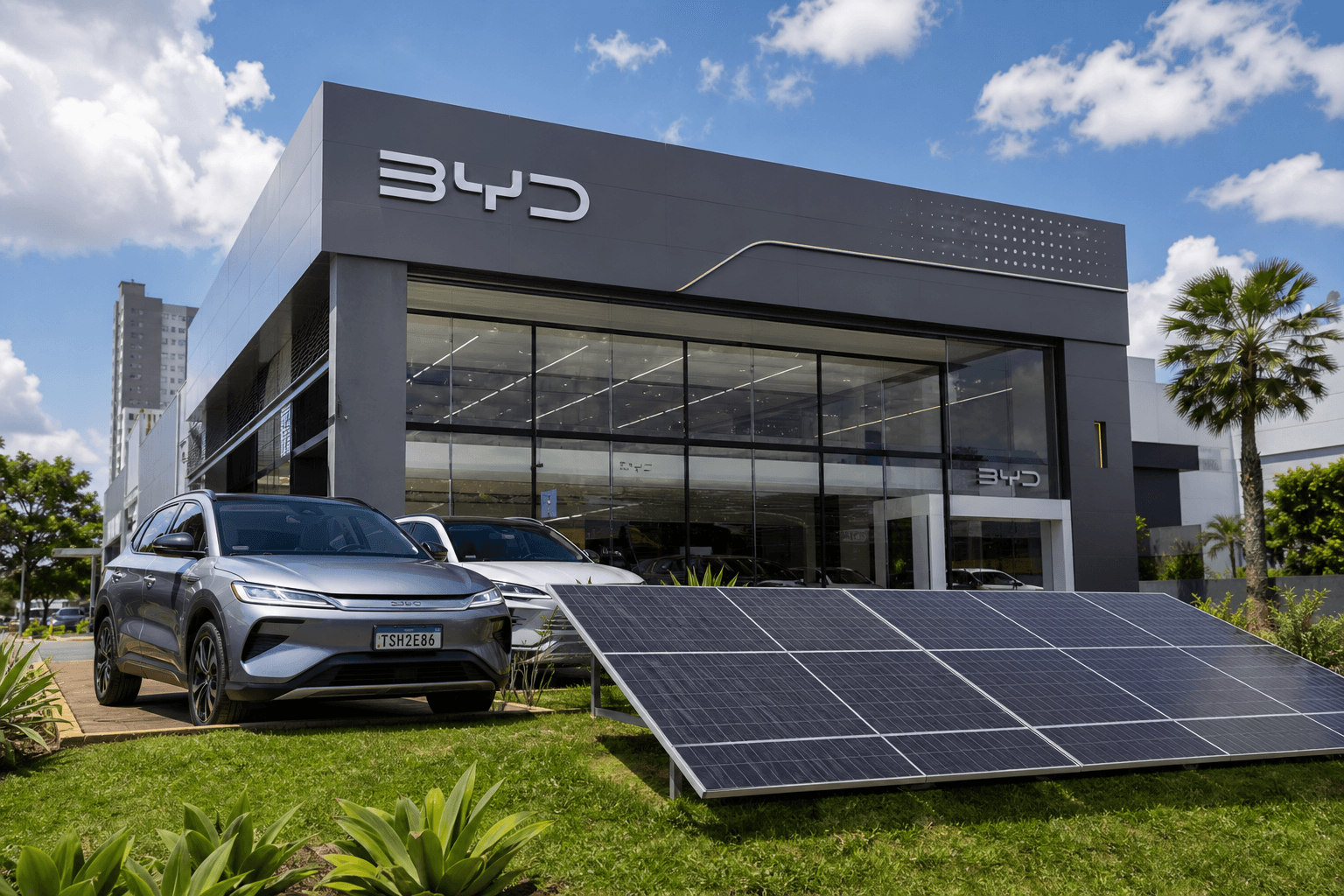
Alongside its price promotions, BYD has secured a strong position in new registrations within the PHEV segment. In July, the manufacturer achieved a 10.7% share of Germany’s plug-in hybrid market, placing it fourth. In May, BYD even temporarily led registrations in this segment, ahead of established brands such as VW, Audi, BMW, and Mercedes-Benz.
For buyers, this sends one clear signal: pricing is currently driving major changes in the PHEV market. Those who are flexible can expect offers well below list price, increasing the pressure on other manufacturers accordingly.
Why Is the Pressure Emerging Now?
One driver is the fierce competition in China. Although BYD continued to record high volumes there in the first half of 2026, the cited market data indicates that it sold just over one million vehicles, around 40% fewer than in the same period of the previous year. During such phases, discounting often becomes a key tool for stabilizing sales volumes.
From a manufacturer’s perspective, it makes sense for this strategy to be particularly evident in Germany’s plug-in segment: for many customer groups in Europe, PHEVs offer the easiest transition because they can cover short everyday journeys on electric power without requiring charging plans for long-distance travel.
Political Response Puts Tariffs on PHEVs in the Spotlight
As price pressure grows, so does the political debate. German Federal Environment Minister Carsten Schneider of the SPD, Germany’s center-left Social Democratic Party, recently raised the possibility of tariffs on plug-in hybrids from Chinese manufacturers, arguing that fair competitive conditions—a “level playing field”—were needed.
An important point of context: the EU has already imposed countervailing tariffs on fully electric cars since the end of 2024. No comparable measures currently exist for plug-in hybrids built in China. If that changes, it would have a direct impact on pricing, regardless of whether a manufacturer is already offering substantial discounts.
And What Is Happening with EVs and Combustion-Engine Cars?
Interestingly, discounts in other segments have recently edged down. Among the 25 best-selling electric models, the average discount in August was 17.4%, marginally lower than in July. For the most popular combustion-engine cars, the average discount was 18.9%, also representing a slight decline.
According to the analysis, the price gap between electric and combustion-engine cars has also recently widened to more than 2,000 euros, after standing at 1,328 euros in December 2025. One reason cited is that manufacturers are partly using the German government’s EV purchase incentive, which has been in effect since the beginning of the year, to reduce their own discounts on electric cars.
What Does This Mean If You Are Currently Looking for a Car?
If you are specifically looking to buy or lease a plug-in hybrid, this is a time when negotiating may be particularly worthwhile. High discounts indicate that manufacturers and dealers want to boost sales volumes, often shifting actual market prices faster than online configurator prices would suggest.
If you would actually prefer to drive an EV, however, it is worth looking beyond PHEVs: in many cases, the price difference can be offset in everyday use through running costs and convenience, depending on your driving profile and access to charging. If you are unsure, you can also find our assessment of everyday range concerns here: EV Range Anxiety.
Related Context from the EV World
- A look at cell chemistry and availability shows how strongly LFP now shapes the market: China’s Battery Market: LFP Dominates
- If you are interested in how an EV battery holds up over many miles, this long-term review is helpful: VW ID.3 After 220,000 km
- For direct model context on BYD in the German market: BYD Seal U
High PHEV discounts are currently the fastest lever in the market, and BYD is clearly using them consistently.