VW ID Aura T6: New electric SUV for China with Xpeng technology
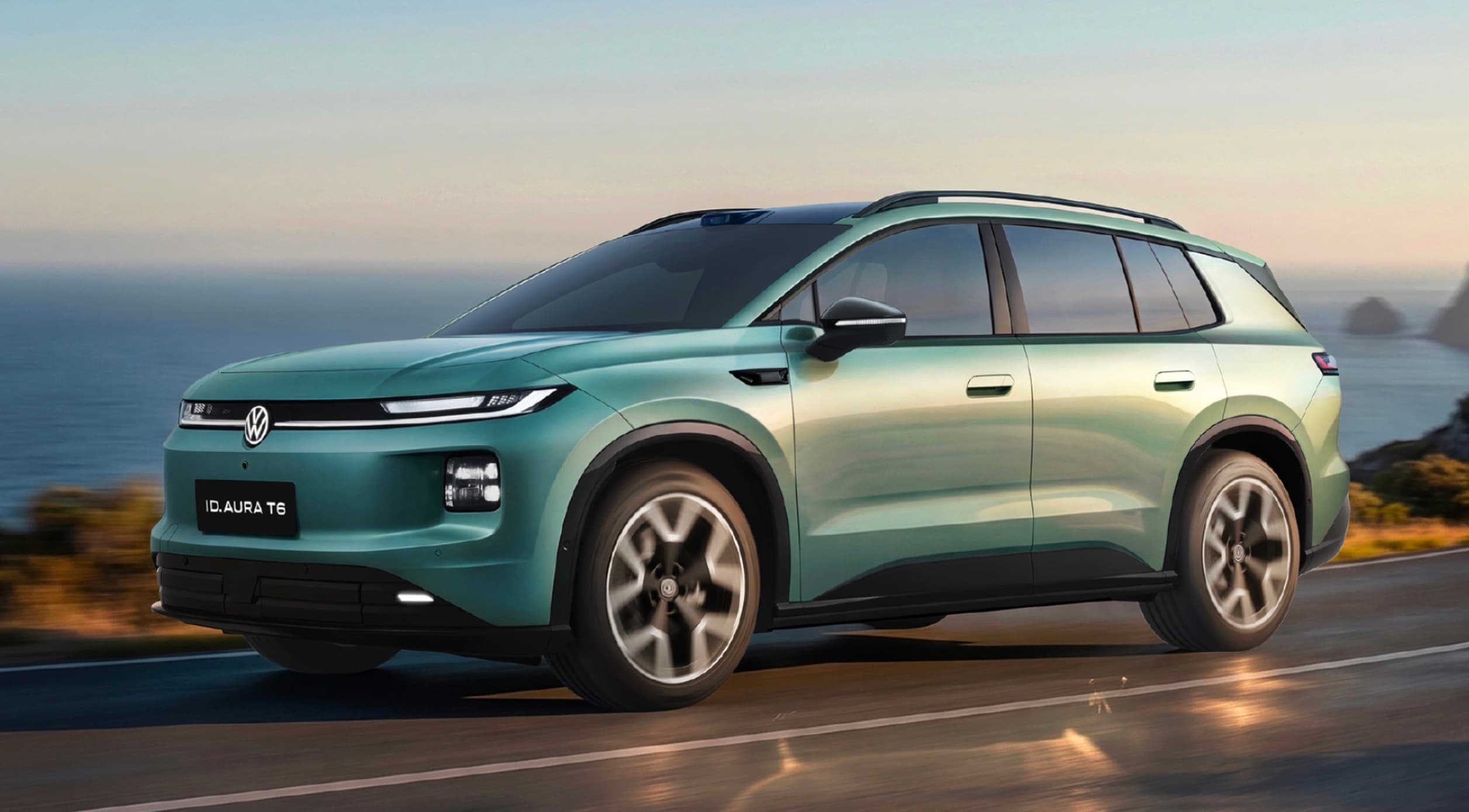
Volkswagen is adding a new electric SUV to its lineup in China: the ID Aura T6. What makes it exciting is not any single standout specification, but the combination of a new platform, clearly defined size class and a price that would not be feasible in Europe. That still makes the model interesting for Germany, Austria and Switzerland (the DACH region), as VW is apparently assessing whether such China-developed vehicles could eventually be suitable for other markets as well.
At the same time, VW is working on new SUVs for Europe, such as the ID Tiguan and the smaller ID Cross. While the VW ID. Tiguan with MEB+ technology is conceived as more of an evolutionary step for this market, the ID Aura T6 feels like a faster project tailored more closely to the local Chinese market.
Size and positioning: Above the ID.4, close to the premium segment
At 4.8 m long, the ID Aura T6 is significantly larger than an ID.4, placing it in a vehicle class where VW currently has a gap in Europe. Above the ID.4 and ID.5, the company currently lacks a true electric SUV with greater presence and more space. That is apparently why discussions are taking place behind the scenes about whether a transfer to Europe would be possible in principle, although nothing has been confirmed.
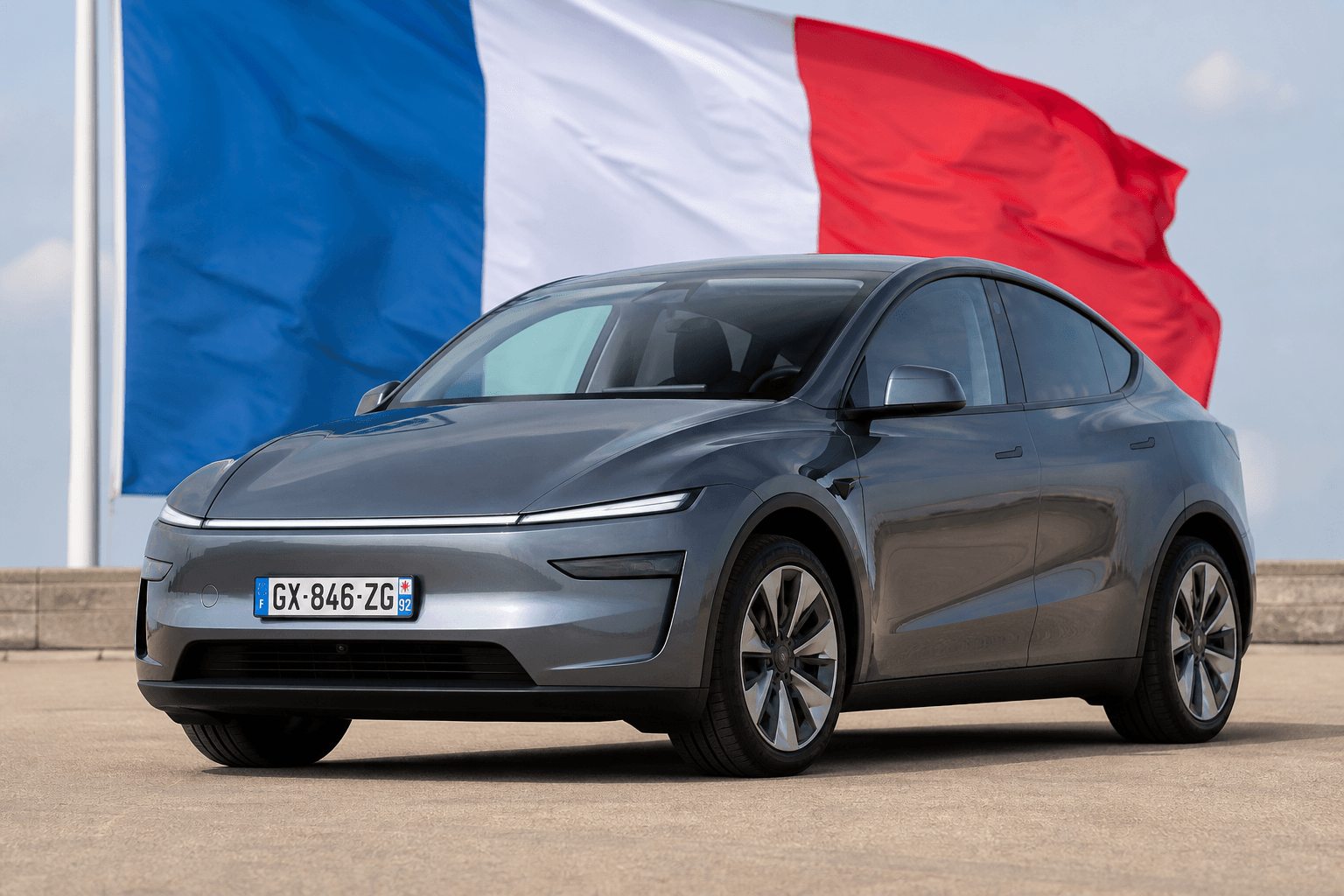
The size class is also relevant when compared with competitors: the Tesla Model Y is likewise a large, family-friendly SUV and a high-volume model in Europe. With a larger SUV positioned above the ID.4, VW could capture some of this demand if the price, efficiency and charging performance are right.
Platform with Xpeng, but a deliberately “conventional” powertrain
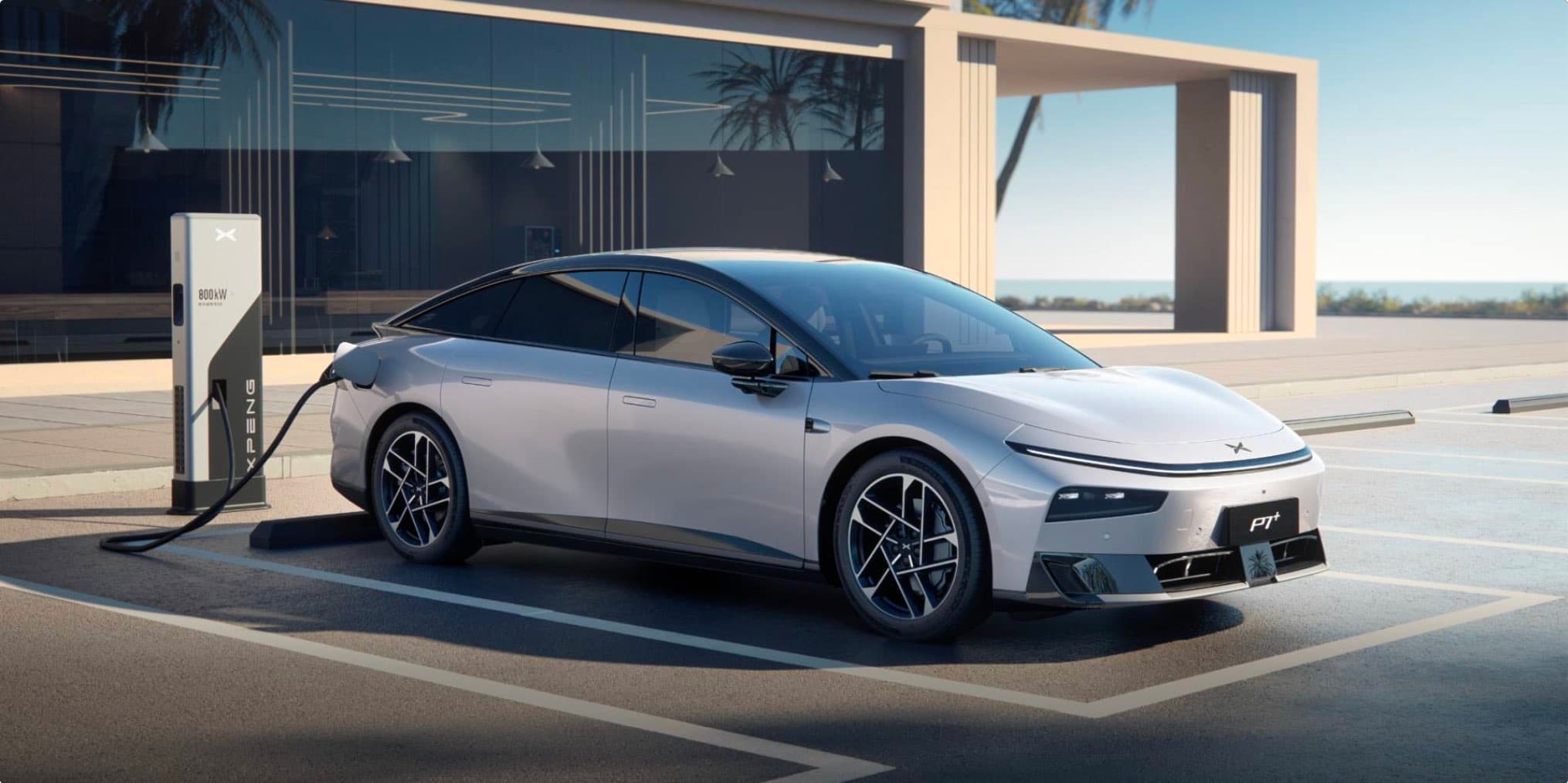
The ID Aura T6 is based on a current platform developed jointly by Volkswagen and Xpeng. This is strategically interesting because partnerships in China can accelerate development and reduce costs. Ideally, that means shorter model cycles and more competitive prices in one of the world’s toughest electric-car markets.
However, the initial battery and powertrain specifications clearly target the mass market: a battery with a maximum capacity of 77.5 kWh and initially 231 hp (around 170 kW). That is more than adequate for everyday use, but it is not a performance statement. If VW actually wanted to position this vehicle in Europe as an “SUV above the ID.4,” the overall package of equipment, charging performance and model variants would probably need further refinement.
Interior and storage: Family focus rather than a packaging marvel
VW is taking the expected approach to packaging: plenty of utility without promising record-breaking figures. The specifications include 576 liters of trunk capacity plus a 90-liter frunk. That makes the ID Aura T6 appear more practical than an ID.4, but not like a radically reimagined use of space.
For families, that may be exactly enough: a large trunk, additional storage at the front and the typical elevated SUV seating position. Whether it also impresses in practice when charging and on long journeys will mainly depend on charging power, energy consumption and thermal management. No reliable, comprehensive data on these aspects is available yet.
The headline price applies only to China
The most striking aspect is the market price: in China, the ID Aura T6 is expected to start at the equivalent of less than €20,000. That sounds spectacular to European buyers, but it is typical of the Chinese EV market, where intense competition, local supply chains and different cost structures push prices down.
An important point for the DACH region: a direct “China price” would be almost impossible to maintain here because of taxes, type approval, logistics and potentially tariffs. Nevertheless, the model shows how aggressively VW has to price its vehicles in China and how partnerships such as the one with Xpeng can help it deliver a competitive product more quickly.
Why this could be interesting for VW in Europe
- Size class above the ID.4 to fill a gap in the lineup
- Faster development pace through Chinese platforms and partnerships
- Pressure to deliver value for money in response to an increasingly competitive electric-car market
Anyone interested in how strongly vehicle architecture and charging configurations shape everyday use can also read our overview, 800V vs. 400V: Which electric-car architecture will you need in 2026?. This would be a crucial factor in any potential transfer to Europe, where fast charging and long-distance performance are given considerably more weight than in many Chinese usage scenarios.