Recall in China: Geely replaces LiDAR sensors in around 93,000 vehicles
Geely has announced a recall in China for a total of 92,915 vehicles. The reason is a potential defect in the LiDAR that could cause driver-assistance functions to fail, not activate, or fail to reliably detect unusual objects while in operation. According to the recall plans submitted to the responsible authority, the measures will take effect on August 24.
Important context for the DACH region—Germany, Austria, and Switzerland: This is a recall being carried out in China and affects specific model ranges from the Geely Group. Recalls due to sensor or supplier issues are not unusual in the industry. What matters is the remedy, and that is clearly defined here.
Which models are affected, and when were they produced?
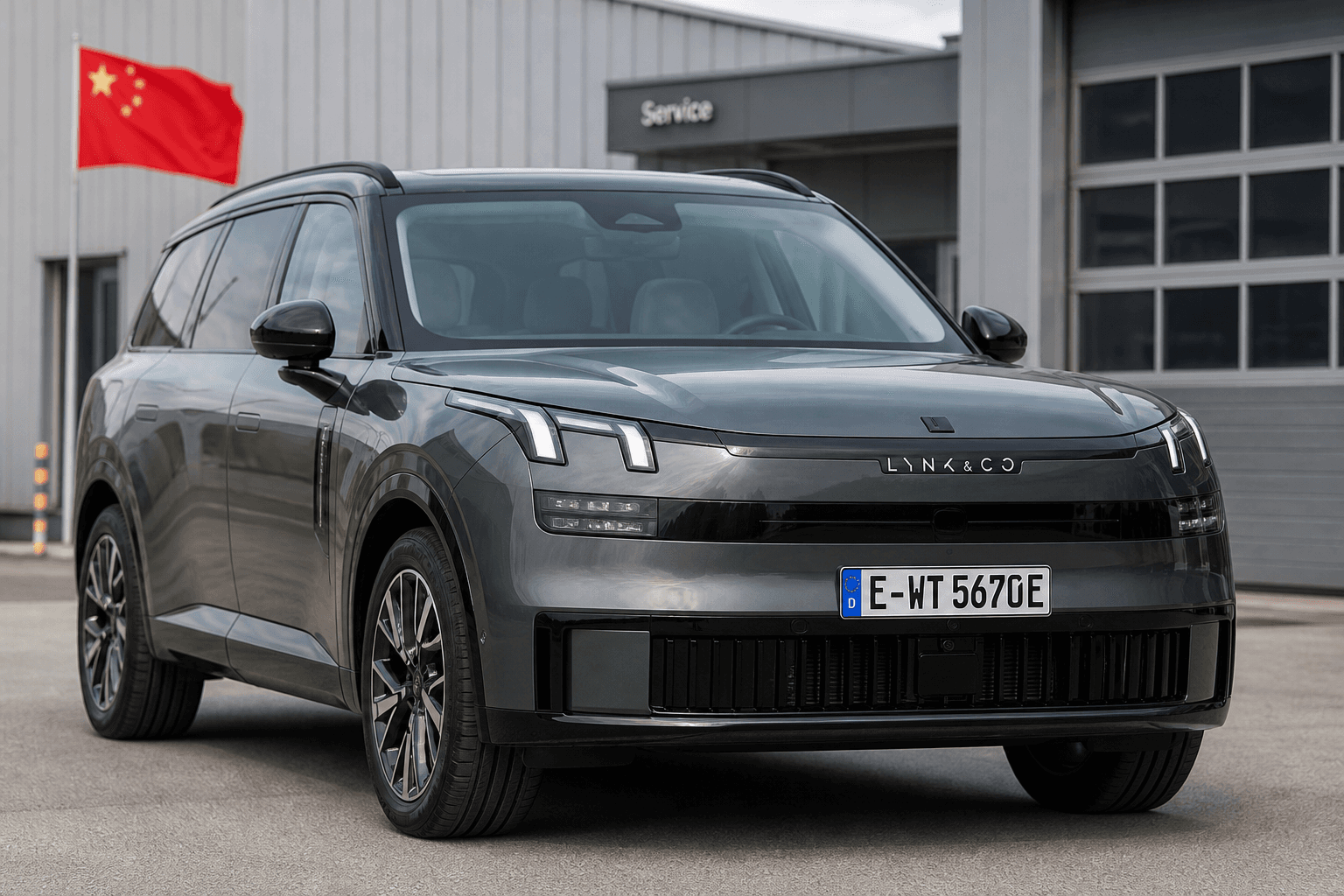
The recall covers vehicles from the 2025 production year, grouped into two batches. One model from the Geely Galaxy range and several Lynk & Co vehicles are affected.
| Recall batch | Models | Production period | Number of vehicles | Potential impact |
|---|---|---|---|---|
| 1 | Geely Galaxy M9 (plug-in hybrid SUV) | July 20 to October 26, 2025 | 18,878 | Assistance systems may fail to start or may exit the operating mode |
| 2 | Lynk & Co 900, 10 EM-P, 07, 08 | January 8 to December 10, 2025 | 74,037 | Unusual objects may not be detected adequately when assistance is active |
What exactly is the problem with the LiDAR?
Geely says the cause is a process deviation at a supplier that can damage the power chip (power IC) inside the LiDAR unit. Put simply, if the sensor’s power supply does not operate reliably, the LiDAR may fail or enter an error state.
Depending on the system architecture, LiDAR is a key component for detecting the vehicle’s surroundings. If it fails, the vehicle must either deactivate the assistance functions or switch to a degraded operating mode. Drivers will generally see a warning message, and certain assistance features may only be available to a limited extent.
The remedy: free replacement plus cloud-based early detection
Geely will replace the affected LiDAR units free of charge. The group also plans to use a cloud platform to detect early diagnostic signals, flag potentially affected vehicles in advance, and proactively invite owners to service centers.
Vehicles in which the relevant component has already been replaced should not require another replacement.
Why the issue came to light: owner warnings as early indicators
Even before the official recall, a growing number of real-world reports emerged in China. Owners of individual models reported recurring warnings, including a front LiDAR fault and restrictions on assistance functions. The formal recall followed shortly afterward, with a clear description of the defect and a replacement program.
Context: Assistance systems are only as good as their sensors
The case illustrates how heavily modern assistance systems depend on reliable sensor hardware and stable supply chains. With LiDAR in particular, a single component can act as a “single point of failure” if the system responds conservatively to sensor faults and shuts down functions.
This is not limited to Geely: Other manufacturers also repeatedly issue recalls involving safety-related components, from door mechanisms to sensors. In practice, what matters most is that manufacturers communicate transparently, provide a clear remedy, and quickly return the vehicles to a stable condition.
Related context: Driver assistance compared across the market
During the same period, recalls from several manufacturers were filed in China on the same day. This highlights how recalls there often occur in clusters because supply chains and components are shared across the industry. Tesla should not be viewed as an exception: Tesla also generally addresses problems through service campaigns, software updates, or component replacements, depending on the cause and the component affected.