Bentley Adjusts Its EV Strategy and Sticks With the V8
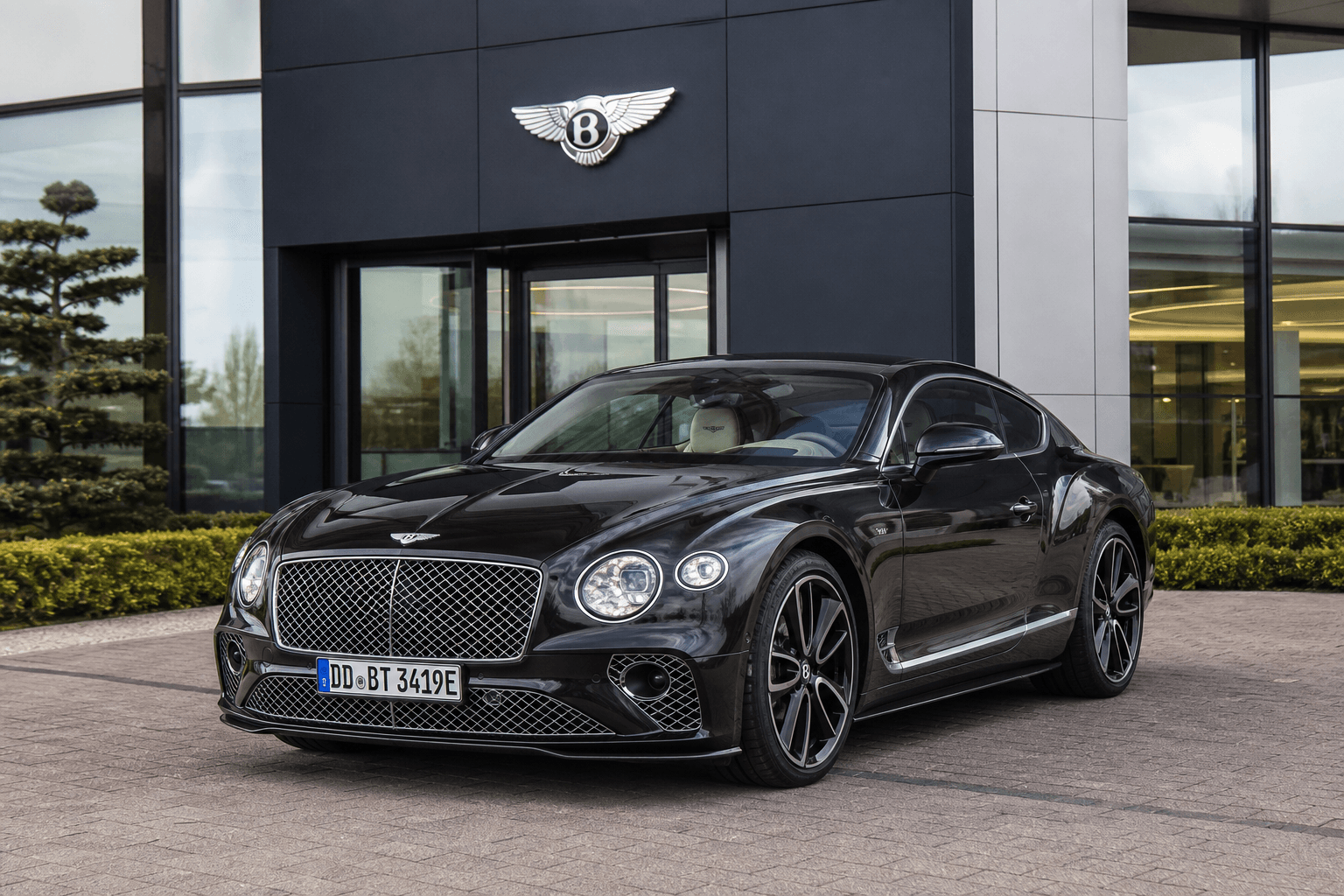
In the luxury segment, electric mobility has long since become a question not just of technology, but of identity. Under CEO Frank-Steffen Walliser, Bentley is now setting clearer priorities: a slower pace toward full electrification, coupled with a stronger focus on tradition, sportiness and financial independence.
In concrete terms, this means Bentley intends to continue offering models with pure internal-combustion powertrains and to preserve the eight-cylinder engine as a cornerstone of the brand. At the same time, the brand aims to remain technologically competitive, including in software, electronic architecture, batteries and charging times.
Six-Cylinder Out, V8 Stays, and Plug-In Is More a Means to an End
According to Walliser, the last six-cylinder engine will disappear from the lineup because demand is virtually nonexistent. The V8, by contrast, is here to stay and will continue to deliver what Bentley buyers associate with the brand.
While plug-in hybrids are accepted, Walliser says they are rarely at the top of customers’ wish lists. This is an important consideration for product planning: Bentley wants to continue designing future model lines so that a conventional internal-combustion variant remains possible, with electrified options added depending on the segment and customer profile.
Technology Update: Electric Turbocharger as the Next Step
Walliser identifies the electric turbocharger as the next major technological development. The core objective is to improve throttle response and reduce delays in building boost pressure. This direction is not new within the wider corporate group and is already being used in similar form in sports-car applications.
Torcal to Remain Bentley’s Only EV Until 2030
For EV enthusiasts, the most important statement is this: The Torcal will remain Bentley’s only battery-electric model until 2030. Another fully electric vehicle is not expected until after that. Walliser expects the breakthrough for battery-electric vehicles, or BEVs, to come later, particularly for sports cars and traditional grand tourers.
His reasoning is understandable from a brand perspective: A GT is designed for long journeys and substantial range at high speeds, including quick stops along the way. While technology is making this increasingly feasible, vehicles in this class require particularly compelling charging performance and a cohesive overall experience, not merely impressive specifications.
If Bentley launches a second BEV, another SUV would appear more likely, as that type of usage profile is often better suited to electric mobility. Bentley does not intend to introduce an entry-level model below the Torcal.
Design Debate: EVs No Longer Have to “Look Different”
Walliser counters criticism that the Torcal is too conventional for a luxury brand by pointing to a trend also evident in Germany, Austria and Switzerland: Electric cars have entered the mainstream. In the past, many early adopters wanted a visibly different design; today, many buyers prefer the opposite.
The message from customers is clear: An electric Bentley should look and feel like a Bentley, not like a design experiment. This resonates in the luxury segment, where brand image and recognizability are often more important than visual differentiation.
“Value Over Volume”: Value per Car Instead of Sales Targets
Walliser is sticking to a principle familiar from other luxury segments: Value over Volume. He rejects fixed volume targets such as 25,000 vehicles per year, arguing that the value generated per car is what matters. At the same time, he believes the global pool of potential buyers is growing as overall wealth increases.
The bigger challenge is not so much money, but whether the next generation will still be strongly interested in cars at all. That is precisely why Bentley is focusing on rejuvenating the brand, reaching new target groups and adopting a more modern approach to communication.
Three Pillars of the Realignment
The strategy is built around three pillars: product, image and company. Through its price positioning, the Torcal is intended to attract younger buyers to the brand. A particularly sporty halo project, the Supersports, is in turn designed to appeal to customers who have previously viewed Bentley as not “exciting” enough.
At the corporate level, the focus is on speed and flexibility: keeping costs under control, responding more quickly to market changes and shortening development times. In a world where software and EV platforms dictate update cycles, this is a genuine competitive factor.
Differentiating Itself From China and the BEV Hype: Craftsmanship Plus Tech, Not Just 0 to 100
To distinguish itself from new and often highly technology-driven manufacturers, Bentley is emphasizing its origins, history and craftsmanship. Importantly, Walliser does not define craftsmanship solely in terms of leather and wood, but also includes body construction, electronics and attention to detail.
His criticism of the narrow focus on performance is also noteworthy. Whether a car accelerates to 100 km/h in 2.5 or 1.9 seconds is not a deciding factor for many customers, he says. Electric cars make a great deal technically possible, but not everything results in a better car. For Bentley, the emotional driving experience is what counts, and that must continue to work in an electrified future.
What This Means for the DACH Market
For Germany, Austria and Switzerland—the DACH market—Bentley’s direction is above all a sign of how differently premium brands are timing the transformation. While many manufacturers are accelerating their EV pipelines, Bentley is placing greater emphasis on a transitional phase involving internal-combustion engines and selective electrification. This is risky if regulations and the market shift more quickly, but it could work if customers expect precisely this kind of continuity.
Anyone who also wants to see how differently “EV strategy” is interpreted today can find examples from the performance and range segments in our 2026 range ranking featuring EVs with more than 900 km of WLTP range. And if you are interested in the charging architecture behind the scenes, 800V vs. 400V: Which EV architecture you need in 2026 provides the relevant technical analysis.
Bentley is betting on continuity: The V8 remains at the heart of the brand, while the Torcal will carry the BEV banner alone until 2030.
Key Points at a Glance
- The V8 stays, while the six-cylinder is being discontinued.
- Internal-combustion variants remain part of the plans for future models.
- The Torcal will remain Bentley’s only fully electric model until 2030, with a second BEV to follow later.
- An electric turbocharger is identified as the next technological step.
- Value over Volume: value per vehicle rather than sales targets, alongside a focus on younger customer groups.