Tesla releases additional European safety data for FSD (Supervised)
Tesla has published new European safety figures for Full Self-Driving (Supervised), or FSD (Supervised). The system currently has regulatory approval in the Netherlands, Denmark, Belgium, Estonia, and Lithuania. According to Tesla, it is now used by more than 70,000 drivers in those countries, collectively covering more than one million kilometers per day.
Relevant to the EU context, approval for advanced assistance features in Europe relies much more heavily on formal regulatory processes than it does in the US, for example. Tesla is now making some of the safety evidence submitted for this process publicly available, also sending a signal ahead of a possible EU-wide decision that could come in October.
What Tesla specifically claims: Fewer crashes and less emergency braking
The key metric cited by Tesla is that the likelihood of a crash is 4.1 times lower with FSD (Supervised) than with manual driving, measured per 100 million kilometers on public roads in the EU. Tesla has also published detailed figures for 2025 based on more than three billion kilometers driven.
| Metric according to Tesla | Change with FSD (Supervised) vs. manual driving | Context |
|---|---|---|
| Likelihood of a crash (EU, per 100 million km) | 4.1 times lower | Aggregated safety metric dependent on comparison groups and usage profile |
| Serious crashes on motorways | down 45% | Motorways are often more suitable for assistance systems because of clear markings and predictable traffic flow |
| Serious crashes on federal highways | down 69% | Large reduction, but it reveals nothing about absolute case numbers |
| Serious crashes in urban traffic | down 50% | Urban driving is complex due to right-of-way rules, crossings, and mixed traffic, making this particularly relevant |
| Serious crashes on secondary roads | down 40% | Varied road types, with results highly dependent on regional infrastructure |
| Automatic emergency braking events | down by up to 84% | Could indicate fewer critical situations, but may also reflect changes in driving behavior |
| Hard braking events | down by up to 81% | A relevant indicator of everyday comfort and safety |
| Minor lane-change collisions avoided | Motorways: 99%; elsewhere: 93% | Lane changes are a typical assistance scenario in which sensors and gap selection are crucial |
Fleet data, scenario testing, and “Supervised”: The important qualifier
According to Tesla, its findings are based on 377 million vehicle maneuvers from fleet operations. The company also cites more than 230,000 scenario tests across several countries, with a 98% success rate, including in rain and fog as well as during the day and at night.
Tesla also says that events attributed to driver fatigue were reduced by 67% on motorways with FSD (Supervised). According to Tesla, the system also travels at or below the speed of surrounding traffic 98% of the time.
Important in practice: FSD (Supervised) is not autonomous driving. It is an assistance system that requires constant driver supervision.
Why this matters to EU drivers
For drivers in the German-speaking DACH region—Germany, Austria, and Switzerland—the topic is particularly interesting for two reasons. First, if broader EU approval does materialize, it could significantly simplify the feature set and its availability. Second, the published dashboard and metrics show what kind of evidence may also be expected from other manufacturers in the future.
The everyday impact of broader approval would be simple: more routes on which the assistant can legally be used and fewer restrictions at national borders. At the same time, European regulations and liability issues remain a key framework, and Tesla cannot simply activate FSD (Supervised) everywhere “with a software update” if regulatory approval is lacking.
Assessment: Strong figures, but context always matters
The published figures sound impressive, but they should be read carefully. Fleet statistics depend heavily on where and how a system is used, as well as which journeys are classified as “manual” for comparison. Nevertheless, Tesla’s move to provide greater transparency around the material used for regulatory approval is significant.
For a deeper look at Tesla’s current driver-assistance strategy, our preview of Tesla FSD v15 and HW4 covers the next stages of development. And if you are interested in how a Tesla performs in efficiency testing, take a look at the range and efficiency test of the Tesla Model Y Standard.
For technical background on fast charging and vehicle platforms, our comparison of 800-volt vs. 400-volt EV architectures is also relevant, even though it covers a different topic. Ultimately, what matters in everyday use is which technology measurably reduces stress and which merely looks good on paper.
Which Tesla models benefit?
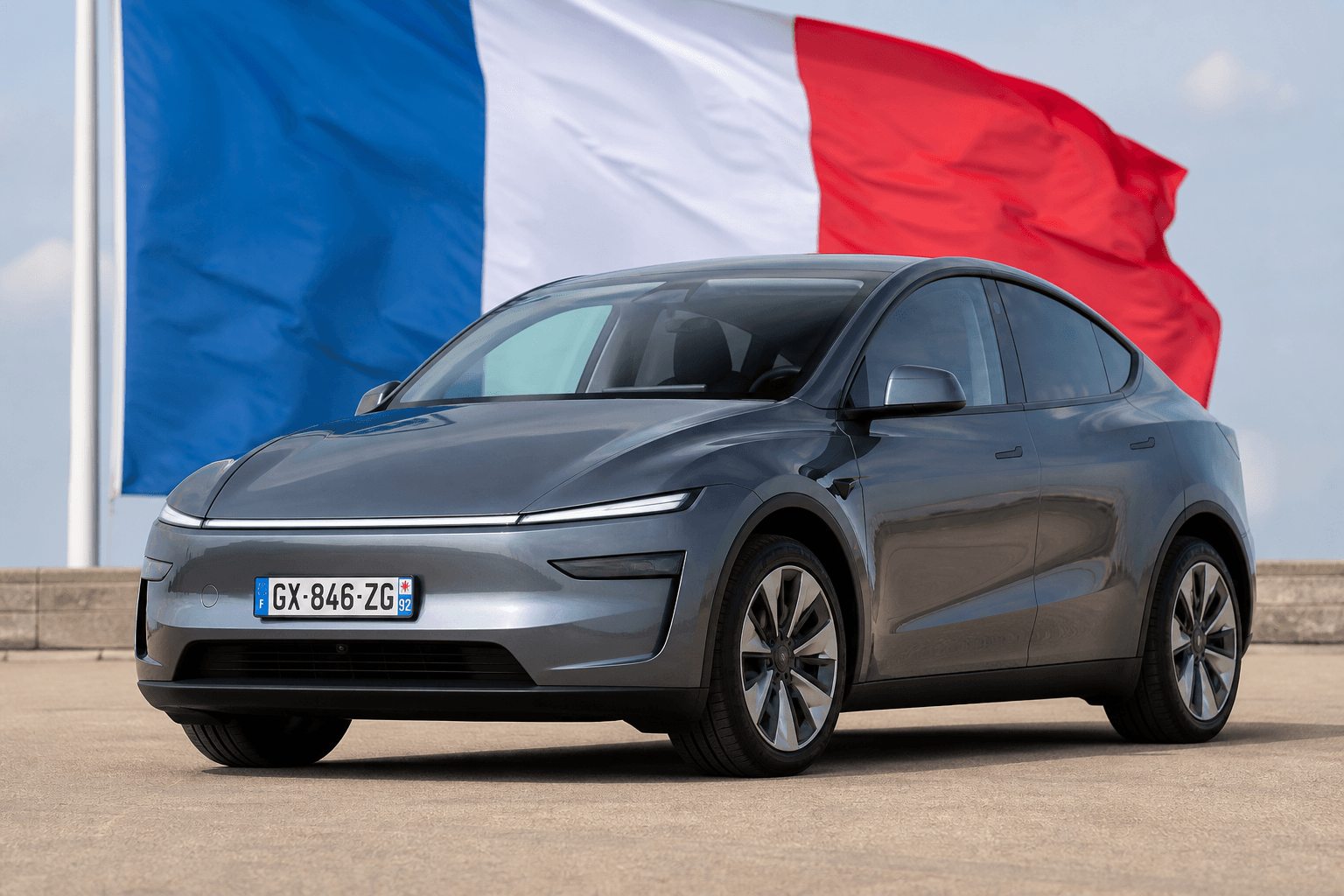
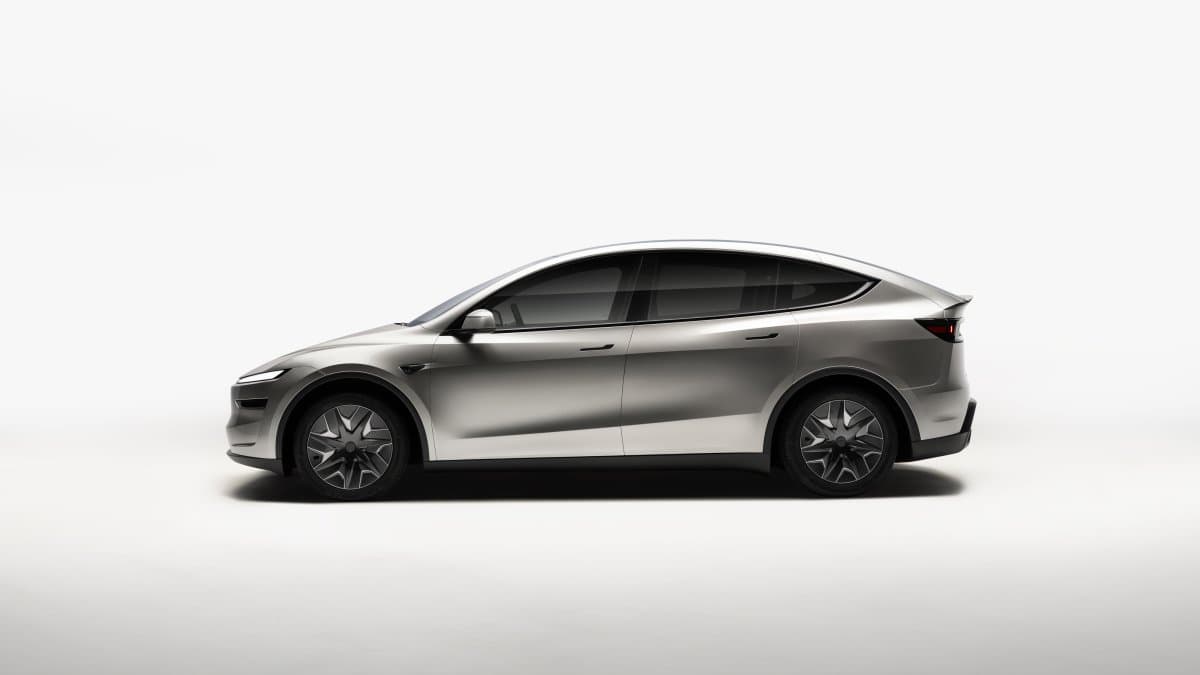
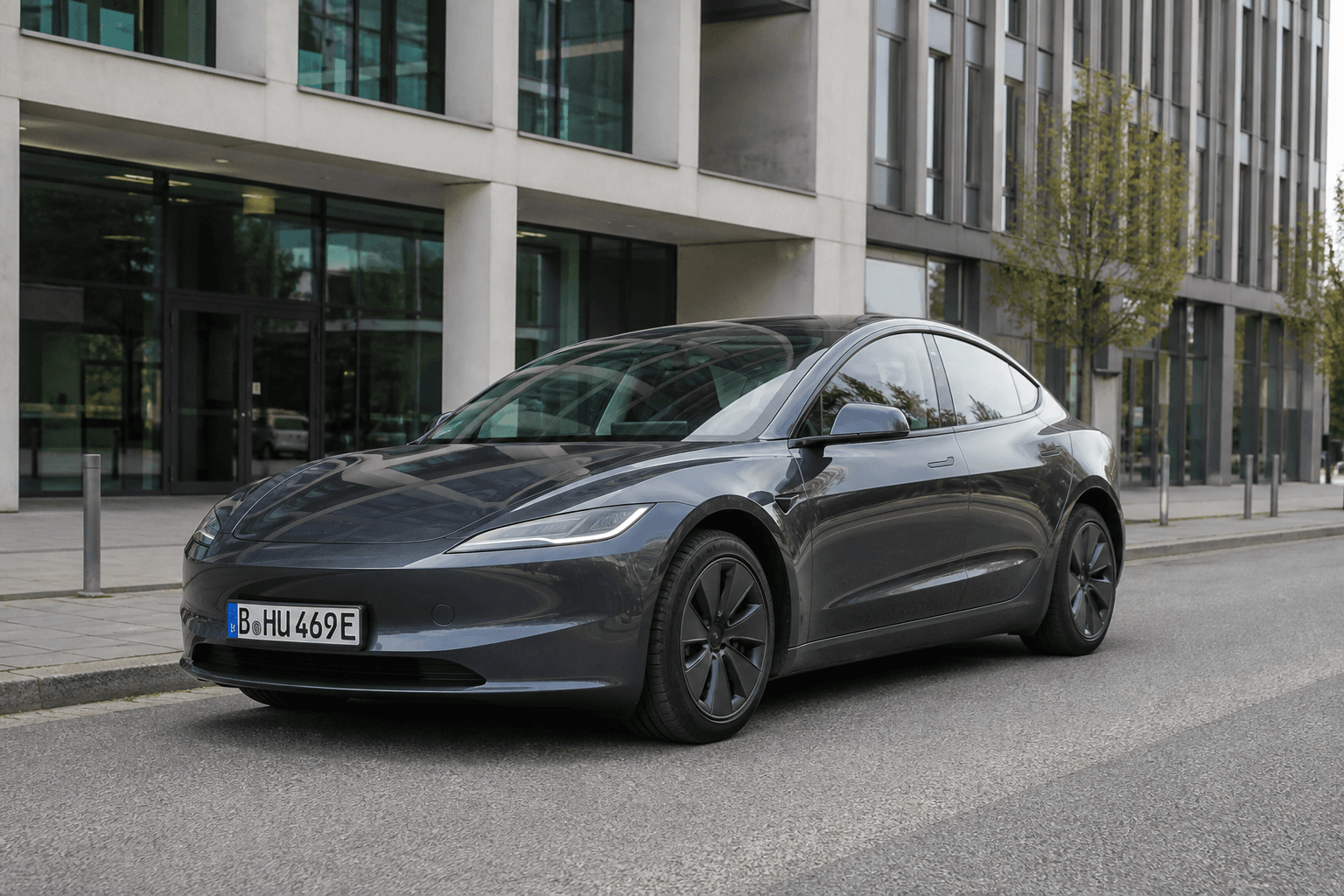
FSD (Supervised) is a software package that can be used depending on the vehicle configuration and regional approval. In practice, it is particularly relevant to high-volume models such as the Tesla Model Y and the Tesla Model 3, as they have the largest user bases and therefore generate the most fleet data.