Strong Deliveries but a Bottom-Line Loss: Voyah’s H1 2026 at a Glance
Voyah, the premium electric vehicle brand of China’s Dongfeng Group, recorded strong growth in the first half of 2026 but slipped into the red financially. Revenue rose to 18.16 billion yuan, up 42.4% year over year. At the same time, the company reported a net loss of 389 million yuan, after posting a profit of 460 million yuan a year earlier.
The key message is typical of China’s current EV market: Growth through higher unit sales is possible, but it is not automatically profitable. In the premium segment in particular, new competitors and price wars are squeezing margins, while material prices are not always falling at the same pace.
Margins Under Pressure: Why Higher Revenue Is Not Enough
Voyah’s gross profit rose to 3.22 billion yuan, but grew much more slowly than revenue. Its gross margin stood at 17.7%, around 3.7 percentage points lower than in the same period last year. The bottom line is that scaling helps, but some of those gains are being eroded by cost inflation.
Voyah primarily attributes this to higher prices for raw materials and components, including lithium carbonate and memory chips. Softer consumer demand and more intense competition are also making it harder to pass price increases on to buyers or improve the cost structure quickly enough.
Delivering more vehicles is one thing; defending stable margins in an aggressive market is another.
76,264 Deliveries: Growth, Yes—Profit, Not Yet
Operationally, Voyah continues to perform: Deliveries rose to 76,264 vehicles in the first half of 2026, an increase of 35.9%. This growth brings higher volume and, in principle, a better allocation of fixed costs, but the figures also show that cost pressures currently outweigh the benefits of scale.
Notably, Voyah reported positive operating cash flow despite the loss. Net cash flow from operating activities rose to 208 million yuan. That is no guarantee of success, but it marks an important distinction between an accounting loss and the company’s liquidity position.
New Models and Premium Pricing: Voyah Seeks to Upgrade Its Sales Mix
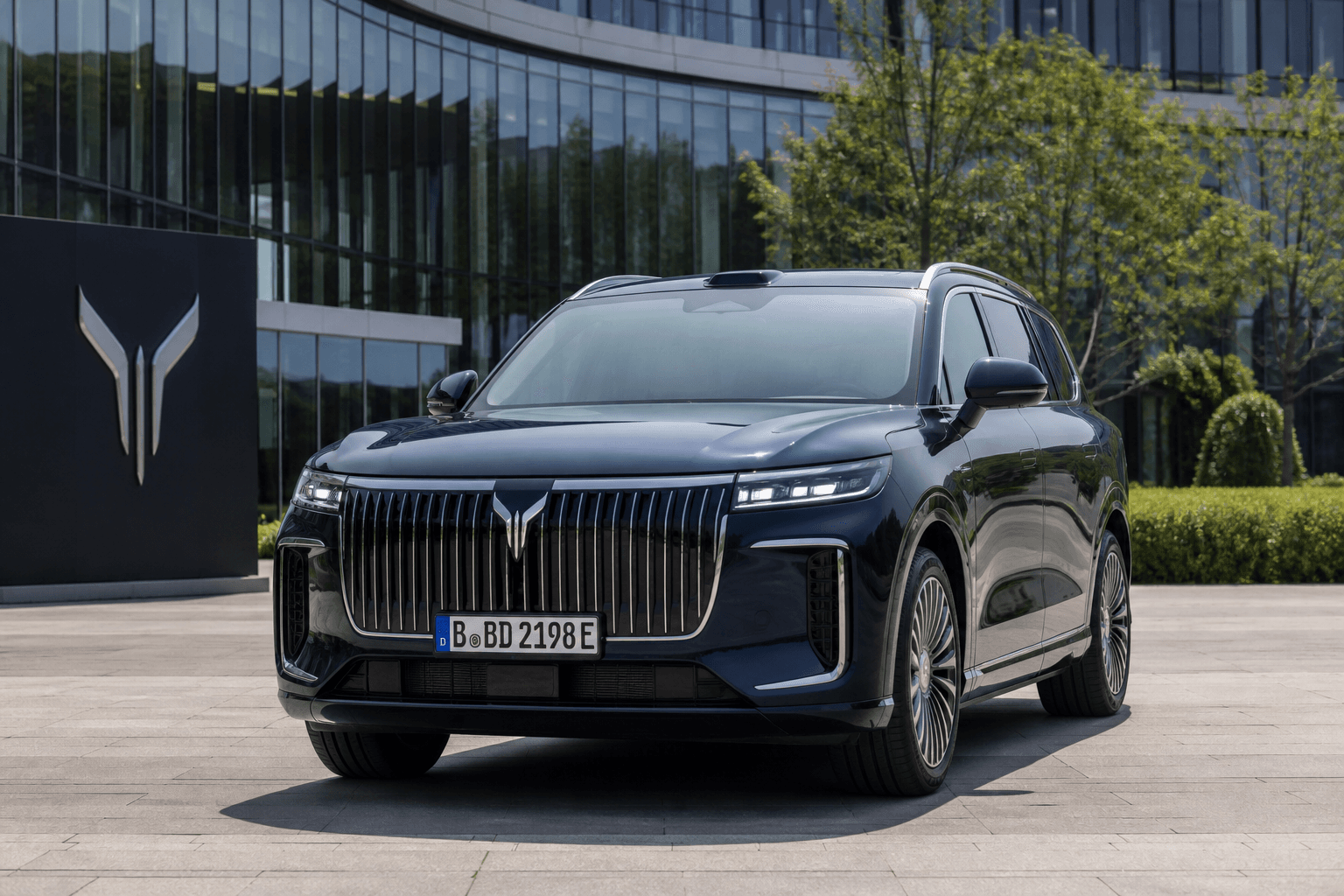
Voyah expanded its premium portfolio in the first half of the year, including with new variants and a new SUV. The goal is clear: a stronger model mix with a higher average selling price, typically in the range of 300,000 to 500,000 yuan. However, competition in this segment is particularly fierce in China, as many automakers use features and software to position themselves rapidly as “premium.”
Additional new products have been announced for the second half of the year. A new model was launched in mid-August, while a larger van in the 500,000-yuan segment is also planned for the second half. Whether this supports margins will ultimately depend on how strongly demand develops and whether material costs and pricing pressure remain elevated.
Network Expansion: Sales, Service, and Fast Charging Grow Alongside the Brand
Alongside its product portfolio, Voyah is expanding its infrastructure and market presence. By the end of June, the brand had 509 sales locations in 170 Chinese cities. It also operated 138 of its own ultra-fast charging stations across 32 cities.
This is what matters in everyday use: A company aiming to sell premium vehicles must also consider the charging and service experience. In China especially, where charging speed, charger availability, and software convenience have become genuine purchasing criteria, a proprietary network can help build customer loyalty.
International Expansion: 40 Markets, With Europe as the Next Step
Voyah is also becoming more active outside China. By the end of June, the brand was represented in 40 countries and regions and reported more than 240 overseas sales locations. Most recently, it entered the Saudi Arabian market with showrooms in two major cities.
Greater involvement in Europe is conceivable in the longer term, including through discussions about a potential sales partnership. For the DACH region—Germany, Austria, and Switzerland—the decisive factors will be homologation, pricing relative to established premium providers, and a compelling charging ecosystem. Without a competitive charging strategy, it will be difficult to build volume quickly in these markets, even with strong vehicles.
Analysis: What Voyah’s Half-Year Results Mean for the EV Market
Voyah is not alone in experiencing this trend. China’s EV market remains extremely competitive in 2026, and many brands are struggling to deliver growth and profitability at the same time. For consumers, this is often beneficial in the short term, as intense competition generally leads to more features for the money and more attractive prices.
For manufacturers, this means cost control, the battery supply chain, and a clear product focus are crucial. Companies such as Tesla, which generate substantial value from scale, efficiency, and software, have structural advantages here. For Voyah, the second half of the year will show whether new models and further economies of scale can stabilize margins again, or whether raw material costs and pricing pressure will continue to hold back its premium ambitions.