Chinese Brands Rapidly Ramp Up European Production
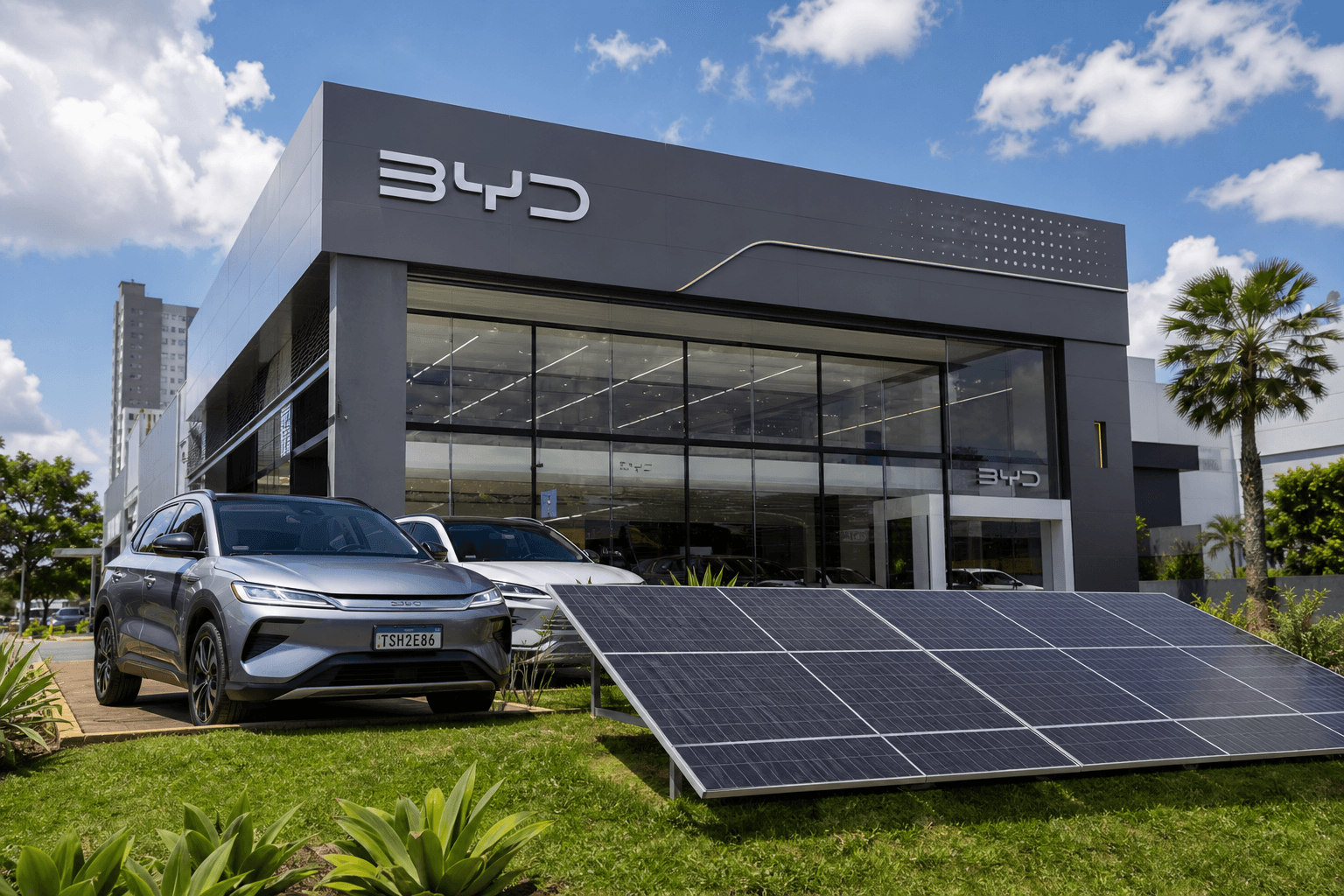
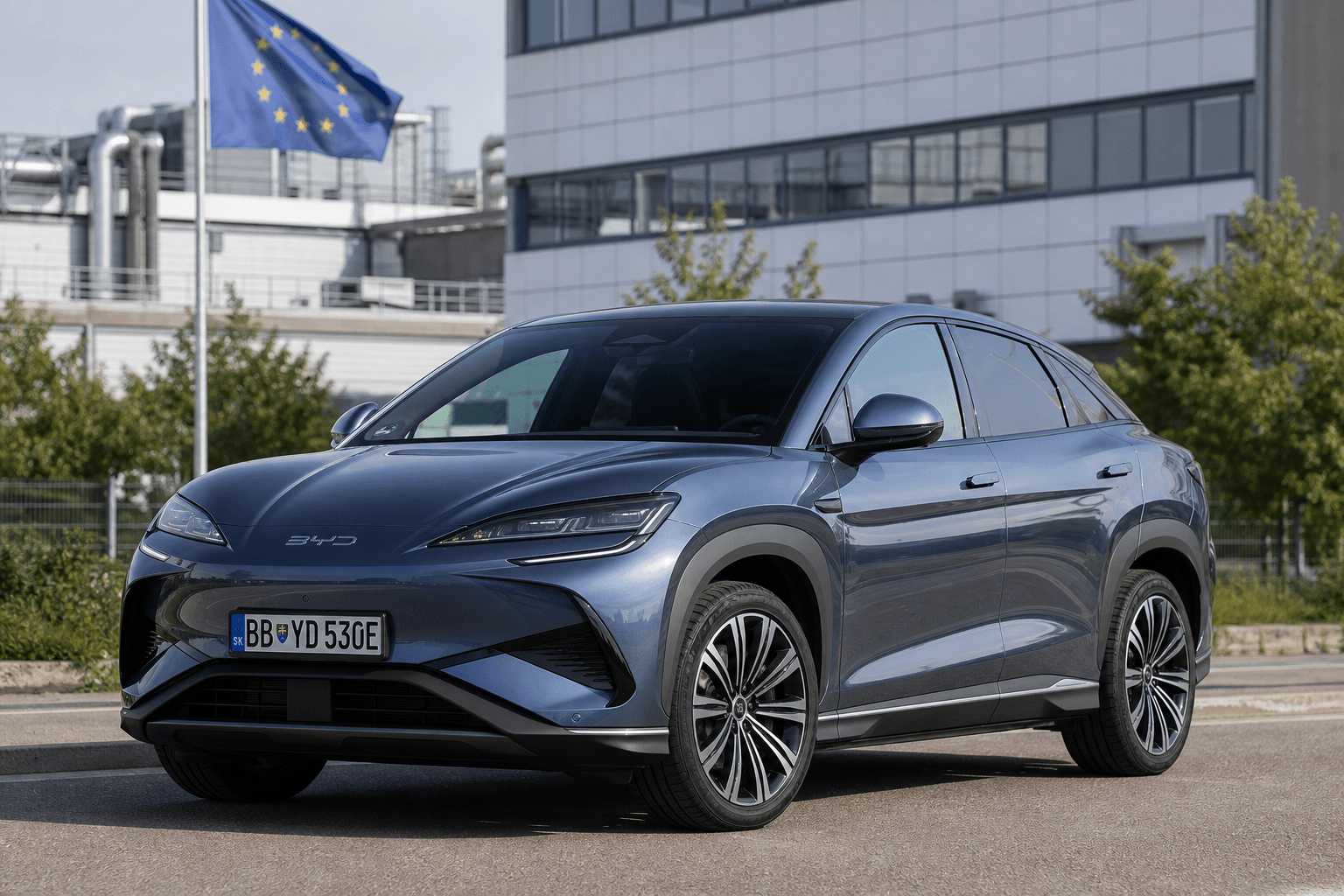
Chinese automakers are preparing for significantly more local production in Europe. Manufacturers such as BYD, Chery and Leapmotor are using two approaches: building new plants and utilizing previously underused capacity at existing European sites. The ramp-up is expected to begin this year and gain noticeable momentum by 2030 at the latest.
This marks a genuine strategic shift for the European market. Instead of importing complete vehicles from China, the focus is moving toward local manufacturing, particularly for electric cars and plug-in hybrids. This reduces trade-policy risks and can make supply chains more resilient.
Forecast Through 2035: From 90,000 to 1.5 Million Vehicles
An analyst forecast expects around 90,000 vehicles from Chinese brands to be built in Europe in 2026. The figure is projected to reach about 1 million units in 2030 and 1.5 million by 2035. The clear focus is expected to be on electrified powertrains, namely battery-electric vehicles and plug-in hybrids.
For the DACH region—Germany, Austria and Switzerland—this means more models are likely not only to become available sooner, but also to be marketed more frequently as “Made in Europe,” including local homologation, European suppliers and potentially adapted equipment packages.
Why the Shift Is Happening Now: EU Value Creation and Tariffs
A key driver is the EU’s planned Industrial Accelerator Act (IAA), whose precise form is currently being negotiated at the political level. It is expected to include requirements for industrial value creation in Europe as well as rules governing foreign direct investment. Depending on how strict these guardrails are, they could strengthen the incentive to move more stages of production into the EU.
Additional pricing pressure comes from the EU’s countervailing tariffs on electric cars built in China, which were introduced in late 2024. There is also discussion that similar measures could eventually affect hybrids. Local production therefore serves as a safeguard, much as other manufacturers have used European plants for years.
Spain Is the Main Hotspot, Followed by Hungary, the UK and Austria
According to the analysis, Spain is considered the most important European production location for Chinese brands, followed by Hungary, the United Kingdom and Austria. By 2030, about half of all Chinese-brand vehicles produced in Europe are expected to come from Spain. By 2035, Spain could account for almost 1 million vehicles, or around two-thirds of the total European production of Chinese brands.
This also matters to the European automotive industry because of factory utilization: unused capacity is expensive. If Chinese brands fill it, this could stabilize jobs and supplier networks, although it would also increase competitive pressure.
Full Manufacturing Instead of Assembly Alone: Local Share Rises Sharply
It is not only the production volume that matters, but also the depth of manufacturing. Model calculations indicate that full manufacturing will dominate over simple partial assembly by 2030. By 2035, almost 90% of the vehicles could be produced locally.
This is an important consideration for prices and subsidy policies: more local production typically means more European value creation, shorter logistics routes and less dependence on global bottlenecks. At the same time, it becomes easier for EU policymakers and industry to enforce standards covering battery supply chains, recycling and proof of sustainability.
Opportunities for Suppliers, but Also Risks to Expertise
European suppliers are hoping for additional orders as Chinese original equipment manufacturers produce vehicles in Europe. At the same time, there are concerns that Chinese groups could invest more heavily in Europe’s supplier sector or acquire companies, resulting in expertise moving abroad. Such debates are not new in Europe and are being further shaped by the IAA.
An EV Perspective: What Does This Mean for Buyers?
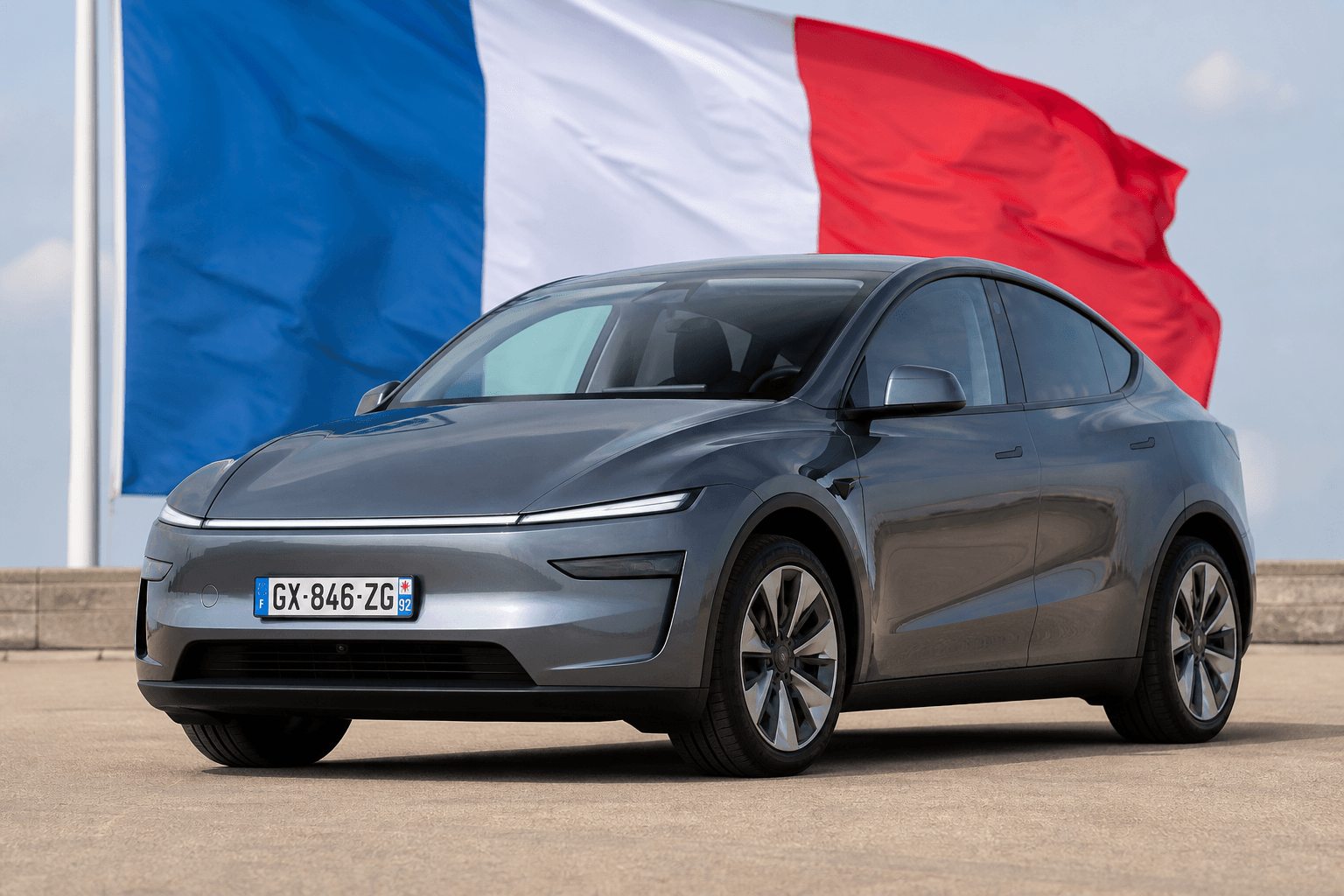
Overall, there are many signs that Europe is becoming a production market rather than merely an import market for Chinese manufacturers. For buyers, this could offer some very practical advantages: more reliable delivery times, less tariff-related pricing risk and, in the medium term, a more extensive service infrastructure. At the same time, competition remains fierce—not only for European brands, but also for Tesla, which has been manufacturing locally in Europe for years and therefore has a structural advantage in supply chains and production speed.
If you follow developments among Chinese brands and their European strategies more broadly, it is also worth reading our analysis of the Chinese battery market and the strong LFP trend, as well as how quickly Chinese players are catching up in Europe, including in 2026 EV sales, with a focus on Leapmotor. For a comparison showing how well established local production in Europe already is, see our article on the Western European EV market, comparing Tesla and VW.