Hyundai Makes the Ioniq 5 Significantly Cheaper as a Taxi
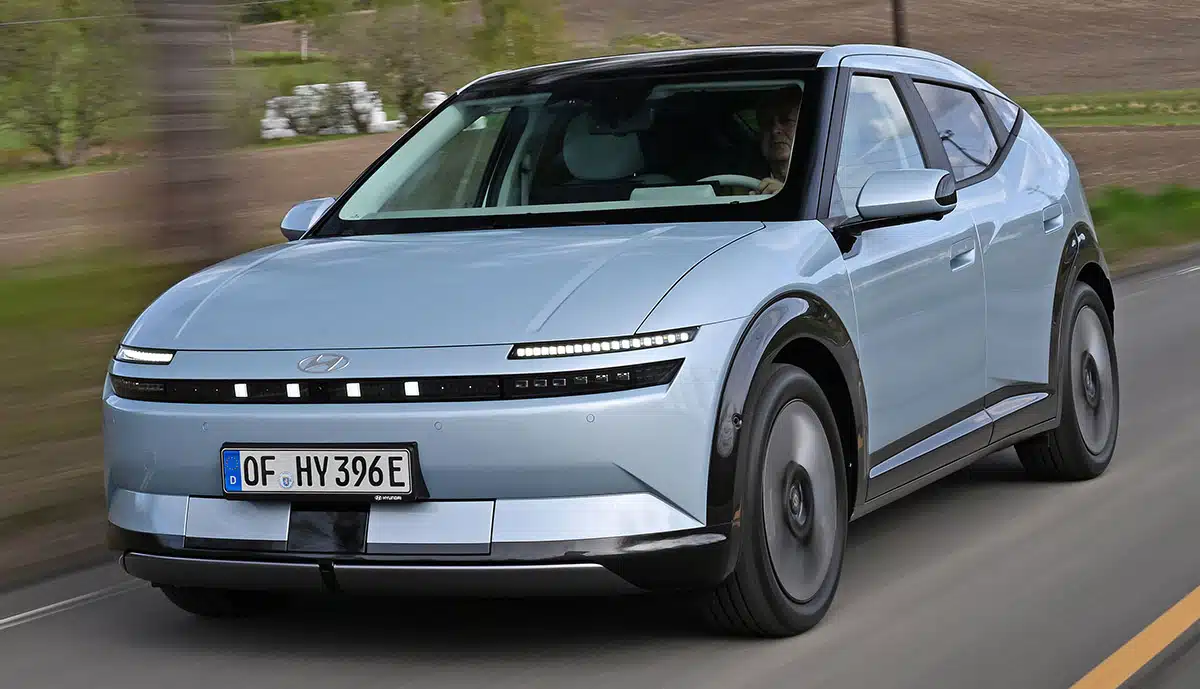
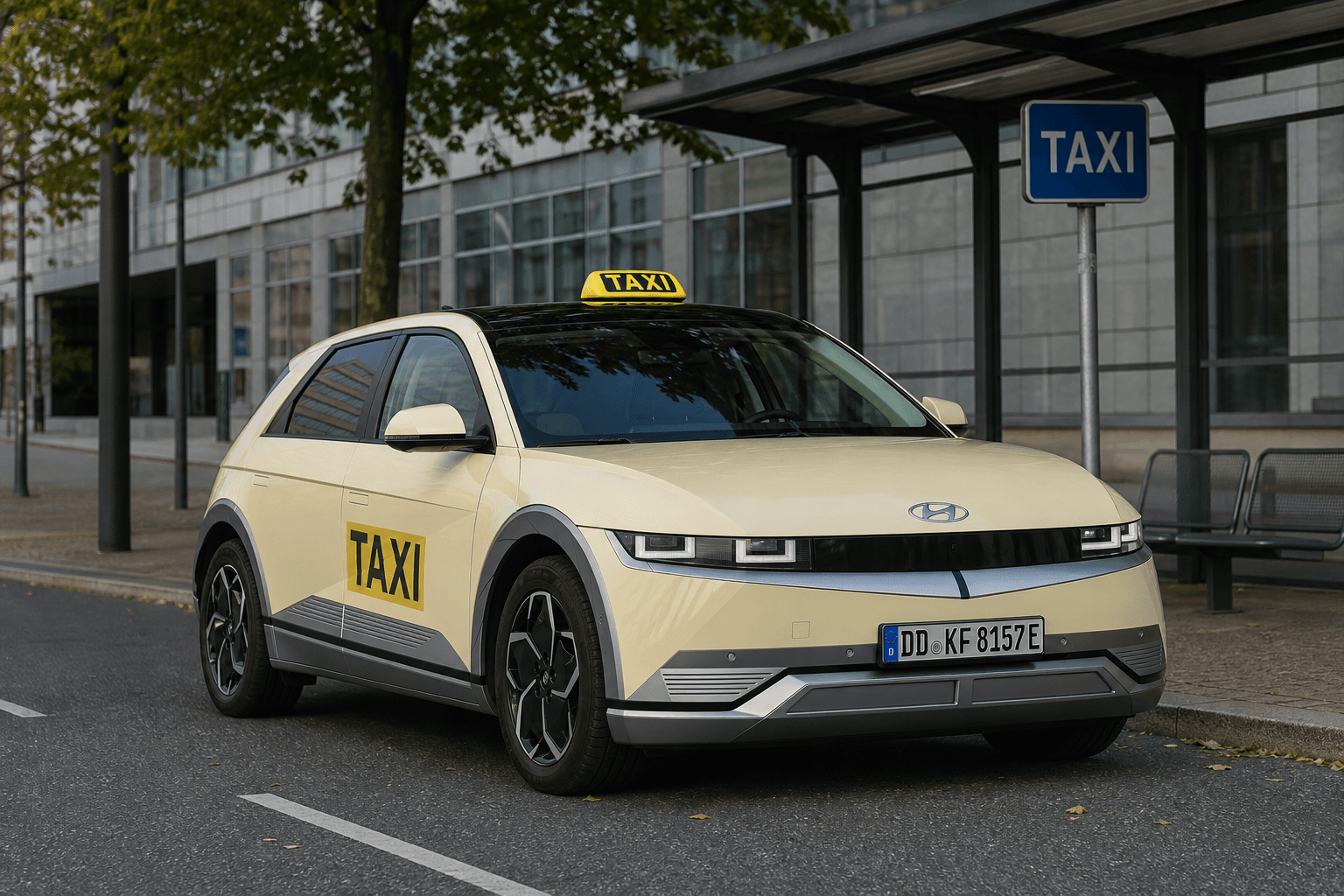
Hyundai wants to step up its efforts in the taxi business and is cutting the prices of its taxi conversions. The focus is on the Hyundai Ioniq 5 as an all-electric option for professional use. The complete taxi conversion, including a vehicle wrap, now costs €1,000 from partner Intax, down from €1,490.
Customers who do not require a wrap can have the Ioniq 5 converted for as little as €750, according to the current terms. The substantial price reduction has apparently been made possible by an increased manufacturer subsidy provided by Hyundai for these conversions.
What the Taxi Package Includes and Why It Matters in Daily Use
The complete package covers more than just the typical appearance: The larger package includes a wrap in the standard German taxi color, light ivory, as well as several technical preparations that make a difference in taxi operations. These include preparation for a taxi meter, roof sign and radio equipment, along with a legally required taxi emergency alarm system.
The real-world impact is clear: The more professionally the interfaces and installations are standardized, the sooner the vehicle is ready for service, the less rework is required and the easier it is to scale the car across fleet operations. This is especially valuable for electric taxis, where charging downtime and operational planning already play a greater role.
Overview: Taxi Conversion Prices for the Ioniq 5
| Package | Includes Wrap | Price | Key Features |
|---|---|---|---|
| Basic Conversion | No | €750 | Standard taxi preparations (without protective vehicle wrap) |
| Complete Package (TX 1) | Yes | €1,000 | Light ivory wrap plus preparation for a taxi meter, roof sign, radio equipment and emergency alarm system |
How the Conversion Process Works
According to the conversion partner, the taxi packages can be ordered directly through Hyundai dealers. The vehicle is then delivered to the converter, modified according to a fixed standard and handed over ready for registration or prepared in accordance with the relevant conformity requirements. The vehicle can optionally be returned to the dealer through a nationwide transport service.
This process is crucial for taxi operators: It means less administrative work, fewer handoffs and predictable turnaround times. In the end, that is often more relevant than any individual feature listed on the specification sheet.
New Addition: Replacement Vehicles During Downtime
In addition to the conversion service, Hyundai is expanding its taxi offering with a service for situations in which a vehicle is out of action. Through a new partner, taxi operators can obtain replacement vehicles at short notice during repairs, maintenance or unplanned downtime. The aim is to reduce lost revenue and keep operations stable even when a car unexpectedly becomes unavailable.
This can be particularly useful for electric taxis because fleets are often deliberately operated with little spare capacity. If a vehicle is unavailable, many shifts can quickly be lost, which is exactly where services like this can help.
Context: Germany’s Taxi Market and Why Hyundai Is Stepping Up Now
Established brands remain strong in Germany’s taxi market, while challengers need to compete with attractive fleet terms and services. At the same time, pressure is growing to further electrify taxi fleets, whether for cost reasons, because of local regulations or because customers expect low-emission mobility.
The move is therefore well timed: A comparatively affordable, standardized conversion package noticeably lowers the barrier to adopting electric taxis. Anyone considering the Ioniq 5 as a taxi can find its key technical specifications on our model page for the Hyundai IONIQ5.
What This Means for Taxi Operators
At the new price level, the Ioniq 5 becomes more financially attractive as a taxi because conversion costs have fallen significantly compared with the previous terms. There is also an additional replacement vehicle service that can help mitigate the risks of downtime in daily operations. The bottom line: greater predictability and lower entry costs for anyone now seriously considering the switch to an electric taxi.