Seat and electric cars: the answer will probably remain “no”
For years, Seat has had a problem within the VW Group that can be summed up in one sentence: EVs are difficult to make profitable in Seat’s traditional price range. This has repeatedly been the explanation, both internally and publicly, whenever questions arose about a Seat EV. There are now growing signs that this will go beyond mere hesitation and that, in the long term, Seat will no longer have an independent future as a standalone car brand.
One important distinction: Seat SA as a company is by no means being written off by Volkswagen. The Spanish organization and its plants play a central role in the Group’s electrification, just not necessarily under the “Seat” badge.
Seat SA remains important, but the Seat brand is in doubt
The plants in Spain are essential to the Group’s coming generation of small electric cars. Programs for models from VW, Škoda and Cupra are already running or about to start there—the very high-volume products that need strong sales to succeed in Europe.
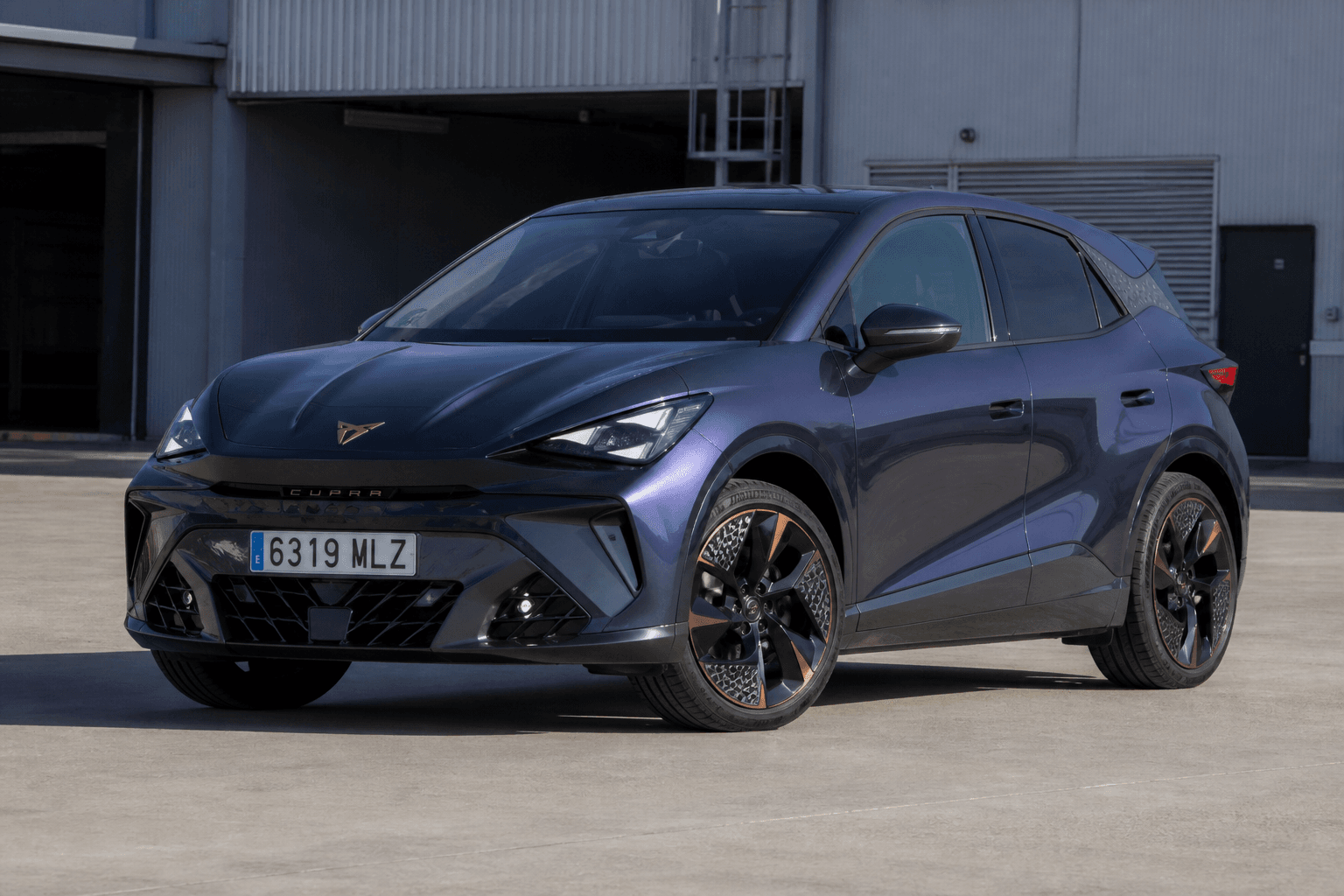
According to reports from Group insiders, a decision has already been made internally to phase out Seat as a car brand. The core of the strategy is that Cupra will continue to expand as the Spanish growth brand, while Seat could eventually be wound down in the passenger-car business.
Why Cupra is “the future” and Seat is not
Cupra has evolved from Seat’s former performance line into a standalone brand and has been making a noticeable contribution to the Spanish organization’s financial performance for some time. From the Group’s perspective, that is a strong argument for directing scarce development budgets toward Cupra rather than a second, lower-priced sister brand.
By contrast, Seat has often lacked a clear public identity over the past ten years, caught between “young and affordable” and “sporty”—and that lack of definition is expensive in the EV era. Financing a new electric platform, software stack, battery system and supply chain without clear positioning is difficult to justify commercially.
The price segment is the sticking point, as EVs are rarely viable there
Seat’s core customers expect aggressive pricing. At the same time, batteries and powertrains are the dominant cost factors, particularly in the entry-level segment, while discount battles erode margins. That makes it difficult for a volume brand in Seat’s position to build an independent EV portfolio.
It is true that “Dacia shows it can be done” is a valid counterexample, but Dacia pursues this approach with an extreme focus on cost, clearly basic equipment and a corporate setup optimized specifically for that mission. Whether Seat would still be allowed to build something similar from scratch under the Group’s current strategy is questionable.
What does this mean for buyers in the DACH region?
For existing customers in Germany, Austria and Switzerland—the German-speaking region commonly known as DACH—there is no immediate reason to panic. Seat’s current model range of combustion-engine vehicles and some hybrid variants will continue as usual, while servicing, parts supply and dealer networks are already supported by stable structures within the VW ecosystem.
In the medium term, however, the decision is likely to become visible in showrooms. Customers looking to buy “Spanish” within the VW Group will increasingly end up with Cupra. Those simply looking for an affordable EV from the Group are more likely to find the relevant entry-level models at VW or Škoda.
The case for Seat
- Strong industrial base in Spain, which is important to the Group’s ramp-up of small EV production
- Established dealer and service structures within the VW ecosystem
The case against a Seat EV
- Profitability is particularly difficult for EVs in Seat’s traditional price range
- Cupra already successfully occupies the “emotion and margin” role, while maintaining two parallel brand strategies is costly
This fits VW’s current strategy: less complexity, greater focus
The VW Group is under pressure to reduce complexity and costs while simultaneously managing the transition to electric mobility. It therefore makes sense that projects, model lines and even brand portfolios are being prioritized more strictly. In this context, focusing on Cupra as a Spanish brand with higher margins and clearer positioning appears consistent.
Those following the broader context surrounding the Group’s new entry-level EVs will see the same pattern: the future lower end of the electric-car market will be covered primarily by VW, Škoda and Cupra. This is also underscored by the high number of advance orders for the VW Group’s upcoming entry-level EVs (see VW, Škoda and Cupra receive more than 70,000 orders).
Cupra emerges as the winner of this shift
For Cupra, this represents an opportunity to further consolidate its position within the Group. The brand has shown that it can generate demand and benefits from being managed not merely as “a sportier Seat,” but as an independent growth project. For more, see our analysis of how Cupra is moving to the forefront within the Group: Cupra overtakes Seat.
Those who want to know which vehicles will already be available in Germany’s important compact electric SUV segment in 2026 can find the market overview here: Compact electric SUVs in Germany in 2026.
Why Tesla is indirectly relevant here
Tesla shaped the market for years with a clear model strategy and strong focus, and it is precisely this focus that many major manufacturers are now seeking to restore. At VW, that means fewer overlaps and more clearly defined roles for each brand. Cupra’s better fit within this framework is less an anti-Seat story than a consequence of new priorities in the EV era.