Germany’s charging network is growing, with DC and HPC providing the boost
A clear picture is emerging from the expansion of Germany’s public charging infrastructure in 2026: The network is growing steadily, but the strongest momentum is coming from DC fast-charging and high-power charging (HPC) points. While new AC connections continue to be added in many cities, the focus is increasingly shifting toward high-power, high-throughput locations.
Almost 233,000 public charging points are now registered in total. Around 170,000 of these are AC charging points—the conventional infrastructure used for longer parking periods. At the same time, the number of fast DC options is rising significantly.
Where fast-charging growth is currently accelerating
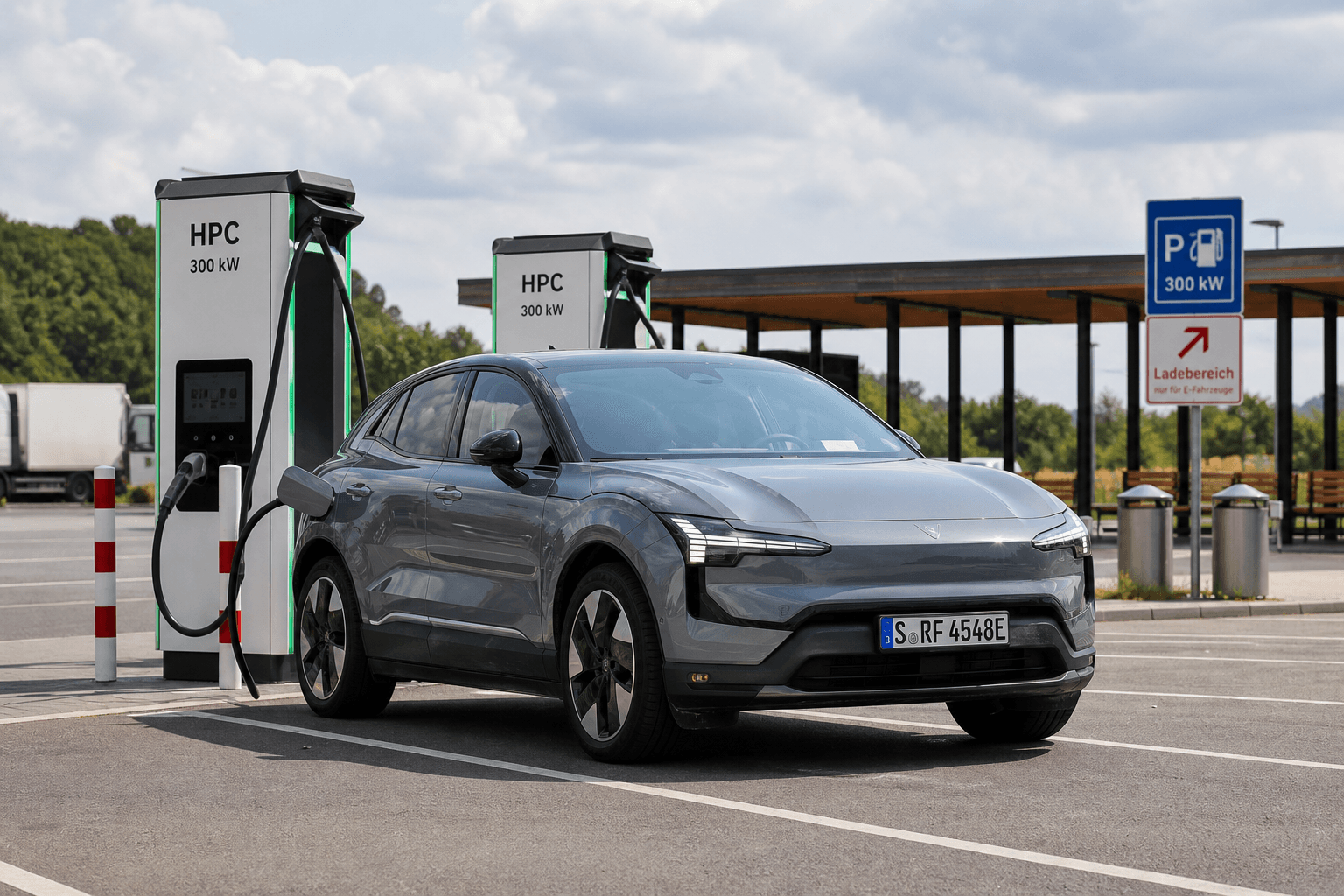
There are now more than 51,000 fast-charging points above the 50 kW threshold. The number of units is not the only factor that matters: As more high-power locations are added, the network’s total throughput capacity is growing above all—in other words, the number of vehicles that can actually be served each day.
According to the analysis, the average annual growth rate for fast chargers is settling at around 40%. That is good news for everyday use, because on long-distance routes and at transport hubs, what matters is not just “any connection,” but power that is available quickly.
Utilization: Fast chargers do the heavy lifting, while AC serves longer stays
Usage data reveals a clear divide within the network. DC and HPC chargers average more than 2.5 charging sessions per day. By contrast, AC charging points average around 0.6 charging sessions per day.
This reflects the role of each category: AC often means “park and charge at the same time” in residential areas, city centers or workplaces. DC—and HPC in particular—means “stop briefly and get back on the road quickly,” which is precisely why these chargers are used much more frequently.
More than 6.3 million charging sessions per month, including a summer dip
Overall activity now stands at more than 6.3 million charging sessions per month. Compared with the same month of the previous year, that represents an increase of more than 25%. However, there was a slight decline from June to July 2026.
This is mainly attributed to seasonal effects: the vacation period, changing commuting patterns and a statistical “blind spot,” such as foreign travelers passing through Germany who are not always fully reflected in the data. The overall trend nevertheless remains clear: more EVs, more charging electricity and more fast charging.
Ad-hoc prices remain stable as AC and DC move closer together
On the pricing front, the market currently shows consolidation rather than a price war. Average ad-hoc charging prices remain virtually unchanged at 57 cents per kWh for AC. DC fast charging costs an average of around 62 cents per kWh, or approximately 5 cents more.
This means the gap between slow and fast charging is narrowing. However, this does not automatically indicate a widespread drop in ad-hoc and roaming prices, especially since location costs, grid connections and utilization continue to have a major impact on pricing.
Current average ad-hoc prices at a glance
| Charging type | Typical use | Avg. price |
|---|---|---|
| AC | Longer parking, city use, overnight stays | 57 cents per kWh |
| DC (fast charging) | Short stops, rapid recharging | 62 cents per kWh |
What this means for EV drivers in Germany, Austria and Switzerland
Germany is particularly important as a transit country for drivers in Germany, Austria and Switzerland. A denser HPC network not only reduces perceived range anxiety, but also makes long-distance journeys easier to plan: Full rest areas and occupied chargers are less likely to become genuine bottlenecks when infrastructure is not merely expanding, but also becoming more powerful.
Efficient long-distance vehicles benefit in particular, as a short stop is often enough. Anyone looking for general guidance on range and journey planning can find practical strategies in our guide to EV range anxiety.
What the expansion of fast charging means for Tesla and other brands
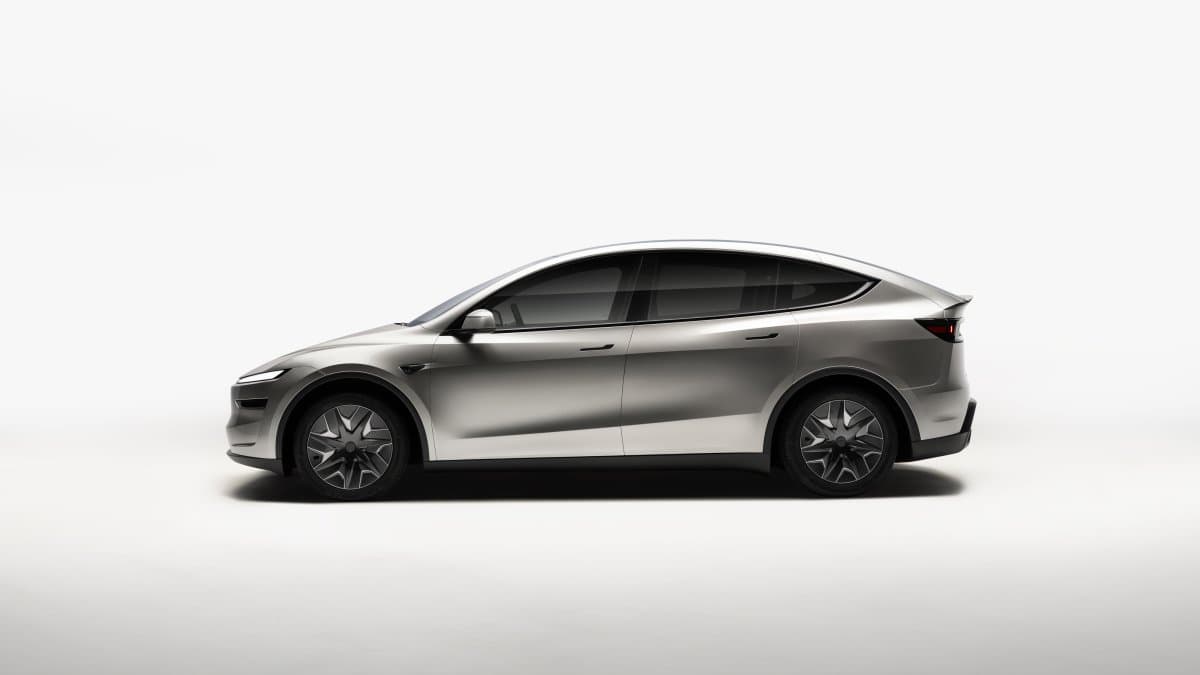
More DC and HPC charging benefits all brands, even though the charging experience varies depending on the provider and rate plan. For Tesla drivers, additional public fast-charging options are a benefit because they provide alternatives to the Supercharger network, particularly on routes with heavy vacation traffic. Anyone interested in seeing how the brand’s core model performs in everyday use can find specifications and variants for the Tesla Model Y on our site.
And for anyone who keeps encountering 800-volt systems at new fast-charging locations: We explain why this matters in everyday use and when it offers genuine advantages in 800 V vs. 400 V.
Conclusion: No sensation, but measurable progress in charging
Expansion is continuing where it has the greatest impact: DC and HPC charging. At the same time, ad-hoc prices remain stable for now, while the price gap between AC and DC is shrinking. For everyday use, this primarily means more available fast-charging capacity, better planning for long-distance journeys and less stress on heavily traveled routes.