Big Tech in the Cockpit: The Shift Is Already a Reality
A few years ago, many manufacturers still wanted to retain complete control over their infotainment and the entire “software experience.” Today, the opposite can be seen in new cars across all segments: Google, Amazon, and Apple have arrived in the car, sometimes as individual services and sometimes as a complete operating-system framework.
This is not hype but a pragmatic decision. Any company that wants to offer navigation, voice control, an app ecosystem, updates, and reasonably smooth operation today needs enormous software teams and long maintenance cycles. That is precisely where several manufacturer-led projects have visibly run into trouble.
Who Uses What: Alexa, Google Maps, Android Automotive, and Apple Maps
The integrations vary widely, but the pattern is clear: voice assistants and maps often come directly from Big Tech, while for some brands, Android Automotive serves as the foundation for the entire infotainment system.
| Platform or service | Typical use in the car | Examples from the market |
|---|---|---|
| Amazon Alexa | Voice assistant for vehicle functions and smart-home integration | BMW (newer models) |
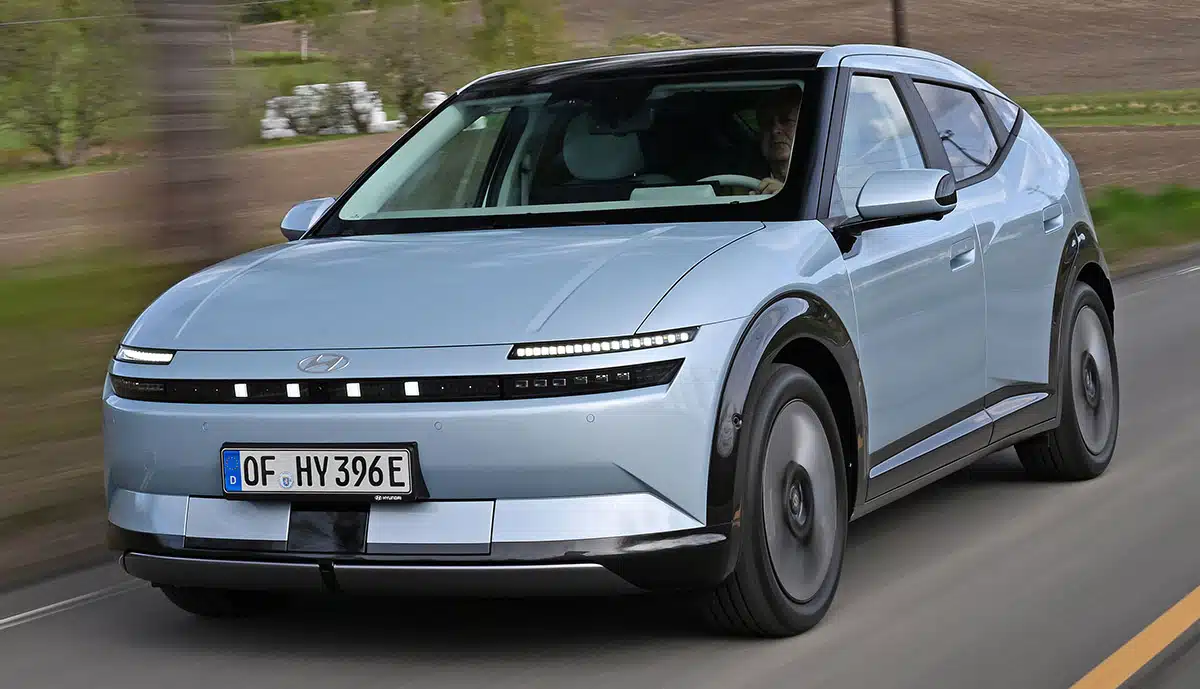
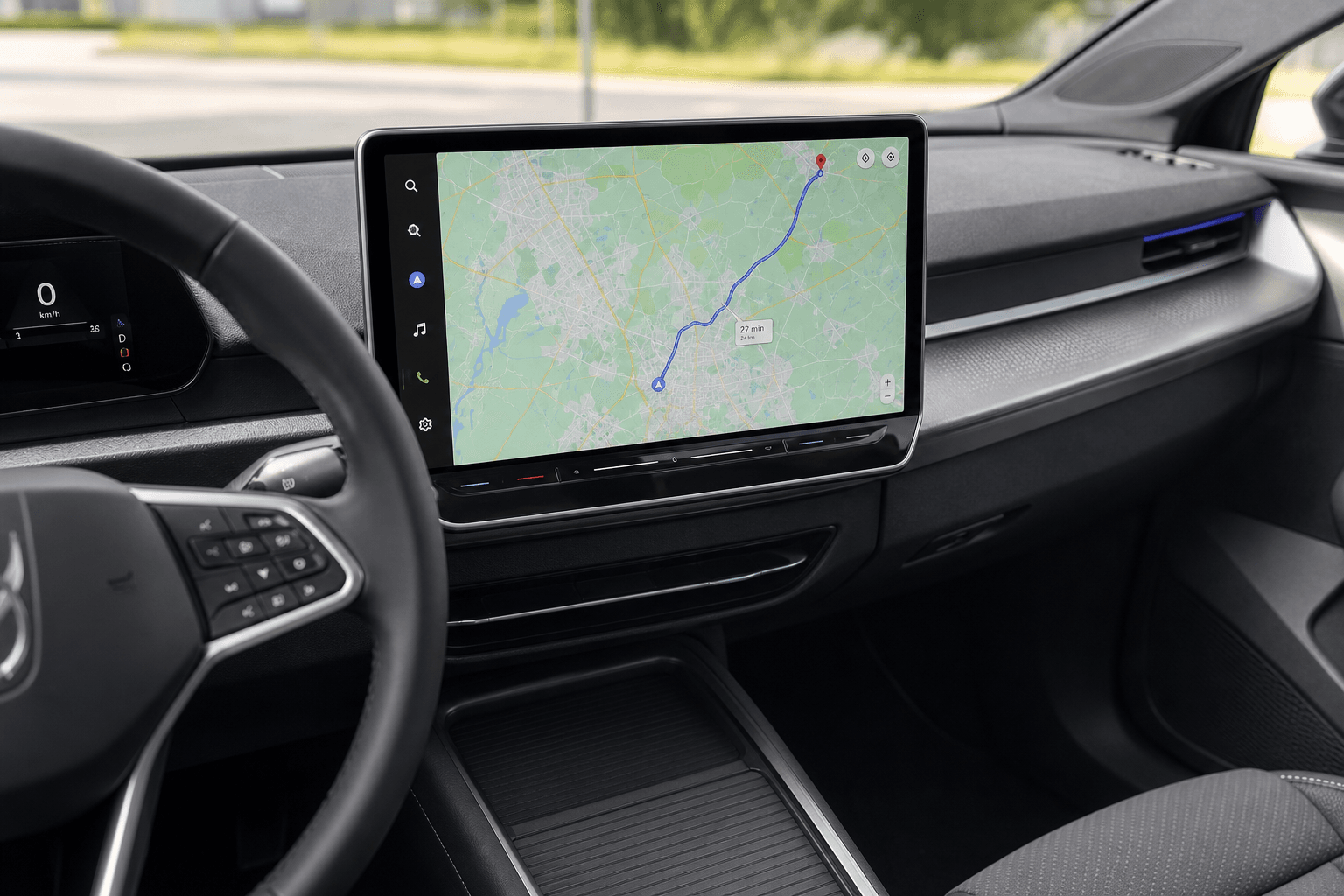
| Google Maps and Google services | Navigation, point-of-interest searches, location data, and route planning | Hyundai, Mercedes, and others |
| Android Automotive (with Google as the foundation) | In-vehicle operating system, optionally with Google apps | VW, Škoda, Hyundai (depending on the infotainment generation) |
| Apple Maps (within manufacturer platforms) | Mapping and routing services as part of a manufacturer’s system | Ford (future universal platform) |
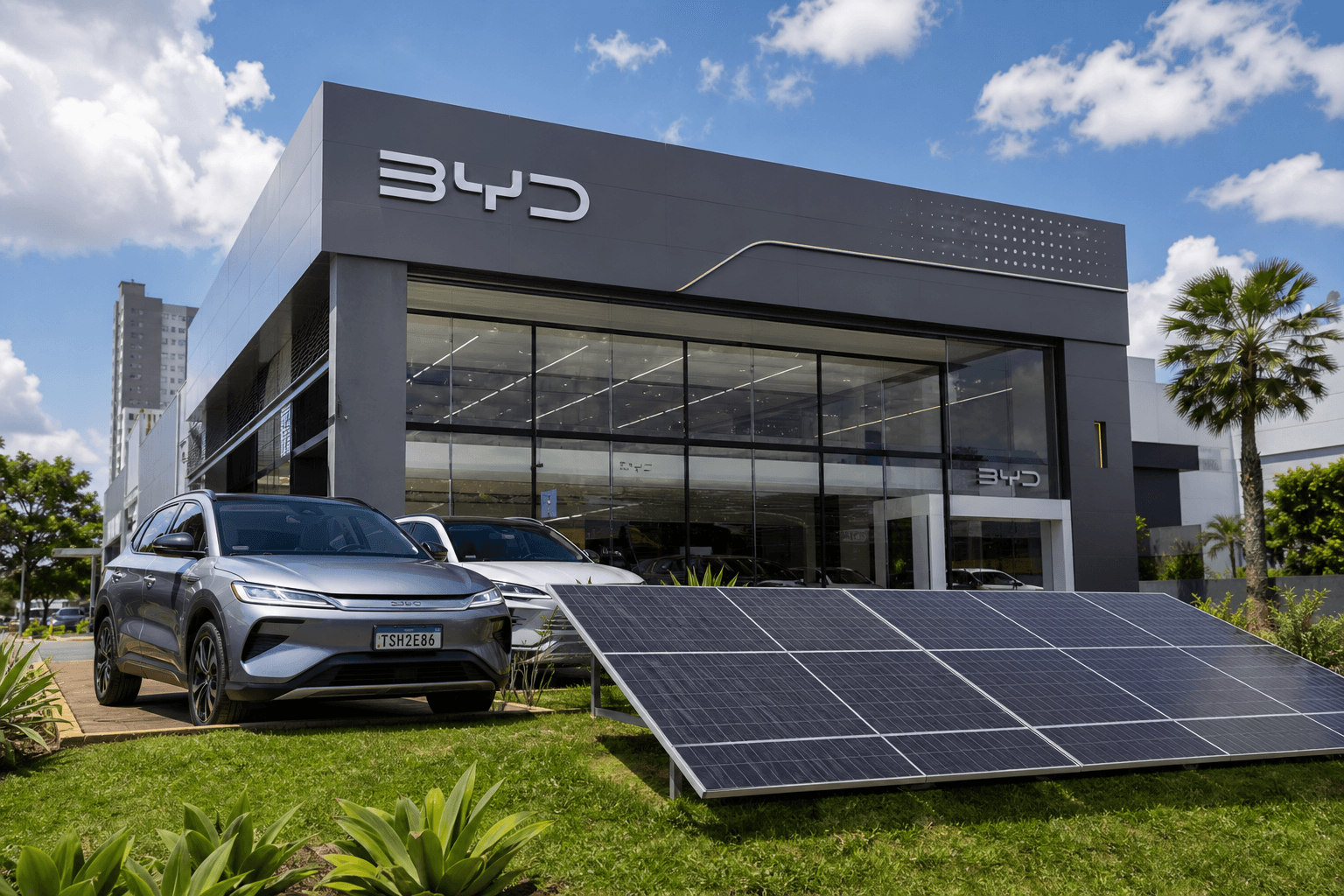
| Google services in Chinese brands | Depending on the market: maps, apps, and ecosystem integration | BYD, XPeng (depending on the market) |
One important consideration for the DACH region—Germany, Austria, and Switzerland—is that availability and functionality may vary by country. Particularly for Chinese manufacturers, much depends on which services are offered outside China and which data-protection and certification requirements are met.
The Everyday Impact: Why Google’s Point-of-Interest Data Is So Powerful
One area where the difference is immediately noticeable is the navigation system’s point-of-interest search. Google’s location database is extremely large and continuously updated. In practice, this means restaurants, parking garages, businesses, charging points, and even small destinations are often found more quickly, named more accurately, and categorized more effectively.
This is not just convenient; it also saves time, especially while traveling. Good point-of-interest data means less typing and fewer “destination not found” messages, providing a genuine safety benefit in the car.
Why Many Manufacturers Can No Longer Handle All Their Software Alone
Infotainment is now a continuous project involving UI design, performance, app interfaces, security patches, map updates, cloud connections, voice-control stacks, data models, and extensive testing. On top of that, customers expect a car to improve through updates over the course of many years.
If a manufacturer takes on too much, it is not only the cockpit experience that suffers. Features such as charging plans, route forecasts, and energy-management functions often also depend on the software stack. That is why many brands use modular packages: individual Google services, an Android foundation, or an external assistant, rather than reinventing everything themselves.
The Red Line: Vehicle Data and Control Stay with the Manufacturer
Even so, most automakers do not want to surrender complete control over the vehicle. This is evident in concepts where smartphone platforms would take over not only the center screen but also the instrument cluster and additional displays. To make that possible, manufacturers would have to release highly detailed data about areas such as the powertrain, battery, driver-assistance systems, and safety-critical conditions.
This is precisely where many brands draw the line. The result is a compromise: Big Tech provides maps, search, and in some cases the operating system, while critical vehicle functions and access to their data remain within the manufacturer’s ecosystem.
And Tesla? A Distinctive Approach That Does Not Suit Everyone
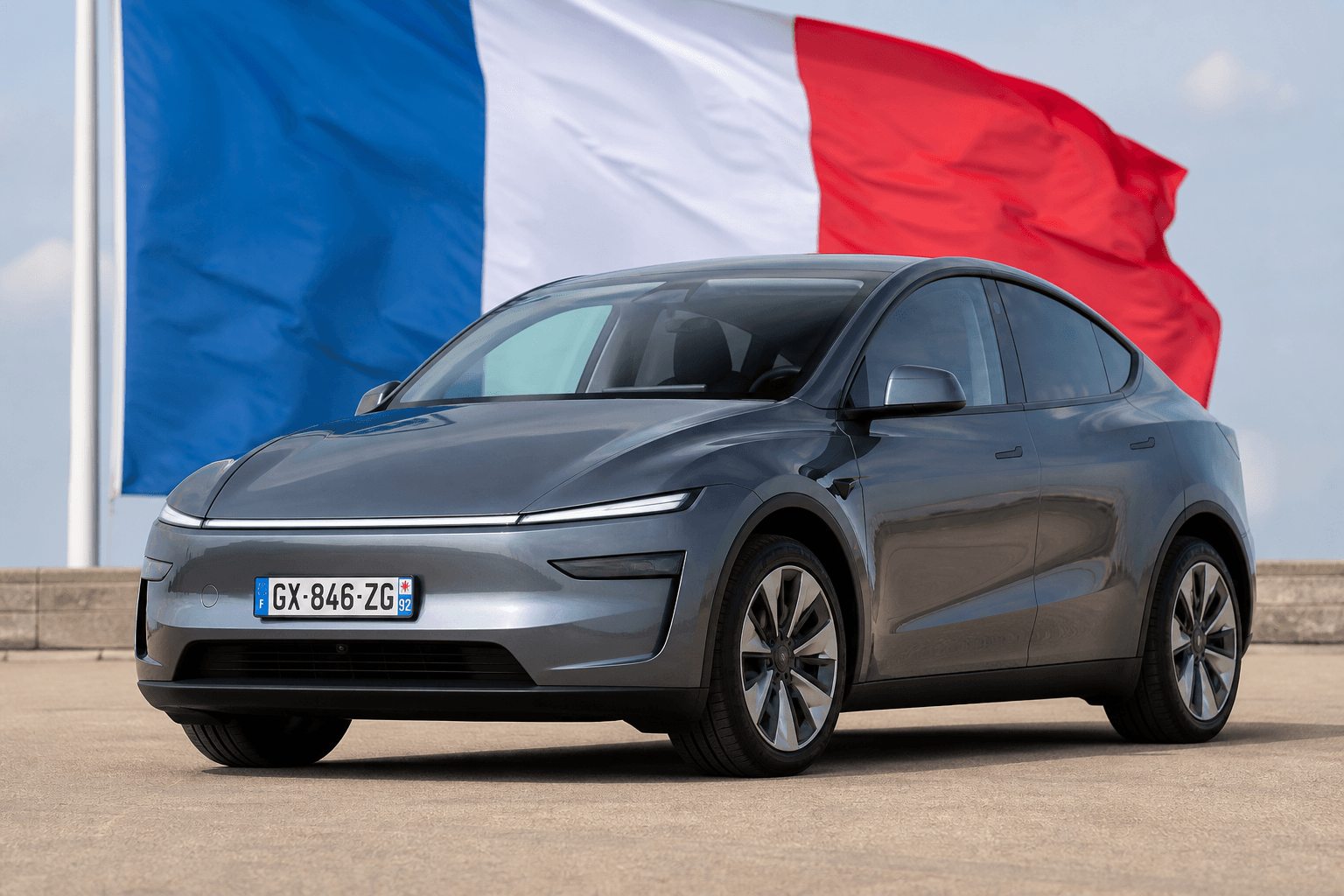
From Tesla’s perspective, this development is interesting because Tesla has demonstrated for years just how powerful a fully integrated, proprietary system can be, including a consistent update strategy and close integration with vehicle functions. At the same time, this approach is expensive and requires software to be a core product rather than merely a component supplied by a third party.
Many manufacturers therefore choose the middle ground: They use Big Tech components where they offer the greatest benefits while retaining control in areas involving safety, differentiation, and long-term product strategy.
Related Context and Further Topics
If you want to explore modern EV technology in greater depth, in-car software is closely linked to charging and platform technology. Data and system integration are playing an increasingly important role, particularly in new architectures.
- We explain what 800 volts really offers in everyday use in 800V vs. 400V: Which EV Architecture Do You Need in 2026?
- A specific Tesla example of new functions enabled by accessories and software: Tesla Model Y Gets V2L: What You Need to Know About the Adapter
- An overview of the most interesting electric compact SUVs currently available: Electric Compact SUVs in Germany in 2026