China’s automotive industry is accelerating—and at an extreme pace
In just a few years, China has evolved from a manufacturing base for foreign brands into a market with its own corporate groups, sub-brands, and technology players. Alongside major groups such as Geely, electronics and software companies now also operate as automakers or technology partners. The result is a competitive environment that has become brutally fast-paced for EVs and connected vehicles.
This momentum is no longer solely a Chinese issue. Many manufacturers are looking for growth abroad, and Europe is one of the most realistic target markets for higher-priced electric cars. Entering the US market is significantly more difficult for many Chinese brands due to political and regulatory barriers, while in Africa only certain individual markets are viable for expensive models.
The number that sticks: 3.6 new models per day
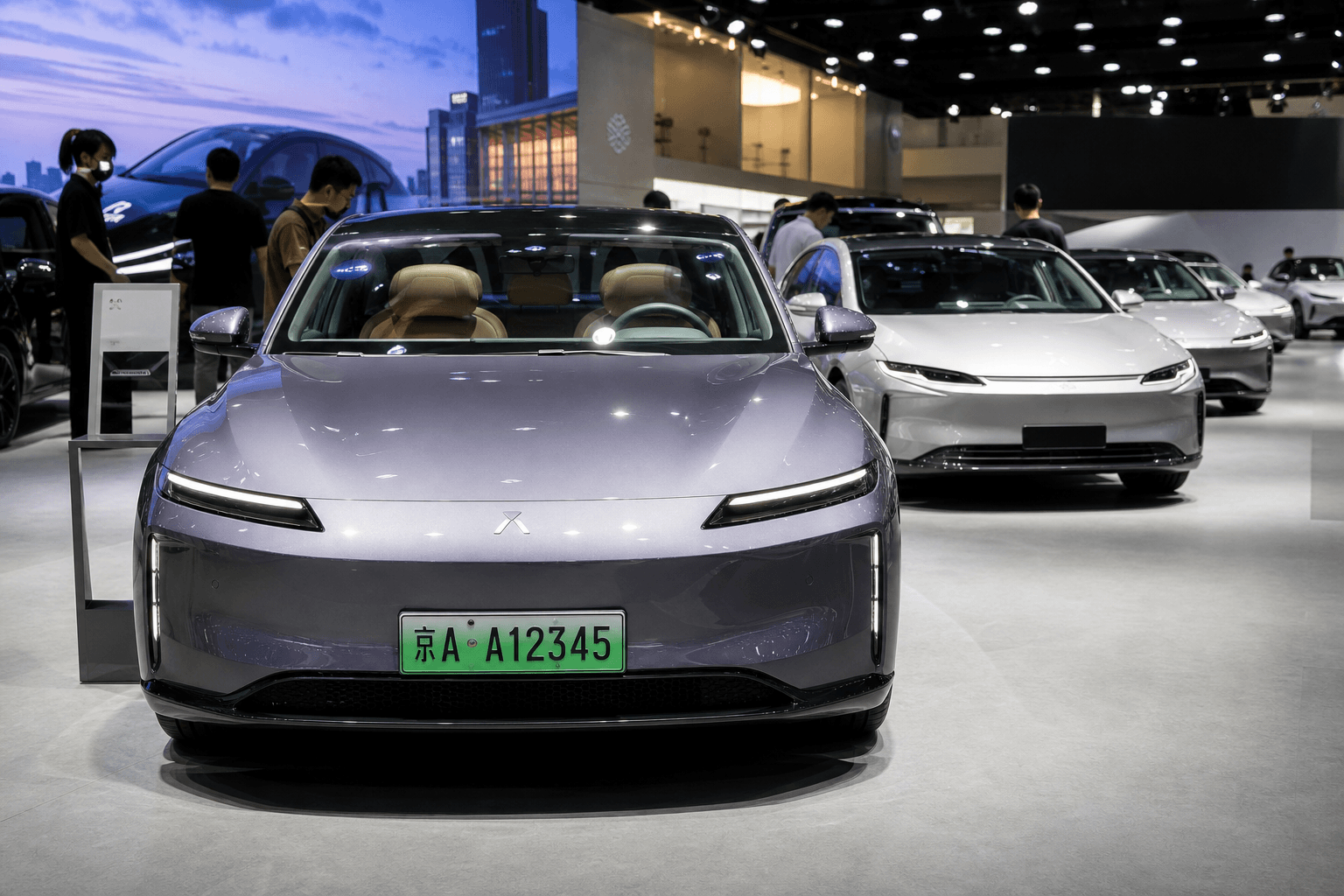
A single day illustrates just how overheated the market appears: According to reports, more than eight manufacturers unveiled new vehicles in China on July 16, 2026. Extrapolated across the market, that now amounts to more than 3.6 new models every day. In the first five months of 2026 alone, there were over 542 new vehicle models.
A flood of models is not proof of demand; it can also be a symptom of price competition and oversupply.
That may sound like innovation, but it is economically risky: Development, homologation, marketing, and production ramp-up costs continue to accrue even if a model is quickly overshadowed by the next launch.
Why the flood of models is becoming a problem for manufacturers
One key problem is that new vehicles often have only a very short sales window. According to reports, many models sell really well for no more than a few months, after which their numbers frequently collapse. For manufacturers, this means high upfront investment, rapid depreciation, and internal cannibalization when new models immediately make their own predecessors look outdated.
In such an environment, billions are burned on development while discounts, aggressive financing offers, and constant “restarts” through facelifts and variants simultaneously push down prices. In short, the system accelerates itself until it eventually becomes unsustainable.
From a first-time buyer market to cutthroat competition
China is approaching saturation across many target groups. As the major wave of first-time purchases subsides, the market shifts toward replacement purchases and cutthroat competition: Anyone that grows takes sales volume away from others. This is typically the phase when consolidation begins, brands disappear or are absorbed into larger groups, and platforms and software stacks are standardized.
For buyers, this may be attractive in the short term because prices fall. In the medium to long term, however, much depends on which brands survive and how well spare-parts availability, updates, and residual values are protected.
What Europe gains—and what buyers should not be dazzled by
For the DACH market—the German-speaking region comprising Germany, Austria, and Switzerland—this primarily means more choice, faster product cycles, and potentially greater pressure on established manufacturers. At the same time, “China” is not synonymous with “cheap.” Many suppliers are specifically trying to justify higher price points with premium technology, large batteries, 800-volt systems, or highly advanced infotainment. Anyone who wants to understand why vehicle architecture is so crucial for charging can find an overview in 800V vs. 400V: Which EV Architecture Do You Need in 2026?.
The battery market is changing as well. LFP is becoming increasingly dominant across many segments in China, influencing costs, economies of scale, and model strategies. For more context, see China’s battery market and its high share of LFP.
Tesla, China, and the comparison with the launch frenzy
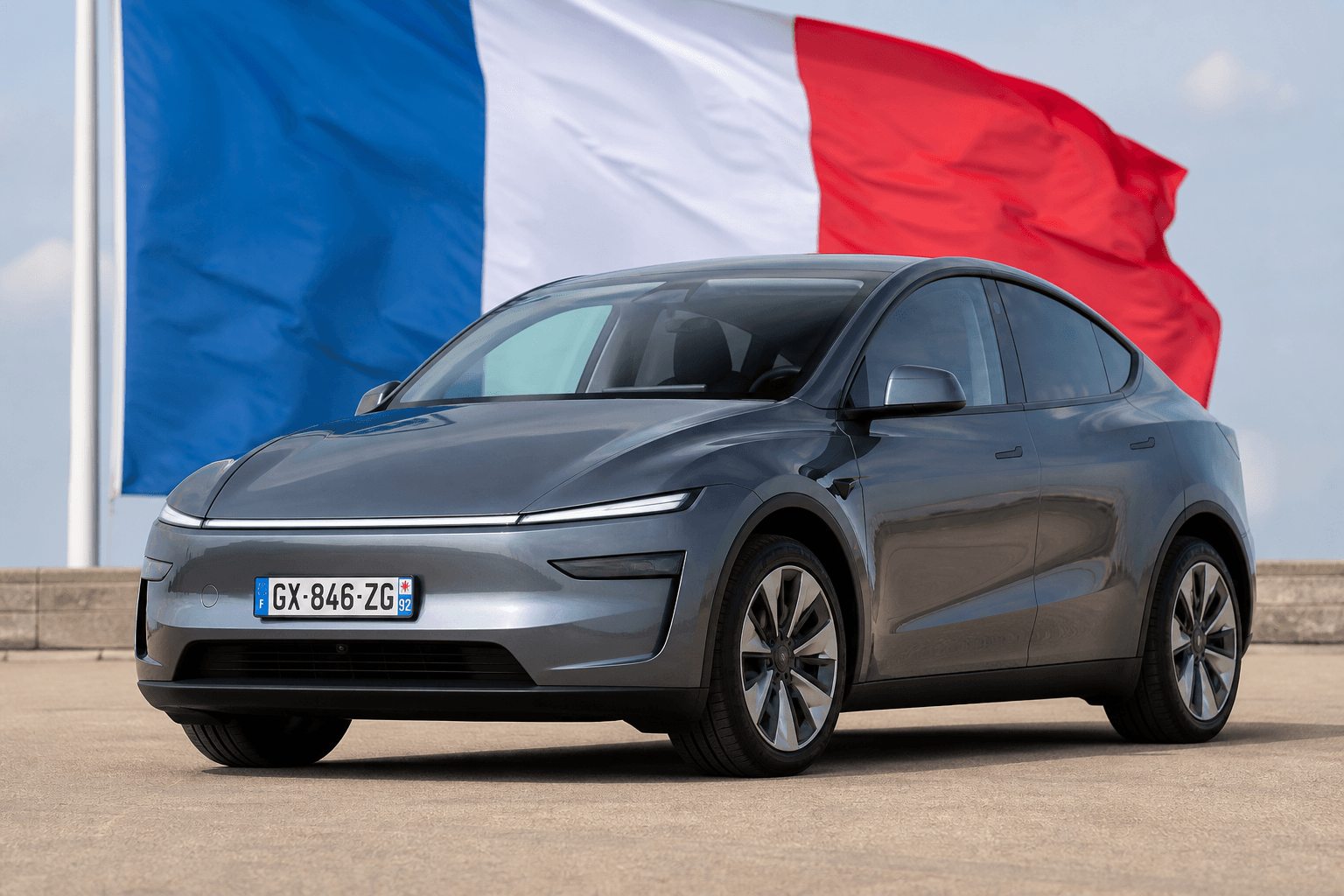
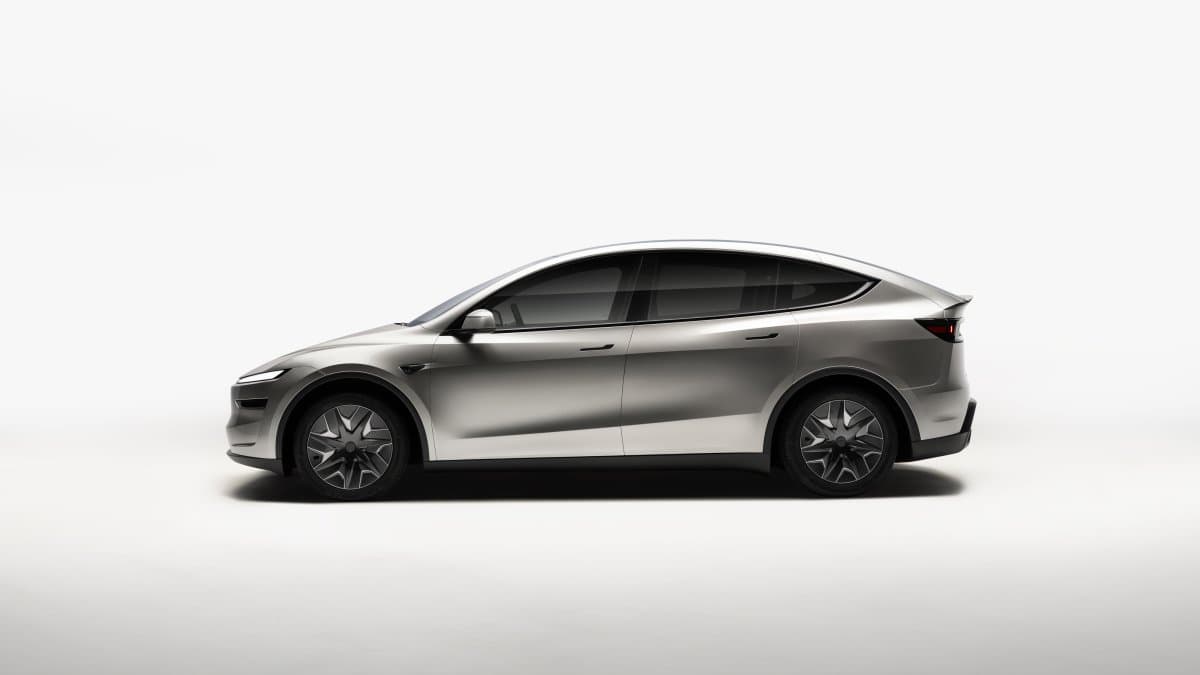
From Tesla’s perspective, the stark differences between the strategies are particularly interesting. Tesla traditionally focuses on a small number of model lines, rapid iterative updates, and economies of scale rather than launching new derivatives every day. Chinese manufacturers often take the opposite approach: broad portfolios, numerous brands, many variants, and very rapid model changes.
For customers in Europe, it ultimately comes down to a trade-off: broad choice and often extensive equipment versus the risk of shorter product cycles. Anyone generally concerned about range when buying should also consider the practical perspective offered in EV Range Anxiety: Causes, Facts, and Strategies, as this is precisely where many purchasing decisions are made.