Xiaomi EV in Germany: A Dealer Network and Website Are the Next Step
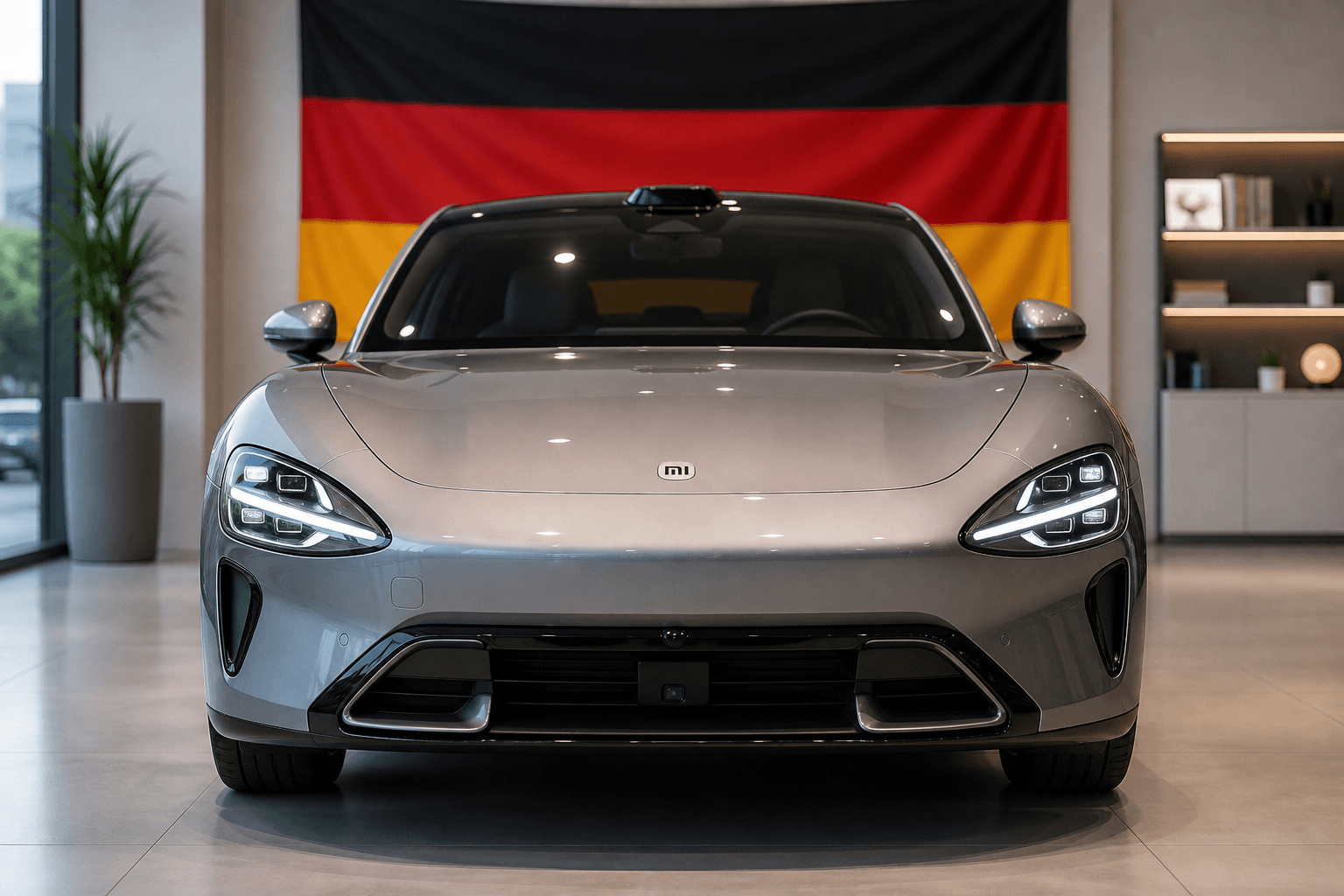
Xiaomi has long been about more than smartphones and smart homes, and it now wants to bring its electric cars to Europe as well. One clear signal is the launch of the global Xiaomi EV website, while the manufacturer is also actively seeking dealership partners. For Germany, this means one thing above all: Xiaomi is systematically preparing its sales and service operations rather than relying solely on individual imports.
At its core, this comes down to a classic question that every new manufacturer entering Europe must answer: How does the car reach the customer, and who can repair it quickly and professionally if something goes wrong? This is precisely where Xiaomi appears to be pursuing a dealership model with established partners in Europe, similar to many other Chinese brands.
Why Xiaomi Is Relying on Dealers and What That Means for Buyers
A dealer network remains a genuine selling point in the DACH region—Germany, Austria, and Switzerland—especially for higher-priced vehicles. A dense network covering sales, workshops, and after-sales service reduces much of the uncertainty customers may feel when considering a new brand. For Xiaomi, it is also the fastest way to establish a regional presence without having to build its own locations everywhere.
By comparison, some other manufacturers are pursuing highly ambitious targets to achieve broad geographic coverage in Germany within a short period. Xiaomi is likely to take a more selective approach initially, which also fits its expected positioning: premium rather than an entry-level model costing €20,000.
Premium Positioning: No Budget Entry Point, but a Strong Brand Strategy
Based on its approach so far, Xiaomi does not appear to want to position its cars purely as price disruptors. Anyone hoping for a particularly affordable entry point will probably find it elsewhere. Instead, Xiaomi seems to be focusing on technology, software, and brand appeal—the very areas in which the brand is also strong in the consumer market.
It will be interesting to see how this translates to the market, as many European segments are already highly competitive. Even Tesla demonstrates how important a seamless overall package of product, software, and service is for sustained growth.
Munich as a Key Location: Xiaomi Is Already Building Expertise in Germany
Xiaomi is not starting from scratch in Germany. It has a sizable research and development center in Munich staffed by experienced industry professionals. This is more than symbolic for its European plans, as local development helps with areas such as suspension tuning, driver assistance systems, homologation, and, of course, software adaptations.
Especially given its premium ambitions, a European-focused development setup could make the difference, as expectations regarding user interfaces, assistance features, data privacy, and infotainment sometimes differ significantly between Europe and China.
The Major Sticking Point: Software for Europe
Technology alone will not sell a car in Europe if the software is not up to standard. Xiaomi must adapt its vehicles to European requirements, particularly for infotainment and online services. Many Chinese software ecosystems are simply not very relevant for everyday use in the EU or are difficult from a regulatory standpoint.
The crucial question will be which platform Xiaomi chooses: a completely proprietary solution or an approach using established services, such as Google integration. For buyers, this is not a minor detail but part of everyday use: navigation, charging route planning, voice control, app connectivity, and updates all need to work properly, or even an otherwise impressive car can quickly feel unfinished.
Timeline: Germany as a Potential Lead Market From 2027
Germany is often regarded as a lead market in Europe because of its high sales volumes, intense competition, and demanding customer expectations. It is therefore plausible that Xiaomi is targeting an early market entry there. The realistic timeframe currently being discussed is 2027; by then, dealer structures, service processes, and European software readiness will likely need to be in place.
Importantly, vehicles are already appearing today through independent importers, but that is not the same as an official launch with a warranty and service network. That is precisely why the current push to recruit dealers is so relevant.
What Buyers Should Keep an Eye On
- Official sales network: Only then will warranties, spare parts, and workshop processes become predictable.
- Software and services: Navigation, charging, apps, and voice control must work in the DACH region.
- Service coverage: A dense network will help determine resale value and everyday practicality.
Assessment: Xiaomi Is Entering a Europe Already Full of EVs
Timing is a significant factor: Many new models and brands are currently arriving in Europe, while price pressure is also increasing. Any company seeking a successful launch in Germany needs a clearly differentiated offering, whether through range, charging performance, software, or value for money.
How strong Xiaomi’s presence in Germany ultimately becomes will therefore depend less on the announcement itself and more on execution: dealers, service, software, and a compelling model lineup.