Payment Delays at Xpeng and BYD: What German Dealers Are Reporting
Chinese car brands are no longer merely “newcomers” in Germany, but are entering the market with ambitious plans and, in some cases, attractive products. For this to work in the DACH region—Germany, Austria and Switzerland—not only the vehicles and prices need to be right, but also the processes behind the scenes. This is precisely where reports are now causing concern among dealers.
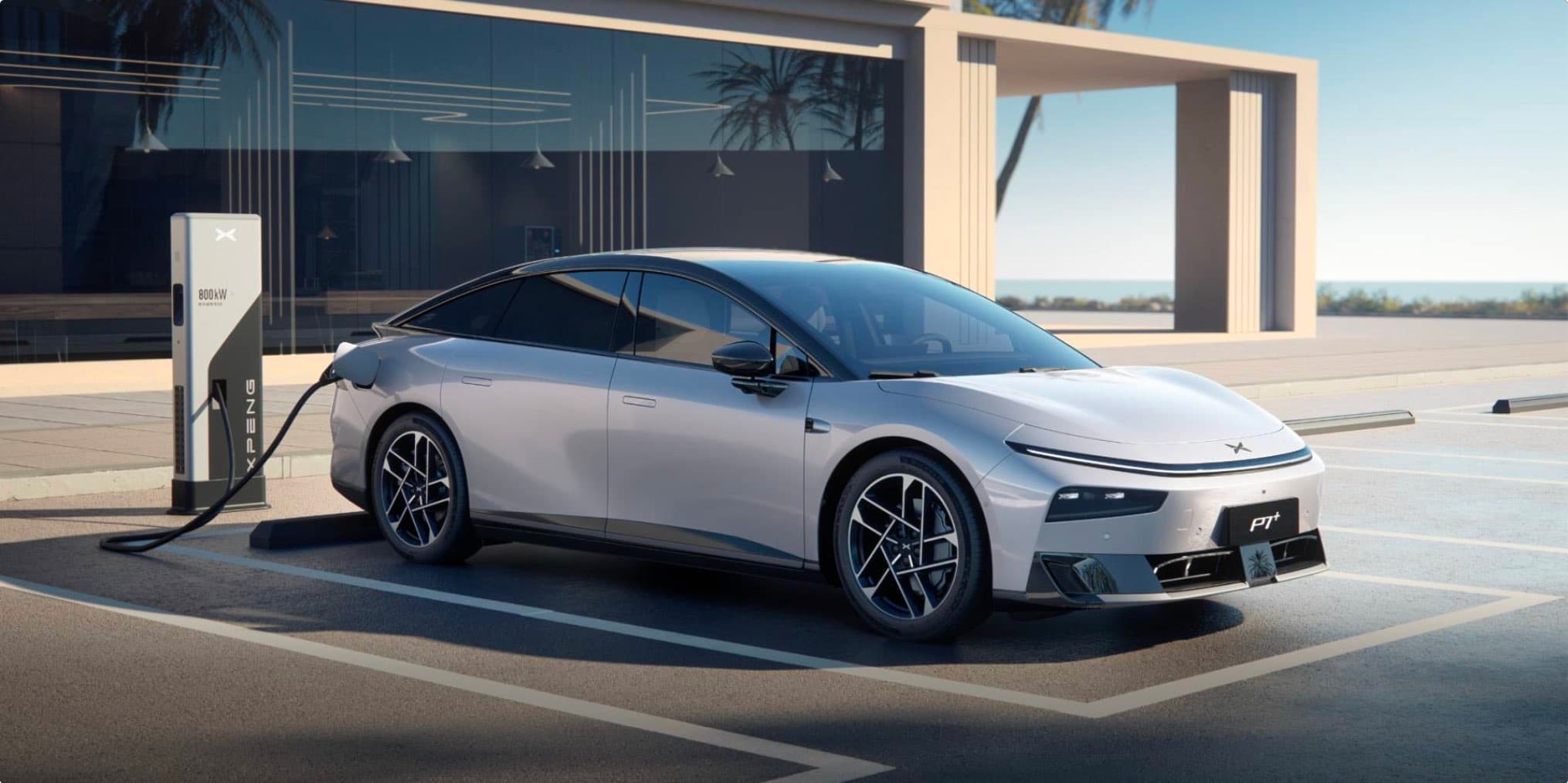
German dealers are reporting delayed payments related to vehicles sold. At Xpeng, dealers are said to be waiting up to six months for contractually agreed amounts to arrive. For a dealership, this is a genuine risk because ongoing costs such as staff, rent, financing and demonstrator vehicles cannot be put “on hold.”
Why This Is a Real Problem for Dealers
The dealership business depends heavily on predictable cash flow. If bonuses, subsidies or reimbursements arrive significantly later than agreed, pressure on liquidity increases. This may lead dealers to focus their sales efforts more heavily on brands and models for which settlement and payment processes are reliable and fast.
This is not merely an “accounting” issue. It directly affects how much marketing a dealer does for a brand, how many vehicles it keeps in stock and how actively it organizes test drives and deliveries. In short: Slow settlement → less momentum in the market.
Possible Causes: Growing Pains or Deliberate Strategy?
Some dealers are speculating that the delays could be part of a liquidity strategy. This is an assumption that is difficult to substantiate from the outside. However, a less dramatic explanation is also plausible: pressure from expansion and processes that have not yet been scaled for Europe.
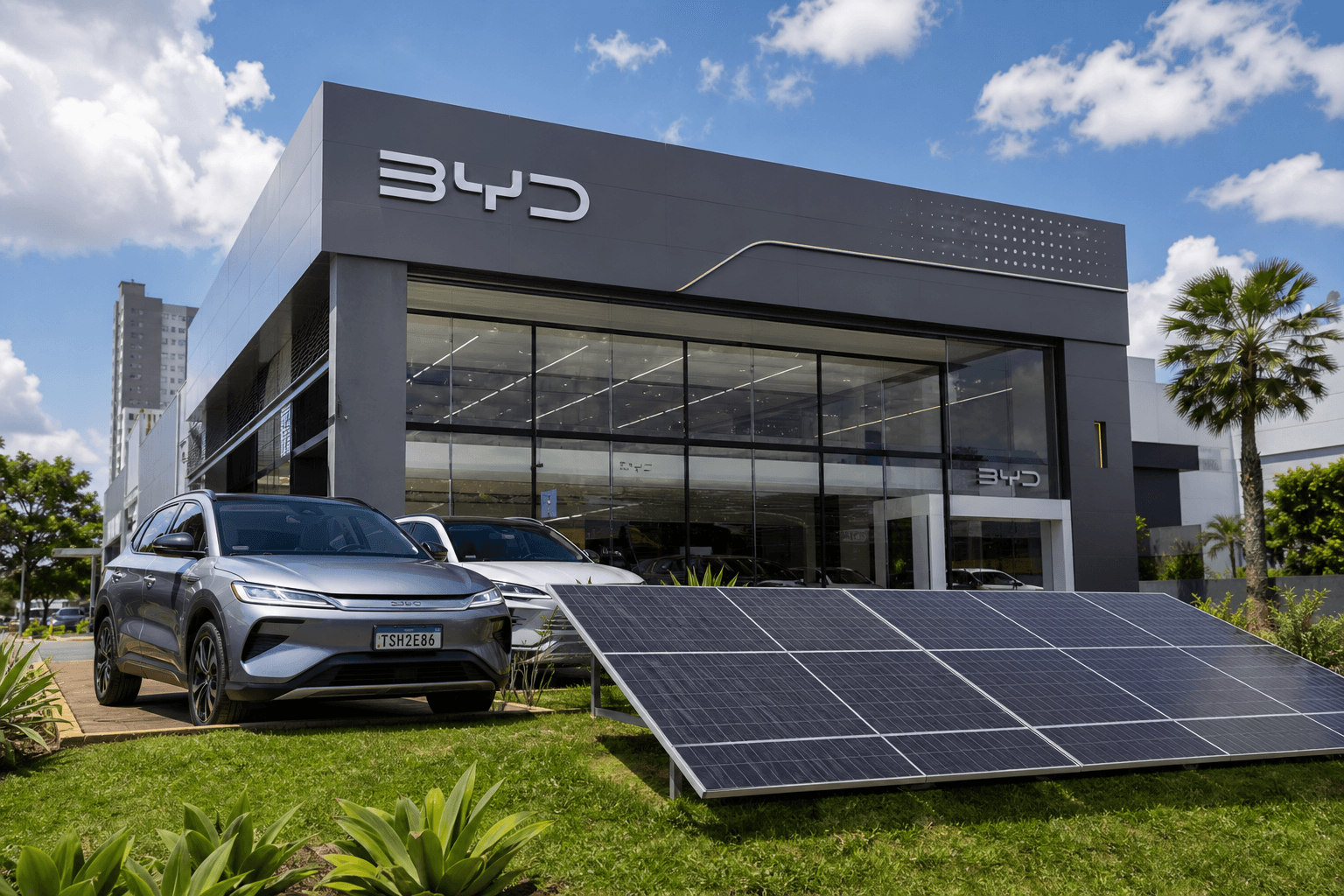
Xpeng reportedly attributes the delays to faster-than-expected growth, which is creating additional internal work. At BYD, the stated cause is an extensive system of checks and approval bureaucracy, allegedly involving as many as nine approval stages, some of which depend on the group’s headquarters. The more interfaces and approvals there are, the greater the likelihood that processing times will spiral out of control.
What This Means for Customers in Germany, Austria and Switzerland
For buyers, the key point is that issues like these primarily affect dealers. They do not automatically indicate that service, spare parts or warranty claims are being handled poorly. Nevertheless, settlement and back-office processes are an early indicator of how organizationally “mature” a brand is in the market.
If dealers have to take on greater risks, this may indirectly affect the customer experience, for example through the availability of vehicles in stock, the speed of deliveries or the expansion of local service capacity. Particularly in a market where trust, residual values and the repair-shop network matter, operational stability is a competitive factor.
Putting It in the Competitive Context: New Brands Must Deliver More Than Technology
The DACH market is tough: Customers expect fast response times, transparent processes and a dependable service network. Many Chinese brands offer strong hardware, but Europe additionally demands efficient partner and dealer processes. BYD and Xpeng are not alone in this respect; every fast-growing brand eventually struggles with scaling, but such problems become apparent particularly quickly in Germany.
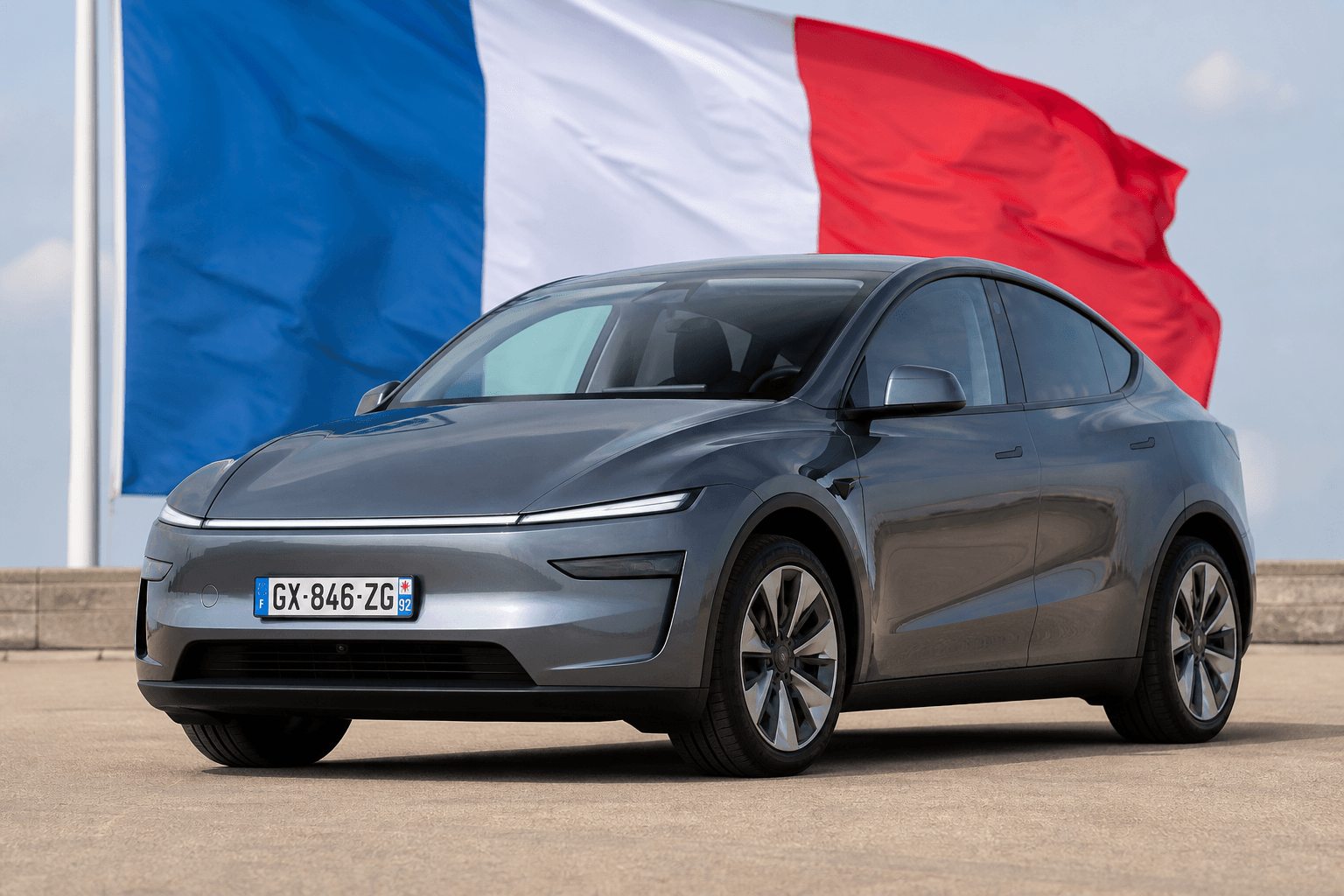
For comparison, Tesla has also repeatedly refined its process chains while ramping up in Europe, including delivery waves, parts logistics and service capacity. The difference is that Tesla manages much of this directly and handles less through traditional dealership structures. With dealer networks, expectations for settlement processes and predictable payments are especially high.
Which Xpeng and BYD Models Are Currently in Focus?
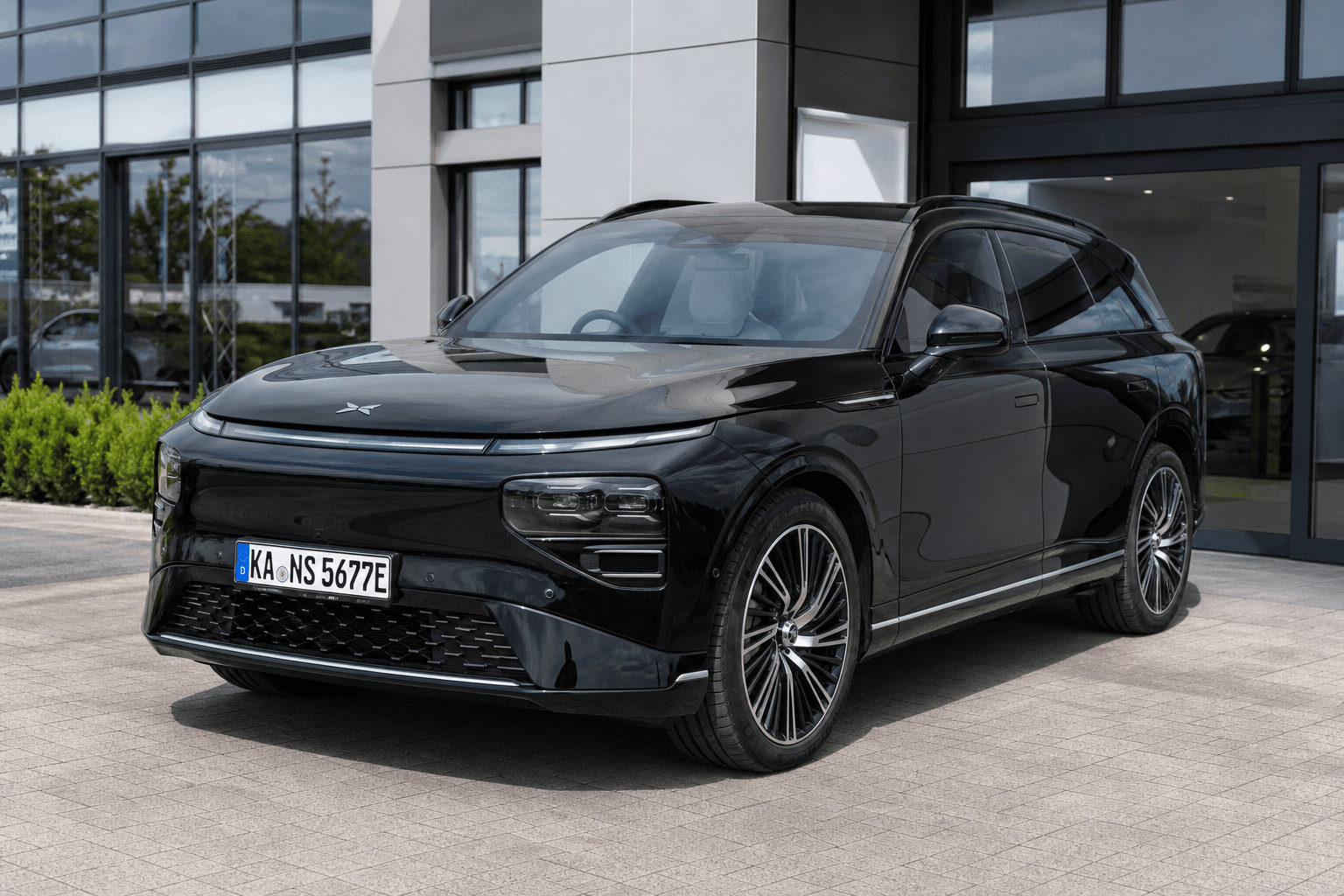
The reports come at a time when both brands are expanding their European portfolios. At Xpeng, SUVs such as the XPeng G9 are a technological flagship for many customers, while BYD covers several price segments, including with the BYD Dolphin, which is a relevant compact EV in Germany. For the overall perception of the brands, it is crucial that the processes behind the products also run reliably.
What Dealers Need Now to Ensure Smooth Operations in Germany
If the reports are confirmed, the solution is less about “PR” and more about improving processes. Clear settlement cycles, fewer approval stages, local decision-making authority and digital workflows that do not collapse as volumes increase are crucial. If this succeeds, the brands can accelerate their expansion in Germany without risking the trust of their sales partners.
For the market as a whole, this is an interesting reminder: EV success has long depended on more than just range or charging performance—it also depends on whether the organization behind the product operates with European standards of reliability. Those that improve quickly in this area will gain more in everyday business than they would from the next specification-sheet upgrade.