“Made in EU” EV Incentives: A Conditional Shift in Policy
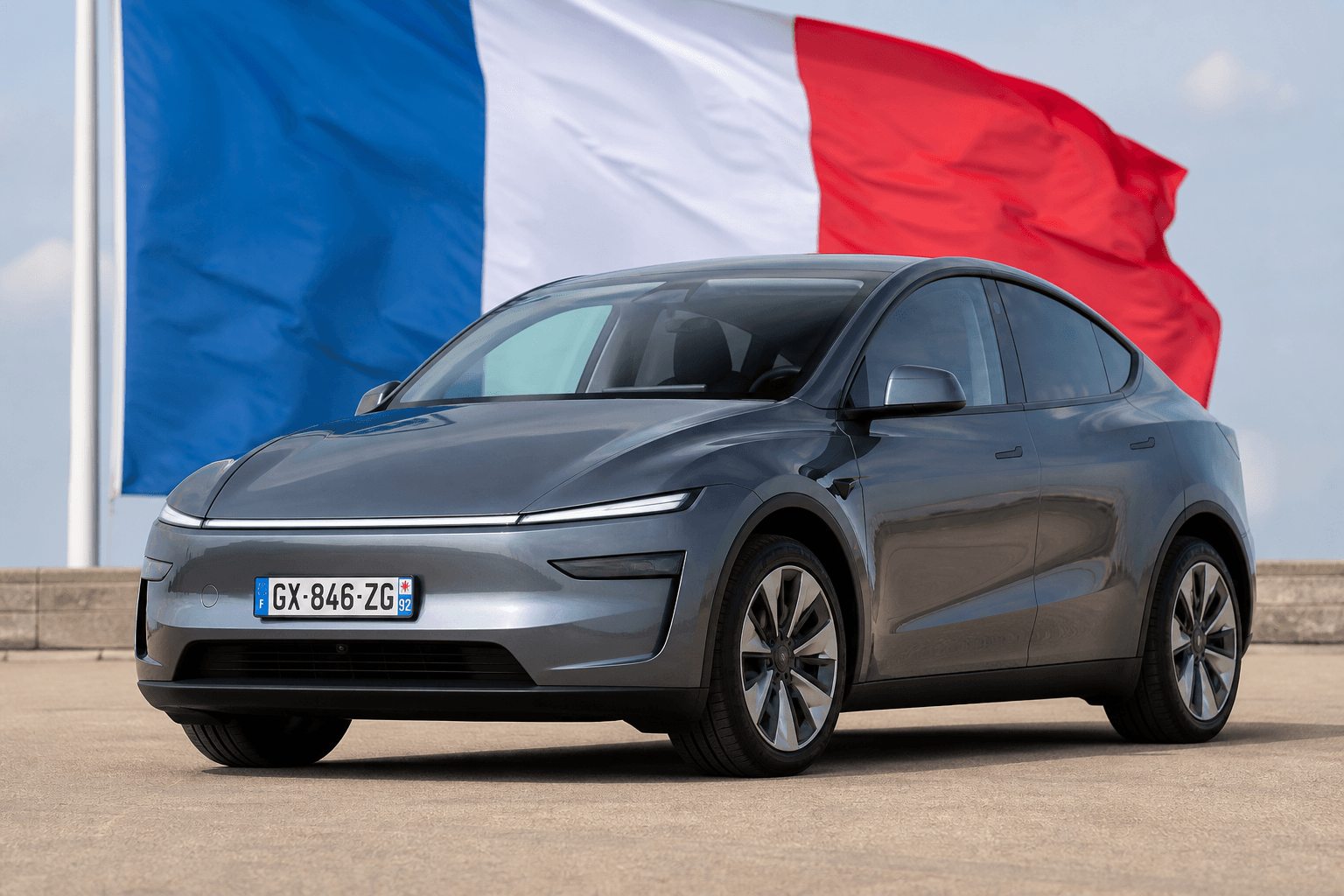
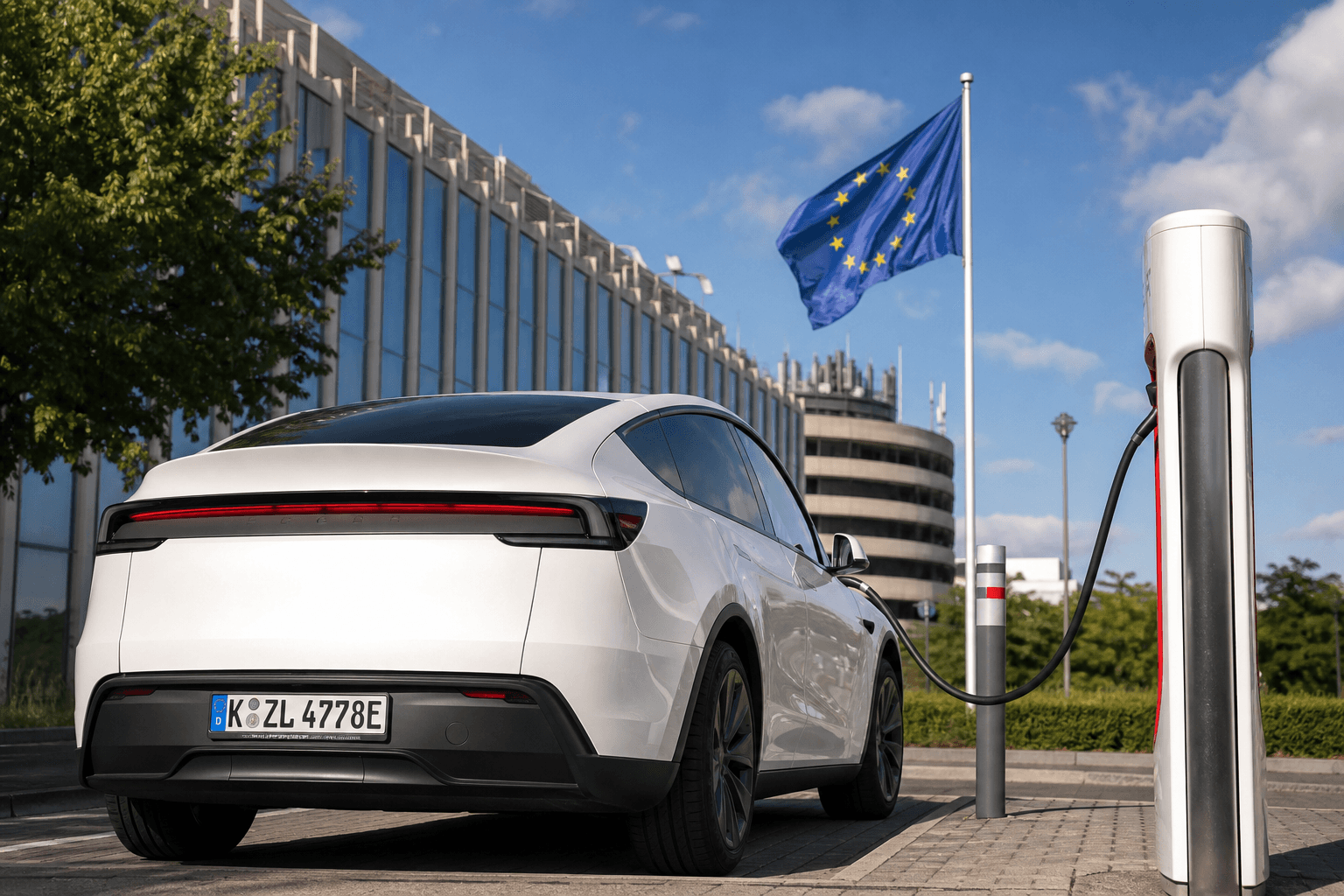
A new guiding principle could soon shape Germany’s EV incentive program: “Made in EU”. The parliamentary groups of the governing CDU/CSU bloc, Germany’s center-right alliance, and the SPD, the Social Democratic Party, have announced plans to add local-content criteria to the existing program. This would amount to an origin requirement that favors vehicles with European value creation.
The fine print is important: The change is not to be introduced by Germany alone, but only once the federal government has developed criteria that comply with EU law and can preferably be harmonized across the EU. This makes clear that the aim is less about quick symbolic policymaking and more about finding a legally robust solution that will not immediately be struck down.
Why “Made in EU” Is Being Considered
Since the current incentive program began, there has been debate over the fact that it benefits not only models from the EU but vehicles from around the world. At times, the debate included claims that Chinese manufacturers were benefiting disproportionately. The federal government countered that the available data did not support these assumptions and provided an interim figure: Chinese brands accounted for 15% of the first 50,000 applications.
The issue nevertheless remains politically sensitive because Germany and the EU also view the automotive industry’s transformation as an industrial-policy project. It is about jobs, supply chains, and whether incentive funding will in future be tied more closely to European vehicle and battery production.
What This Could Mean for Buyers
If a “Made in EU” criterion is actually introduced, its impact will depend heavily on the details: Would final assembly count, the battery’s origin, the share of European components, or a combination of these factors? Depending on the rules, certain models could remain eligible even if the brand is not European—for example, if they are manufactured in the EU or use batteries produced in Europe.
This would be relevant to the market in the DACH region—Germany, Austria, and Switzerland—because many models rely on global supply chains. For Tesla, for example, eligibility would depend on which versions are produced in Europe and how the criteria are defined. The announcement does not yet provide a sound basis for assuming that individual manufacturers will receive blanket preferential or unfavorable treatment.
If you want a better understanding of the current incentive rules and common pitfalls, see our overview of EV range anxiety. Although it focuses primarily on use and planning, it also explores how purchasing decisions affect everyday life and which factors matter beyond incentives.
Plug-in Hybrids: Government Wants to Block Stricter EU Assessment from 2027
The second major issue concerns plug-in hybrids (PHEVs) and their role in fleet CO2 targets. The CDU/CSU and SPD want to push for the suspension of the European Commission’s planned tightening of the utility factor from the beginning of 2027.
The utility factor determines the extent to which plug-in hybrids are calculated as being “driven electrically” in the EU’s CO2 accounting. The reason for changing it is that real-world use often differs from assumptions made in previous years. In 2022, the EU found that the real-world CO2 emissions of the PHEVs studied were, on average, around 3.5 times as high as their type-approval figures. The utility factor was therefore already reduced from 2025, with a further tightening scheduled under current law from 2027.
Impact: Relief for Manufacturers, but Less Pressure to Cut CO2
If the tightening were suspended, manufacturers would find it easier to meet their fleet targets and avoid potential fines. At the same time, there would be less regulatory pressure to assess plug-in hybrids in a way that more accurately reflects real-world use. At least on paper, this would be a step backward for CO2 reductions.
This is indirectly relevant to EV buyers: The more PHEVs “help” manufacturers from a regulatory perspective, the less pressure manufacturers face in the short term to respond with attractive battery electric vehicle (BEV) offers, lower prices, or higher production volumes. The electrification trend will continue, but its pace could shift.
Autonomous Driving: From Pilot Projects to Widespread Use
Third, the coalition’s parliamentary groups want to move Germany forward on autonomous driving. The plan is still relatively broad, but the direction is clear: faster approvals and targeted funding are intended to help bring autonomous systems out of pilot projects and into regular operation.
The biggest driver of everyday adoption is not private use but public transportation. Many operators are struggling with driver shortages and see autonomous shuttles as an opportunity to serve outlying areas, provide on-demand services, or operate new routes more economically.
International pressure is also increasing. Robotaxi services are already operating in several US cities, while Munich is emerging as a likely location for a commercial launch in Germany in the foreseeable future. Our look at autonomous driving functions and real-world maneuvers in urban environments is also relevant here, because ultimately it is practical performance—not marketing—that matters.
Analysis: What Really Matters Now
Ultimately, these are three very different policy levers, but they all point in the same direction: industrial strategy, climate regulation, and future technology. The “Made in EU” signal could noticeably change the incentive system, but it is subject to EU law and harmonization, meaning it cannot be implemented overnight.
The utility factor highlights the classic conflict between easing the burden on industry and achieving climate goals. With autonomous driving, much will depend on whether approval procedures, liability issues, and operating models actually become faster and clearer.
If you want to know which BEV models are currently in particularly high demand and how the market is developing, our overview of the EV boom in Europe also provides useful context, as incentive policies and market shares influence each other.