24 V4 charging stalls for Tesla’s Robotaxi fleet
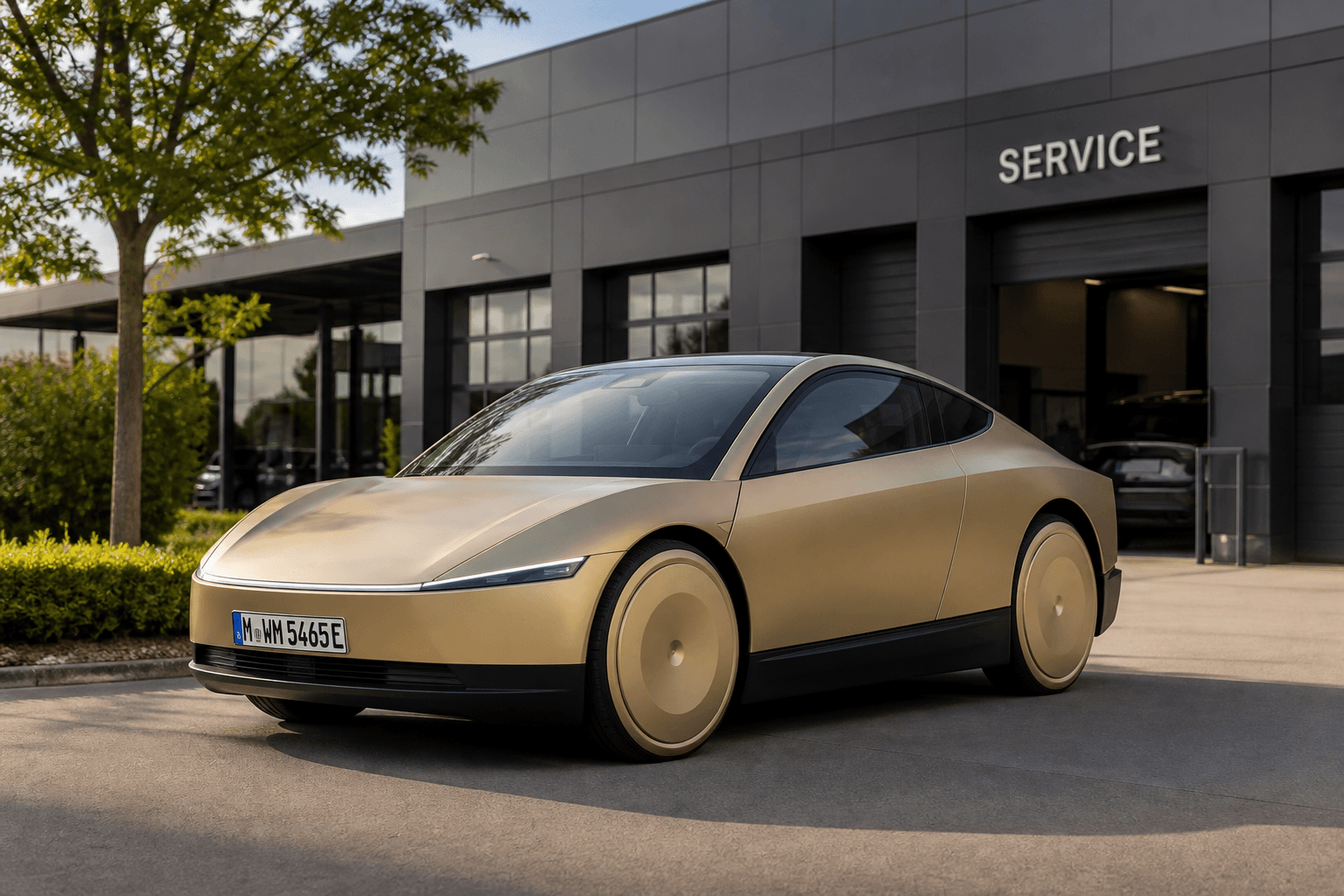
Tesla has submitted documents for another dedicated Robotaxi charging hub in Austin. The facility is to be built at the existing sales, delivery and service center on Ridgepoint Drive and will exclusively serve commercially operated autonomous vehicles.
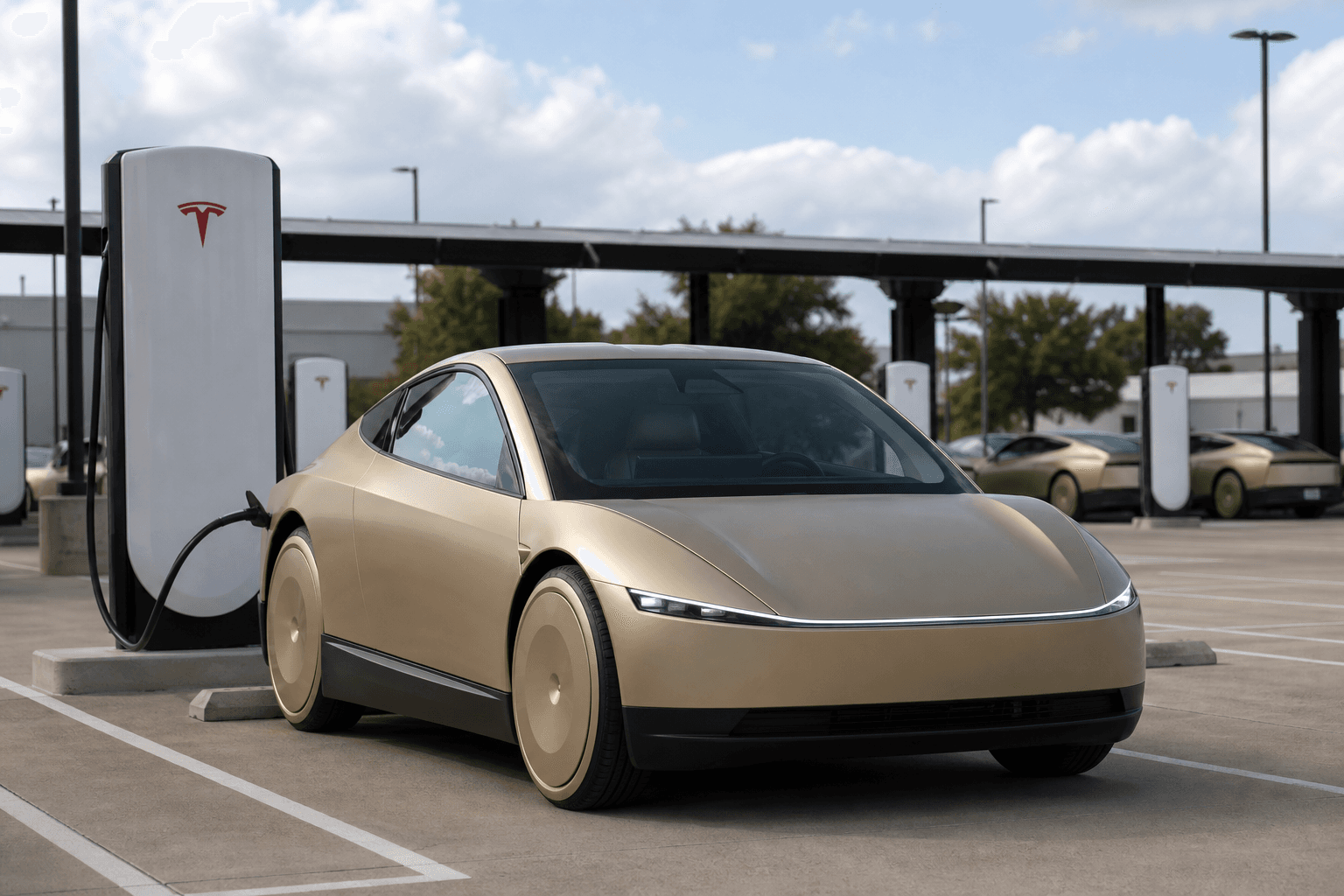
The plans call for 24 V4 charging stalls behind the building. Around 29 to 32 existing parking spaces would be converted for this purpose. The project is still going through the approval process, so the actual start of construction and final design may change.
| Metric | Planned specification |
|---|---|
| Location | 2323 Ridgepoint Drive, Austin |
| Use | Tesla Robotaxi fleet |
| Charging stalls | 24 V4 stalls |
| Power equipment | Three V4 power cabinets |
| Grid connection | 2,500 kVA transformer |
| Main distribution | 4,000 amperes |
| Wireless charging | Not planned |
Why Tesla is initially relying on charging cables
The new site differs from another planned Robotaxi depot in southern Austin. Its first phase is expected to include 48 V4 charging stalls, with numerous wireless charging pads to be added later. At the Ridgepoint site, by contrast, Tesla is sticking with conventional plug-in charging for now.
That makes sense for current fleet operations. The Tesla Model Y remains an important part of the Robotaxi fleet and uses conventional plug-in charging. The Cybercab vehicles currently in service also have a concealed North American Charging Standard (NACS) port, even though the production concept is designed around wireless charging in the long term.
Conventional V4 stalls can be used immediately by the Model Y and Cybercab, while wireless systems require additional equipment in both the vehicle and the ground.
The three central V4 power cabinets distribute the available power across a total of 24 charging stalls. However, the number of stalls does not automatically mean that every vehicle will receive the maximum charging power at all times. The grid connection, load management, battery state of charge and number of Robotaxis charging simultaneously are the key factors.
Dedicated depots reduce pressure on public Superchargers
A growing Robotaxi fleet needs far more than functioning software for Tesla’s autonomous driving. Between trips, the vehicles must be charged, cleaned, inspected and prepared for their next assignment. Public Superchargers would be only partially suitable for this because fleet vehicles could occupy stalls needed by regular Tesla customers.
The Ridgepoint hub is therefore intended to serve as both a charging area and a staging facility. Planned Wi-Fi access points on light poles could support communication with arriving vehicles. Flexible bollards are intended to organize the charging areas and protect them from damage.
Automated cleaning systems are also planned for other Robotaxi sites. Such systems could vacuum floors, clean surfaces and wash windows between passenger trips. However, the available plans do not indicate whether this technology will also be installed at Ridgepoint.
Austin becomes a testing ground for Robotaxi infrastructure
Tesla began offering public Cybercab rides in Austin in early September 2026. With one depot in the south and the planned site in the northeast, the company would cover key parts of the city. Shorter empty trips to charging facilities improve fleet utilization and reduce energy consumption.
The project initially has no direct impact on Germany, Austria or Switzerland. Approval, liability and operating rules for autonomous ride services differ significantly from those in the US market, and Europe predominantly uses CCS2 rather than NACS. Nevertheless, the underlying principle remains relevant: Robotaxi fleets need their own charging and service centers if they are to operate at scale.
The plans therefore show that Tesla is working on more than just vehicles and software. Dedicated charging hubs are a crucial component of reliable, continuous operations. At the same time, they can prevent a growing commercial fleet from putting pressure on publicly accessible charging infrastructure.