Tesla rethinks the service visit
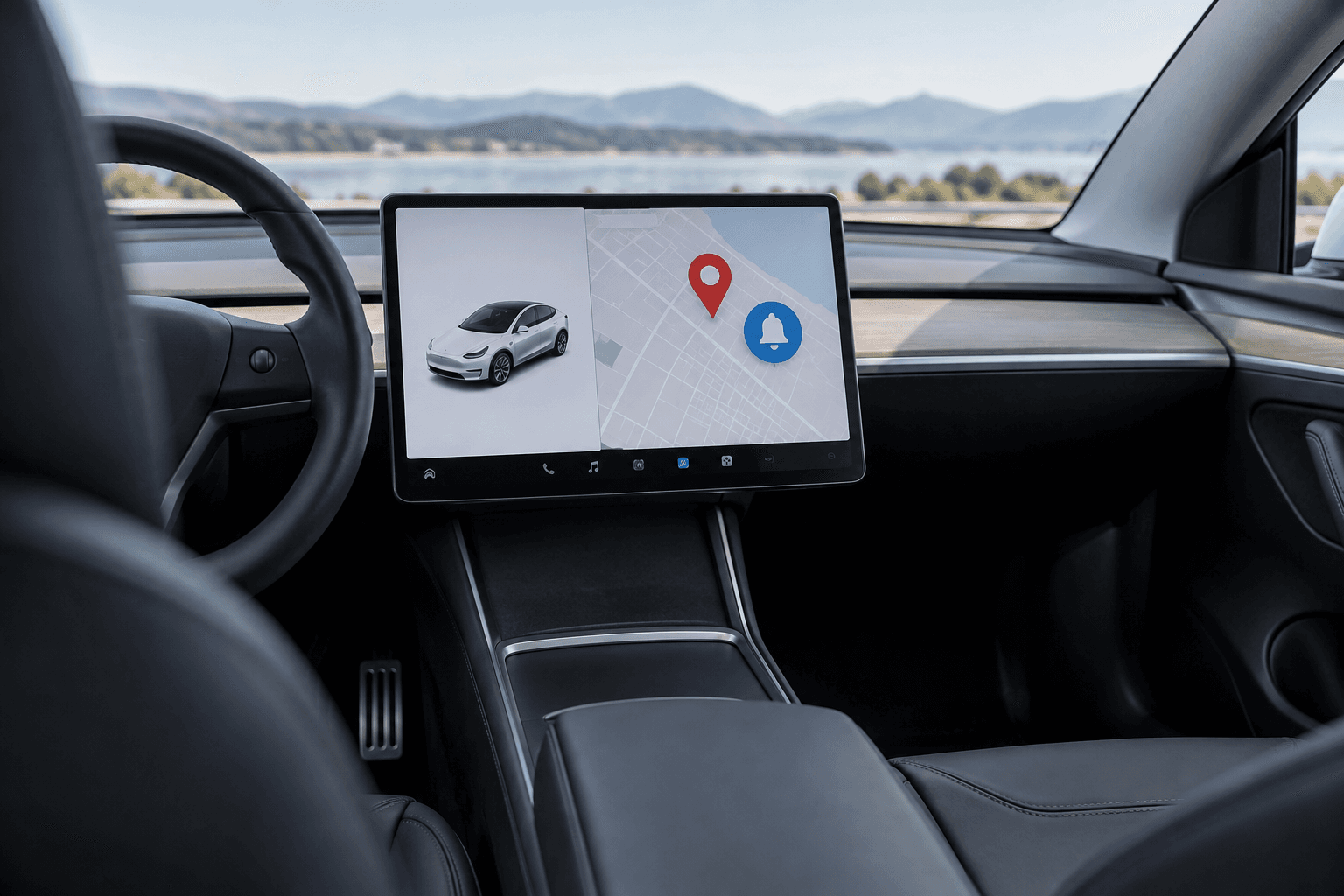
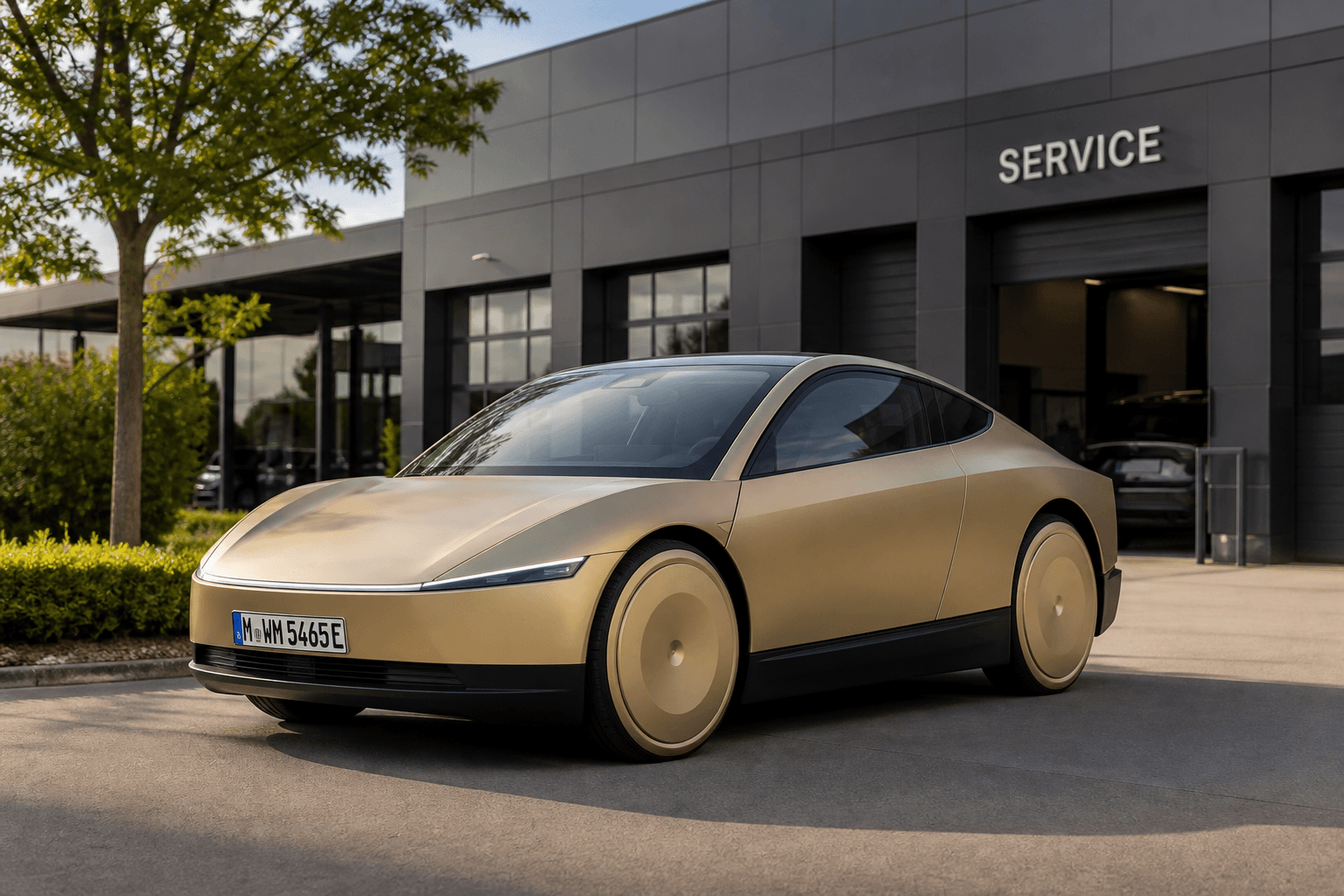
Customers who bring their Tesla in for service may no longer automatically receive a loaner car or ride credit in the future. References to robotaxi rides for service customers have been discovered in a recent version of the Tesla app.
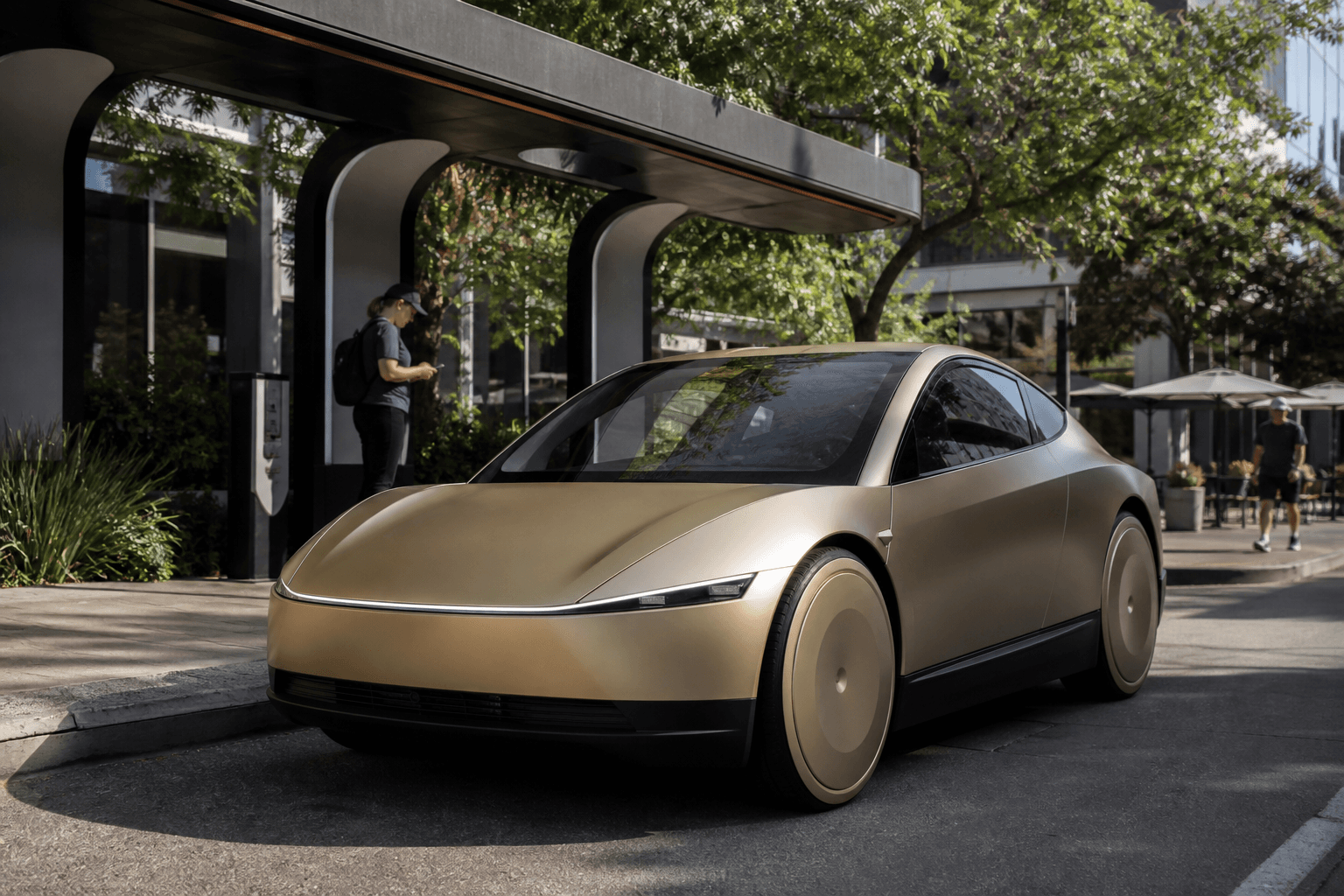
The idea is as simple as it is efficient: The robotaxi takes the customer home or to the office after they drop off their vehicle, then picks them up again later. Afterward, the vehicle can immediately collect its next passenger instead of sitting in a parking lot for hours as a loaner car.
A robotaxi used as a temporary transportation alternative could reduce Tesla’s service costs while increasing utilization of its autonomous fleet.
These options appear in the app’s code
The labels discovered suggest that Tesla is preparing, or at least testing internally, several alternatives to a conventional service loaner. In addition to the robotaxi, the following mobility options appear:
- Robotaxi: Automated ride to the desired destination and later back to the Service Center
- Paid loaner car: Replacement vehicle for an additional fee
- E-bike: Transportation option for short distances
- Bolt: An option that has not yet been clearly identified, possibly an external mobility service
Such entries do not prove that a launch is imminent. App code may contain features that are merely being tested, limited to certain regions, or later abandoned. Tesla itself has not yet officially announced the new service concept.
Why the concept would make sense for Tesla
A conventional loaner car incurs purchasing, cleaning, insurance and administrative costs. At the same time, it often remains with the customer for the entire service appointment, even if the customer only needs two individual trips.
A robotaxi would be different: Ride completed → vehicle available again. Tesla could make better use of existing capacity and would need to keep fewer vehicles exclusively for service operations.
There would also be a strategic benefit. Every service customer would directly experience Tesla’s technology for autonomous driving with FSD (Full Self-Driving). It would not only provide transportation, but also demonstrate the robotaxi platform.
How service customers could benefit
For owners of a Tesla Model 3, Tesla Model Y or another Tesla, dropping off the vehicle could become more convenient. The appointment, Service Center and estimated repair time are already stored in Tesla’s system. This would allow a ride to be coordinated directly through the app.
However, a robotaxi cannot replace a loaner car in every situation. Customers who need to make several trips flexibly during a repair lasting multiple days, or who live outside the robotaxi service area, would probably still be better served by a replacement vehicle. Tesla could therefore offer a choice between a robotaxi, a paid loaner car and other local options.
For the DACH region, it remains a distant prospect
An initial rollout would be most plausible in US regions where Tesla is already testing robotaxi services or has regulatory permission to operate them. Even there, the feature would likely be introduced gradually and only at selected service locations.
In the DACH region—Germany, Austria and Switzerland—driverless ride services depend on extensive approvals, clearly defined operating areas and national regulations. A corresponding Tesla service is therefore unlikely to arrive there in the near term.
Nevertheless, the references in the app show how Tesla could use its robotaxi network over the long term. Rather than transporting only paying passengers, autonomous vehicles could also combine service logistics with customer support.