Lucid and Bolt Launch Robotaxi Push in Europe
Lucid and mobility provider Bolt plan to jointly build a large electric robotaxi fleet for Europe. The plan calls for more than 25,000 autonomous vehicles that will eventually be available to book through Bolt’s ride-hailing platform.
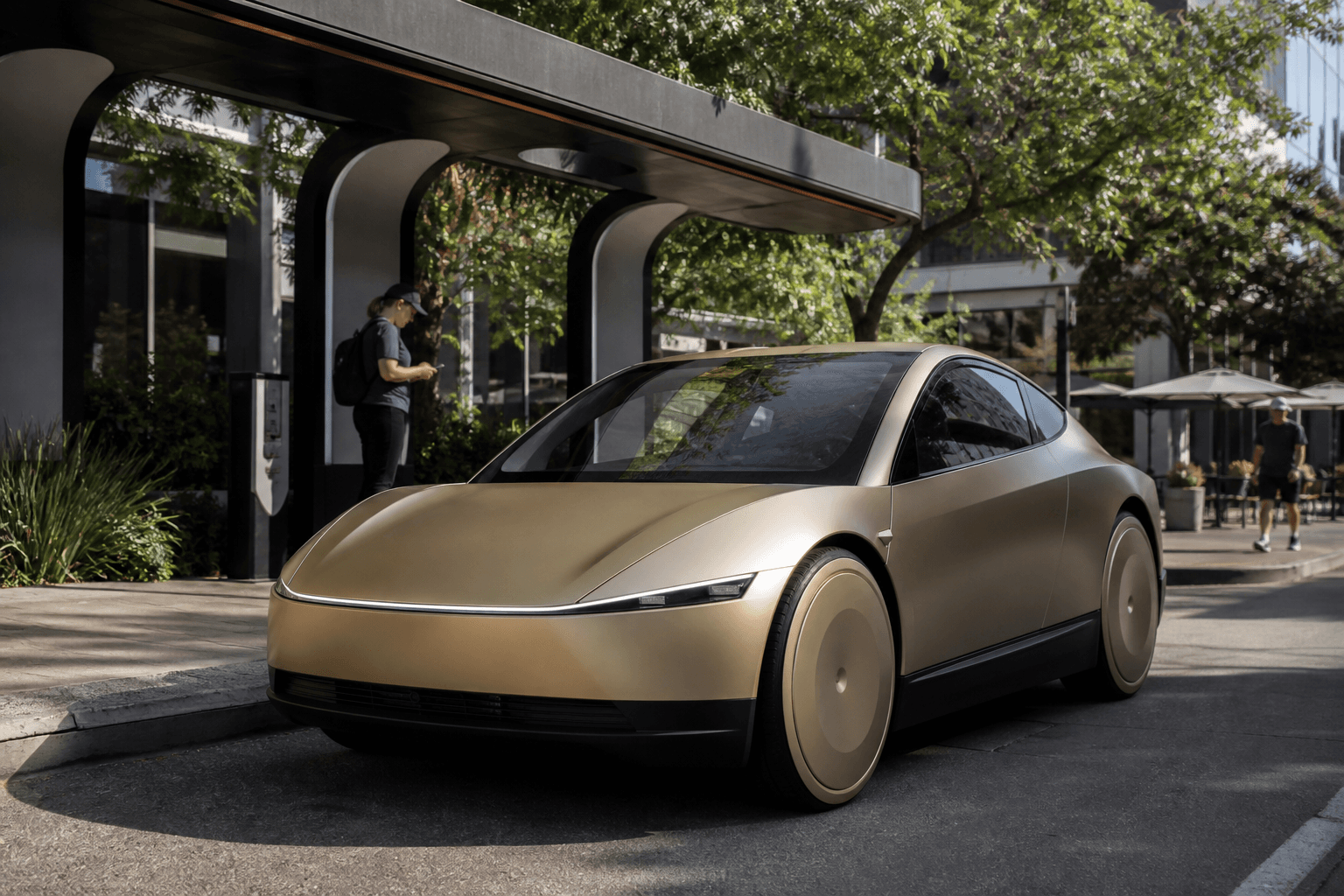
The vehicles will be based on Lucid’s yet-to-be-unveiled family of electric midsize crossovers. The model will be positioned below the Gravity and is therefore also likely to compete with the Tesla Model Y. It has not yet been definitively confirmed whether the robotaxi version will actually be called the Lucid Cosmos.
Level 4 Is Intended to Enable Driverless Operation
The planned vehicles are expected to support SAE Level 4 autonomous driving. Within a clearly defined operating area, the system handles the entire driving task and must also be able to respond independently to disruptions.
In principle, a safety driver is not required in this scenario. However, this applies only within the approved operating conditions, such as specific cities, sections of road, weather conditions, and speed ranges. Outside these limits, the vehicle may not simply continue operating autonomously.
25,000 vehicles is the fleet target. The crucial question, however, will be how many European cities actually approve regular driverless operation.
Nvidia Hyperion Provides the Technical Foundation
For sensors and computing power, the partners are expected to use Nvidia’s Hyperion platform. Hyperion is a reference architecture that combines powerful in-vehicle computers with cameras, radar, and other sensors.
However, the platform alone does not turn an electric car into a robotaxi. Driving software, high-resolution map data, remote monitoring, fleet management, and extensive approval testing are also required. Lucid and Bolt must combine these components into a complete system for European roads.
| Partner | Planned Role |
|---|---|
| Lucid | Electric vehicle platform and integration of vehicle systems |
| Lucid Technologies | Driver assistance systems, autonomous functions, and digital vehicle technology |
| Bolt Autonomous Driving Solutions | Vehicle requirements, fleet operations, software, and partnerships with cities |
| Nvidia | Hyperion architecture for computing power and sensor integration |
Lucid Brings an Efficient EV Platform
Lucid is currently best known for the luxurious Lucid Air sedan and its high efficiency. The upcoming midsize crossover is intended to bring this technology to a higher-volume segment that is considerably more attractive for robotaxi fleets.
Range and charging performance are not the only factors that matter to operators. Low energy consumption, minimal downtime, a durable interior, and a vehicle architecture capable of reliably powering sensors and high-performance computers are particularly important. High efficiency → lower electricity costs over the fleet’s entire service life.
Lucid is also already working with other partners on autonomous mobility services in the United States. Nevertheless, the European partnership with Bolt is a separate project that must be adapted to different traffic rules, roads, and approval procedures.
Bolt Is Pursuing an Even Larger Fleet Target
The more than 25,000 Lucid vehicles are part of a broader strategy. By 2035, Bolt aims to operate a total of 100,000 autonomous vehicles on its platform. The European company brings experience from more than 850 cities.
The advantage of this division of responsibilities is clear: Lucid develops the vehicle and handles integration, while Bolt organizes demand, operations, and local fleet structures. This is precisely the combination that many earlier robotaxi projects lacked: they made significant technical progress but were unable to establish scalable operations.
European Regulation Remains the Biggest Hurdle
An autonomous car cannot be deployed across Europe on the basis of technical approval alone. Type approval, the operating area, liability, data use, and cooperation with local authorities all need to be clarified. There are also differing national rules within Europe.
For Germany, Austria, and Switzerland, gradual launches in limited areas are therefore more likely than immediate nationwide rollouts. Clearly mapped urban areas, airport transfers, or fixed mobility zones are particularly suitable.
Other manufacturers are also working on similar systems. Tesla, for example, continues to advance its autonomous driving platform, with the development of FSD and robotaxi technology following a different, heavily software-focused approach. The competition shows that robotaxis are increasingly evolving from pilot projects into a strategic line of business.
Ambitious Plan, but No Firm Launch Date Yet
Lucid and Bolt have not yet named specific launch cities or provided a binding timeline for the complete fleet. Technical details about the midsize crossover and the final sensor platform also remain outstanding.
Even so, the partnership is significant: an efficient EV manufacturer, an established mobility service, and Nvidia as a potential technology partner cover key parts of the robotaxi value chain. Whether this actually results in more than 25,000 driverless vehicles will ultimately depend not only on the technology, but also on the pace of approvals in Europe.