Tesla Outlines New Roadmap for FSD v15, Cybercab and Optimus
At a meeting with investors in Fremont, Tesla outlined its latest timeline for Full Self-Driving (FSD) v15, the robotaxi program including Cybercab, and the Optimus humanoid robot. Meetings like these are often less about product announcements than managing expectations. Even so, the statements are noteworthy because Tesla generally provides more specifics in these settings than it does in public social media posts.
An important point of context: Many of these items appear to be a continuation of goals Tesla has pursued for years. At the same time, the company is making visible, tangible progress on several fronts, including software, manufacturing and its AI stack. What ultimately matters is how much of this reaches drivers in everyday use and delivers results in a robotaxi service operating at scale.
FSD v15 Is Intended to Be a Genuine Leap, With Tesla Calling It a “Step-Change”
According to Tesla, FSD v15 is expected to deliver a significant leap in performance. The update is based on seven “core technologies,” some of which are already running in vehicles in the robotaxi fleet. Early feedback is said to be encouraging.
For users in the DACH region—the German-speaking markets of Germany, Austria and Switzerland—the context is crucial: Even if the software evolves more quickly in the US, local features depend heavily on regulations, approvals and how the product is defined, whether as assisted driving or unsupervised driving. In short, a software milestone in the US does not automatically mean it will arrive on roads in Germany, Austria or Switzerland unchanged and in the near term.
Is HW4 Sufficient for Unsupervised Driving, and What Does AI4.5 Mean?
Tesla emphasizes that the current hardware generation, HW4 (also known as AI4), should be sufficient for v15 and, eventually, for unsupervised driving as well. At the same time, Tesla is rolling out AI4.5, with around 10% more computing power and approximately twice as much memory.
From a technical perspective, the increase in memory is at least as relevant as raw computing power, as larger models, greater sensor fusion and more extensive safety logic all benefit directly. In practical terms, more processing capacity in the car could make it possible to run new neural-network architectures without major compromises, rather than requiring variants adapted to the limitations of the hardware.
At the same time, Tesla still has to address the central issue: When a hardware generation is presented as sufficient, buyers expect feature parity for years. Tesla’s use of reduced software paths on some older platforms illustrates how difficult it is to fulfill that promise in practice.
Cybercab and Robotaxis: Scaling Involves More Than Production
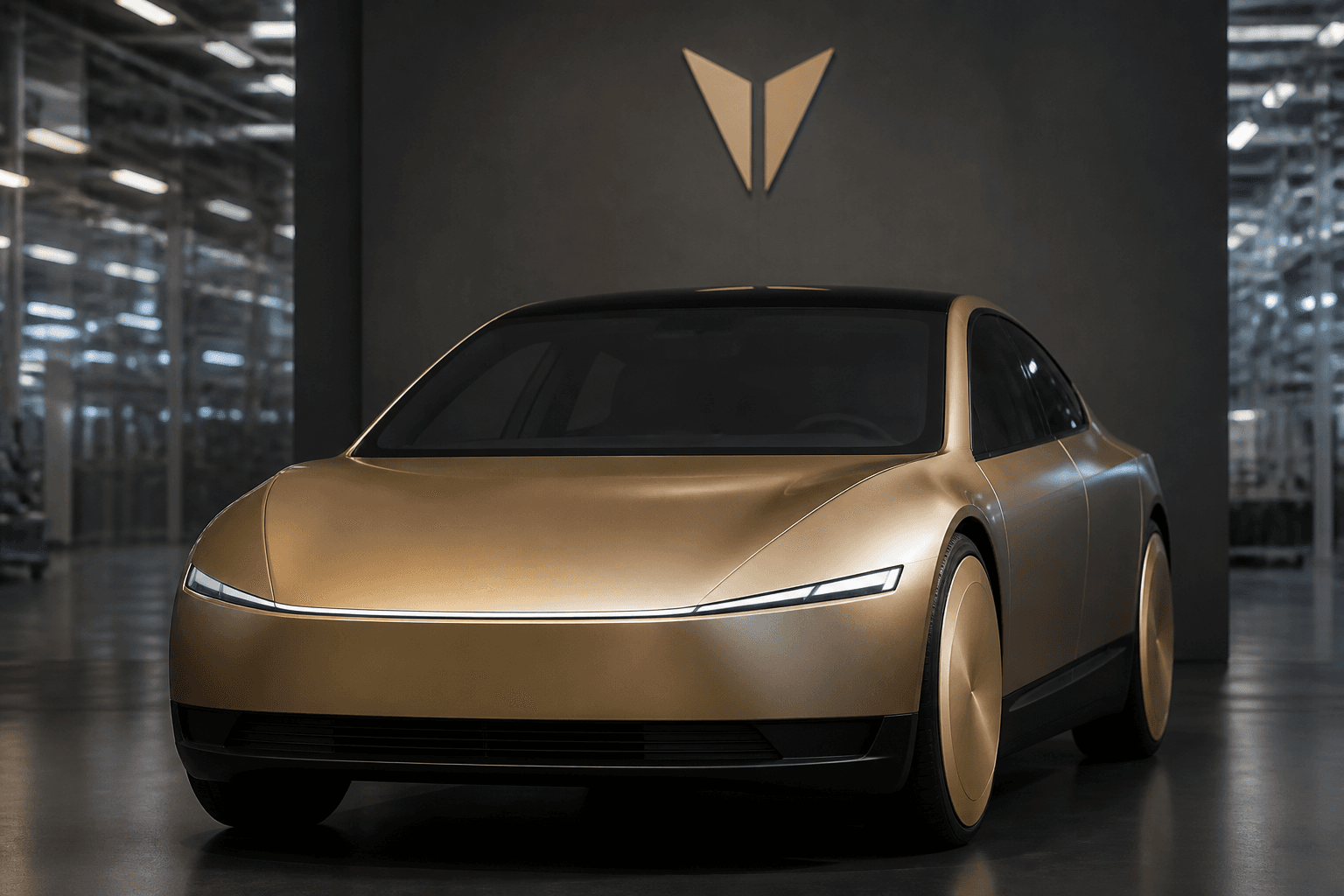
For its robotaxi program, Tesla is signaling confidence that it can scale up the Cybercab platform in the near future. The company cites new manufacturing approaches, among other factors, as well as a long-term fleet operating cost target of around 0.30 per mile, equivalent to approximately 0.19 per km.
Two aspects matter when assessing this claim: First, whether production can ramp up quickly. Second, whether the service can keep pace in terms of safety evidence, stable operating metrics and regulatory acceptance. Tesla is competing here with established robotaxi approaches that have already accumulated very high mileages in commercial operation.
If you are interested in robotaxis and autonomy more broadly, it is also worth looking at our section on Tesla HW4 and “distilled” FSD models, which makes the relationship between hardware, model size and fleet strategy easier to understand.
Optimus Gen 3: Sales to External Customers Under Discussion for 2027
Regarding the Optimus humanoid robot, Tesla says the Gen 3 design has been finalized, the supply chain has largely been secured and a production line is being prepared in Fremont. External commercial sales could begin in the second half of 2027.
That is ambitious because Tesla has frequently had to delay timelines for major platform transitions and future products in the past. On the other hand, when Tesla seriously industrializes manufacturing, the pace of hardware projects can accelerate sharply. The crucial question for customers is whether Optimus will already be capable of genuinely productive work rather than merely serving as a demonstration robot, since they will be looking for a return on investment.
What Does This Mean for Tesla Drivers in Germany, Austria and Switzerland?
For many people in the DACH region, FSD is currently less a question of the software version than of regulatory approval and the permitted scope of its functions. Nevertheless, v15 and the statements about hardware are relevant because they indicate where Tesla’s technology stack is heading and which vehicle platforms are likely to benefit from it over the long term.
If you drive a Tesla, two points are particularly relevant in everyday use: First, how noticeably new FSD versions improve the smoothness of driver-assistance features, including fewer “micro-jerks,” more precise lane positioning and better object interpretation. Second, whether Tesla can optimize features not only for new hardware but also roll them out reliably across the existing fleet.
On a related note, our model pages for the Tesla Model Y and Tesla Model 3 provide the key technical specifications that interact with software updates in everyday use, from efficiency to charging setup.
Assessment: Big Promises, but Also a Clear Trend
Tesla’s core message is clear: v15 is intended to be a genuine leap, HW4 is expected to be sufficient, Cybercab is set to scale and Optimus is supposed to enter the market in 2027. At the same time, Tesla’s history shows that a “timeline” is often more of a general direction than a fixed date.
Even so, the update is relevant overall: Tesla is integrating software, AI hardware and manufacturing more closely than ever into a single product ecosystem. Whether this will soon result in unsupervised driving for private customers remains an open question. But as a signal of Tesla’s priorities—autonomy, robotaxis and robotics—the roadmap has become clearer.