Xpeng Opens Up Its Technology Toolkit
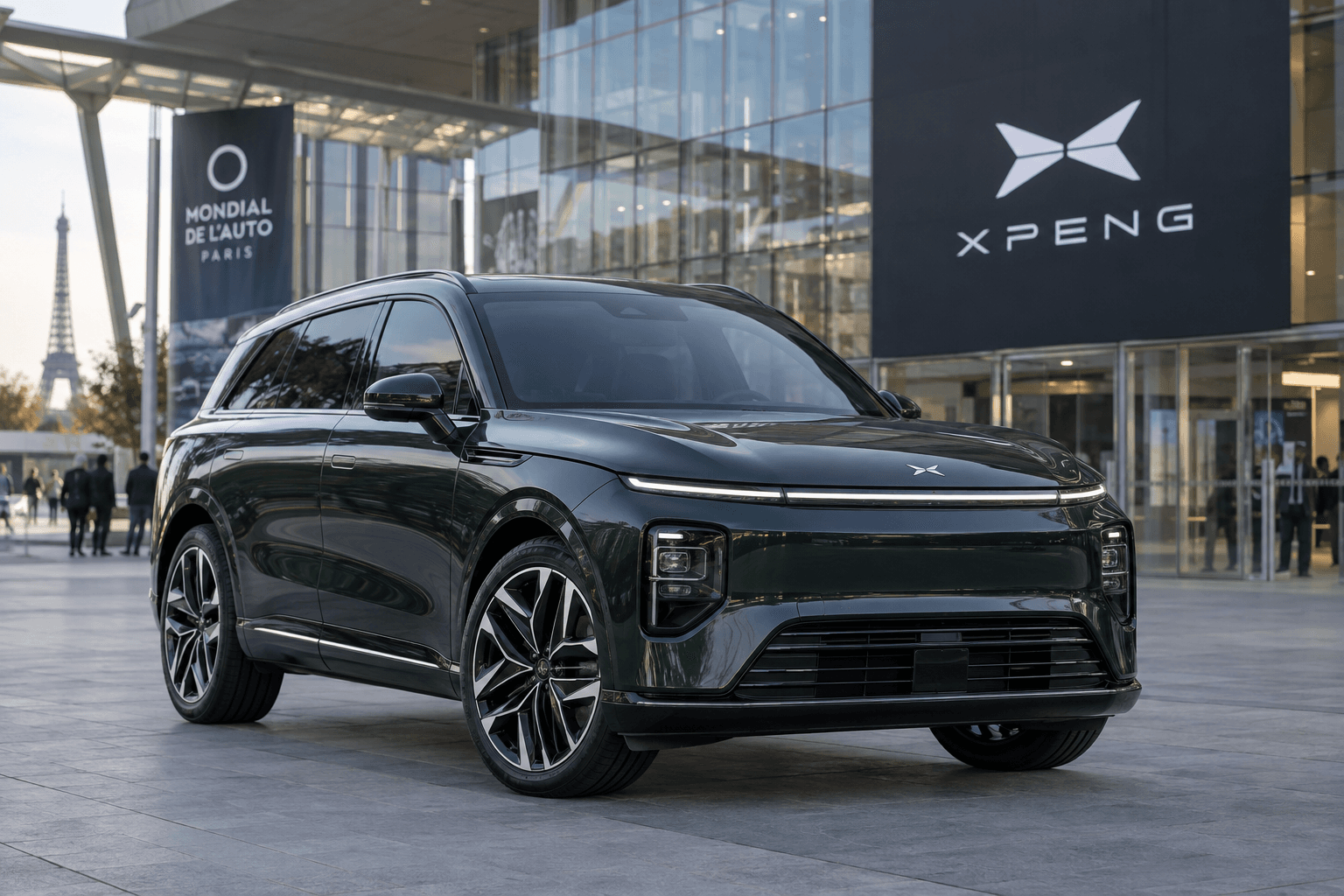
Xpeng could position itself much more broadly in the future. The Chinese electric car manufacturer is reportedly in talks with additional international automakers, software companies and suppliers about using its platforms and software solutions.
No new partners have been officially confirmed so far. Nevertheless, the direction makes sense: Xpeng has invested heavily in modern electronics, AI hardware and driver-assistance technology. Licensing these systems multiple times would spread the high development costs across larger production volumes.
Xpeng apparently wants to sell not only electric cars, but also key building blocks for software-defined vehicles.
Technologies Xpeng Could Offer
The focus is not limited to a single vehicle platform. The potential offering ranges from fundamental electronics to intelligent cockpits and AI-powered driving functions.
| Technology area | Potential benefit for partners |
|---|---|
| Electrical and electronic architecture | Fewer control units, faster data processing and a better foundation for updates |
| Intelligent cockpit | Connected displays, voice features and integrated digital services |
| Turing AI chips | Computing power for assistance systems, cockpit functions and on-device AI applications |
| Driver-assistance software | Faster development of complex assistance features and automated driving maneuvers |
The electronic architecture is particularly attractive to established manufacturers. A centralized structure can replace or consolidate numerous separate control units. Less hardware complexity → updates can be rolled out more easily and new functions integrated more quickly.
Xpeng regularly demonstrates its progress in automated driving under challenging conditions. One example is the previously demonstrated ferry maneuver using Xpeng VLA 2.0, in which the system navigated without conventional lane markings.
Volkswagen Provides the Blueprint
The most important real-world example is its partnership with Volkswagen. The German automotive group acquired a stake of around 5% in Xpeng in 2023 and has since been working with the Chinese manufacturer on electric cars for the Chinese market.
The VW ID. UNYX 08 is based on Xpeng technology and combines the Edward platform with cockpit solutions, intelligent driving functions and Turing chips. Additional models are expected to use the jointly developed China Electronic Architecture, or CEA.
For Volkswagen, this kind of cooperation shortens development time in an extremely fast-moving market. In return, Xpeng receives revenue from development services and can test its technology at high volumes. This is not a conventional supplier relationship, but a closer form of technical integration.
Services Are Growing Much Faster
Interest in additional licensing partners also has an economic rationale. The Chinese car market is characterized by intense price pressure, which weighs on margins in the vehicle business alone.
In the second quarter of 2026, Xpeng generated revenue of 2.70 billion yuan, equivalent to around €350 million, from services and other operations. This represented an increase of 93.9% compared with the same period a year earlier. Research and development services for Volkswagen accounted for a significant share.
Software, chips and development services could therefore become a second pillar of the business. This would make Xpeng less dependent on discounts and short-term fluctuations in sales of its own vehicles.
Robotaxis and Humanoid Robots Are Also in Focus
The licensing strategy is apparently intended to extend beyond conventional electric cars. Xpeng is reportedly exploring business opportunities involving what is known as physical AI—AI systems that control machines in the real world.
These include robotaxis, humanoid robots and operational support for entire robotaxi fleets. A dedicated commercialization team is expected to prepare partnerships and apply lessons learned from existing collaborations.
It remains unclear how far these offerings could be used outside China from a technical and regulatory perspective. Assistance systems and robotaxis must be adapted to regional traffic rules, maps, data protection requirements and approval procedures. Chinese software therefore cannot be transferred unchanged to Germany, Austria or Switzerland.
What the Strategy Means for Europe
No direct short-term effects have been announced for the DACH market—the German-speaking region comprising Germany, Austria and Switzerland. In the medium to long term, however, Xpeng technology could also appear in vehicles from other brands without being immediately visible from the outside.
For European manufacturers, purchasing mature electronics and software could be a way to close development gaps more quickly. At the same time, it would create new dependencies involving chips, data platforms and updates. The key questions will therefore be which components are operated locally and how manufacturers retain control over vehicle data and cybersecurity.
For Xpeng, the move makes strategic sense. The company can commercialize its development work multiple times, while partners can bring competitive electric cars to market more quickly. Whether this develops into a broad-based licensing business will now depend primarily on which additional manufacturers actually sign agreements.