Xpeng VLA 2.0: When Autonomy Goes Off Script
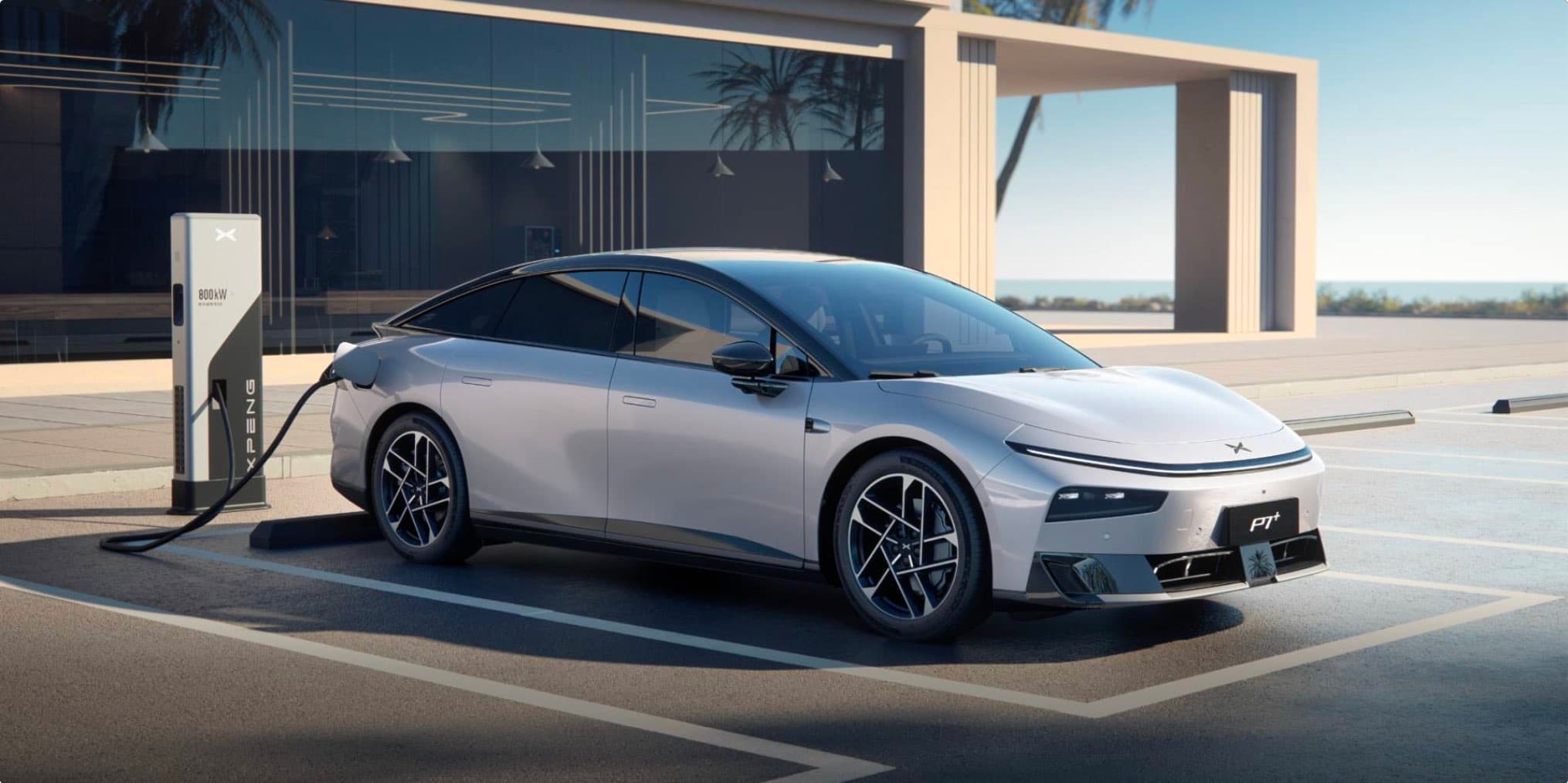
Autonomous driving is often evaluated on clearly defined roads with visible markings and perfectly mapped routes. Xpeng is now deliberately presenting a counterexample, showing in a new demonstration how its VLA 2.0 system maneuvers a vehicle onto a ferry by itself, parks it correctly on deck and then drives off again autonomously.
Ferry situations can appear chaotic, making this an interesting stress test: narrow ramps, changing distances, no conventional lane markings and an environment that is constantly changing. These kinds of “unstructured” scenarios will ultimately determine whether driver-assistance systems genuinely make everyday driving easier.
What Happens in the Video and Why It Matters
According to Xpeng, the vehicle finds the boarding ramp, lines up on deck and completes the entire process through to disembarking without assistance. The most striking claim is that it does all this without active navigation or turn-by-turn directions, and in a setting with no road markings.
This is particularly relevant to Europe, where many everyday journeys do not follow a “typical US” pattern: narrow access roads, inconsistent markings, construction zones and complex shared spaces such as port areas. A system that remains reliable in such situations could have a genuine real-world impact.
VLA Stands for “Vision Language Action”: How Xpeng Describes It
Xpeng calls its solution Vision Language Action, or VLA for short. The idea is that the car uses a sensor suite with a strong focus on cameras, analyzes its surroundings in real time and translates that information directly into driving actions. Instead of following rigid if-then rules, the AI is intended to make decisions based on the situation, similar to how people respond to unfamiliar circumstances.
At its core, this reflects the same trend currently seen across the industry: moving away from manually programmed edge cases and toward learning models that can still cope when something differs from expectations. In practical terms, that means positioning the vehicle safely even when a lane is missing because the system recognizes context, edges, movement and open space.
European Outlook: Launch Targeted for 2027
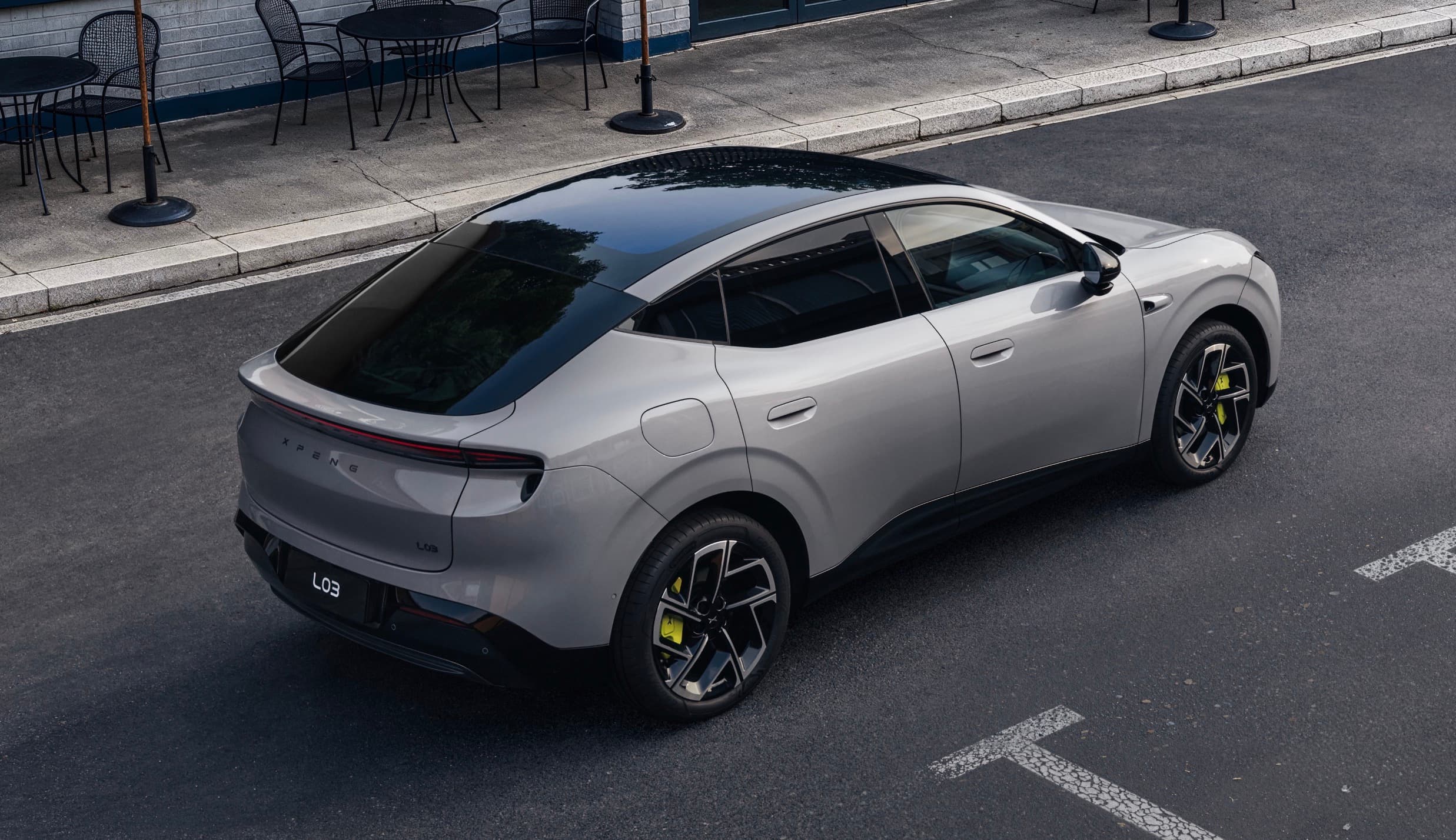
Xpeng says VLA could also come to Europe from 2027, including in an upcoming model from the L03 series. Until then, the key questions will be how the features are homologated locally, which operating domains receive approval and how the system performs in everyday European traffic.
Importantly, demonstrations like this generally showcase “capability,” meaning what the technology can do in principle. Whether and when exactly the same maneuvers can be enabled in production vehicles in the EU will ultimately depend not only on the technology, but also on regulations, safety validation and the specific product strategy.
Analysis: What This Means for Tesla and Other Automakers
Tesla also relies heavily on camera-based perception and AI for automated driving, which is precisely why demonstrations like this one from Xpeng are relevant. They show that several manufacturers are simultaneously attempting to master complex environments without markings or detailed instructions—situations in which conventional driver-assistance logic reaches its limits.
For drivers in the German-speaking DACH region—Germany, Austria and Switzerland—the spectacular ferry video ultimately matters less than whether the system is dependable in everyday use: smooth merging, safe following distances, predictable behavior for other road users and as few unnecessary disengagements as possible.
What Really Matters About the Ferry Demonstration
- Unmarked areas: Ports and ferries resemble parking lots, construction zones or shared traffic spaces.
- Tight maneuvering: Ramps and movements on deck require precise speed and steering control.
- Context instead of rules: If this works without rigid programming for specific edge cases, it sends a strong signal.