India Set to Become Much More Important for VW and Skoda
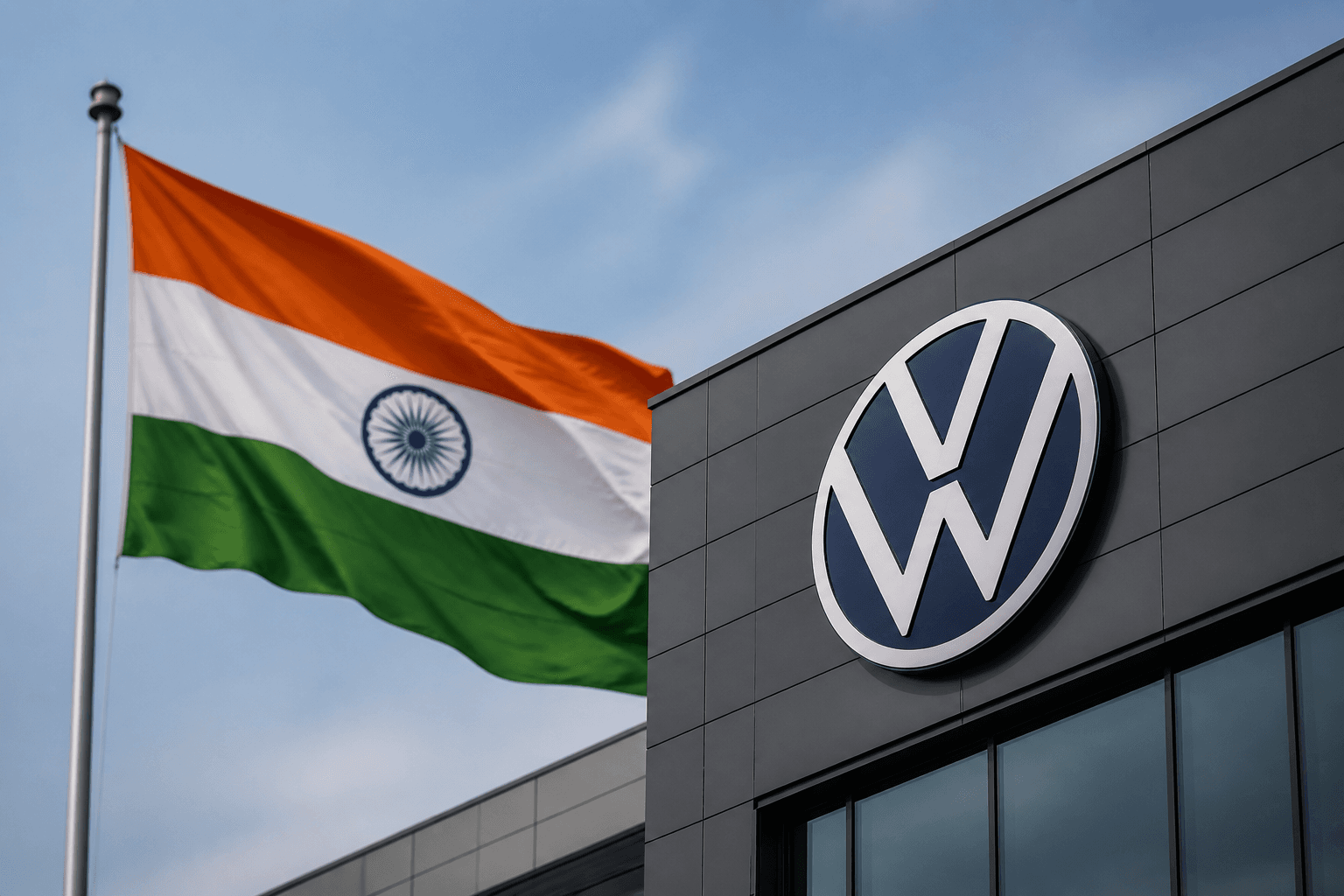
Volkswagen and Skoda want to expand their business in India and are exploring a strategic partnership with conglomerate JSW. A signed memorandum of understanding will initially examine what cooperation on products, development, production and local value creation could look like.
This does not yet constitute an agreed joint venture. Independently expanding the companies’ India operations also remains an option alongside cooperation with JSW. What is clear, however, is that new models—and especially the move into electric mobility—would require substantial investment.
A local partner could not only contribute capital but also give VW and Skoda faster access to Indian supply chains, networks and market requirements.
Strong Growth Creates a Better Starting Position
Within the Volkswagen Group, Skoda leads operational business in India. The Czech brand has been present there since 2001, followed by Volkswagen in 2007. The group now operates two plants and has an established dealer network.
In 2025, Skoda doubled its sales in India. Volkswagen and Skoda sold around 117,000 vehicles combined, representing growth of 36% compared with the previous year. Nevertheless, their combined market share remains just under 3%, leaving considerable room for further growth.
| Metric | Current figure |
|---|---|
| VW and Skoda sales in 2025 | around 117,000 vehicles |
| Year-on-year growth | 36% |
| Combined market share | just under 3% |
| Planned electric vehicle market entry | from 2028 |
New Electric Vehicle Platform Could Benefit
The potential partnership is particularly relevant to the planned India Main Platform, or IMP. This is an electric vehicle architecture that is to be derived from a Volkswagen platform for China and specifically adapted for India.
This includes local regulations, available suppliers, production costs and the targeted share of Indian-made components. A high degree of localization can reduce import costs and make vehicles less dependent on exchange rates. That is a crucial factor in a price-sensitive market such as India.
Neither Volkswagen nor Skoda currently sells electric vehicles in India. Their market entry is planned for 2028. Capital from JSW could help finance the development of the platform and the models based on it.
A Different Strategy from Europe’s Entry-Level Models
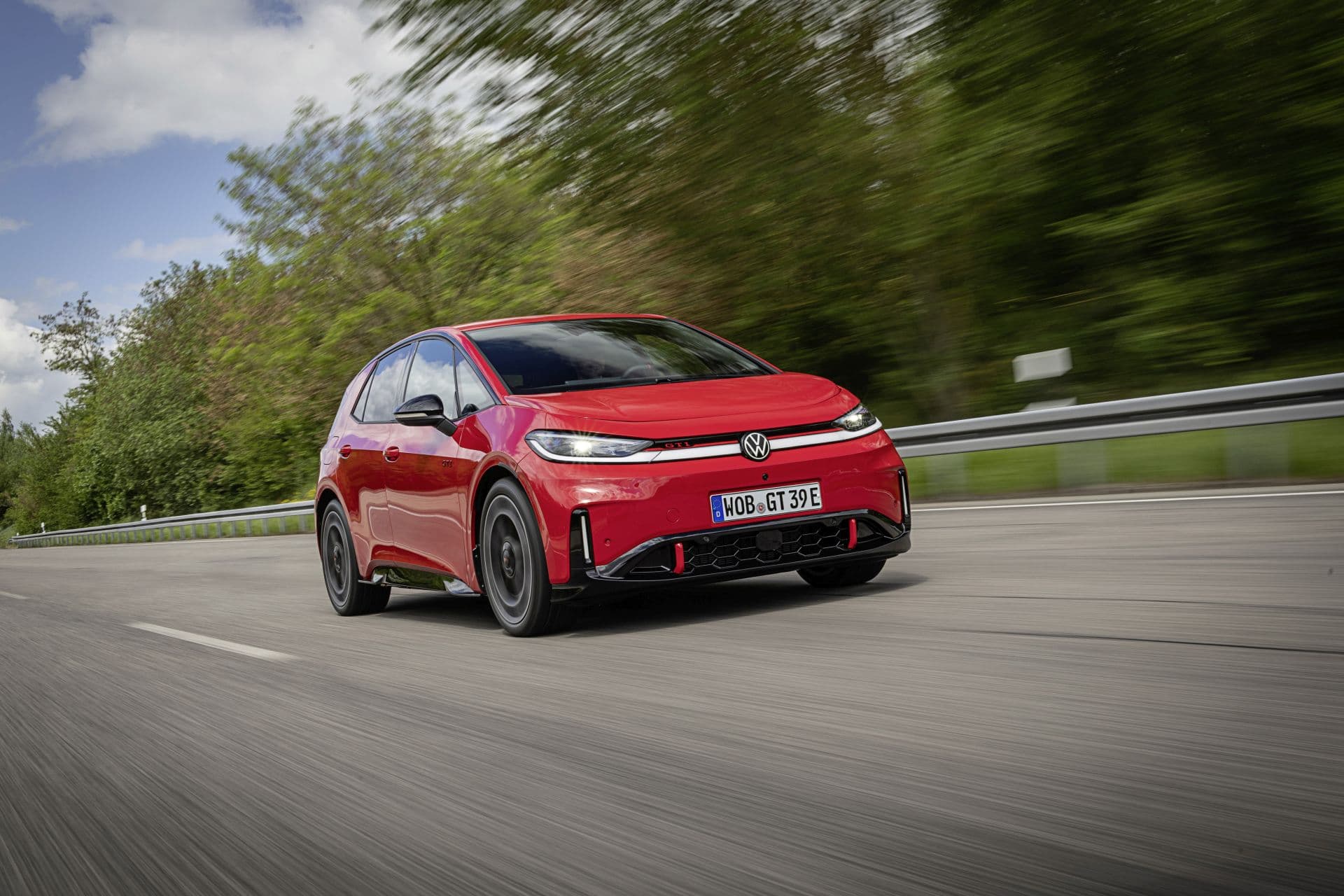
The IMP is not simply an Indian version of the European electric vehicle plans. In Europe, the group’s affordable models include the VW ID. Cross and the Skoda Epiq. India, by contrast, requires a more heavily localized technical and commercial foundation.
The objective remains similar in both regions: lower costs → more competitive electric vehicles. However, the route to that goal differs significantly because purchasing power, infrastructure, regulation and supply chains create different requirements.
JSW Majority Stake Has Not Yet Been Confirmed
One possibility under discussion is a joint venture in which JSW could hold 51% and Volkswagen 49%. This structure has not yet been officially confirmed and should therefore be regarded as a possible scenario.
A local majority stake would be unusual for Volkswagen but could offer advantages in India. JSW has market knowledge, industry contacts and experience working with international automotive partners. The conglomerate already operates an Indian business focused on MG together with SAIC and is also developing its own electric vehicle brand.
India Is Becoming a Strategic Alternative to China
Skoda has withdrawn from the Chinese market and sees India as a key pillar of growth. According to the company, Skoda is already the most successful European car brand there. At the same time, Chinese manufacturers have so far faced greater difficulties investing directly and extensively in India.
This creates an attractive window of opportunity for Volkswagen and Skoda. India’s automotive market is growing rapidly, while electric mobility is still in its early stages. A company that establishes an affordable, locally produced model range early could secure a lasting advantage.
However, success is not guaranteed. Previous partnership attempts by the Volkswagen Group in India have not always resulted in lasting cooperation. The decisive factor will therefore be whether VW, Skoda and JSW can agree on financing, control, platform use and a joint product strategy.