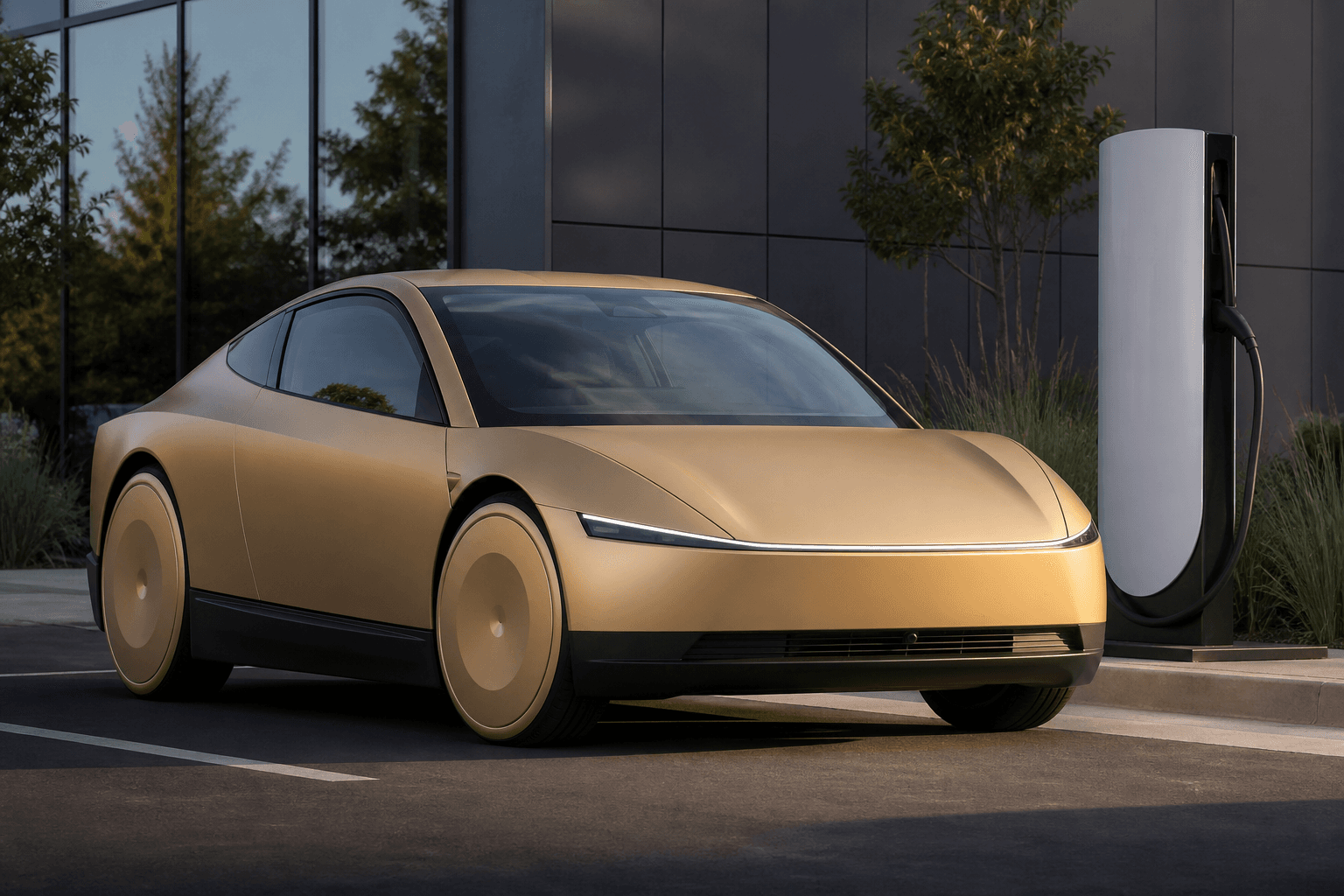
Tesla prepares to sell the Cybercab to businesses
Tesla is gradually opening its robotaxi project to external partners. Through a new online form, companies can register their interest in purchasing Cybercab fleets and building the necessary mobility infrastructure.
This is explicitly not yet a conventional ordering page. Tesla provides neither a binding price nor a delivery date, and it is not accepting reservation fees. Instead, the form serves as an initial point of contact for potential business customers.
This brings the Cybercab closer to commercial operation, but it is still not available for private customers to order.
These are the partners Tesla is seeking for its robotaxi network
The form is clearly aimed at businesses. In addition to contact details and the intended operating region, Tesla requests a company name and asks about the specific area of cooperation.
| Area of interest | Potential role |
|---|---|
| Purchasing Cybercab fleets | Operating larger autonomous vehicle fleets |
| Mobility hubs and infrastructure | Establishing sites for charging, cleaning, and vehicle dispatch |
| Event partnerships | Presenting or temporarily operating the Cybercab |
| Other forms of cooperation | Custom commercial projects |
The focus on mobility hubs is particularly noteworthy. A driverless robotaxi not only needs to be charged, but also regularly cleaned, inspected, and prepared for its next trip. High utilization → short downtimes will be crucial to commercial viability.
Why Tesla is initially focusing on fleets
The two-seat Cybercab was designed from the outset as an autonomous vehicle without a conventional steering wheel or pedals. Controlled fleet operation is therefore better suited to the initial scaling phase than immediately selling individual vehicles to private customers.
Fleets can be concentrated regionally and supported through dedicated service centers. At the same time, Tesla can evaluate driving data, maintenance procedures, and robotaxi network utilization under comparable conditions. The underlying technology remains closely linked to the development of Tesla FSD and the HW4 platform.
This model would be strategically attractive for Tesla. The company could sell vehicles while continuing to participate in operating the network. However, it is not yet known whether external fleet operators will be allowed to set their own fares or operating areas.
Private customers cannot order a Cybercab yet
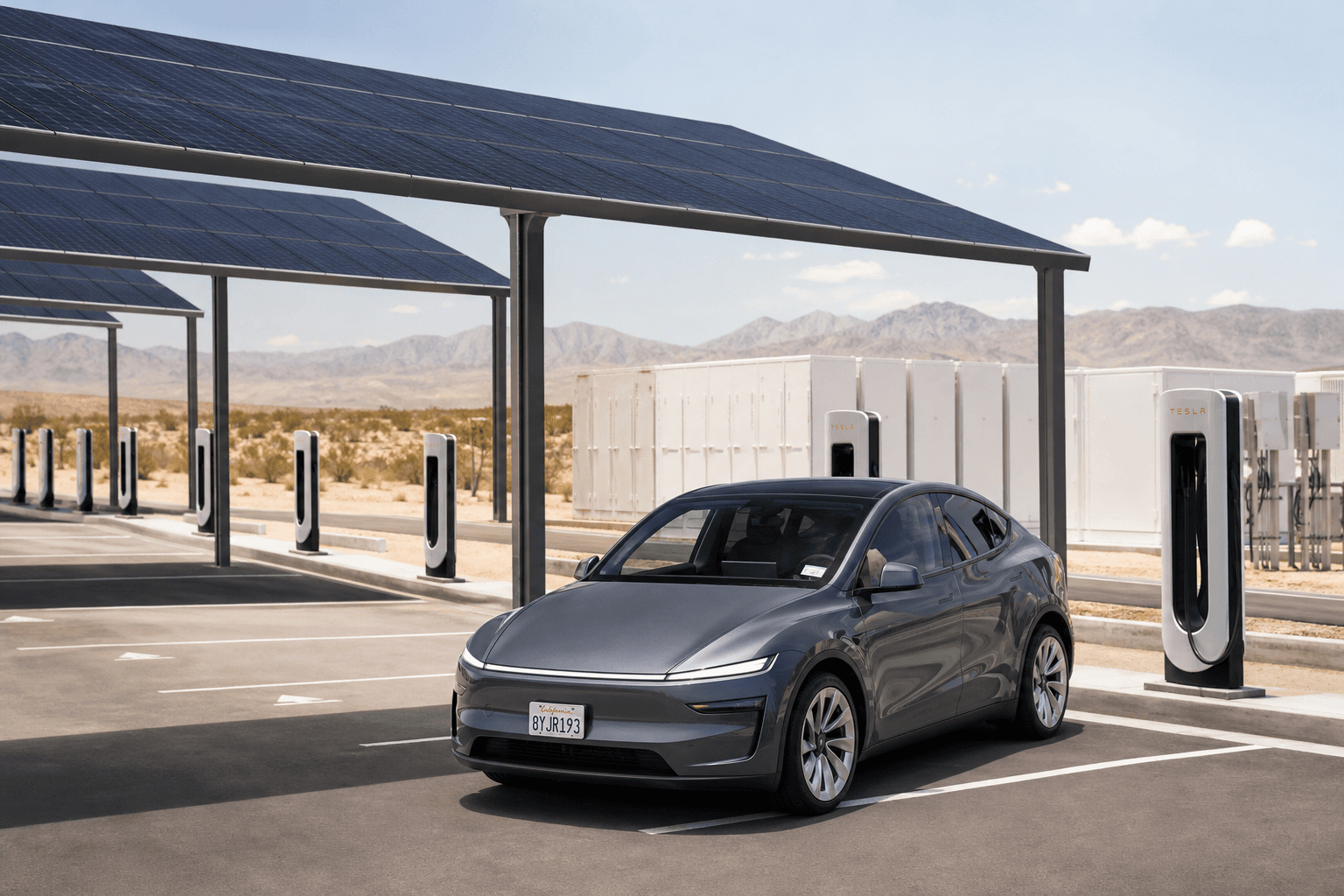
The original vision also included allowing individual owners to add their vehicles to a robotaxi network temporarily. The new form does not yet provide a specific timeline for this. Anyone currently looking for a Tesla for everyday private use is therefore limited to regularly available models such as the Tesla Model Y.
Elon Musk has suggested a target price of less than $30,000 for the Cybercab. This figure should still be regarded as a target rather than a binding list price. Taxes, equipment, regional regulations, and the cost of autonomous driving technology could affect the actual final price.
Europe is likely to follow much later
Current Cybercab operations are concentrated in Austin, Texas. Even in the United States, autonomous vehicle operations are subject to close regulatory scrutiny, including by the National Highway Traffic Safety Administration, or NHTSA.
Additional approvals would be required in Germany, Austria, and Switzerland. In addition to vehicle certification, authorities would need to address driverless operation, liability, insurance issues, and regional operating areas. A US launch therefore cannot be transferred directly to the DACH region—the German-speaking markets of Germany, Austria, and Switzerland.
Other manufacturers are also developing systems designed to handle complex traffic situations without clearly visible road markings. One example is Xpeng VLA 2.0 for autonomous driving. For Tesla, however, the combination of in-house vehicle production, AI software, and a planned robotaxi network remains a distinctive strategic advantage.
The interest form is an important signal
The portal does not yet replace an actual ordering system. However, it shows that Tesla wants to identify potential fleet customers and infrastructure partners early, before Cybercab production ramps up on a larger scale.
Private customers will have to continue waiting. For businesses, however, the phase in which operating regions, fleet sizes, and required sites can be planned has already begun. Tesla is thus increasingly turning the Cybercab into a concrete business model rather than merely a vision of the future.