Private combustion-engine cars generate enormous knock-on costs
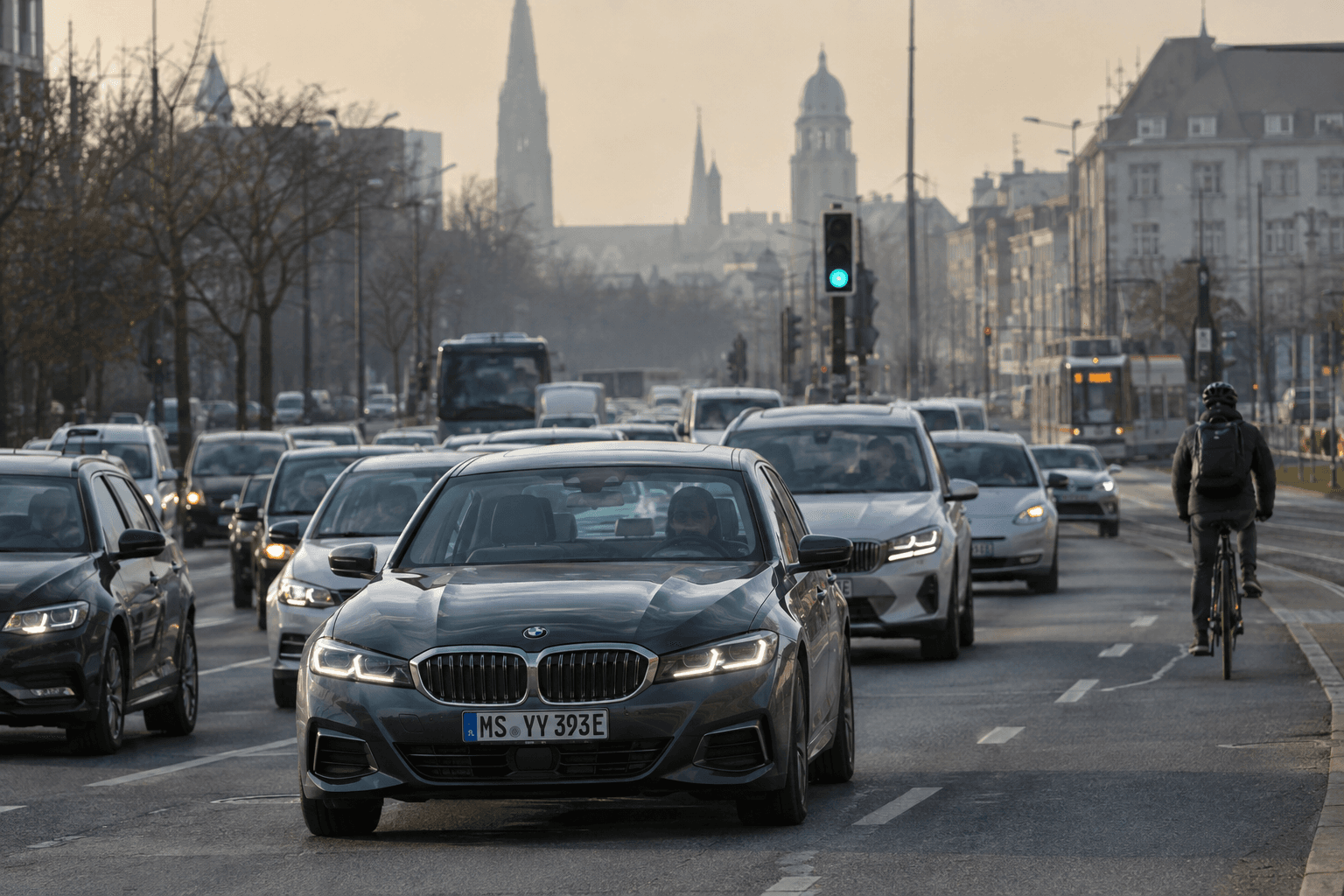
According to an international analysis, global private travel in cars with internal combustion engines generates annual costs equivalent to around €8 trillion. That corresponds to approximately 8.3% of global economic output.
Only around €1.7 trillion of this is paid directly by drivers. This primarily includes spending on vehicles, fuel and repairs. The remaining roughly €6 trillion is classified as external costs that are borne at least in part by society as a whole.
| Cost category | Estimated annual total |
|---|---|
| Total cost of private combustion-engine traffic | around €8 trillion |
| Direct costs to drivers | around €1.7 trillion |
| External societal costs | around €6 trillion |
| External costs in the autonomous electric scenario | around €2.1 trillion |
Crashes are the largest cost category
The burdens on society include crashes, air pollution, noise, climate damage, land use and road infrastructure. More than half of the external costs are estimated to result from traffic crashes.
Congestion was not included in the calculation. Particularly in densely populated cities, however, lost time, additional energy consumption and productivity losses can be substantial. The actual overall burden could therefore be higher in some regions.
The cost of a car journey consists of more than the purchase price, energy and maintenance. A substantial share of the costs does not appear on the individual’s bill.
Autonomous electric cars as a theoretical alternative
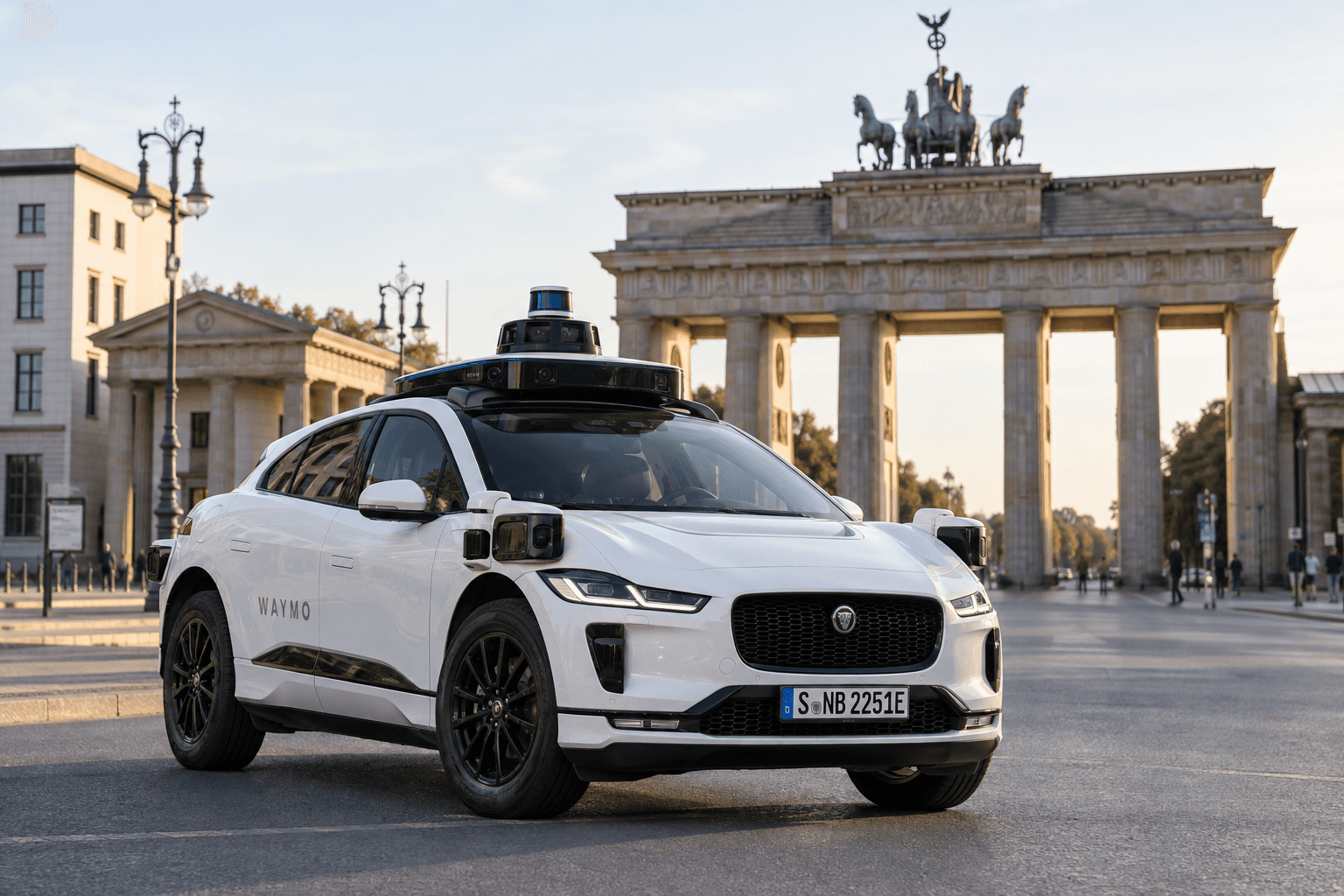
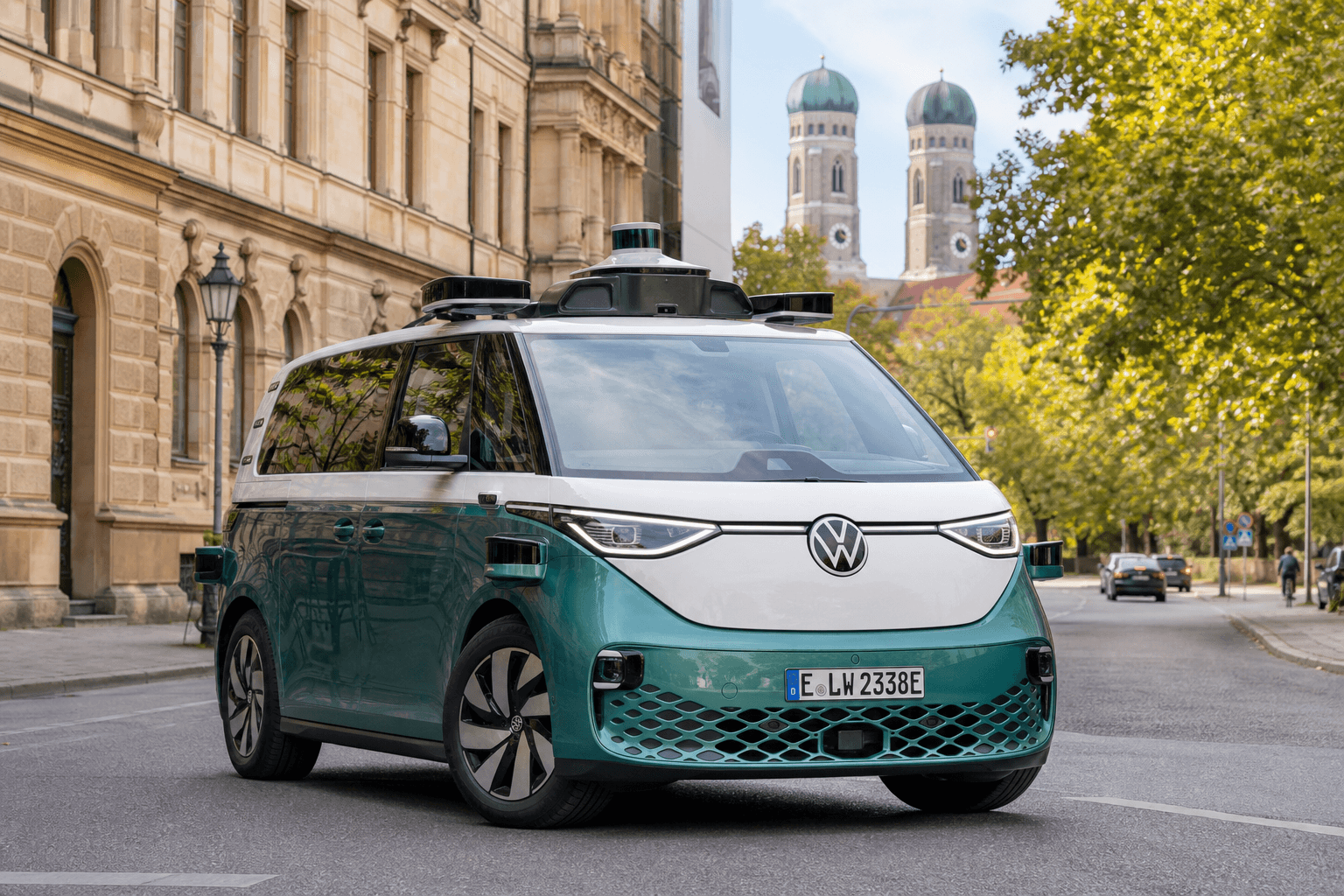
The study contrasts the current system with an alternative mobility model. In this model, autonomous electric cars would replace many privately owned combustion-engine vehicles and could be booked through an app for individual journeys or via a subscription.
Under these assumptions, the total distance traveled could fall by around 25%. In the model, external costs would decline to approximately €2.1 trillion. Crash-related costs alone could fall to the equivalent of around €550 billion.
The potential effect would not result exclusively from electric powertrains. Electric cars eliminate local exhaust emissions and can be operated with a lower climate impact, but they do not solve land use, tire wear or every crash risk. In the model, the greater leverage comes from combining shared vehicles, fewer miles traveled and largely automated driving.
The robotaxi scenario is not a forecast
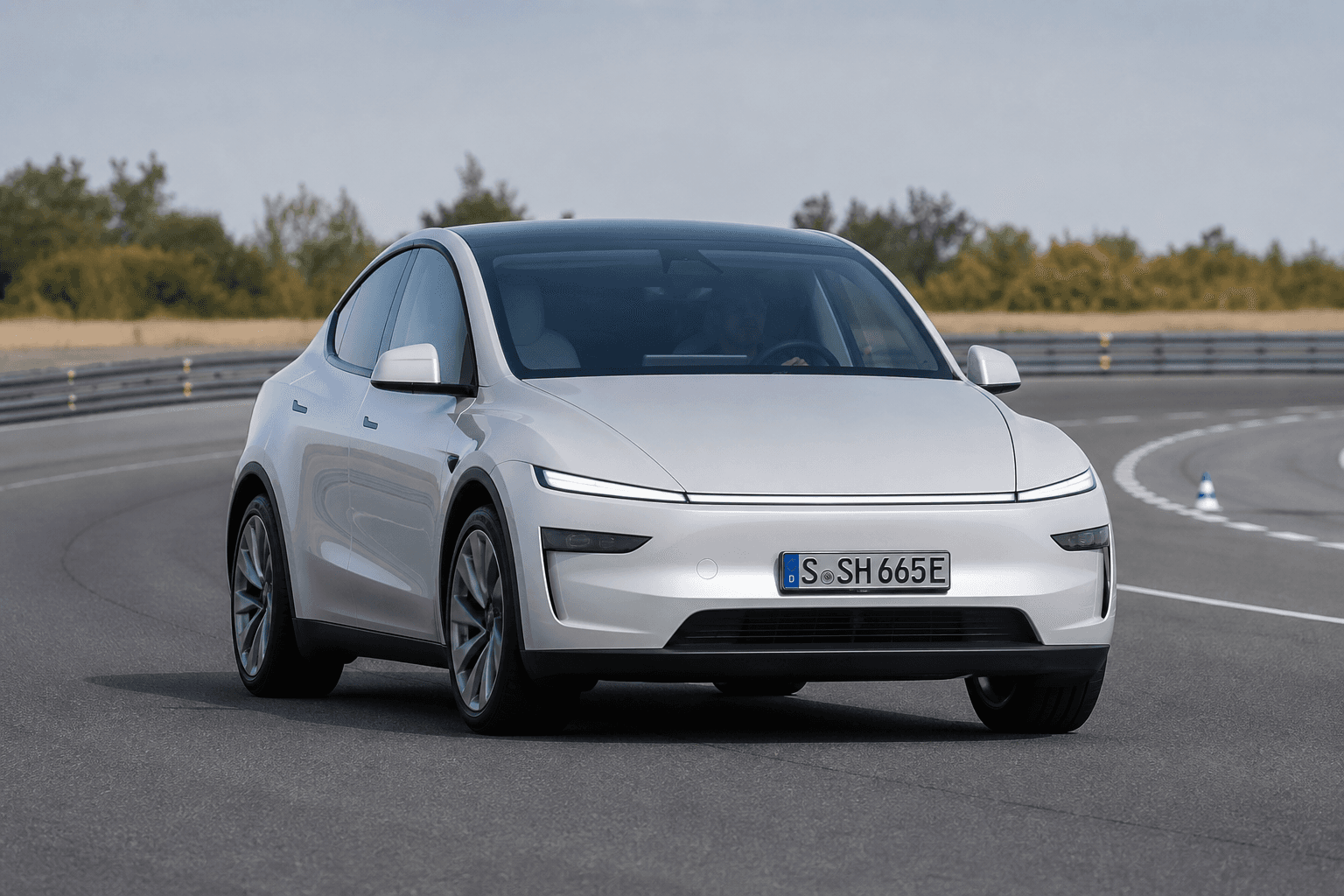
The authors explicitly describe the alternative model as a theoretical scenario. It does not predict that autonomous electric fleets will replace privately owned passenger cars worldwide in the near future. Nor do recent advances in Tesla’s FSD development or systems such as Xpeng VLA 2.0 change the fact that fully autonomous mobility is not yet widely available, either technically or under current regulations.
The model studied would require reliable vehicles available on demand, high-performance digital networks and close integration with bus and rail services. It would also require adapted rules for parking spaces, pick-up and drop-off zones, liability and the operation of autonomous fleets.
Another source of uncertainty is user behavior. Very inexpensive robotaxis available at any time could replace journeys currently made on foot, by bicycle or on public transportation. Some of the expected savings would then be offset by additional miles traveled by car.
The data basis imposes clear limitations
The calculation uses data from 2025. Much of the underlying data comes from Europe and North America and was extrapolated to other regions of the world. As a result, differences in income, vehicle fleets, crash rates and energy systems can only be represented to a limited extent.
Furthermore, this is not a complete cost-benefit analysis. The benefits of individual mobility, effects on electricity markets and the additional need for digital infrastructure were not comprehensively included. The figures in the trillions should therefore be understood as modeled orders of magnitude rather than as a precise global calculation.
What the study means for the DACH region
Germany, Austria and Switzerland—the countries known collectively as the DACH region—already have comparatively dense transportation networks and strong public transit systems. Nevertheless, the consequences of crashes, noise, air pollution and the extensive land required by private cars remain key issues, especially in metropolitan areas.
Switching to electric cars can reduce several of these burdens, particularly local exhaust emissions and, when powered by clean electricity, climate damage. However, the full benefit to society will only emerge when electrification is combined with fewer unnecessary journeys, safer driver-assistance systems and attractive alternatives to owning a car.