Berlin Could Become Waymo’s Next Robotaxi Location
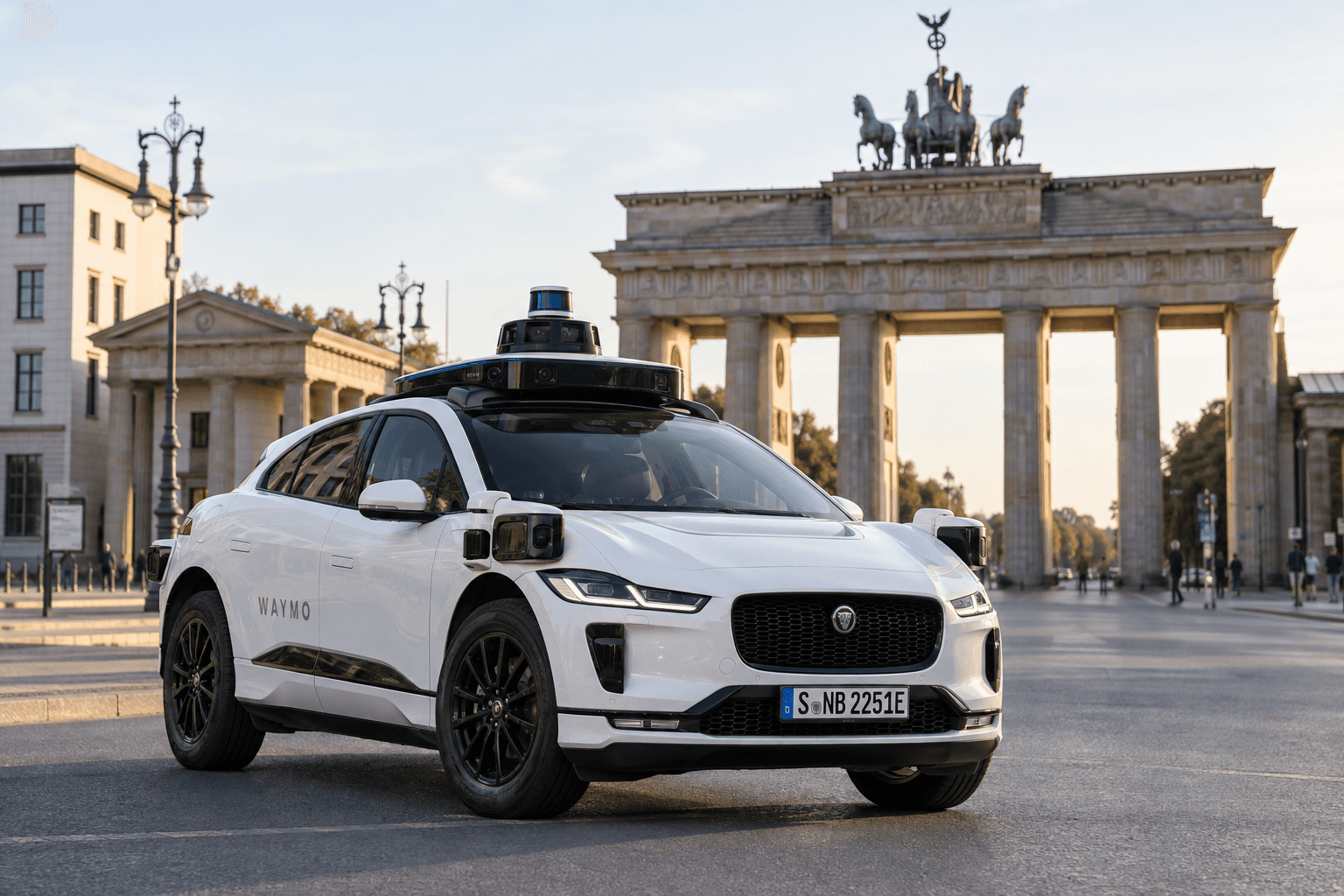
Waymo is reportedly considering robotaxi trials in Berlin. Documents from the Berlin administration are said to indicate that up to 50 specially equipped vehicles could map the city and undergo testing on public roads as early as 2026.
Current plans are said to envisage a commercial service as early as 2027. Waymo itself has confirmed neither Berlin as a location nor the reported timeline, stating only that it intends to bring the service to more locations in Germany over the long term.
Berlin is apparently more than just a tentative idea for Waymo, but the robotaxi launch has not yet been officially approved.
How Concrete Waymo’s Plans Are
According to the Berlin administration, talks with Waymo are at an advanced stage. From the capital’s perspective, trial operations in 2026 are considered feasible in principle.
The reported fleet size suggests that the plans likely involve more than a handful of development vehicles. Up to 50 cars would allow Waymo to systematically collect data on different districts, types of roads and traffic situations. However, mapping trips do not necessarily mean that the vehicles would immediately operate without safety drivers.
| Market | Current Status | Reported Timeline |
|---|---|---|
| Berlin | Talks and a possible test fleet of up to 50 vehicles | Trials possible in 2026, commercial service under consideration from 2027 |
| Munich | Location confirmed by Waymo, with initial trips involving human drivers | Commercial launch planned for late 2027 |
| United States | Robotaxi service available in 14 cities | Further expansion underway |
Why Berlin Is Particularly Challenging for Waymo
Waymo emerged from Google’s Self-Driving Car Project and already operates driverless mobility services in the United States. Even so, Berlin would not simply be a matter of transferring an existing system. Busy bike lanes, changing construction zones, trams, narrow side streets and frequently ambiguous traffic situations place considerable demands on perception and decision-making systems.
Waymo’s system combines cameras, radar and LiDAR with detailed maps. Within an approved operating area, the vehicle is designed to drive autonomously at Level 4, without requiring a human to continuously monitor traffic.
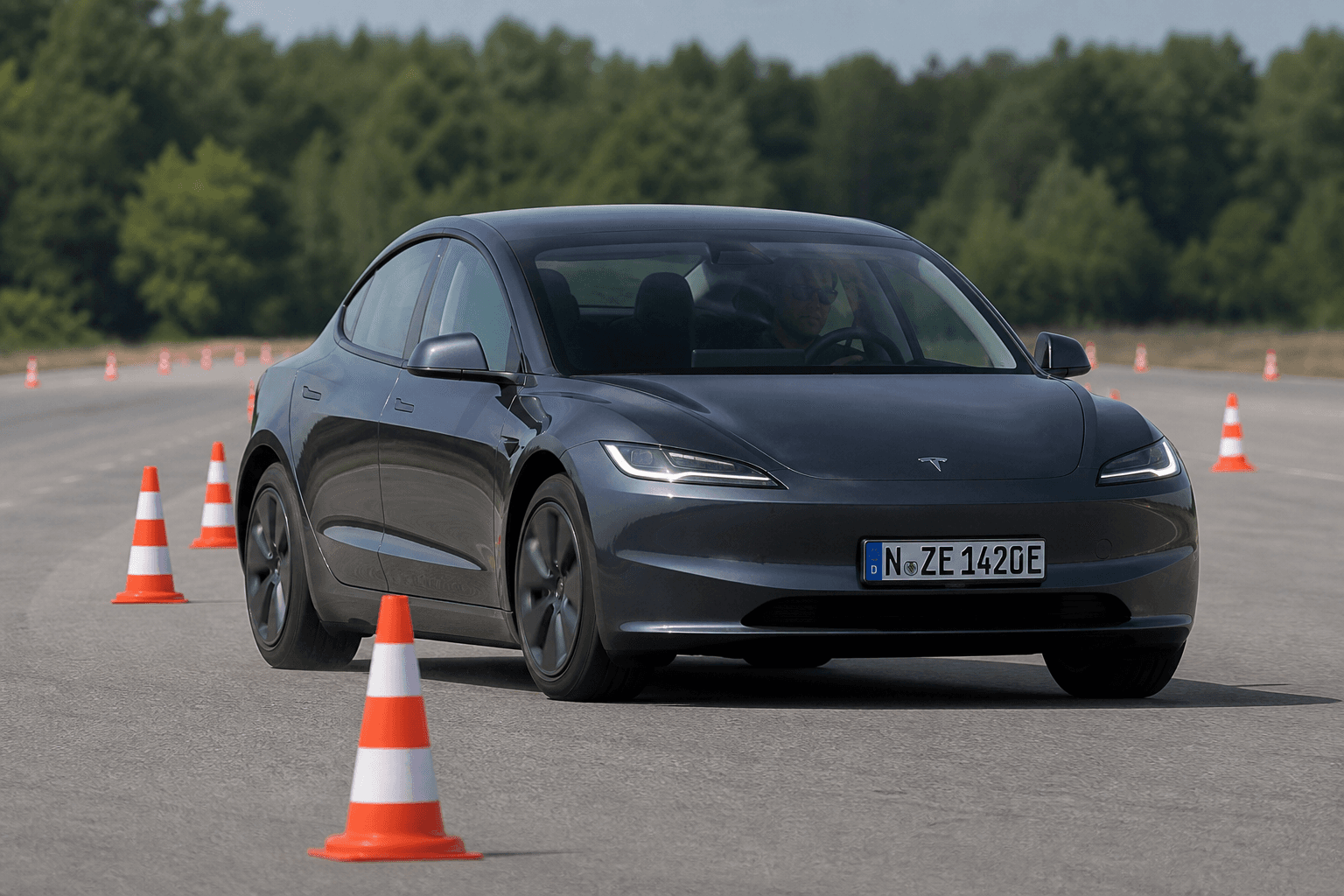
This approach differs from the predominantly supervised driver-assistance systems available today. With FSD and the HW4 platform, Tesla is developing a more camera-based approach, while Waymo relies on a clearly defined robotaxi fleet equipped with an extensive array of sensors. Manufacturers such as Xpeng are also advancing autonomous driving functions with VLA 2.0, although they are pursuing their own technical and commercial strategies.
Which Approvals Waymo Needs in Germany
Technology alone will not be enough for a Berlin launch. Germany requires several approval stages for Level 4 autonomous vehicles, involving different authorities.
- Trials: Waymo would need the relevant testing permit from the Kraftfahrt-Bundesamt, Germany’s Federal Motor Transport Authority.
- Regular operations: It would then require an operating permit from the Kraftfahrt-Bundesamt and approval for a defined operating area from the competent state authority.
- Passenger transport: Paid rides would additionally require a commercial permit under Germany’s Passenger Transport Act.
The final point in particular is likely to be legally challenging. Passenger transport law is designed around taxis and private-hire vehicles with human drivers. For fully driverless robotaxis, responsibilities, technical supervision and operational obligations must therefore be clearly defined.
What a Robotaxi Service Would Mean for Berlin
A successful trial could make Berlin one of the first European locations to host a sizable commercial Level 4 service. For passengers, the main attractions would be high availability, digitally bookable rides and consistent operations.
Whether robotaxis would actually ease urban traffic, however, depends on how they are deployed. If they supplement buses and trains outside peak hours or in poorly connected areas, they could close gaps in the mobility network. If they primarily replace journeys that would otherwise be made by public transport, they could generate additional traffic.
The size of the operating area, pricing and integration into the existing public transport network will therefore be crucial. Before these questions become relevant, however, Waymo must officially announce its Berlin plans and successfully complete Germany’s approval process.