Cariad to Shift From Developer to Integrator
Volkswagen is reportedly preparing a far-reaching restructuring of its software subsidiary Cariad. An immediate wind-down is apparently not planned, but its scope of responsibilities is set to shrink significantly.
Instead of developing as many systems as possible in-house, Cariad will primarily coordinate software from external partners and integrate it into the group’s vehicles. The details of the new division of responsibilities are expected to be worked out by the end of December 2026.
The crucial change: Cariad will no longer develop everything itself, but will instead ensure that technology from different suppliers works together reliably in the vehicle.
This apparently marks Volkswagen’s definitive departure from its earlier ambition to build Cariad into a world-leading software provider. The move is part of the broader cost-cutting and future strategy at Volkswagen.
Rivian and Xpeng Gain Importance
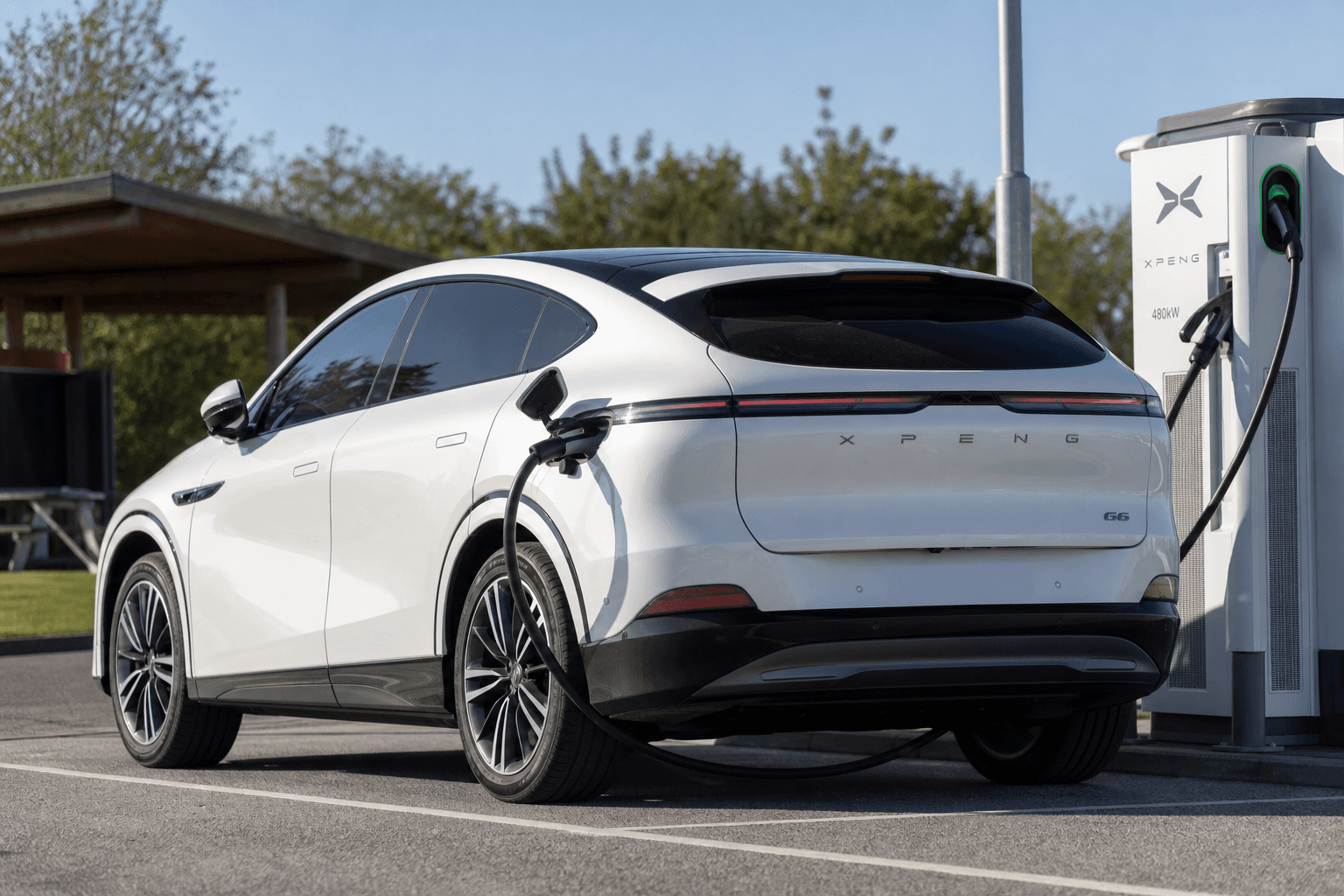
For its future software strategy, Volkswagen is relying on different partners for different markets. Rivian plays a central role in Western markets, while Xpeng is particularly important in China.
Both companies bring their own experience with centralized control units, driver-assistance systems, and software-defined vehicles. The autonomous ferry maneuver using Xpeng VLA 2.0 is one example of how far Xpeng intends to go in complex driving situations.
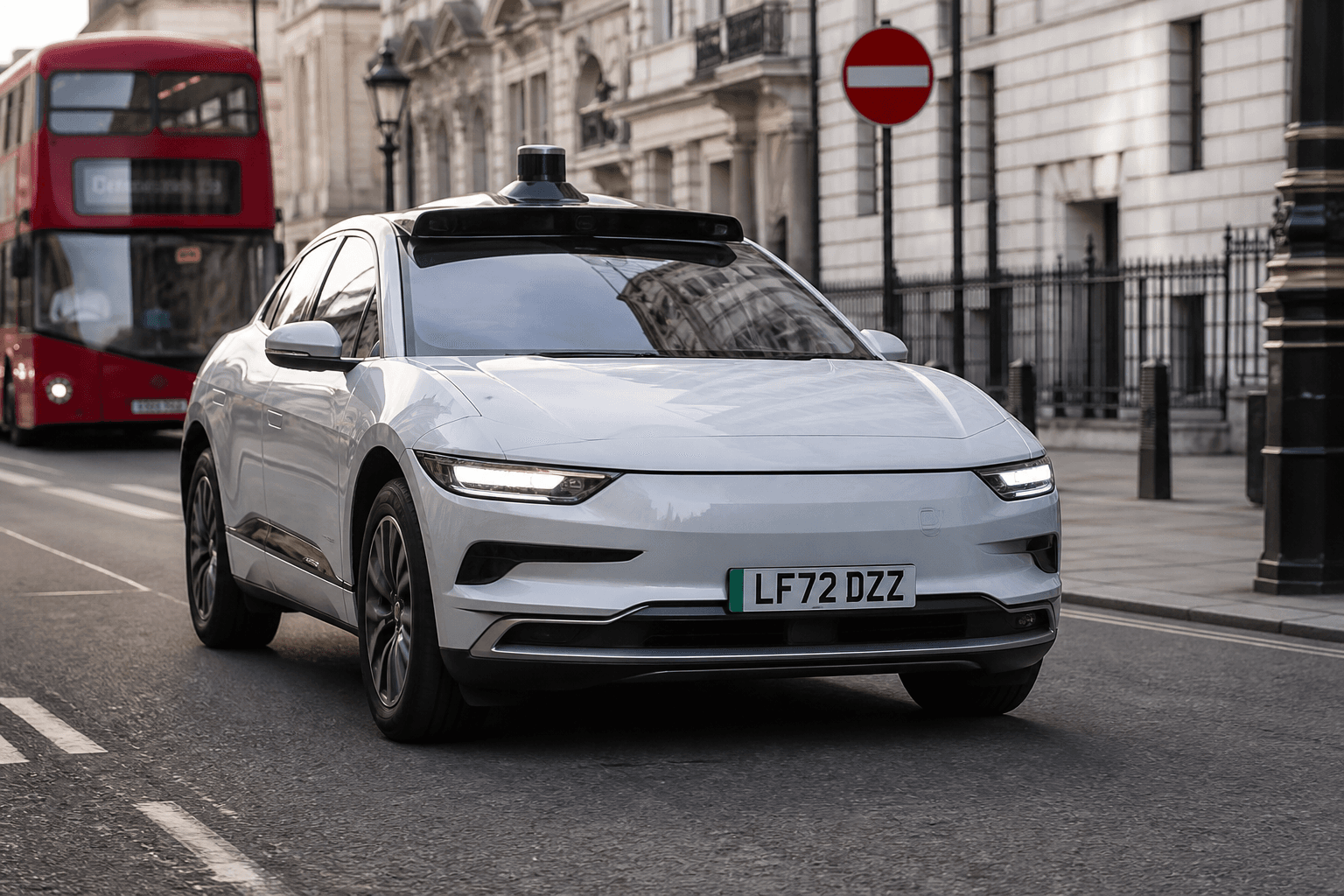
Volkswagen also plans to reduce costly in-house development in automated driving. Systems for Levels 2++, 3, and 4 could in future largely come from specialized providers, with Cariad handling the technical integration.
| Automation level | Meaning | What it means in everyday use |
|---|---|---|
| Level 2+ or 2++ | Advanced assistance, not an official separate SAE level | The driver remains responsible at all times and must supervise the system |
| Level 3 | Conditional driving automation | The vehicle takes control in approved situations, but the driver must remain ready to take over |
| Level 4 | High driving automation within a defined area | Continuous driver supervision is not required within specified conditions |
Which functions actually become available in Germany, Austria, and Switzerland will depend on more than just the technology. Type approval, liability rules, and national authorizations will largely determine what customers are permitted to use in everyday driving.
Results of the Bosch Partnership Remain Relevant
Although the partnership between Cariad and Bosch on automated driving was ended early, components already developed will not necessarily disappear as a result.
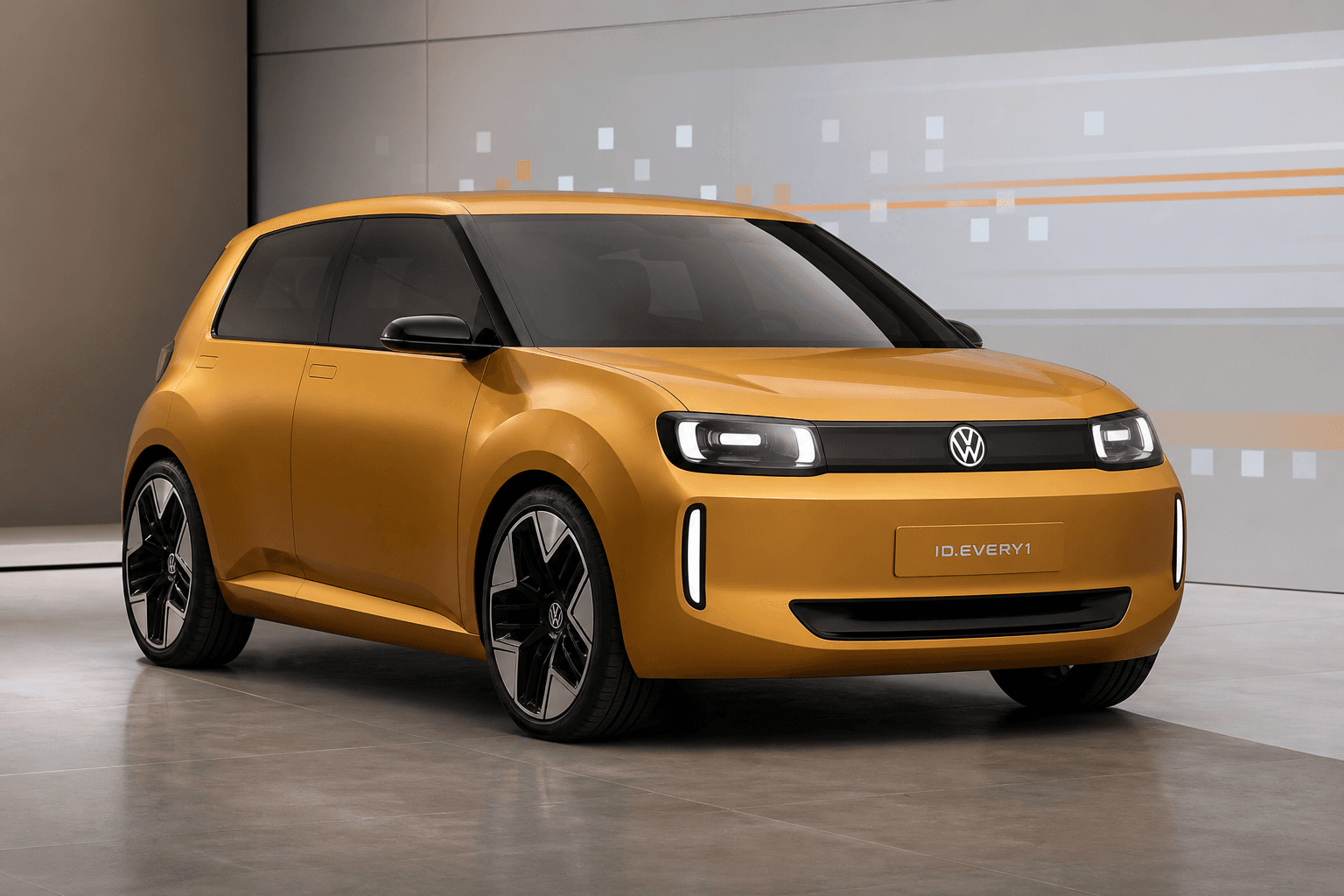
Initial results could enter series production from 2027 in a small Volkswagen electric car based on the ID. Every1. Even if only a lower level of automation is initially realistic, advanced assistance functions would be a genuine differentiator in this vehicle class.
Zonal Architecture Becomes Key
Vehicle software has long been about more than infotainment, apps, and display graphics. The greater potential lies in the car’s electrical and electronic architecture.
Volkswagen plans to gradually transition its vehicles to a zonal structure. In this approach, control units are no longer distributed strictly according to individual functions but are organized by physical zones and around central computers.
This can reduce the number of complex individual control units and interfaces. A common technical foundation → updates can be developed more quickly, functions transferred more easily across multiple models, and faults resolved more precisely.
This is exactly where Cariad will remain important despite the downsizing. Third-party systems can only operate reliably if software, hardware, security concepts, and cloud services are properly coordinated.
Cariad’s New Direction Brings Opportunities and Risks
The Case for the Partner Strategy
- Volkswagen can limit development risks and costs.
- Specialized partners bring proven platforms and assistance systems.
- New functions could reach different group models more quickly.
These Issues Remain Critical
- Dependence on external technology providers will increase.
- Data protection, cybersecurity, and long-term update support must be contractually secured.
- Despite shared technology, Volkswagen must retain a distinctive user experience and brand identity.
The restructuring therefore does not automatically represent a withdrawal from software development. Rather, it is an attempt to focus Cariad on a more realistic role. The decisive question will be whether Volkswagen can turn numerous partner solutions into a stable, consistent platform that can be updated over the long term.