2,400 km in the Xpeng G6: Why EV Vacations Often Just Work Today
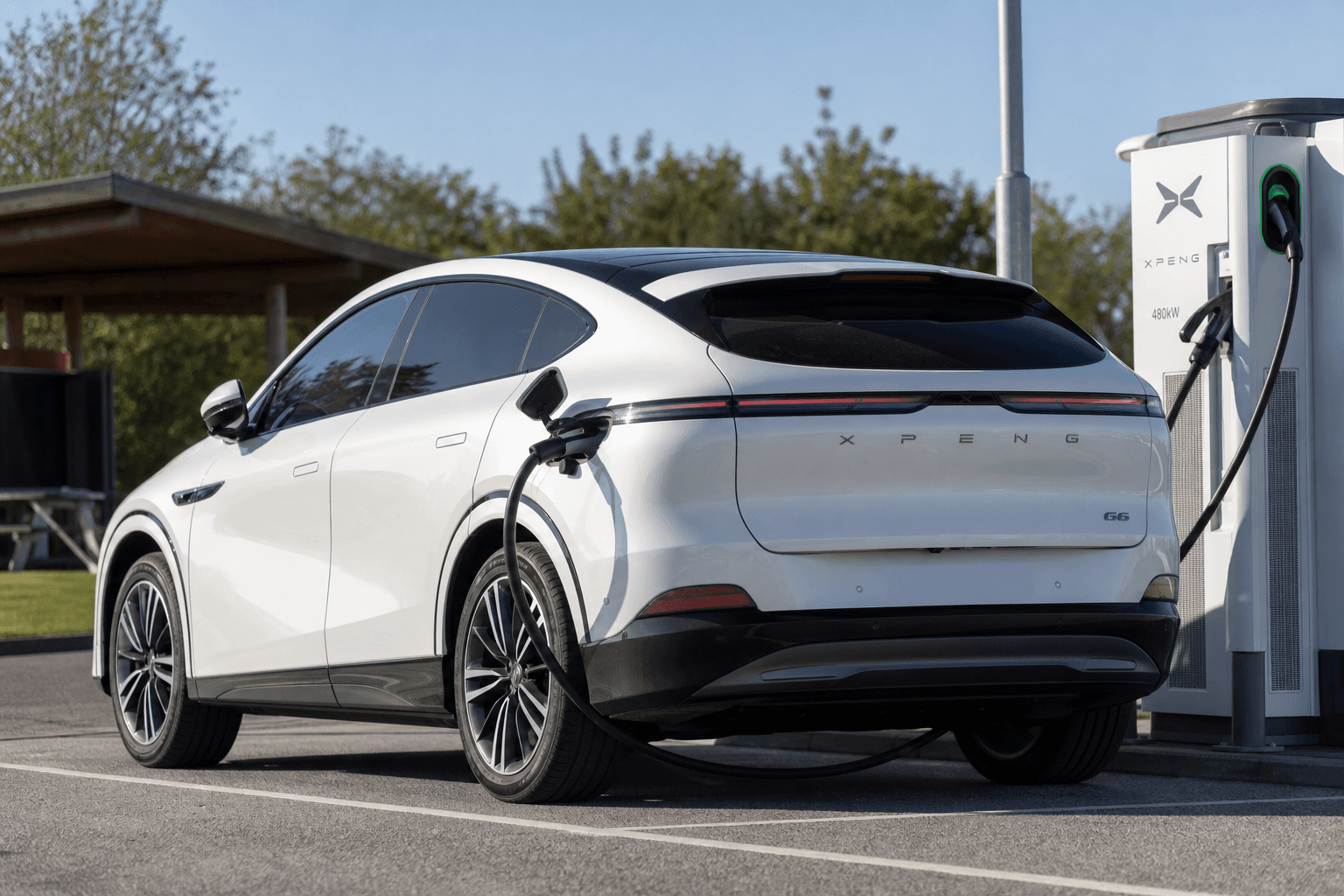
Just a few years ago, many people still saw a family vacation by electric car as a test of courage. Today, it is often simply routine, even on longer journeys north. One example: a total distance of around 2,400 km, including approximately 960 km each way—from Germany to northern Zealand in Denmark—plus local excursions, driven in an Xpeng G6 Standard Range with 66 kWh of usable battery capacity.
The bottom line: no charging chaos, no forced stops, and no real waiting for the car. In practice, charging took place whenever a break was due anyway—for coffee, food, a restroom visit, or a short walk. That is the point at which EV travel becomes “ordinary,” in the best possible sense.
Route Planning: Charging Stops Are Often Just Regular Breaks
The journey followed a classic long-distance strategy, with an overnight stop—not because the car could not manage it, but because it was more relaxing for the adults and child. Anyone who wants to cover the roughly 960 km in a single day can also do so with good planning.
A widely used planning tool is A Better Routeplanner (ABRP). For the G6 version discussed here, ABRP calculates a total journey time of around 10 hours 20 minutes, including approximately 1 hour 2 minutes of charging stops. According to the plan, a G6 with a larger battery would reduce the total journey time and require about 34 minutes of charging each way. In practice, the difference depends heavily on how often you need to take breaks anyway and how conveniently the chargers are located along your route.
Costs and Charging Strategy: Subscription Rate vs. “Always Use the Cheapest High-Power Charger”
A clear cost strategy was used during the trip: whenever possible, charge on the road using a plan with a low price per kWh, even if that occasionally meant stopping a little earlier. Specifically, a monthly subscription was used that cost €11.99 and offered charging at €0.34 per kWh during the promotional period. As a result, the car was occasionally recharged with 30% to 40% of the battery still remaining, in line with the family breaks that were needed anyway.
Denmark also demonstrated an advantage that many travelers underestimate: ad hoc charging by credit card can be competitively priced along its highways. At two stops, prices were equivalent to around €0.48 to €0.49 per kWh, and the stations were not busy, with plenty of charging points available.
Real-World Effect: You Are More Likely to “Wait” for People Than for the Battery
An interesting everyday effect that often occurs on family trips is that the car sometimes finishes fast charging before the break is over. Instead of saying, “We have to wait until it has finished charging,” you end up saying, “We need to move the car because we have already charged enough.” In practical terms, that is a good sign: charging performance, infrastructure, and the rhythm of your breaks all fit together.
Energy Consumption: Speed Makes the Difference, and Denmark Helps
The trip also provides a typical illustration of how strongly speed affects energy consumption. In Denmark, where highway speed limits are generally 110 km/h and rural roads are limited to 80 km/h, consumption falls noticeably. On German autobahns, where speeds temporarily reached 140 to 150 km/h, it rose accordingly.
After almost 2,400 km, the trip computer showed an overall figure of around 19.6 kWh/100 km. Billing data, including charging losses, produced a figure of approximately 20.3 kWh/100 km. The car was also charged at the vacation home under favorable terms, which noticeably improved the average cost.
What That Means in Euros
Based on the energy prices, the selected charging plan, and the subscription fee, electricity costs came to around €6.70 per 100 km. With diesel costing approximately €2.30 per liter, a combustion-engine car would only be cheaper if its real-world fuel consumption were extremely low. And even if a diesel car arrives “sooner,” that time is often gained by taking fewer breaks and accepting a higher stress level—not necessarily the best trade-off when traveling with a child.
Lessons From the Trip, Including for Tesla Drivers
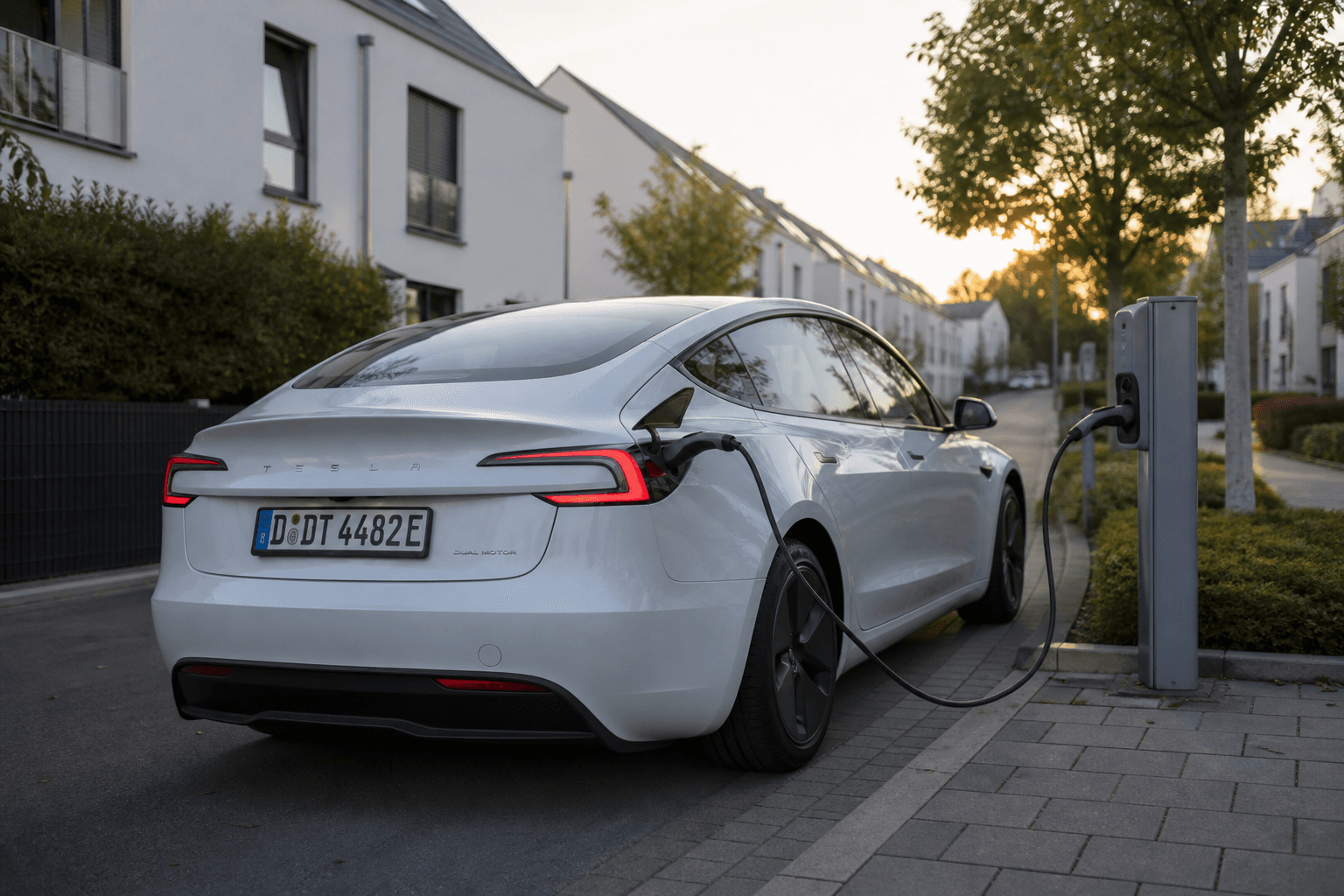
Although this journey was made in an Xpeng, the lesson applies across brands, including in the Tesla world: long-distance travel works best when you treat charging as part of your break schedule. Tesla’s Supercharger network makes this particularly easy in many regions, but the availability of high-power charging elsewhere in Europe is also growing noticeably.
If you are interested in range and the psychology behind it, our background article on EV range anxiety is worth reading. And anyone wondering why some vehicles charge more conveniently on long journeys than others can find a practical overview in 800V vs. 400V: Which EV Architecture You Need in 2026.
Conclusion: EV Vacations Are Often No Longer an Issue in 2026
A 2,400 km trip with a family, luggage, and activities at a vacation home shows that technology is increasingly rarely the real obstacle. What matters is choosing the right charging plan, planning charging stops, and driving at realistic speeds. Do that, and a “charging adventure” quickly becomes a completely normal road trip—even with a more compact battery.
Anyone interested in the Xpeng G6 can find its key specifications on our XPeng G6 model page.