Electric cars are often around 33% cheaper to run—and here is why that makes sense
The idea that electric cars can be cheaper to drive day to day than gasoline or diesel vehicles is far more than just a pub-talk myth. One frequently cited estimate is around 33% lower running costs compared with combustion-engine vehicles. This figure is not a universal rule, but it is realistic when the biggest cost factors per kilometer are considered separately.
Important: This refers to driving and ongoing running costs, not necessarily the purchase price. Whether an electric car is cost-effective overall also depends on its purchase cost, financing, insurance, depreciation, and any available incentives.
The main reason: Electric cars use energy more efficiently per kilometer
Electric powertrains convert a much greater share of the energy they use into motion. In practice, this means an electric car requires less energy to cover the same distance than a combustion-engine vehicle, even before energy prices are taken into account.
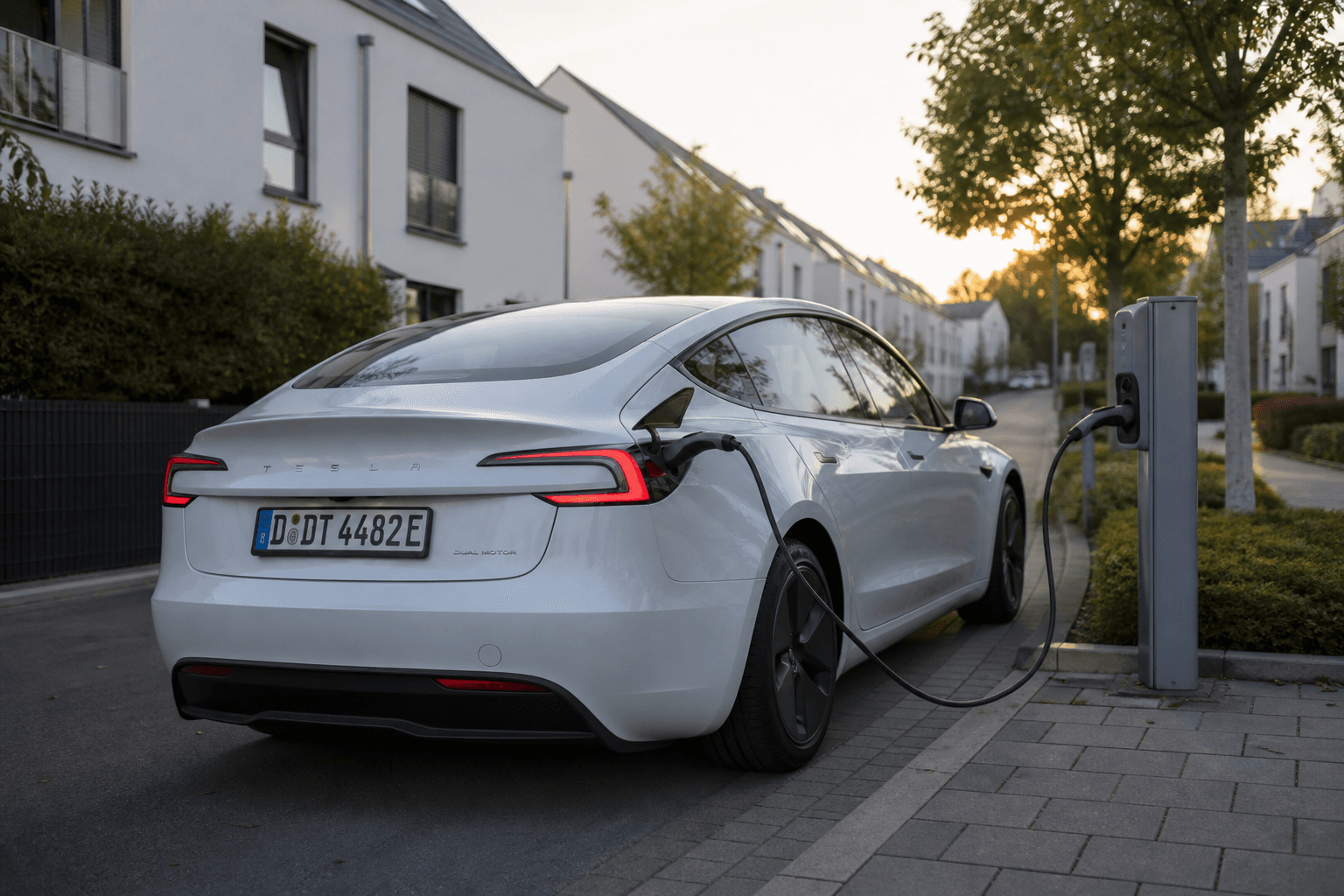
The second factor is the price per unit of energy. Drivers who charge at home or at work can often budget their electricity costs per kilometer accurately and keep them low in many cases. Public rapid chargers, by contrast, can be more expensive, narrowing the gap compared with combustion-engine vehicles.
Everyday factors that increase the cost advantage
- Frequent urban driving: Regenerative braking reduces energy consumption particularly noticeably.
- Predictable charging: Regular AC charging instead of frequent, expensive DC rapid charging.
- Efficient models: Aerodynamics, weight, and powertrain design all matter.
Maintenance and wear: Fewer parts often mean fewer workshop visits
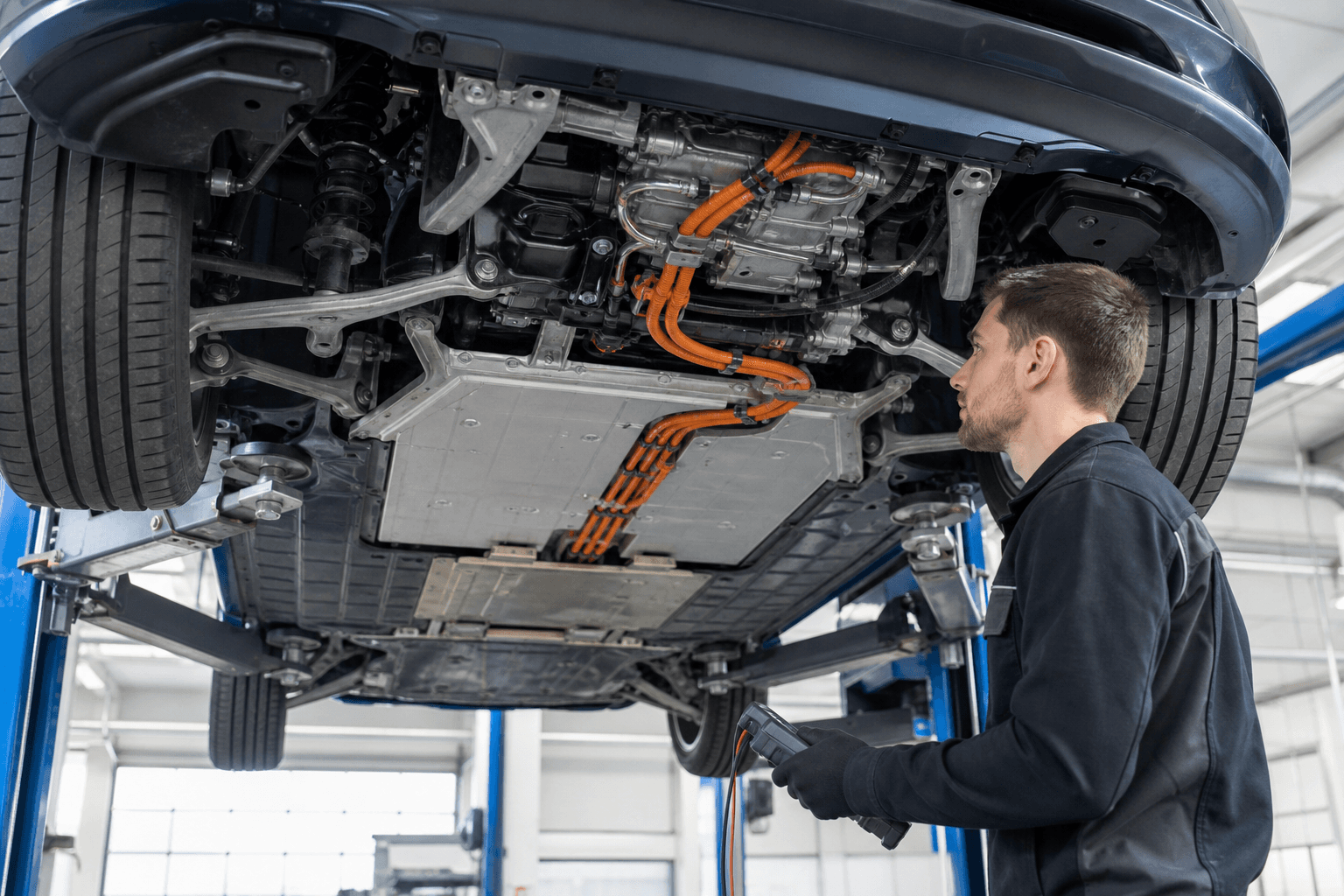
Another reason electric cars can be cheaper to run is their technology. There are no oil changes, no exhaust system, and no conventional transmission with numerous wear points, as well as less thermal stress from continuously high engine temperatures.
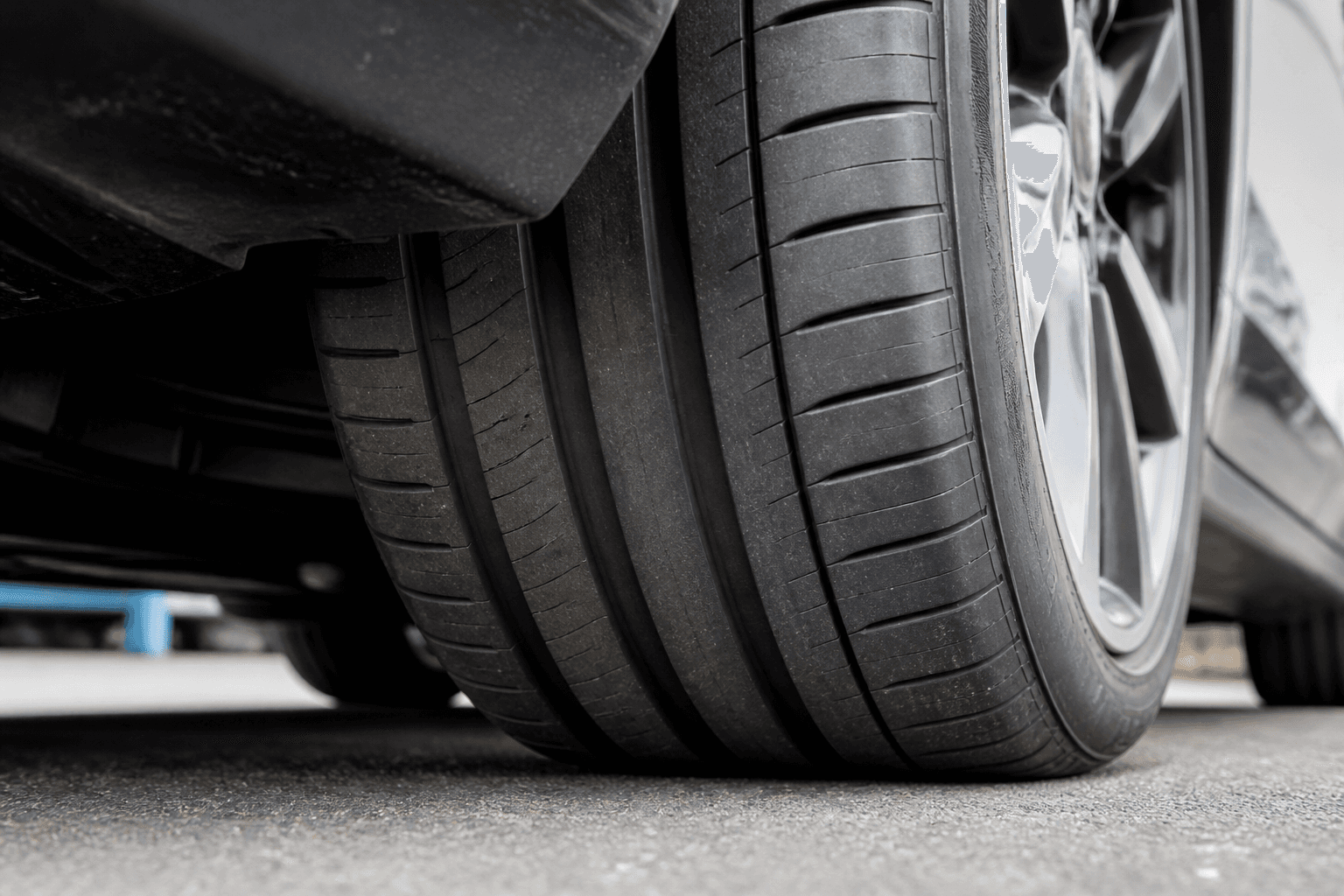
Wear still occurs, of course, including on tires and suspension components. However, regenerative braking can help brakes last longer. Overall, this results in lower workshop costs over time for many owners, although individual repairs can generally be expensive on modern cars.
What pushes the 33% figure up or down in Germany, Austria, and Switzerland
Whether you actually achieve savings of around 33% depends primarily on how you charge. Drivers who rely almost exclusively on public rapid charging lose some of the cost advantage. Those who mainly charge at low rates and drive efficiently can often widen the gap considerably compared with a combustion-engine vehicle.
Temperature and driving style also matter: Cold weather can increase energy consumption, as can high highway speeds. Conversely, smooth driving and moderate speeds can quickly produce measurably lower costs per kilometer in an electric car.
What this means for Tesla drivers and prospective buyers
Tesla has traditionally produced some of the more efficient electric cars, which helps reduce energy costs per kilometer. Its extensive rapid-charging network also makes travel convenient, although it is not necessarily always the cheapest option. Drivers who combine everyday home charging with rapid charging mainly on long-distance trips can take particularly good advantage of an electric car’s economic strengths.
Overall, “33% cheaper” is a plausible rule of thumb if you drive efficiently and do not depend on expensive rapid charging all the time.