Electric cars do not necessarily need tires bearing a special EV symbol. However, the tires fitted must be suitable for the vehicle, its axle loads, and its approved maximum speed. Because of the high vehicle weight and instantly available torque, appropriate tire designs are particularly important.
What matters is not the “EV” marking, but whether the load capacity, size, approval, and characteristics are suitable for the electric car.
Why EVs Put More Strain on Tires
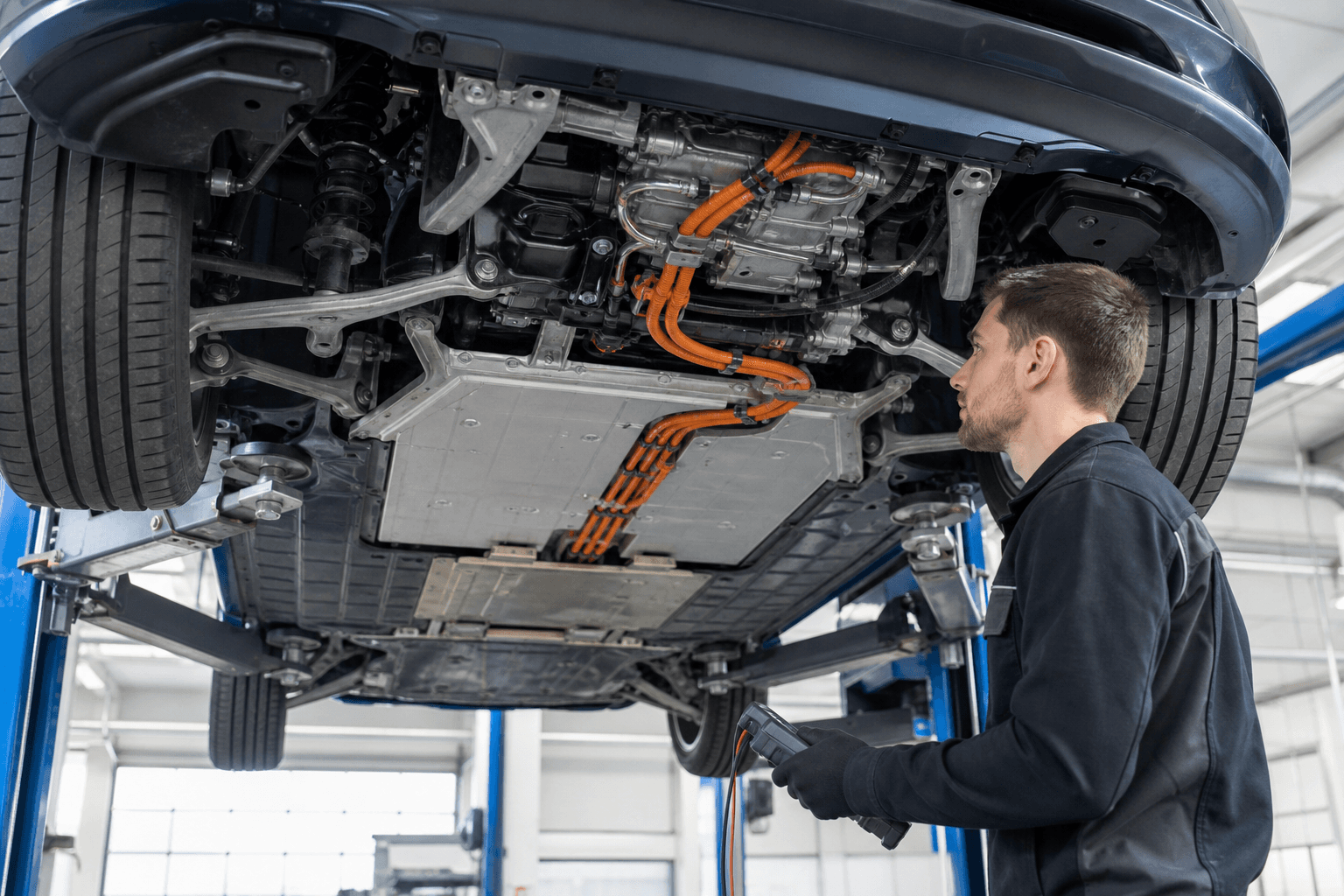
The battery usually increases the vehicle’s weight. As a result, the tires must transmit greater forces during acceleration, braking, and cornering. The strain on the sidewalls and contact patch is particularly relevant. An unsuitable or underinflated tire can heat up more, wear faster, and impair handling.
Another factor is the electric motor’s instantly available torque. High forces can act on the driven wheels as soon as the vehicle pulls away. Frequent hard acceleration → more wheelspin and greater abrasion. This applies particularly to powerful models and heavy SUVs, but it can also affect smaller electric cars if driven accordingly.
What Characteristics a Suitable Tire Needs
| Characteristic | Importance for an EV | What to look for |
|---|---|---|
| Load capacity | Supports the high weight of the vehicle and battery | Comply with the specified load index |
| Grip | Transmits torque as well as braking and cornering forces | Consider wet grip and braking performance |
| Rolling resistance | Affects energy consumption and range | Compare EU tire labels |
| Noise | More noticeable because of the quiet powertrain | Check external rolling noise and tire reviews |
| Wear resistance | Reduces abrasion under heavy loads | Consult independent tire tests |
Load Index and Speed Rating
The load index on the tire sidewall indicates the maximum load a tire can carry. Reinforced versions are often used on heavy electric cars, such as tires with an XL marking. However, XL does not automatically mean that every tire bearing this marking is suitable. The vehicle documents and permitted axle load are what matter.
The speed rating must also meet the specifications. Tires with unsuitable ratings cannot be fitted simply because the car is normally driven at lower speeds. If in doubt, consult the vehicle registration documents, the manufacturer’s approval, or a tire specialist.
Rolling Resistance and Range
Low rolling resistance can reduce energy consumption. It can be achieved through an optimized rubber compound, tire construction, and tread design, among other factors. Nevertheless, efficiency should not be considered in isolation. A tire must also brake safely in the rain and provide sufficient cornering grip.
The EU tire label makes it easier to compare rolling resistance, wet grip, and external noise. However, it is no substitute for comprehensive tire testing, as it does not fully cover factors such as dry braking, aquaplaning, handling stability, and wear.
Rolling Noise and Comfort
Because engine and transmission noise is largely absent, occupants notice tire noise more clearly. Some EV tires therefore feature noise-optimized tread designs or sound-absorbing foam inside. Such solutions can improve cabin comfort, but they are not essential. What matters is how the tires interact with the vehicle, road surface, and tire pressure.
Are Special EV Tires Really Necessary?
Manufacturers are increasingly developing tires specifically tailored to electric vehicles. They often combine high load capacity with reduced rolling resistance, stable handling, and low noise. However, markings such as “EV ready” are not standardized and are no substitute for checking the technical specifications.
Reasons to Choose EV-Optimized Tires
- Designed for high weight and instant torque
- Potential for lower energy consumption and quieter running
- Often feature robust construction for heavy vehicles
Not Strictly Necessary
- Suitable high-quality tires without an EV marking may also be appropriate
- Vehicle approval and technical ratings are more important than marketing labels
- Efficiency must not be optimized at the expense of wet grip
How to Extend Tire Life
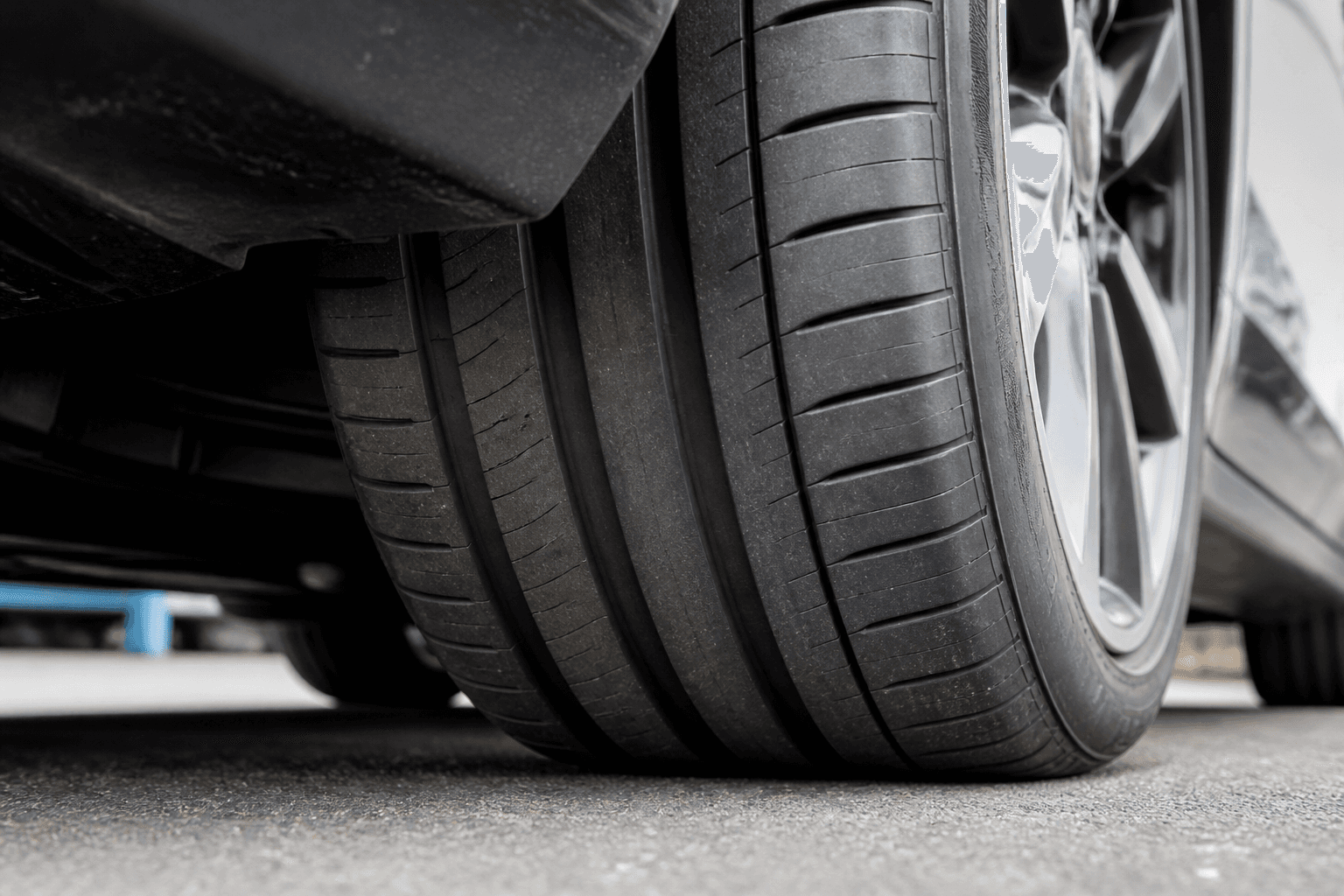
- Check tire pressure: Regularly check the value recommended by the vehicle manufacturer while the tires are cold. The pressure may need to be adjusted when carrying a load.
- Inspect the tread and wear pattern: Uneven wear may indicate incorrect tire pressure, misaligned suspension geometry, or worn suspension components.
- Accelerate gently: Apply the instant torque carefully. This protects the tires and reduces energy consumption.
- Have the wheels rotated: If recommended by the manufacturer, rotating the wheels between axles can promote more even wear. This is often not possible when different tire sizes are used at the front and rear.
Conclusion: The Right Ratings Are Crucial
A tire must safely support the weight of an electric car and reliably transmit its power to the road. Special EV tires can offer benefits in terms of efficiency, noise, and durability, but they are not generally mandatory. The priorities are the correct dimensions, adequate load index and speed rating, good wet grip, and approval for the specific vehicle. Regularly checking tire pressure and avoiding hard acceleration can also make a noticeable difference to tire wear and energy consumption.