Waymo rejects the idea that “cameras are enough”—and is clearly talking about Tesla
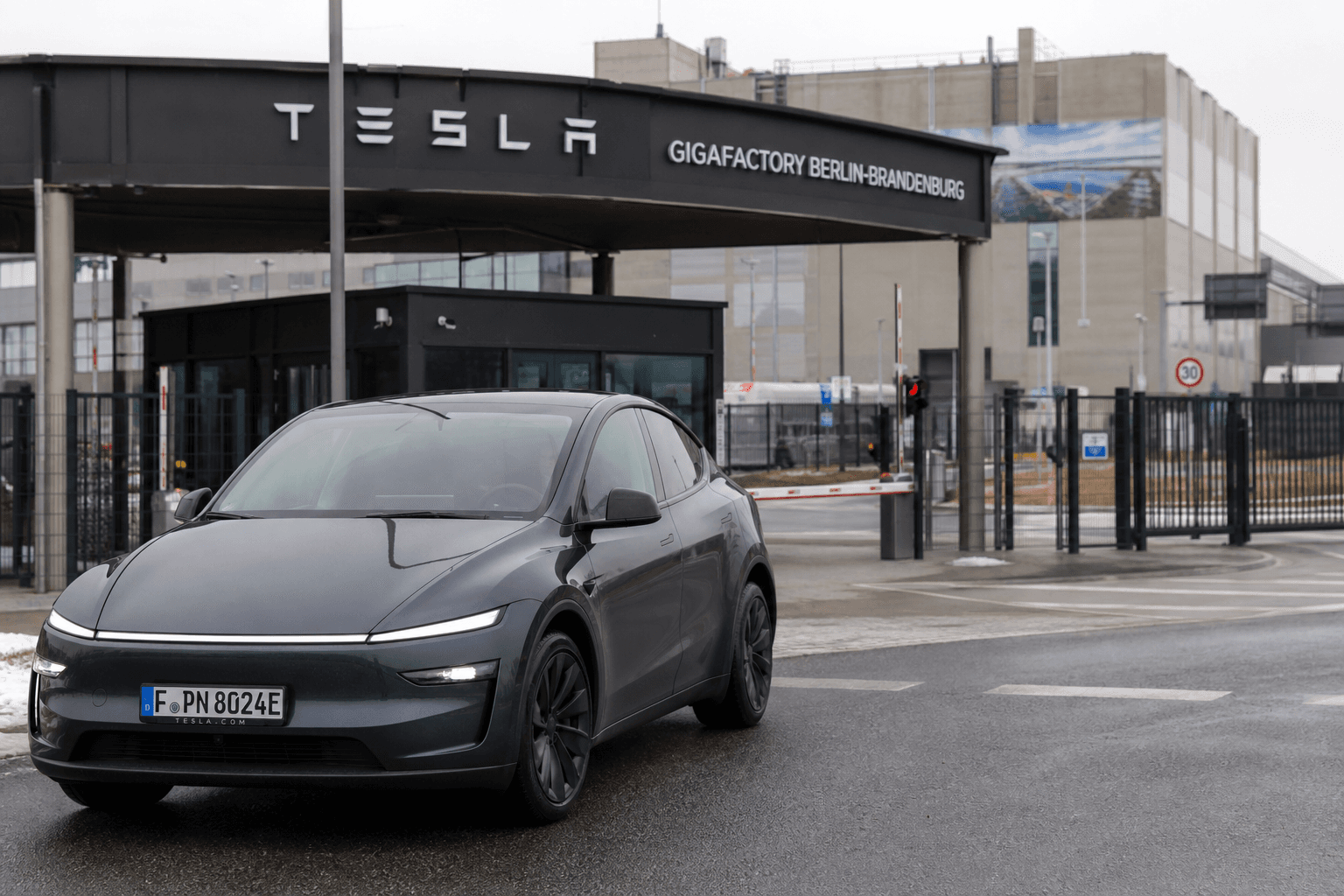
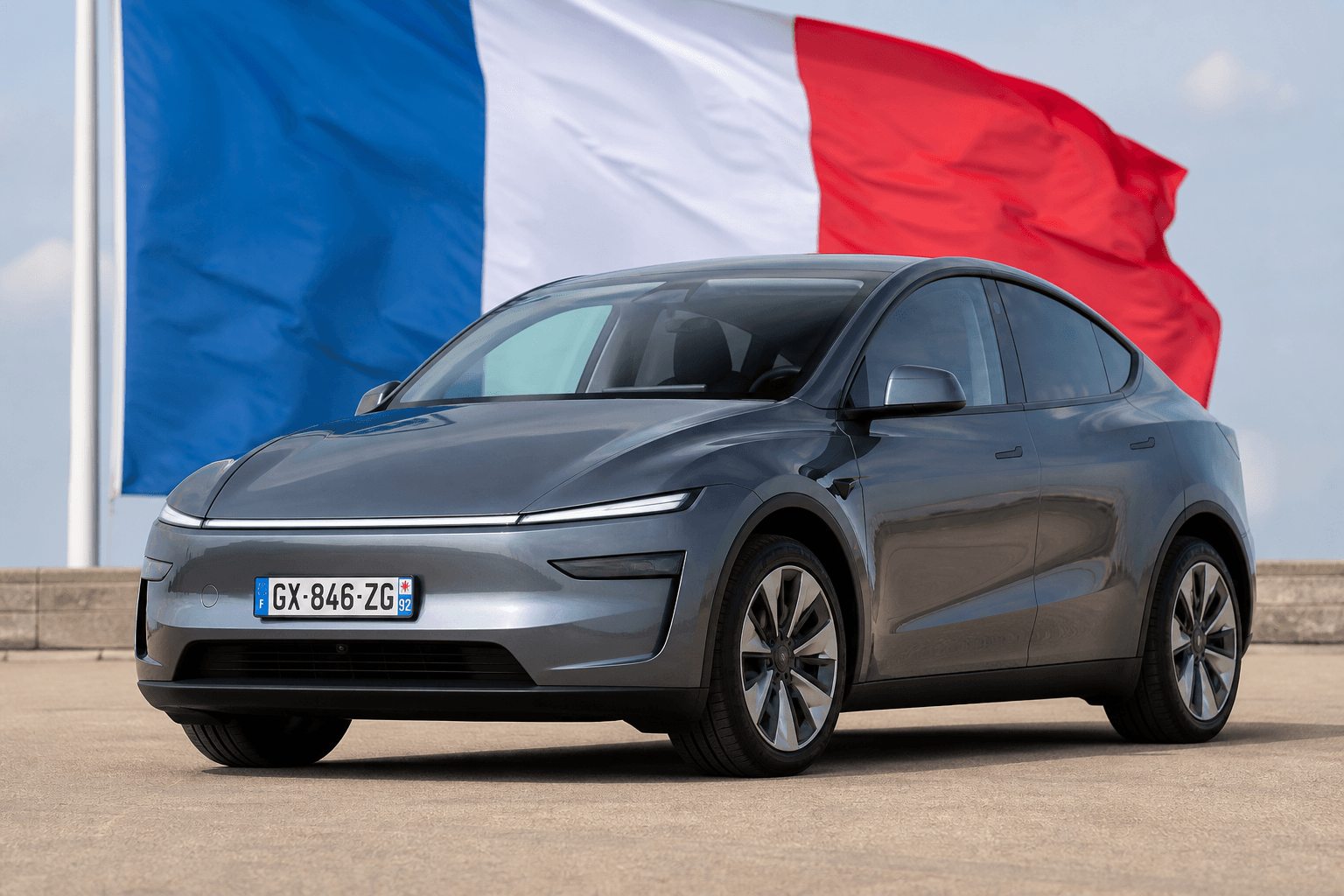
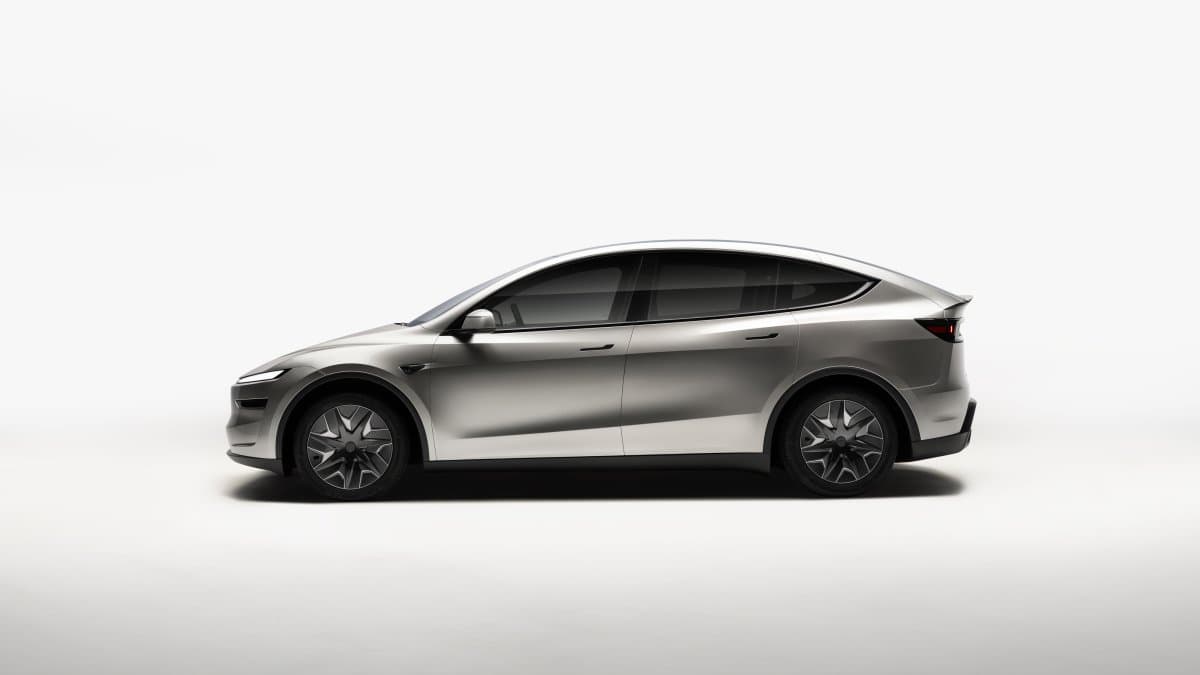
In a recent technical article, Waymo published ten lessons from 200 million autonomously driven miles, equivalent to around 322 million km. Tesla is not mentioned by name, but the target is unmistakable: Waymo challenges key assumptions behind “vision-only” systems and the idea of scaling a driver-assistance system (Level 2) into full autonomy.
The context matters: Waymo already operates robotaxis commercially and reports providing more than 500,000 driverless rides per week. Tesla, meanwhile, is deliberately pursuing a different path that relies heavily on scaling through its customer fleet, cameras and AI. Two philosophies, one goal—but very different technical risks and cost models.
Sensors: Waymo wants redundancy, Tesla wants simplicity
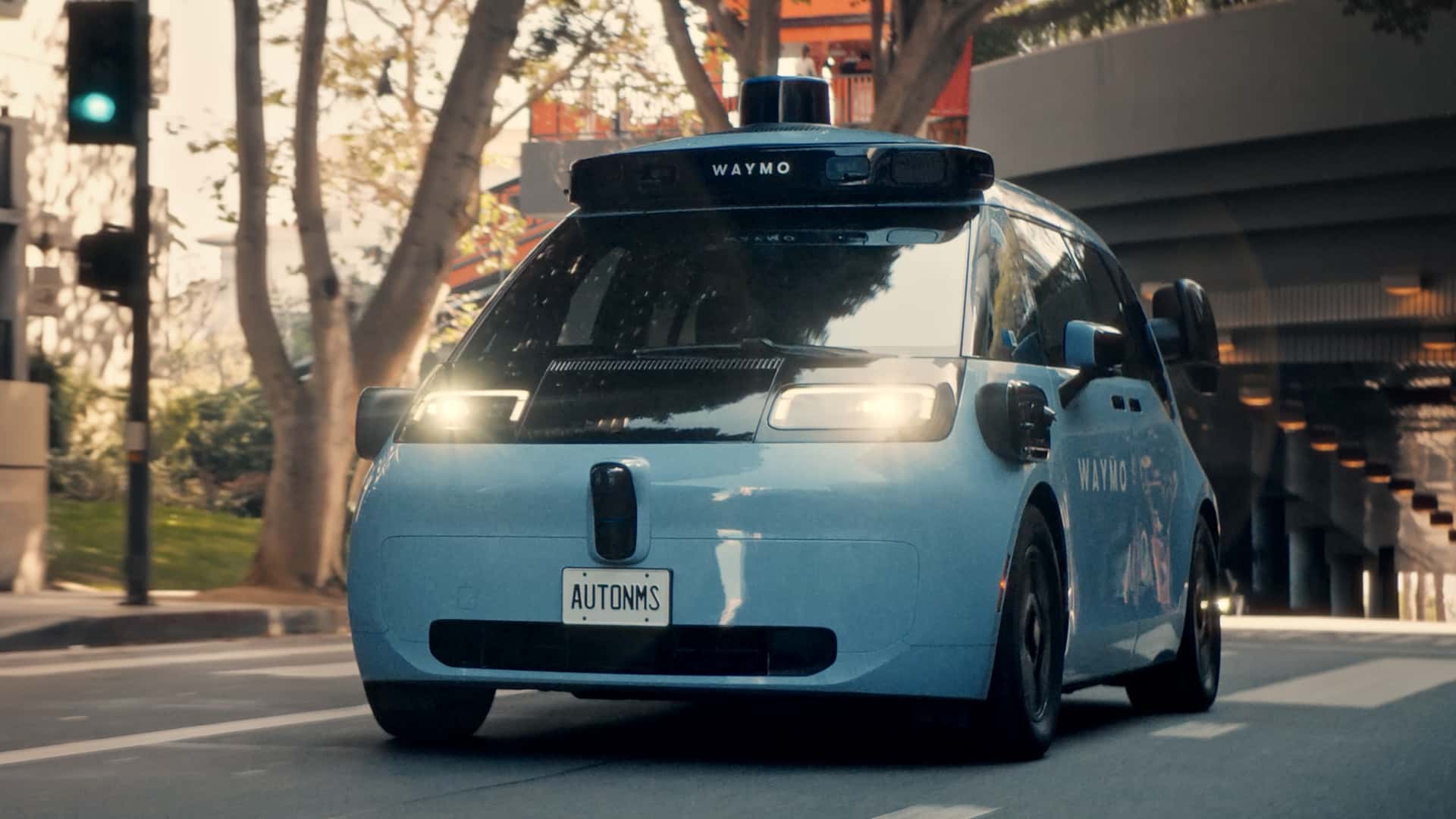
The clearest dig concerns sensor technology. Tesla relies on cameras in its production vehicles, while Waymo uses a mix of several sensor types. According to the article, Waymo’s current robotaxi platform uses 13 cameras, 4 LiDAR units and 6 radar sensors, as well as microphones.
The reasoning is that multimodal sensors provide redundant, robust perception of the surroundings that no single type of sensor could deliver. LiDAR is intended to provide particularly precise 3D geometry, radar helps measure speed and handle difficult visibility conditions such as fog, while cameras excel at semantic information such as traffic lights and signs.
Tesla’s opposing position is well known: less hardware, lower costs and less complexity, offset by greater use of AI. That can be an advantage when scaling. Waymo, by contrast, prioritizes safety and robustness: more sensors, more safeguards and fewer single points of failure.
HD maps: Waymo sees a safety net, Tesla sees baggage
A second point of contention is HD maps. Waymo emphasizes that highly detailed maps are “incredibly helpful,” particularly in poor visibility and on complex road layouts. Such maps act as an additional layer of context that can stabilize the system when sensors temporarily provide less information.
Tesla has traditionally pursued an approach designed to operate without pre-built HD maps. In practice, this means Waymo invests more in surveying and validating areas in advance, while Tesla wants its system to become capable of driving “everywhere” without requiring every road to be mapped. Both approaches involve trade-offs: maps can increase robustness, but they can also slow deployment and require ongoing maintenance.
End-to-end AI: Waymo warns of black-box errors
Waymo also takes a very clear position on end-to-end (E2E) AI systems. These are architectures in which a model generates steering and driving commands directly from sensor data. Waymo sees a risk of “black-box” errors—situations in which decisions are difficult to understand or debug.
That is not automatically a deal-breaker for E2E, but it describes a genuine engineering problem: if a system behaves unexpectedly, developers need traceable causes so they can improve, test and certify it in a targeted way. Particularly in Europe, with its strict regulation of automated driving, explainability can influence the route to regulatory approval.
From Level 2 to robotaxi: Waymo calls it a “false summit”
Waymo’s argument that true autonomy cannot be achieved simply by continuously improving supervised driving is particularly interesting. The article argues that a system only truly matures when it is responsible for driving itself. Only full autonomy confronts the software with the full weight of its decisions and reveals new situations that humans or simulations might unconsciously smooth over.
This directly targets Tesla’s long-standing narrative that FSD (Supervised) can eventually operate without a driver through greater volumes of data and repeated iteration. Waymo counters that the fastest way to learn autonomy is through autonomous operation, not assisted driving. That is plausible, but it also has a downside: fully autonomous operation requires extremely high safety and approval thresholds before the system can even enter this “learning mode.”
What does this mean for Germany, Austria and Switzerland if you simply want to reach your destination safely?
The immediate practical impact for Germany, Austria and Switzerland—the DACH region—is limited, since robotaxi services like those in the US are still barely available there. Nevertheless, the clash shows why autonomous systems look so different in 2026: one approach optimizes for scale and cost, while the other prioritizes sensor redundancy, maps and tightly restricted operating areas.
To put Tesla’s approach into perspective, it helps to consider the bigger picture: Tesla is trying to scale very broadly using relatively lean hardware and data-driven software. That could deliver enormous long-term advantages if reliability reaches the necessary threshold. Waymo, meanwhile, demonstrates that robotaxi operation is already possible today, albeit often with more hardware, more advance preparation and clearly defined areas.
Assessment: Two paths, one goal
- Waymo: more sensors plus HD maps, allowing it to achieve stable operation sooner within clearly defined robotaxi zones.
- Tesla: camera-only technology and AI at scale, potentially making deployment across millions of vehicles easier if the software becomes mature enough.