Tesla extends Robotaxi hours and optimizes fleet management
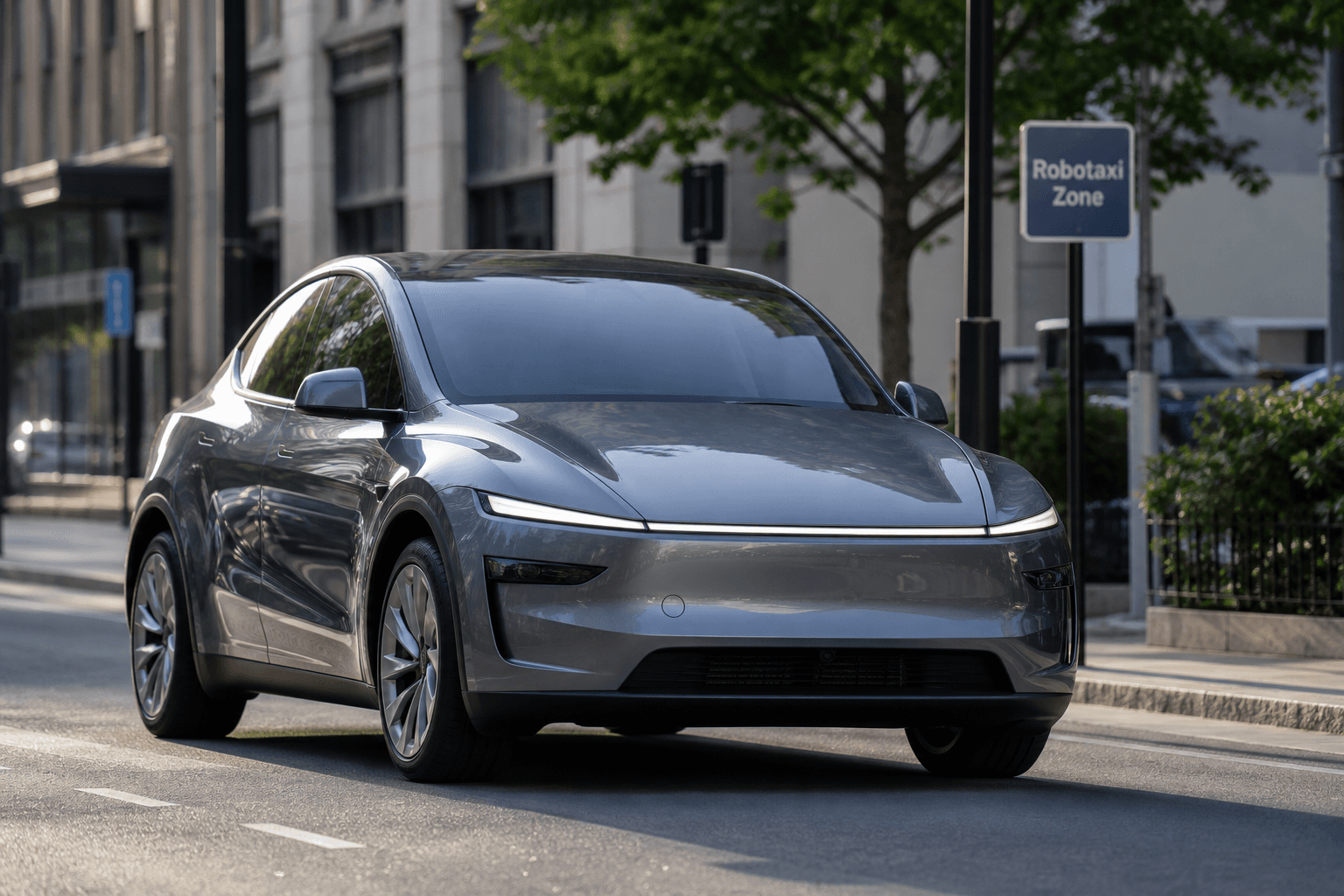
Tesla has rolled out another update to its Robotaxi network. The service now operates daily from 6 a.m. to 10 p.m., offering longer hours seven days a week. At the same time, Tesla says its unsupervised fleet, meaning vehicles without an in-car safety monitor, is “significantly larger.”
For users, however, the second point is particularly interesting: Tesla has announced improved vehicle distribution and routing intelligence. The goal is clear: shorter wait times by positioning vehicles more effectively wherever demand is emerging.
What “unsupervised” specifically means for Tesla Robotaxi
Tesla launched its public Robotaxi service in Austin, Texas, in June 2025, initially as an invite-only offering with a small number of vehicles and a safety monitor in the front passenger seat. Tests without a safety monitor followed in late 2025, after which the first unaccompanied public rides were also made available.
In 2026, Tesla continued expanding its live markets in the US, including to additional cities in Texas and to Florida. Important context for the German-speaking DACH region—Germany, Austria and Switzerland—is that this is a US service, where regulations, operating permits and liability frameworks differ from those in Germany, Austria or Switzerland. For Europe, it is primarily an indicator of how quickly Tesla can scale its system in real-world operation.
Why longer Robotaxi hours are more than “just” a time window
Longer operating hours may sound trivial, but they have a direct impact on utilization in ride-hailing. A Robotaxi that starts earlier and finishes later can complete more trips per day, which in turn increases the chance that a vehicle will be nearby during peak periods.
Even so, the greater leverage lies in the software: If Tesla distributes its fleet more intelligently, it can reduce wait times without necessarily needing many more vehicles immediately. In practice, effective dispatch logic means fewer empty miles, less inefficient positioning and faster matching between demand and vehicles.
“Larger and smarter”: Does that automatically mean more vehicles?
Tesla still does not provide official figures for the number of Robotaxi vehicles or the proportion already operating without a safety monitor. Although there are community estimates for active Robotaxis in live markets, these have not been officially confirmed.
Moreover, “larger” does not necessarily mean that Tesla has immediately put many additional vehicles into service. It is equally plausible that part of the existing fleet has been switched from “supervised” to “unsupervised” operation. For users, what ultimately matters most is how reliably the system operates and how quickly a vehicle becomes available.
Roaming, hotspots and queues: What could be behind the optimization
Tesla refers to improved “vehicle distribution.” In Robotaxi systems, this typically involves a combination of demand forecasting, dynamic repositioning and intelligent routing. One particularly interesting point: A potential “roaming” function has recently been discussed in connection with the Cybercab, meaning vehicles would actively reposition themselves without a ride request.
If vehicles automatically “migrate” toward hotspots, this could reduce wait times, especially outside traditional commuter peaks. Put simply: Instead of sitting on the outskirts and waiting, a car proactively moves toward demand → better availability with the same fleet size.
Tesla’s perspective: Improvements even before the Cybercab
The interesting signal from Tesla’s update is that improvements to the Robotaxi service are not expected to arrive only with the Cybercab. This suggests that Tesla is developing its fleet and dispatch software as a standalone product, regardless of which vehicle is currently being used.
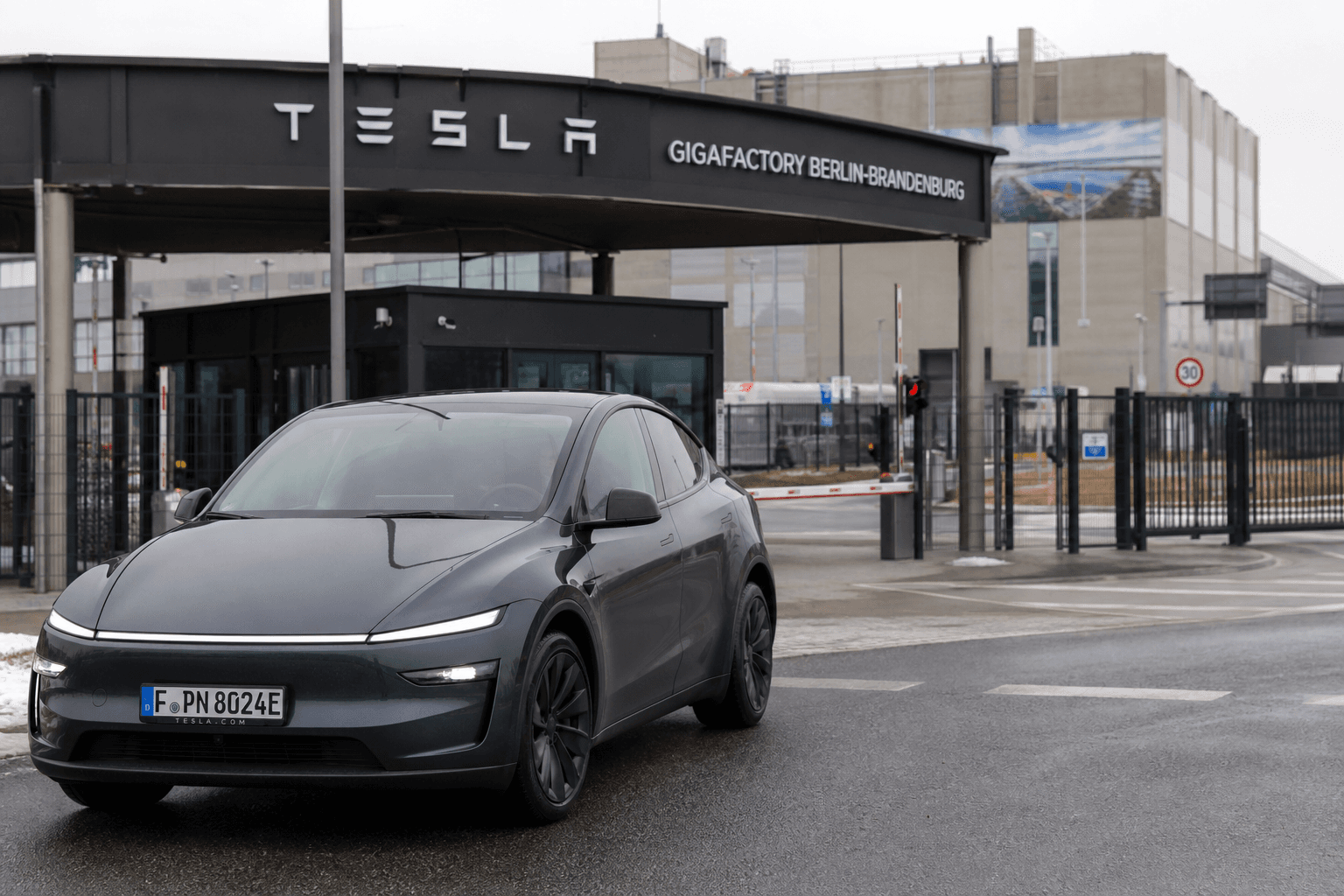
Tesla has already indicated that a Cybercab event will take place in the near future. Until then, the company appears to be continuing to push its existing Robotaxi fleet, which so far has primarily been based on the Model Y.
What this means for EV enthusiasts in Germany, Austria and Switzerland
- Robotaxi deployment in Europe is considerably more complex from a regulatory perspective, but the US rollouts provide valuable indications of how quickly Tesla can scale.
- The biggest real-world benefits are likely to come from software logic—dispatching, routing and repositioning—not just from “more cars.”
- If Tesla genuinely reduces wait times, that will be an important signal for the economic viability of Robotaxi operations.