Tesla Significantly Expands Robotaxi Presence in Texas
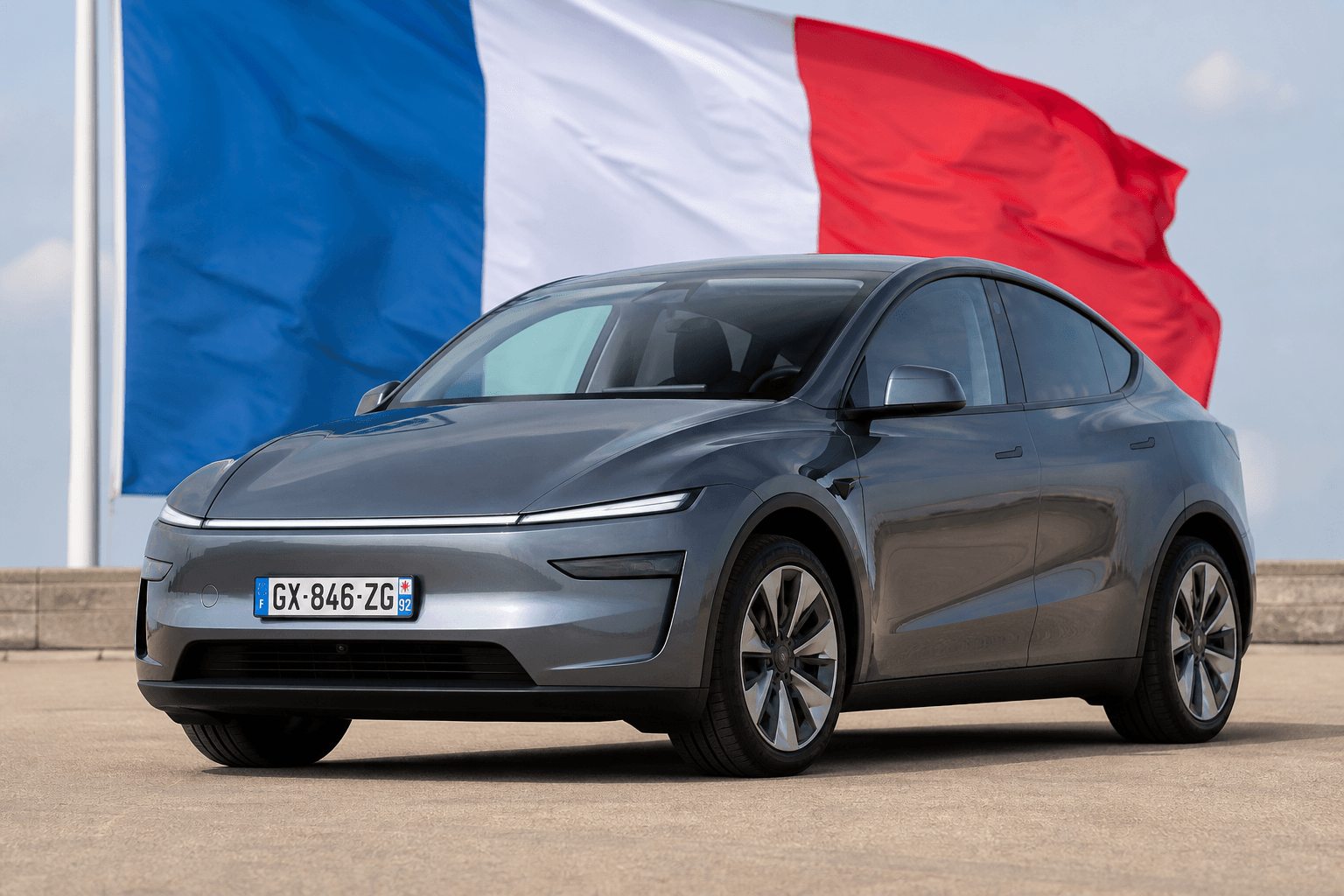
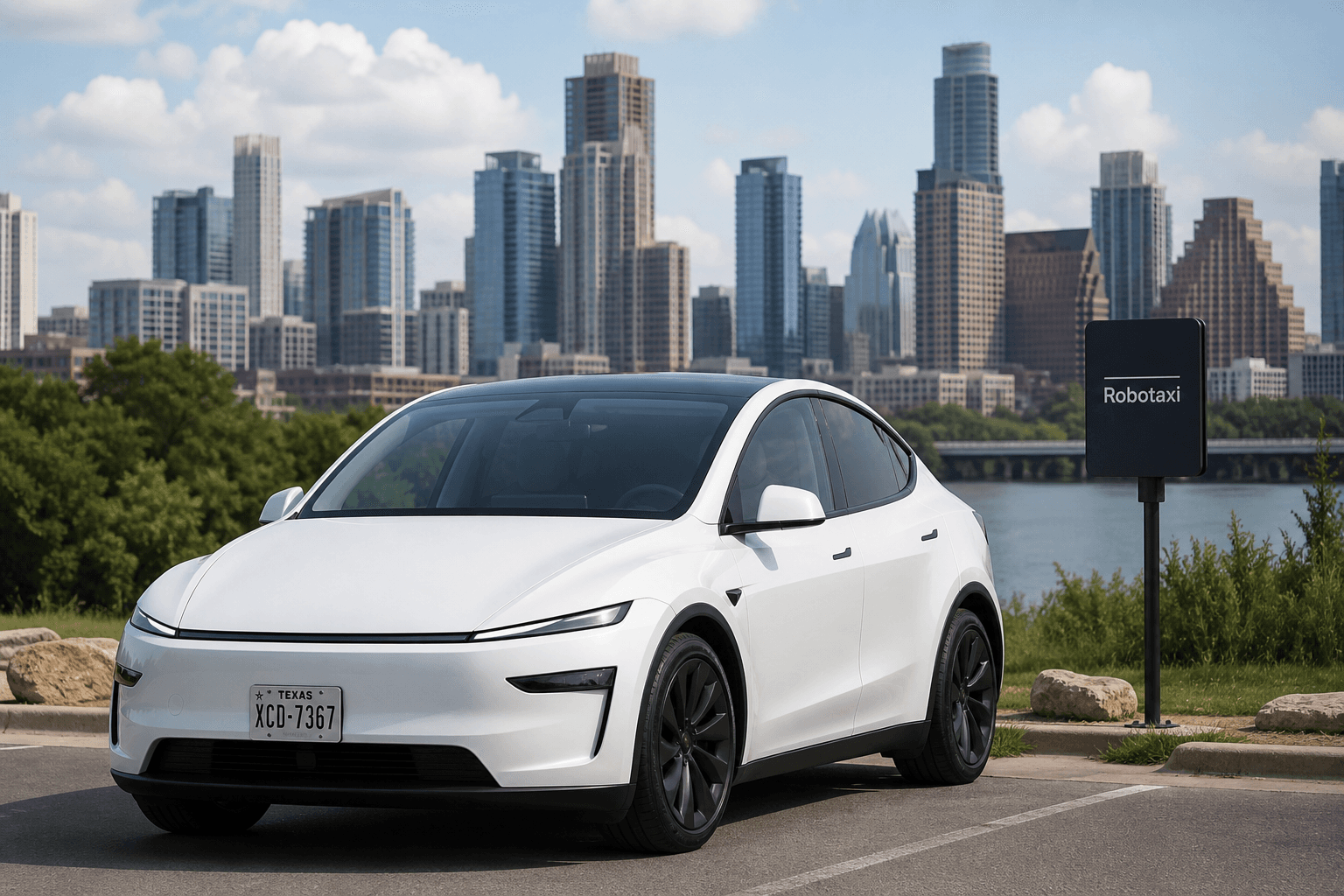
Tesla has registered 79 additional vehicles for its robotaxi program in Texas. According to publicly available registration data, the fleet has grown from 191 to 270 Model Y vehicles, an increase of around 41% in a single day.
An important point for context: Registration is required for such vehicles in Texas, but it does not mean that every Model Y is already actively transporting passengers or operating entirely without supervision. Nevertheless, the move is a clear signal that Tesla is planning to increase capacity in the near term.
Longer Service Hours and Software Fine-Tuning Aim to Reduce Wait Times
Alongside its growing fleet, Tesla has extended the daily operating hours of its robotaxi service in Texas. The service is now expected to be available every day from 6 a.m. to 10 p.m.
Tesla also says that a significantly larger share of the fleet is operating unsupervised, while improvements have been made to routing and vehicle distribution. In practical terms, this means vehicles should more often be positioned where they are needed, and rides should be assigned more efficiently. In day-to-day operations, this kind of “dispatch intelligence” is often the key to shorter pickup times.
How Large Is Tesla’s Robotaxi Fleet by Comparison?
Tesla does not provide official figures for the total size of its robotaxi fleet in Texas. That is not unusual, as registered vehicles, active vehicles, service areas and operating modes can vary considerably during a rollout.
For a rough comparison, an established competitor currently has 736 robotaxis registered in Texas. Tesla’s 270 registered vehicles therefore demonstrate growth, but also show that the regional market is already highly competitive.
A Brief Look Back: How the Texas Launch Unfolded
Tesla’s public robotaxi rides in Austin began on June 22, 2025, initially as an invitation-only service. At the time, the fleet was considerably smaller, and every vehicle had a safety monitor in the front passenger seat.
According to Tesla, the unsupervised service was then expanded to additional cities in April, including Dallas and Houston. The latest increase in registrations fits this pattern: faster scaling, broader coverage and longer availability.
Why Tesla Is Scaling Up Now
The timing is notable because the fleet expansion coincides directly with longer operating hours and software improvements. The two go hand in hand: More vehicles are of little benefit without effective distribution, and good dispatching is equally limited without enough vehicles.
Moreover, sources close to Tesla have long suggested that the company does not intend to expand “at all costs” before a vehicle designed specifically for robotaxi operations is available in larger volumes. In this context, the move in Texas looks like a controlled ramp-up that improves utilization and operations without immediately maximizing complexity.
What This Means for Europe—and What It Does Not Mean Yet
For Germany, Austria and Switzerland, this is primarily a glimpse into the future: A robotaxi service modeled on the US offering depends not only on the technology, but also heavily on regulation, liability issues and approvals. However, the figures from Texas show how Tesla approaches the issue operationally: fleet size, operating hours and software logic serve as levers for improving the user experience.
If you want a deeper look at Tesla’s autonomy roadmap, our overview of Tesla FSD v15, HW4 and statements about its future development is also worth reading. For a comparison of how another company is approaching robotaxis, see also Waymo and the robotaxi market.
Assessment: What the Registrations Tell Us with Certainty
- Tesla is planning a significant near-term increase in robotaxi capacity in Texas.
- Registrations are a reliable indication of scaling, but they do not prove that every vehicle is actively operating without supervision.
- The combination of more vehicles, longer service hours and smarter dispatching is clearly aimed at reducing wait times and providing more reliable availability.
For Tesla fans, the interesting point is that this is not merely about “more cars”; the company is also refining its operational processes at the same time. Ultimately, that is what will determine whether robotaxis work as an everyday product.