Tesla FSD Reaches 160 Million Kilometers
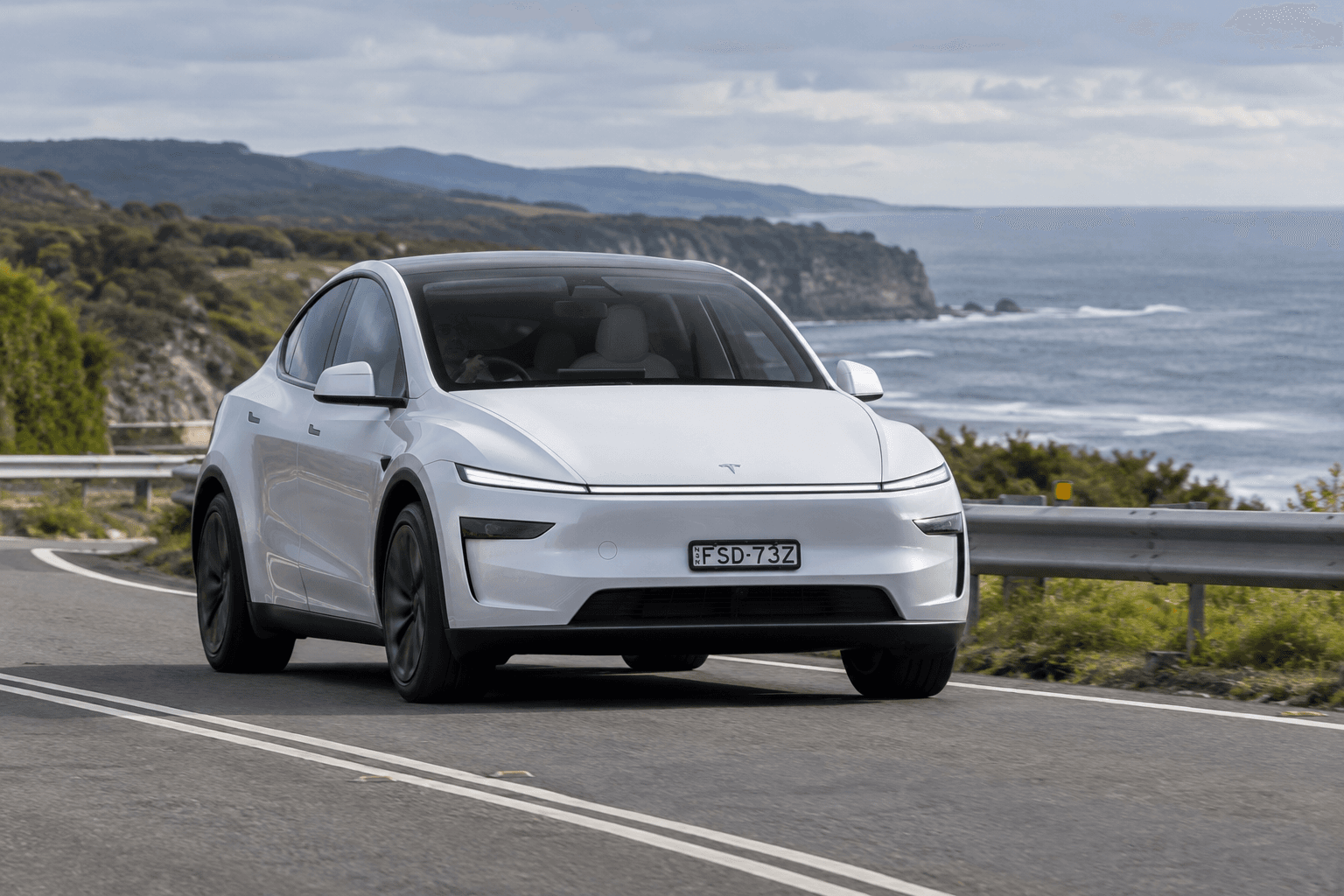
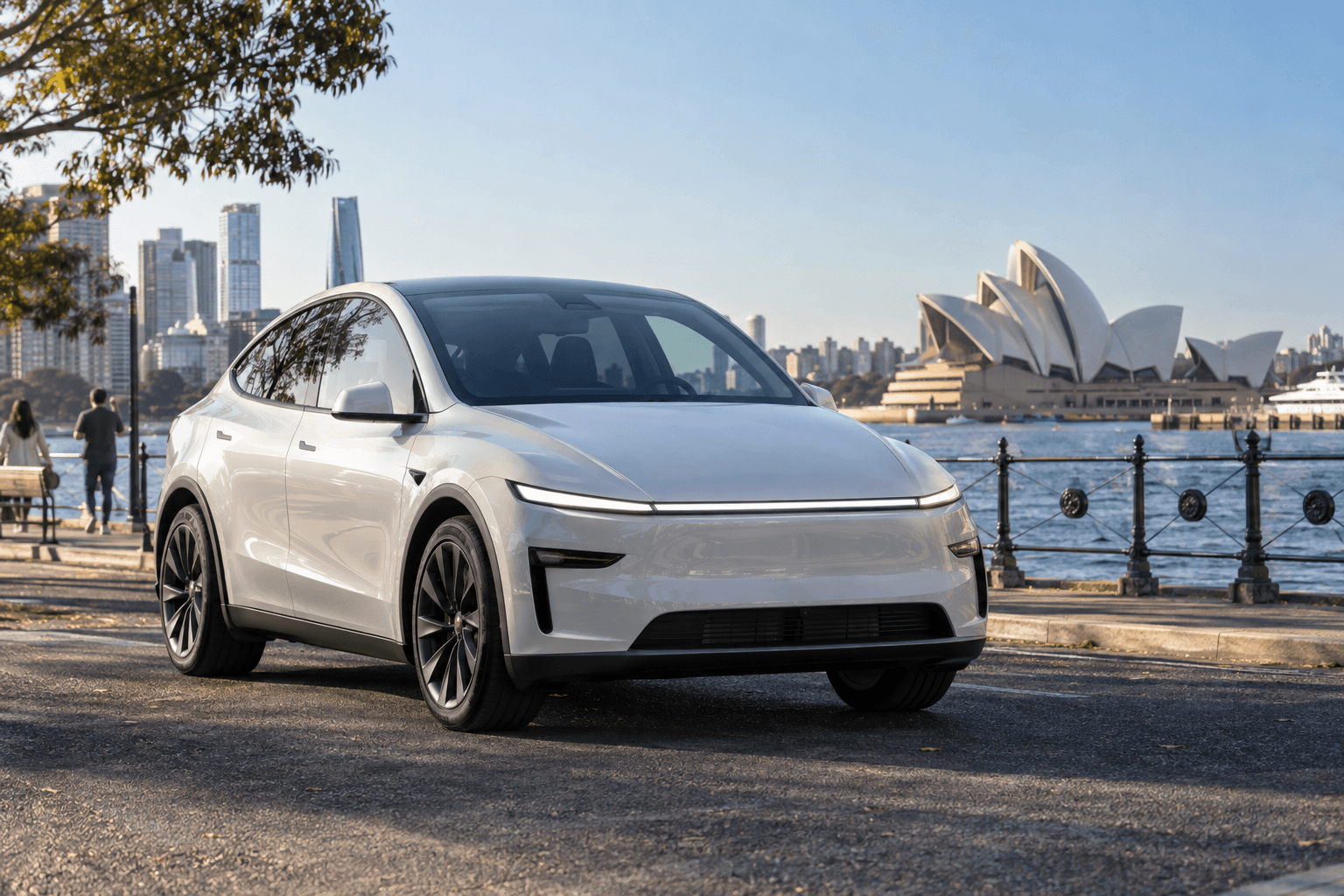
Tesla has reported positive results after the first year of FSD Supervised in Australia and New Zealand. Between September 17, 2025, and September 16, 2026, vehicles with the system enabled covered a total of more than 160 million km.
On average, that amounts to more than 438,000 km per day. However, the key factor is not mileage alone, but Tesla’s comparison between FSD Supervised and manual driving in vehicles with active safety features enabled.
Reported Collision Rate Falls by Around 40%
With FSD enabled, Tesla recorded one reported serious or minor collision per approximately 1.78 million km. During manual driving with Active Safety, the corresponding figure was one collision per approximately 1.07 million km.
| Driving mode | Distance analyzed | Reported collisions |
|---|---|---|
| FSD Supervised | around 160 million km | one per approximately 1.78 million km |
| Manual with Active Safety | around 2.4 billion km | one per approximately 1.07 million km |
Adjusted for distance traveled, this results in an approximately 40% lower collision rate for FSD. That is an encouraging sign, especially because the comparison group did not consist of vehicles without assistance systems; Tesla’s active safety features were already enabled.
The figures suggest that FSD Supervised offers a safety advantage, but they do not constitute independent evidence of autonomous driving.
Fewer Emergency Braking Events and Abrupt Maneuvers
Tesla also reports significant differences for other events. Automatic emergency braking occurred an average of once every 17,432 km with FSD, compared with once every 5,989 km during manual driving. That represents a decrease of approximately 66%.
Hard braking events are said to have fallen by around 90%. Tesla reports 86% fewer instances of hard acceleration, 76% fewer abrupt lateral maneuvers, and 80% fewer uses of the horn.
Such figures may indicate a more anticipatory and consistent driving style. However, fewer interventions by the automatic emergency braking system do not automatically mean less risk, because route characteristics, traffic density, weather, and the selection of suitable trips also influence the statistics.
Why Tesla’s Data Must Be Put into Context
The data comes from Tesla and was not published as an independently controlled study. The distances traveled also differ significantly: 160 million km with FSD compared with around 2.4 billion km of manual driving.
There was also no direct random assignment involving the same routes and conditions. Drivers may activate FSD more often on suitable roads, while difficult situations may be handled manually more frequently. Nevertheless, the large fleet data set provides relevant insight into the system’s development.
FSD Supervised remains a supervised driver-assistance system. The person behind the wheel must monitor traffic and be able to intervene at any time. The name explicitly does not mean that the vehicle may operate without a responsible driver.
Hardware 4 Is Required in Australia and New Zealand
In Australia and New Zealand, the current FSD version is currently available only for vehicles equipped with Hardware 4, which Tesla also calls AI4. Owners of older vehicles with Hardware 3 are still waiting for an adapted version, for which no official release date has yet been announced.
This makes the hardware generation an increasingly decisive factor. The significance of FSD v15 and HW4 for Tesla’s future plans is therefore likely to concern more than just existing customers.
Insurer Responds to Safety Figures
The results are also attracting interest from the insurance industry. Zurich Australia has announced more favorable insurance terms for Tesla owners with FSD. When insurers incorporate driver-assistance systems directly into their risk models, a lower event rate gains tangible financial value.
No comparable insurance premium advantage can yet be inferred for Germany, Austria, and Switzerland. Insurance products, vehicle approval rules, and the capabilities of driver-assistance systems vary considerably by region.
What the Figures Mean for Europe
The results from Australia and New Zealand cannot be applied directly to the DACH region, the German-speaking market comprising Germany, Austria, and Switzerland. Road design, traffic regulations, and regulatory approvals differ, while the capabilities of Tesla systems in Europe depend on the relevant approvals.
Nevertheless, the data shows where modern assistance systems are heading: large fleets continuously provide information that can be used to improve driving models. Competitors are also working on systems for complex situations, as demonstrated by the autonomous ferry maneuver performed by Xpeng VLA 2.0.
For Tesla, the milestone is above all a strong real-world argument. More than 160 million km and a significantly lower reported collision rate point to progress, although transparent definitions and independent analyses remain necessary to conclusively assess the safety advantage.