Norway Sets Another EV Milestone: 98.7% Market Share in August
Norway remains the global showcase for electric mobility and has once again raised the bar: In August, fully electric passenger cars accounted for 98.7% of new registrations. This means the new-car market is effectively fully electrified, even though combustion-engine vehicles may still be registered. A total of 13,451 new passenger cars were registered in August, 3.4% fewer than in the same month last year.
For comparison, the EV share stood at 96.9% in August last year and 97.6% in July this year. Since the beginning of the year, battery-electric vehicles (BEVs) have accounted for 97.8% of registrations in Norway. This trend is therefore not just an outlier but has become the new normal.
Brands and Models: Volkswagen Leads, ID.4 Takes the Top Spot
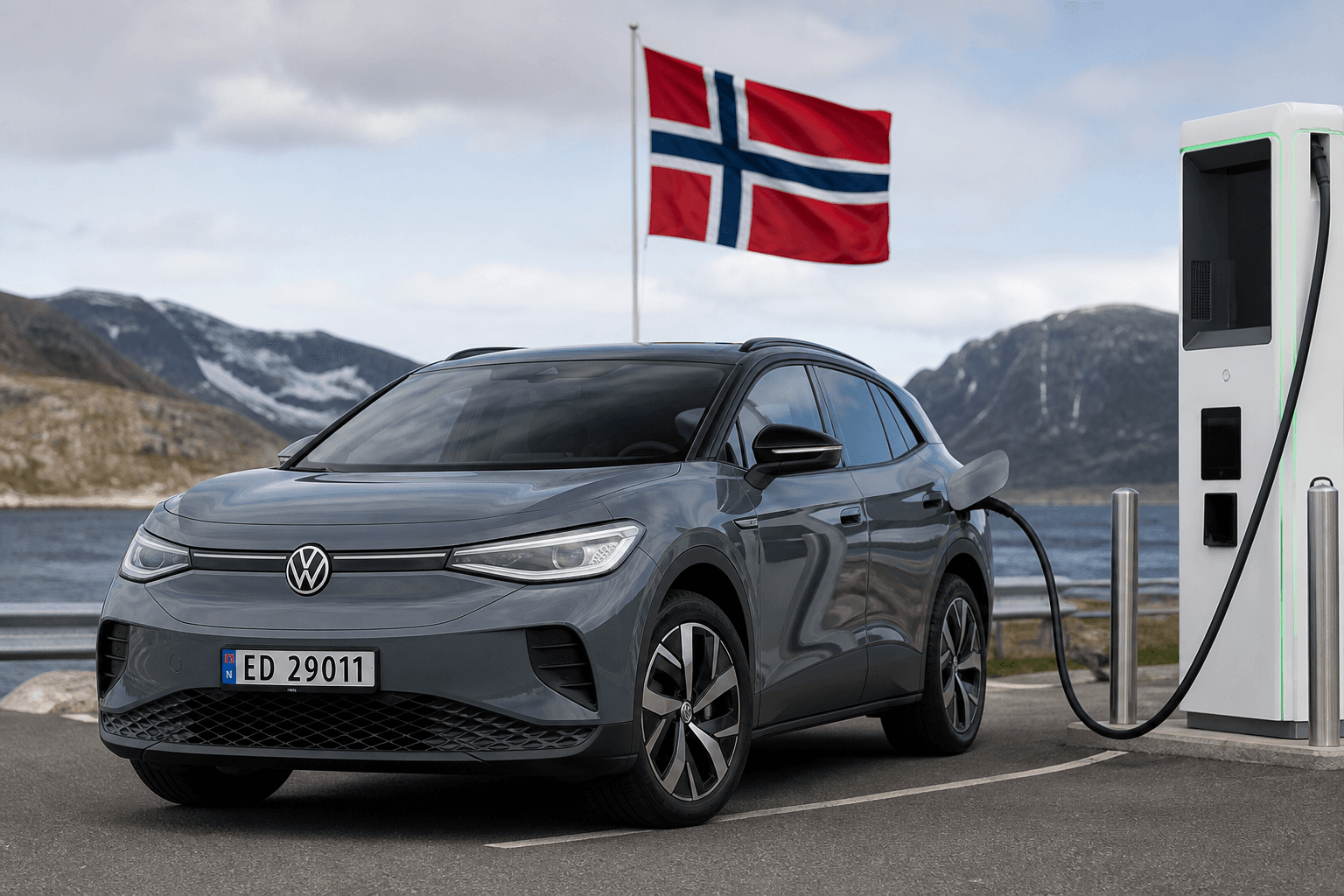
A look at the manufacturers is particularly interesting, as market shares are shifting noticeably despite the slightly smaller overall market. Volkswagen leads the brand ranking in August, followed by Toyota and Xpeng. At model level, the VW ID.4 ranks first, followed by the Toyota bZ4X and BMW iX3.
This is also particularly relevant for readers in the DACH region—Germany, Austria and Switzerland—because Norway often provides an early indication of what matters in a mature EV market: vehicle availability, an attractive price-to-performance ratio and a model portfolio that covers a wide range of everyday needs. The VW ID.4 is precisely this kind of high-volume vehicle, serving roles ranging from a family SUV to a company car.
Chinese Brands Grow: Xpeng and BYD Make a Major Leap
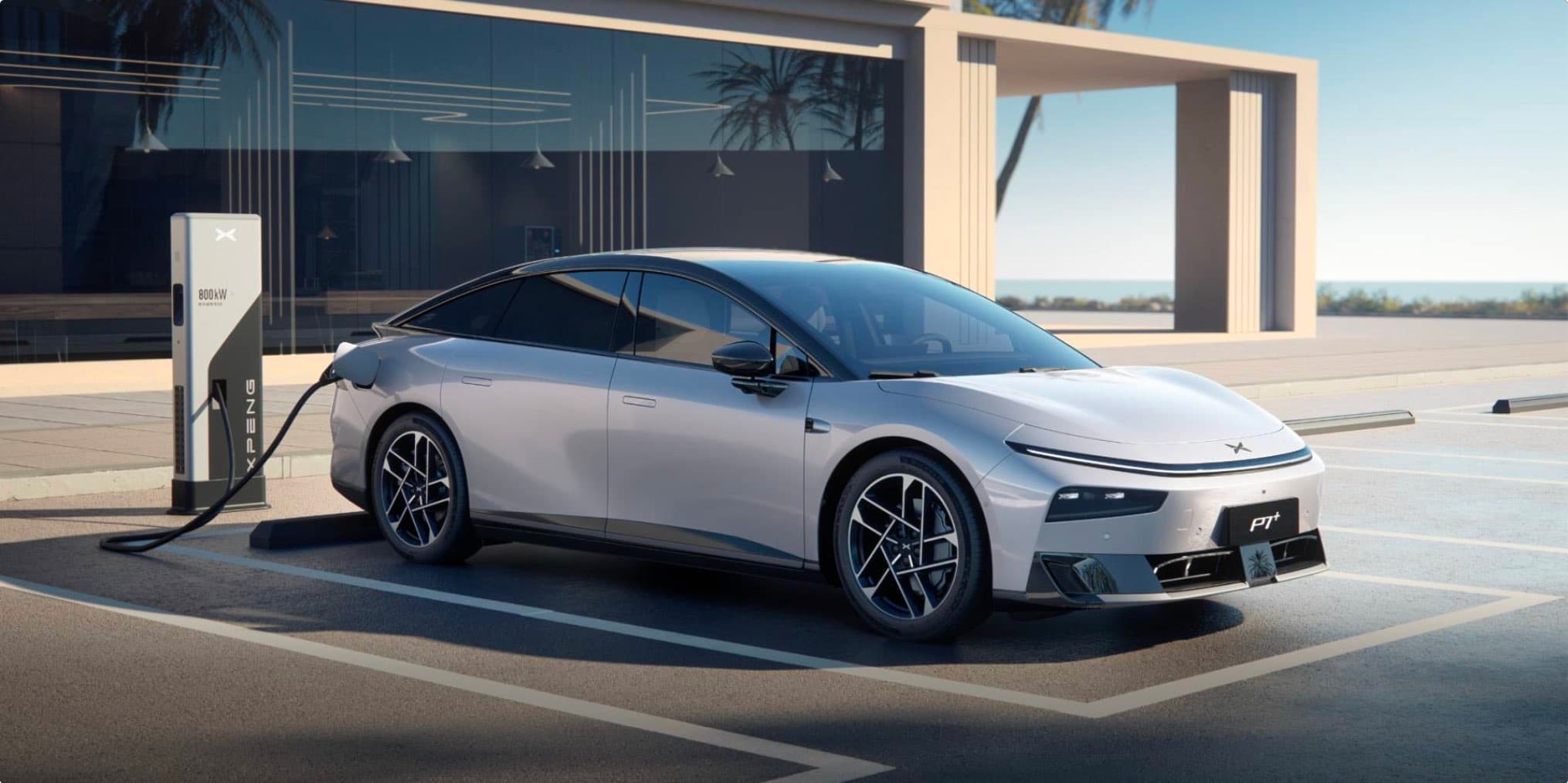
A clear growth trend is coming from China: Xpeng and BYD together achieved a market share of 11.4%, up from 4.9% in the same month last year. Other brands, including BMW, Volvo and Audi, also increased their registrations year over year.
It is no coincidence that this is so clearly visible in Norway: The market is extremely price-sensitive while also having a high level of EV acceptance. New entrants offering strong equipment, charging performance and driver-assistance systems quickly gain traction there, before the effect becomes fully visible in Central Europe.
Tesla Weaker in August but Still Ahead for the Year
Tesla’s performance in August stands out: The brand recorded 2,387 fewer registrations than in the same month last year. According to the local analysis, Norway’s passenger-car market would actually have grown significantly if this decline were excluded. At the same time, a single month is traditionally less indicative for Tesla than for many other manufacturers because deliveries are often more heavily concentrated, while model changes or logistics priorities can noticeably shift monthly figures.
Important context: Tesla remains the most-registered brand in Norway for the year to date. However, its lead is shrinking because Toyota has posted strong gains since the beginning of the year, while Tesla is down compared with last year. This is less evidence that Tesla’s products have suddenly become “unattractive” and more an indication of how intense competition has become in a market that is now almost entirely electric.
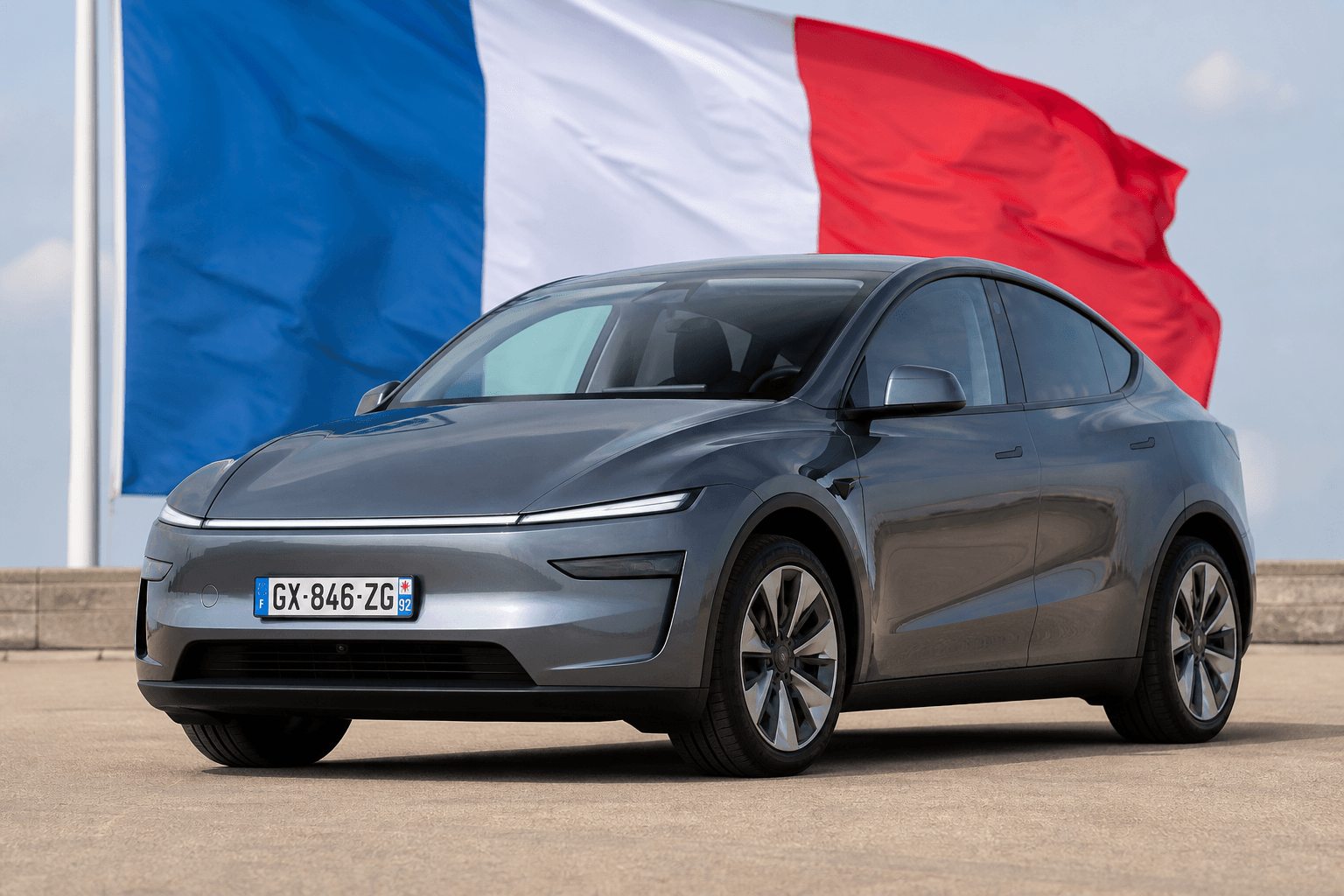
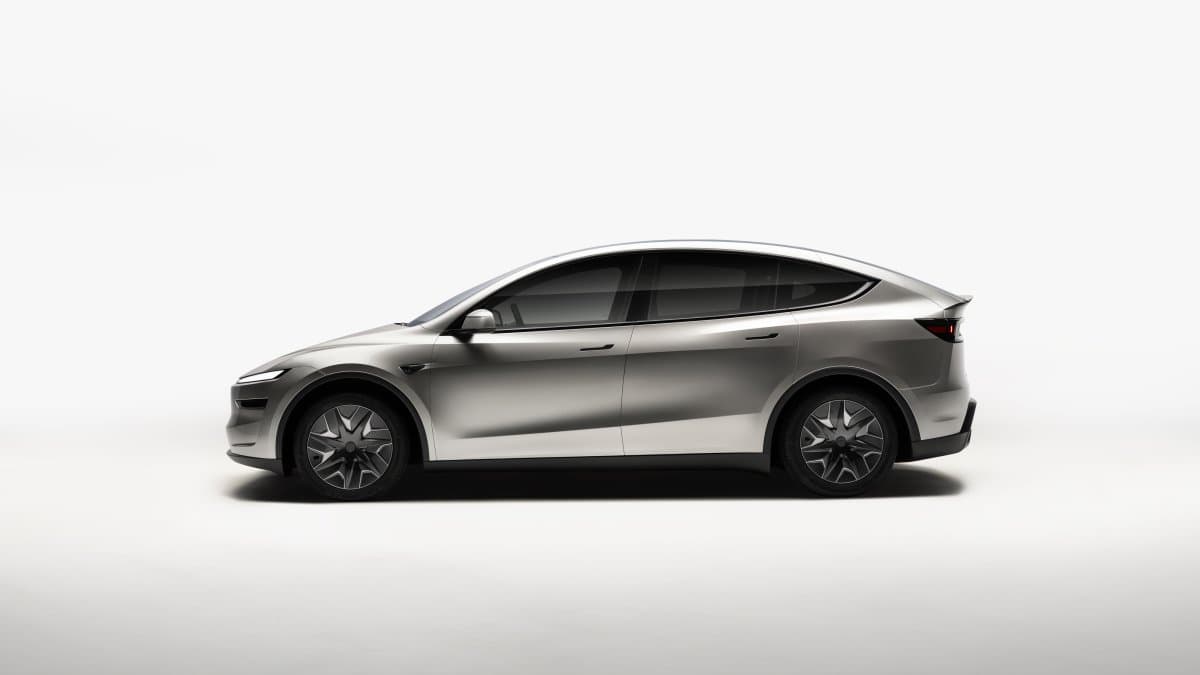
Readers looking to assess Tesla models in the DACH context can find the technical specifications for the Tesla Model Y and the Tesla Model 3 here. These are Tesla’s two high-volume models and typically also dominate the brand’s registration figures in our markets.
Vans: Electrification Rises, but Diesel Sees a Short-Term Boost
Passenger cars are not the only vehicles becoming electric: In August, 3,139 new light commercial vans were registered, an increase of 10.6% compared with last year. Electric vans accounted for 44.9% of registrations, rising to 53.1% for the year to date. The segment therefore remains well behind passenger cars but continues to grow steadily.
One short-term countertrend is noteworthy: The diesel share rose sharply in the second half of August. This was attributed to an increase, effective September 1, in the CO2 component of the registration tax for combustion-engine vans, which apparently prompted some registrations to be brought forward. This demonstrates how strongly tax policies can influence the timing of Norway’s market.
What Is Now Slowing Norway Down: Not the New-Car Market, but the Existing Fleet
With an EV share of 98.7%, Norway is closer than ever to its goal of an emissions-free new passenger-car market by 2025. But the next major lever lies elsewhere: no longer in new-vehicle sales, but in reducing the existing combustion-engine fleet. Additional CO2 savings are increasingly achieved only when older gasoline and diesel vehicles disappear from the vehicle fleet.
This provides a valuable outlook for Germany, Austria and Switzerland: Once most new cars are electric, the climate impact shifts significantly toward the used-car market, vehicle ownership periods and the pace of replacement. Norway is now showing in fast-forward what the next phase will look like.