Geely is betting on 1,000 volts—and the infrastructure is already in place
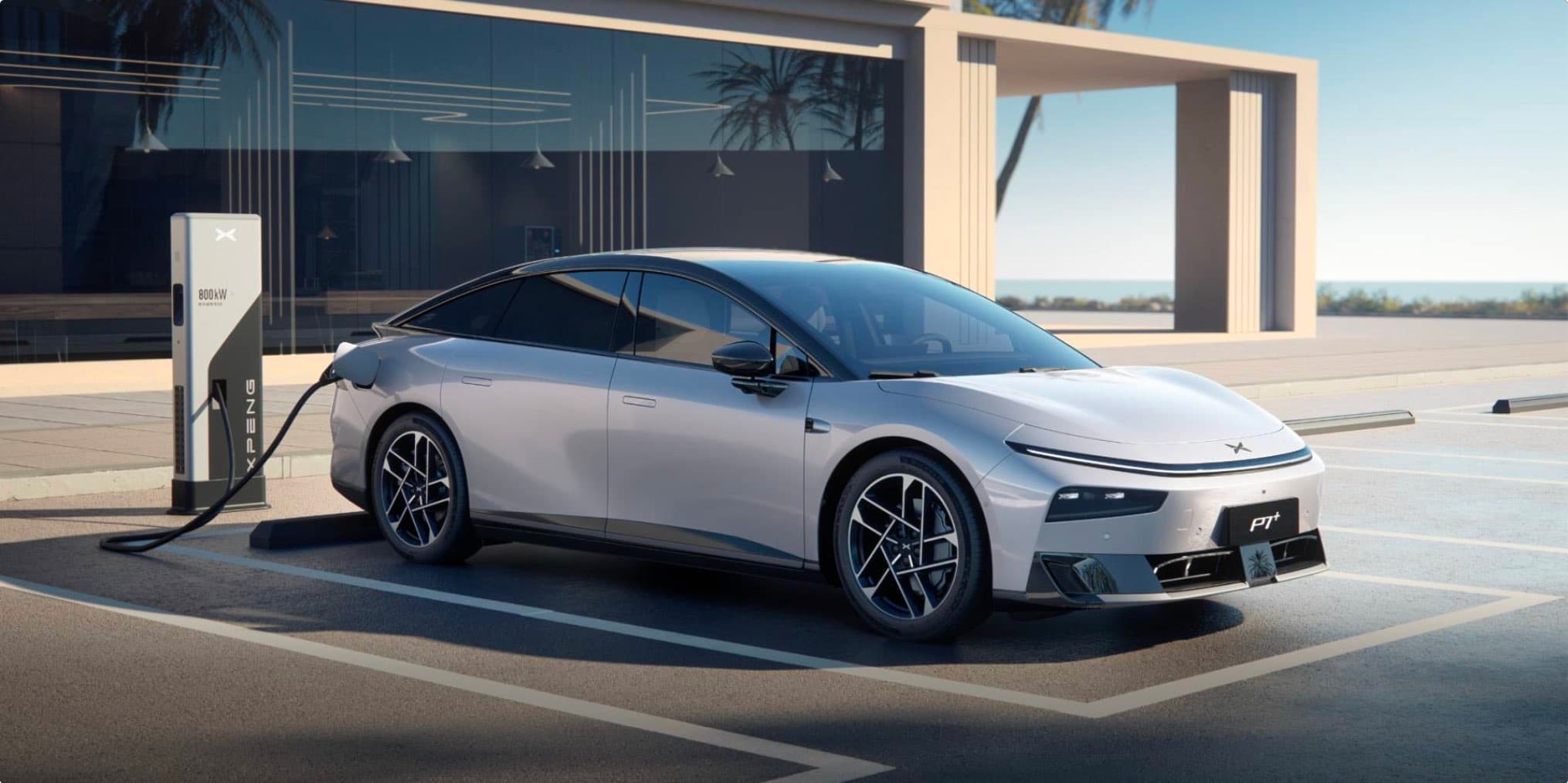
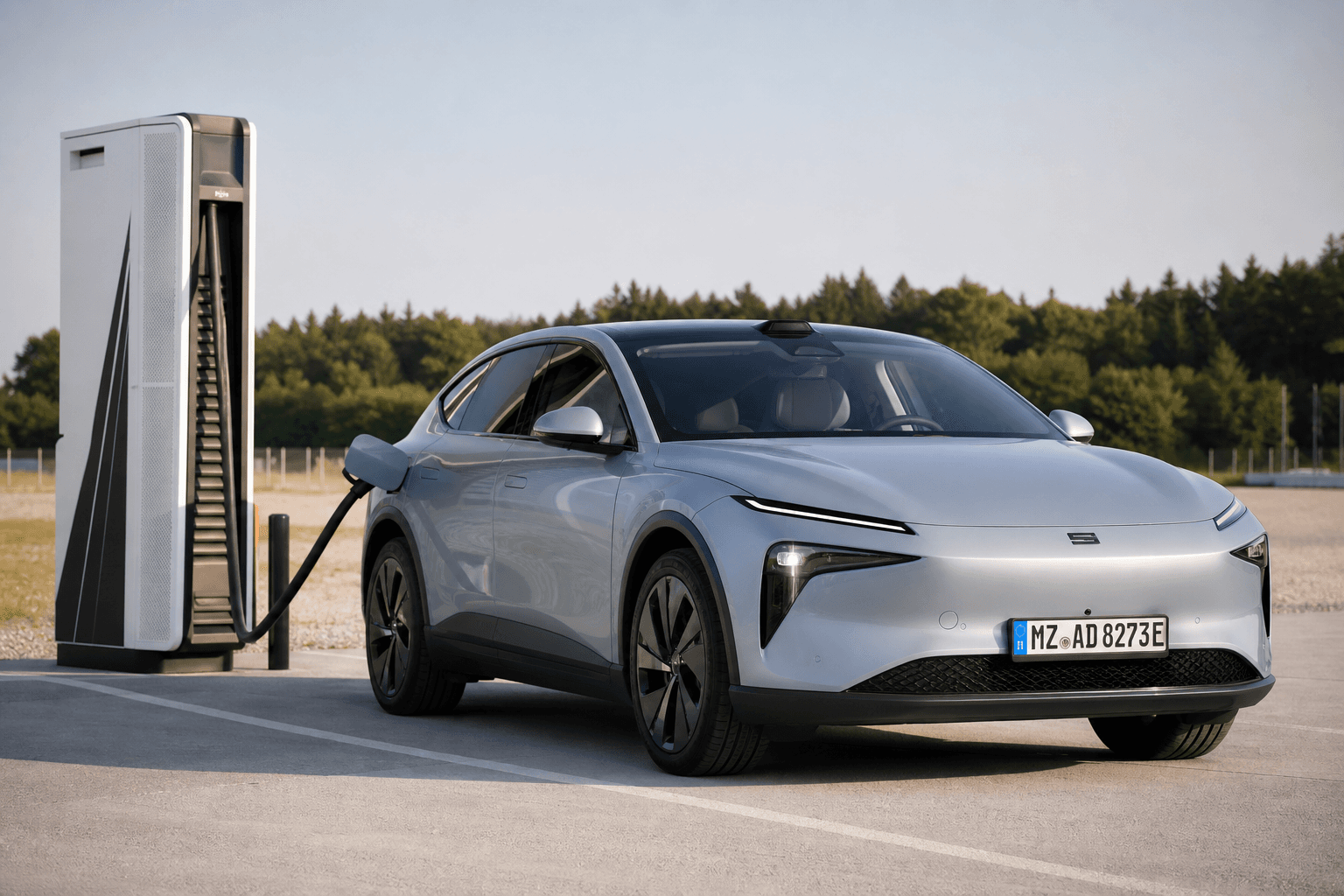
Geely wants to take the next steps in fast charging and is developing a 1,000-volt architecture for electric cars. The goal is clear: shorter charging times, particularly on long-distance journeys. What makes this especially interesting is that Geely has already made significant progress on charging infrastructure, deploying extremely powerful fast chargers.
According to the group, more than 2,100 charging points have been installed, each capable of delivering up to 1,500 kW of peak power. Current vehicles cannot yet make use of this output, but the direction is clear: vehicle technology and available charging power are intended to become a better match in the future.
What does 1,000 volts mean in everyday use—and what does it not mean?
Many current EVs use 400-volt systems, while a growing number of new platforms are moving to 800 volts because this enables high charging power to be delivered more efficiently and at lower current. A 1,000-volt system is the next logical step, but it does not automatically guarantee megawatt charging.
Voltage is not the only deciding factor. What matters is the complete package of battery design, cell chemistry, thermal management, cable cross-sections, charging hardware and, above all, the charging curve. A brief peak may look good on a specification sheet, but it offers limited benefits on a journey if the power drops quickly.
For short stops, the peak figure ultimately matters less than how long a high charging rate can actually be maintained.
An example from the group: Lynk & Co 10 with extremely short charging times
A recent example from within the group provides an indication of what may be possible: the Lynk & Co 10 electric sedan is said to have charged from 10 to 80% in 5:32 minutes during a test. A time of 8:42 minutes was reported for charging from 10 to 97%. Figures like these remain exceptional and depend heavily on battery temperature, the charging point, software and the charging curve.
The term “900 volts” has sometimes been used in connection with this model. However, the available battery specifications state a nominal voltage of 772.8 volts, making it essentially an 800-volt system. This also shows how flexibly marketing terminology surrounding high-voltage systems is sometimes used.
Why a 1,100 kW peak does not automatically mean “five minutes every time”
For the Lynk & Co 10, a brief peak output of up to 1,100 kW was reported at a Zeekr fast charger. On other charging infrastructure, the maximum was considerably lower, at around 430 kW. Importantly, these figures are peak values, not the power maintained throughout the entire charging session.
Geely’s approach is part of a Chinese technology race, not a solo effort
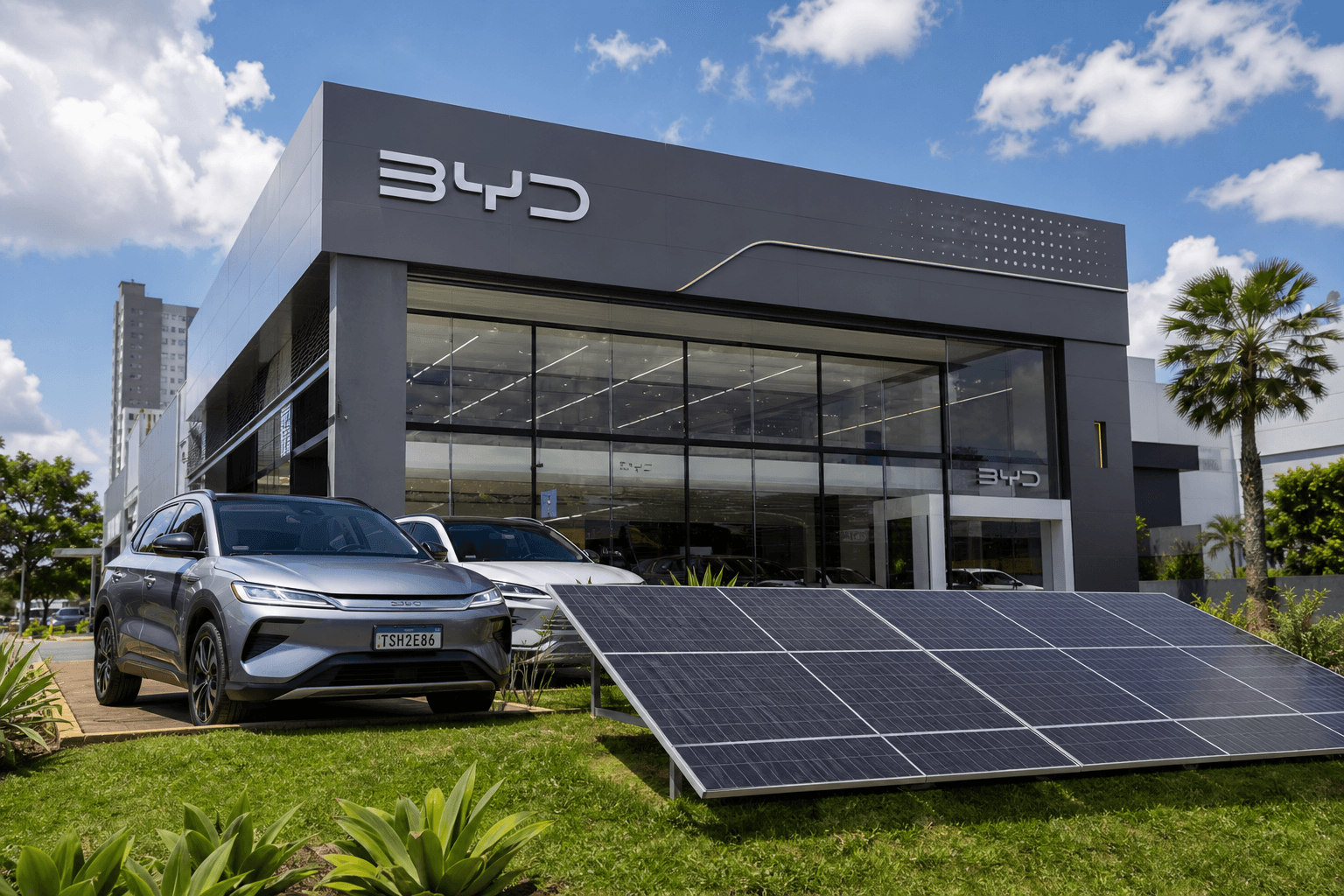
In China, megawatt charging has long been the subject of intense technological competition. Geely is now pursuing this path aggressively, but it is not alone. One prominent comparison is BYD, which is already putting production vehicles with 1,000-volt technology on the road.
The battery industry is also following suit: CATL is working on new generations of cells designed to charge at peak rates in the megawatt range. This is particularly relevant to Europe because the technology is likely to arrive here in the medium term, although its rollout will depend on grid connections, charging-hub expansion and standardization.
Context: BYD and megawatt charging
BYD is already putting its 1,000-volt platform into production and combining it with its own high-power charging solutions. If this topic interests you, it is also worth looking at the context surrounding the BYD Seal 06 with nine-minute charging, as well as what BYD is promising in terms of range and charging speed: the BYD Da Han with nine-minute charging.
What Geely has yet to reveal about its 1,000-volt architecture
Geely has not yet provided reliable production specifications for the new architecture. Questions therefore remain about the planned battery capacities and cell chemistries, what charging windows measured in minutes will be realistic, and whether future models will actually reach charging rates of around 1.5 MW.
This is precisely where a measured assessment is worthwhile: 1,000 volts can provide the foundation, but without an appropriately designed battery and cooling system, the result will be impressive peaks rather than consistently short charging stops.
Related development: solid-state batteries to enter testing in 2027
Geely is also working on alternative battery technologies. The first vehicles with solid-state batteries are expected to undergo testing from 2027. The company is targeting very high energy densities of up to 500 Wh/kg and ranges of more than 1,000 km, although experience suggests that the transition to broad mass production may take considerably longer.
Why this also matters to drivers in the DACH region
In the DACH region—Germany, Austria and Switzerland—many drivers charge mainly at home or at work. Even so, very short DC charging times offer a genuine improvement in convenience by making long-distance and spontaneous trips more relaxed, particularly for frequent travelers. Whether Europe will be able to make full use of 1,000-volt systems in the near term will depend heavily on how quickly suitable high-power charging sites and grid connections are developed.
Anyone who wants a clearer understanding of the differences between 400-volt and 800-volt systems today can find a useful overview in our comparison, 800V vs. 400V: Which EV architecture will you need in 2026?.