Nissan Pixo Returns as an Electric Car
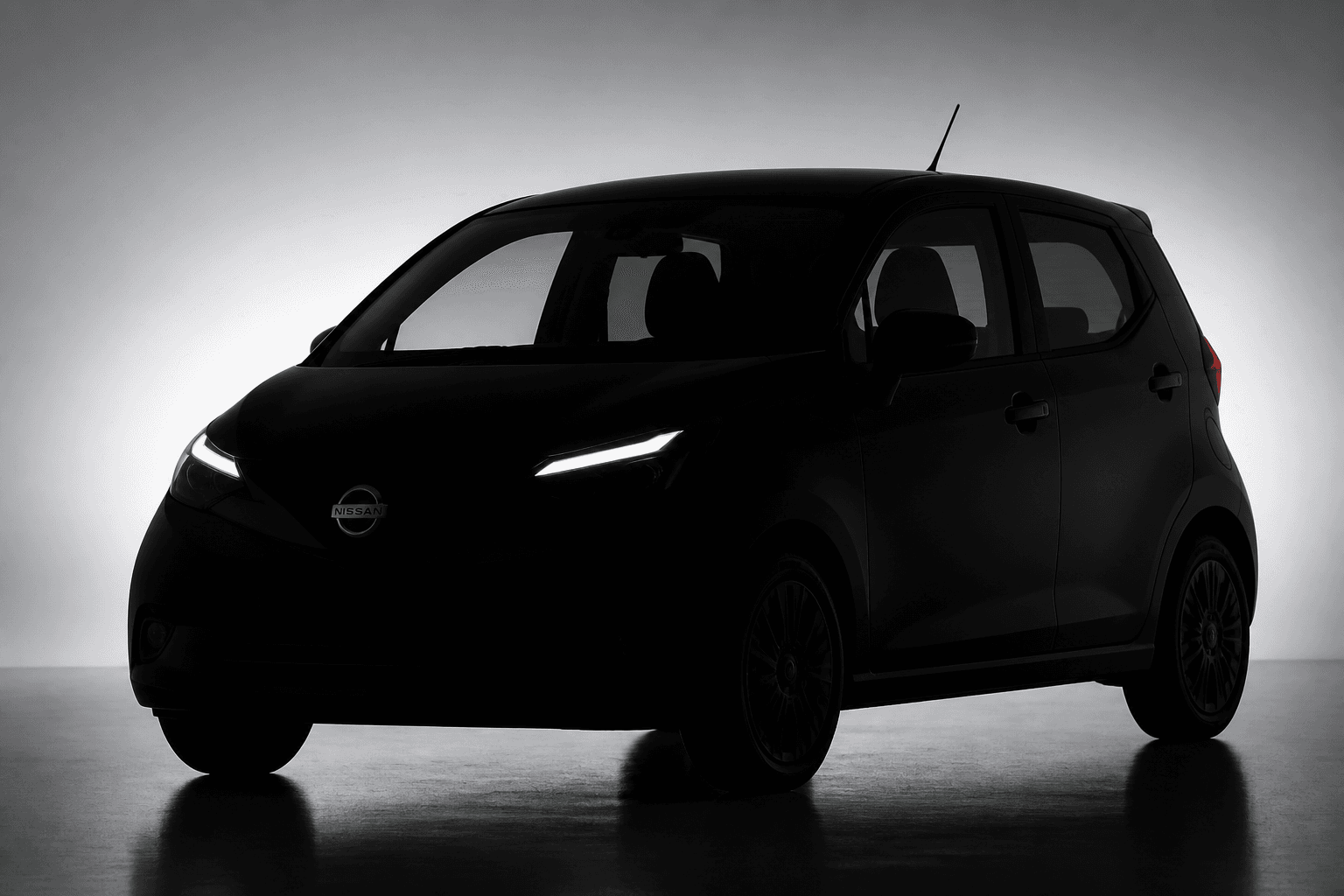
Nissan is bringing back the Pixo name. The new electric city car is set to be fully unveiled on September 23, 2026 and is intended to stand out primarily through its compact dimensions and modern connectivity.
The original Pixo was sold in Germany from 2009 to 2013 and was closely related to the Suzuki Alto of the time. Nissan is also expected to use shared technology for the new model, this time within its alliance with Renault.
Renault Twingo Likely to Provide the Technical Basis
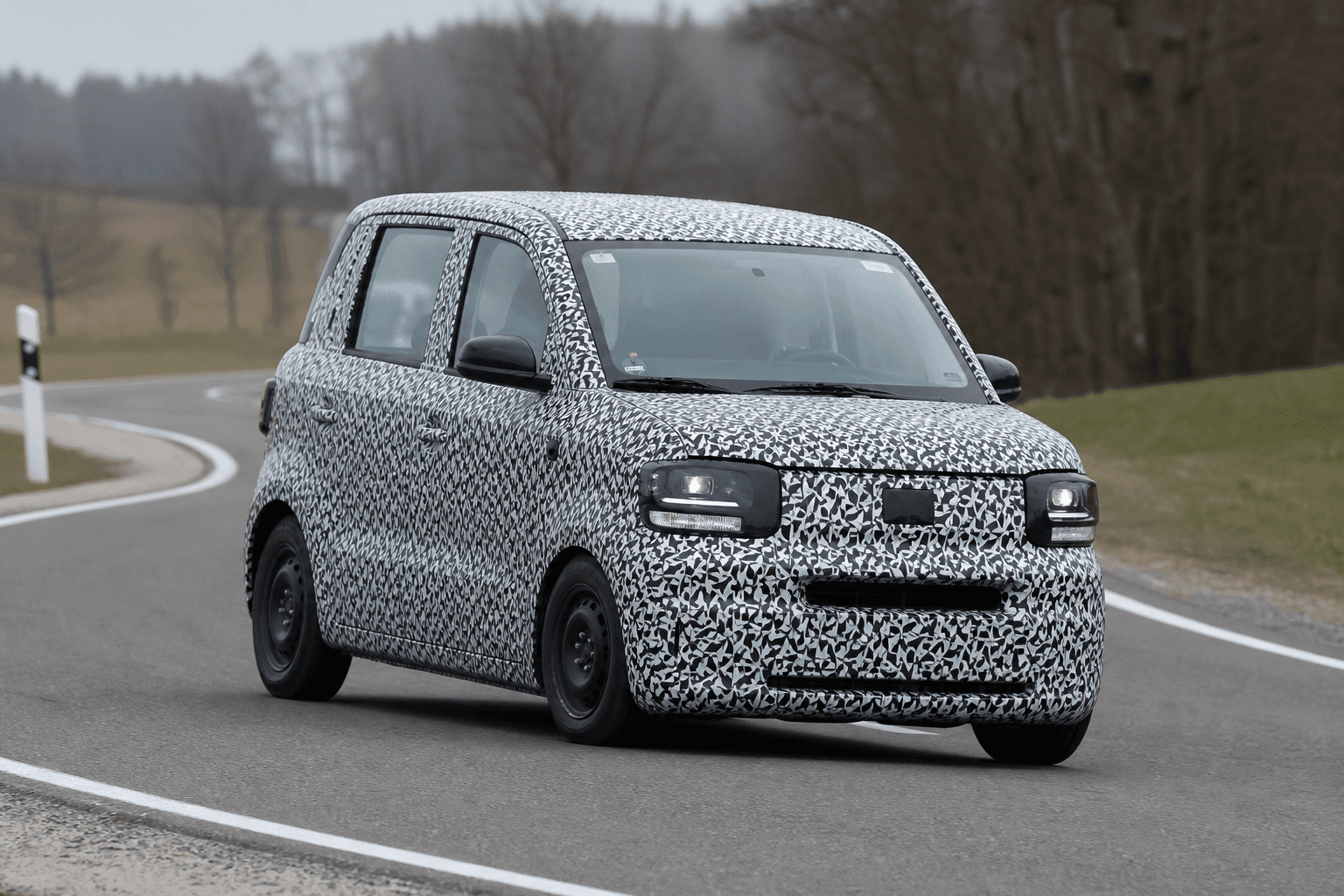
Nissan had already announced plans to develop an electric city car based on the Renault Twingo E-Tech Electric. There are now strong indications that this vehicle will come to market as the Nissan Pixo.
This would see Nissan continue a proven group strategy. The new Micra already uses technology from the Renault 5, while featuring a distinctive design and brand-specific tuning.
For the Pixo, Nissan is likely to use existing Renault technology while combining it with its own styling, software interface and equipment.
Expected Technical Specifications
Official performance figures for the new Pixo are not yet available. If Nissan largely adopts the electric Twingo’s powertrain, the following package can be expected:
| Feature | Expected specification |
|---|---|
| Motor output | 60 kW |
| Motor type | Permanent-magnet synchronous motor |
| Usable battery capacity | 27.5 kWh |
| WLTP range | around 260 km |
| Vehicle length | expected to be around 3.8 meters |
| World premiere | September 23, 2026 |
A battery of this size is clearly designed for urban driving and short commutes. This keeps weight, energy consumption and costs low. However, the Pixo would be less suitable for regular highway journeys, particularly in winter or at high speeds.
With a WLTP range of around 260 km, the Nissan could nevertheless go several days in everyday use without stopping to charge. The still-unknown DC charging power and standard charging equipment will be crucial.
Pixo, Twingo and Spring Share the Market
Alongside the Renault Twingo, the next generation of the Dacia Spring also uses technology from the same small-car family. While Dacia is particularly focused on a low starting price, Nissan could position the Pixo slightly higher and place greater emphasis on infotainment, connectivity and comfort.
The Renault Twingo starts at €19,990 in Germany, while the Dacia Spring is expected to cost less than €18,000. No official price has yet been announced for the Pixo. A starting price of around €20,000 appears plausible, but remains speculation until the unveiling.
What Will Matter to Buyers in the DACH Region
It remains unclear whether the electric Nissan Pixo will launch simultaneously in the DACH region—Germany, Austria and Switzerland. Warranty terms, trim levels and local prices are also not yet known.
One particularly interesting question will be how clearly Nissan distinguishes the car visually from the Twingo. The platform and powertrain may be identical, but the front-end design, cockpit software and equipment will determine whether the Pixo is perceived as a model in its own right.
An affordable electric city car would be a useful addition to Nissan’s line-up. Although the selection of compact electric cars is growing again, options around the €20,000 mark remain limited. That is precisely where the new Pixo could find its opportunity.