BMW Converts Regensburg for the “Neue Klasse”
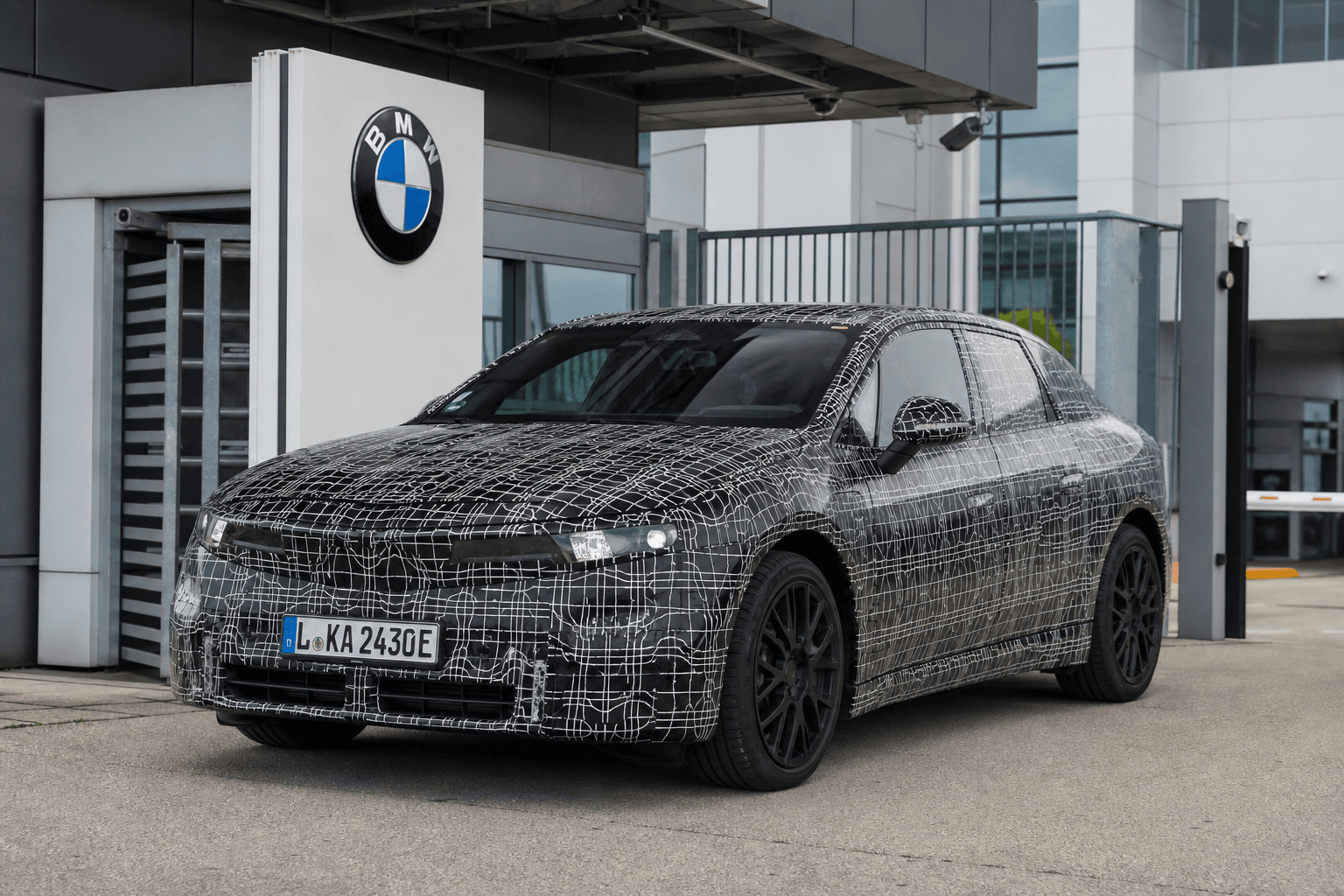
BMW is continuing to ramp up the “Neue Klasse” and is also converting its Regensburg plant for this purpose. The move is more than an internal modernization project: It shows that BMW is not merely announcing its next generation of electric cars but is expanding the industrial base needed to build them.
Regensburg is particularly relevant to the DACH region—Germany, Austria and Switzerland—as a German production site. When a plant in Germany is prepared for a new architecture, this generally points to a planned production ramp-up with corresponding volumes rather than just small production runs.
What the “Neue Klasse” Is Intended to Mean in Everyday Use
At BMW, the “Neue Klasse” primarily represents a new generation of platforms intended to deliver noticeable improvements in efficiency, range and charging performance. In practice, its benefits will come down to two factors: How quickly energy can be replenished in the battery and how consistent performance remains across different temperatures and driving profiles.
One key element that is repeatedly highlighted is the 800-volt architecture. At compatible high-power charging (HPC) stations, it can enable higher charging rates and help reduce charging times because less current is required to deliver the same power → less heat and potentially fewer limitations.
Why Plant Conversions Are So Crucial for Electric Cars
In manufacturing, switching to a new electric-car platform involves far more than “new parts, same production line.” High-voltage components, battery assembly, quality assurance, final software testing and safety-related procedures all affect production cycles and inspection processes.
From a customer perspective, BMW’s early investment is a good sign: Conversions of this kind normally happen only once the model program and timetable have been sufficiently finalized. At the same time, until BMW publishes detailed plans, it remains unclear which specific variants will be built in Regensburg and when production will begin.
Context: BMW, Tesla and the Race for Faster Charging
The industry is clearly moving toward faster charging and more efficient platforms. With its Supercharger network and tight integration of software, drivetrain and thermal management, Tesla has held an advantage in the “overall package” for years, while many manufacturers are seeking to catch up by switching their platforms to 800 volts.
For buyers, this means that greater competition is likely to improve charging performance across entire model ranges, rather than only in individual top-tier variants.
What You Can Compare Already
If the main aspect of this news that interests you is “800 volts,” it is worth reading our comparison 800V vs. 400V: Which Electric-Car Architecture Will You Need in 2026?. And if you want to know which BMW models are considered the next major steps, these two articles are useful starting points: BMW iX1 Neue Klasse with 800 Volts and BMW’s Electric-Motor Production Ramp-Up in Steyr.
Converting a major plant sends a clear signal: The “Neue Klasse” is intended for series production, not just the show stage.
In Brief
By converting its Regensburg plant, BMW is taking the next practical step toward the “Neue Klasse.” For prospective buyers in Germany, Austria and Switzerland, the key message is that the new platform is intended for widespread production, including faster charging and more advanced electric-drivetrain technology.