VW prepares a new future for Osnabrück
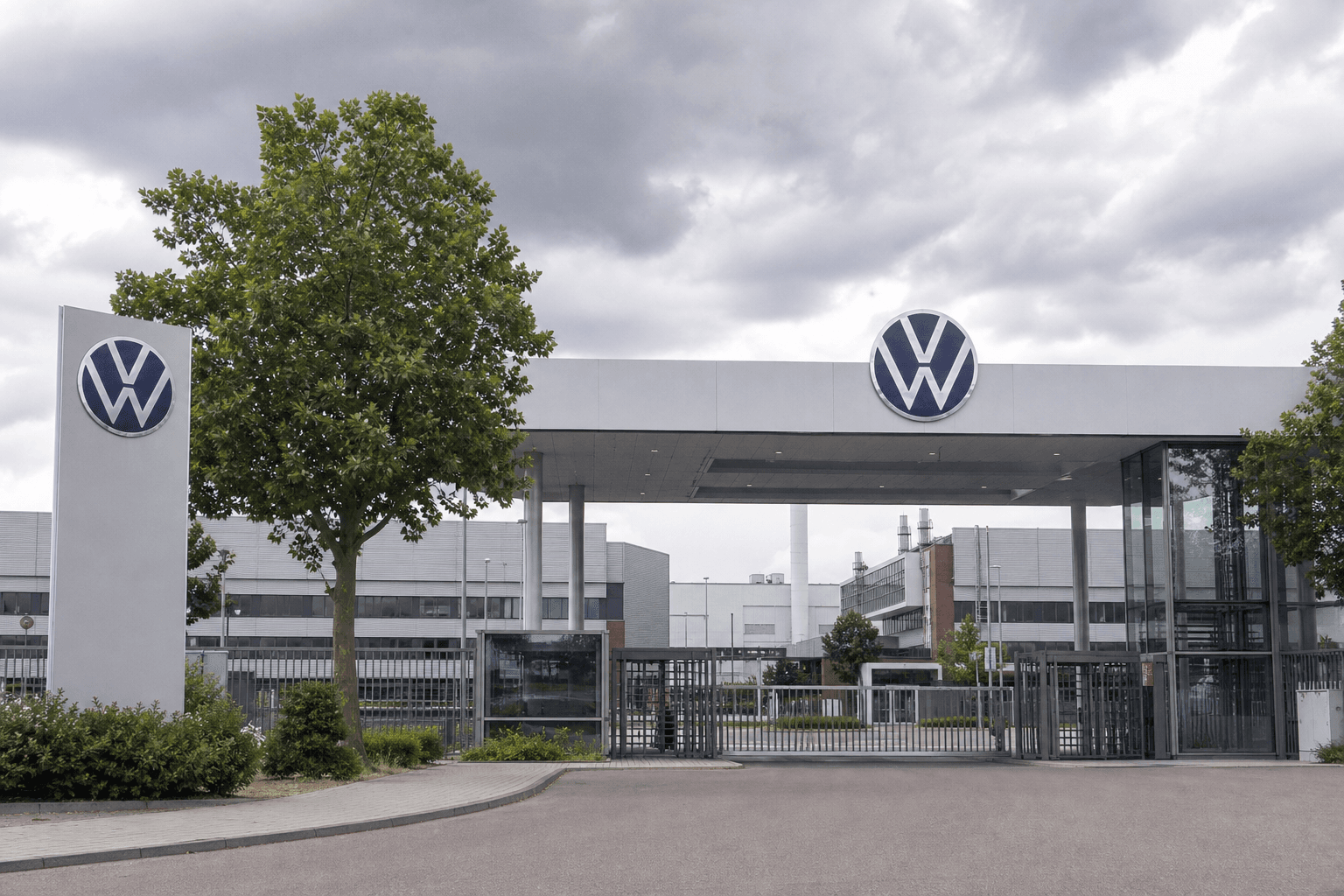
Volkswagen’s plant in Osnabrück is set for a fundamental transformation. Volkswagen has agreed on key points with investor Aurelius Capital and the state of Lower Saxony regarding a potential sale of Volkswagen Osnabrück GmbH.
The plan is for a new ownership structure in which Aurelius holds a majority stake and Lower Saxony becomes a co-owner. However, a final purchase agreement has not yet been signed. Corporate bodies, authorities and other contracting parties must also approve the project.
From 2027, a site with a long tradition of producing limited-run and special-purpose vehicles could become a production center for security and defense technology.
Clear prospects for more than 1,200 jobs
Volkswagen currently employs around 1,800 people in Osnabrück. According to the works council, the employee representative body at the plant, more than 1,200 employees already have clear career prospects at the site. In the long term, around 1,400 jobs could be transferred to the new company.
This would safeguard a large portion of the workforce, but not all employees. The trade union and works council are therefore continuing to demand reliable solutions for those who will not be retained.
| Metric | Current status |
|---|---|
| Plant employees | around 1,800 |
| Already have clear prospects | more than 1,200 |
| Potential future transfer | around 1,400 |
| End of car production | Summer 2027 |
| Planned owners | Aurelius Capital and Lower Saxony |
Air defense set to become the first anchor project
The first industrial project is expected to be a partnership with Israeli defense company Rafael Advanced Defense Systems. Systems and components for air defense in Germany and Europe are to be manufactured in Osnabrück.
Rafael would contribute technological expertise, while the Osnabrück workforce would be responsible for setting up production and scaling it to an industrial level. The manufacturer develops the Iron Dome missile defense system, among other products. However, it has not yet been confirmed which specific product might be manufactured in Osnabrück.
The existing factory buildings, established production processes and experience with complex limited-run manufacturing are fundamentally valuable for such a transition. Although automotive manufacturing and defense technology have different requirements, both depend on precise assembly, strict quality controls and resilient supply chains.
Why Lower Saxony is part of the solution
According to reports, a direct joint venture between Volkswagen and Rafael was originally under discussion. This model is said to have failed because of opposition from major shareholder Qatar, which holds around 17% of Volkswagen’s voting rights. There has been no official confirmation of these internal developments.
A different structure is now emerging, with Aurelius as the majority owner and Lower Saxony as an additional shareholder. The state’s involvement is intended to be a solution specifically tailored to Osnabrück, rather than a general model for other Volkswagen sites at risk.
Car production to end in summer 2027
Volkswagen decided in 2024 that vehicle production in Osnabrück would be phased out in summer 2027. The group intends to support the transition with its expertise in development, manufacturing and industrialization.
The site has around 125 years of industrial history and is known primarily for limited-run and special-purpose vehicles. This flexibility is now intended to enable the transition: car production ends → specialized manufacturing remains at the site.
The Osnabrück plans are also part of a broader debate about plants and employment within the group. At other locations, too, the VW future plan is prompting debate about jobs and plants.
An industrial policy opportunity with unanswered questions
Arguments in favor
- A large proportion of jobs in Osnabrück could be preserved.
- Existing factory buildings and industrial expertise would continue to be used.
- The site would gain a field of production expected to remain in demand over the long term.
Still unresolved
- The final purchase agreement and regulatory approvals are still pending.
- There is still no guaranteed solution for several hundred employees.
- No specific products, investment amounts or production targets have been announced.
For Volkswagen, the agreement is primarily a way to avoid closing the site without a replacement. Whether it actually becomes a viable industrial center over the long term will now depend on the final contracts, planned investments and firm orders.