VW ID. Polo Appears to Have Hit the Sweet Spot
Volkswagen’s new small electric cars are off to a strong start in the market. According to the manufacturer, the VW ID. Polo has already received more than 30,000 orders across Europe, even though the model has only been available to order since late April 2026.
The downside of this successful launch is growing delivery times. Dealers are quoting at least ten months for custom-configured vehicles. Volkswagen confirms longer wait times but has not committed to a universal delivery timeframe.
The strong demand shows just how large the market for affordable electric cars below the traditional compact-car segment has become.
ID. Polo, Epiq and Raval Compared
All three models belong to the Volkswagen Group’s Electric Urban Car Family. They are based on the updated, front-wheel-drive MEB+ platform and are produced in Spain, but differ significantly in positioning, power and body style.
| Model | Orders | Price in Germany | Battery and range | Maximum power |
|---|---|---|---|---|
| VW ID. Polo | More than 30,000 | From €24,995 | 37 or 52 kWh, up to 454 km WLTP | 155 kW |
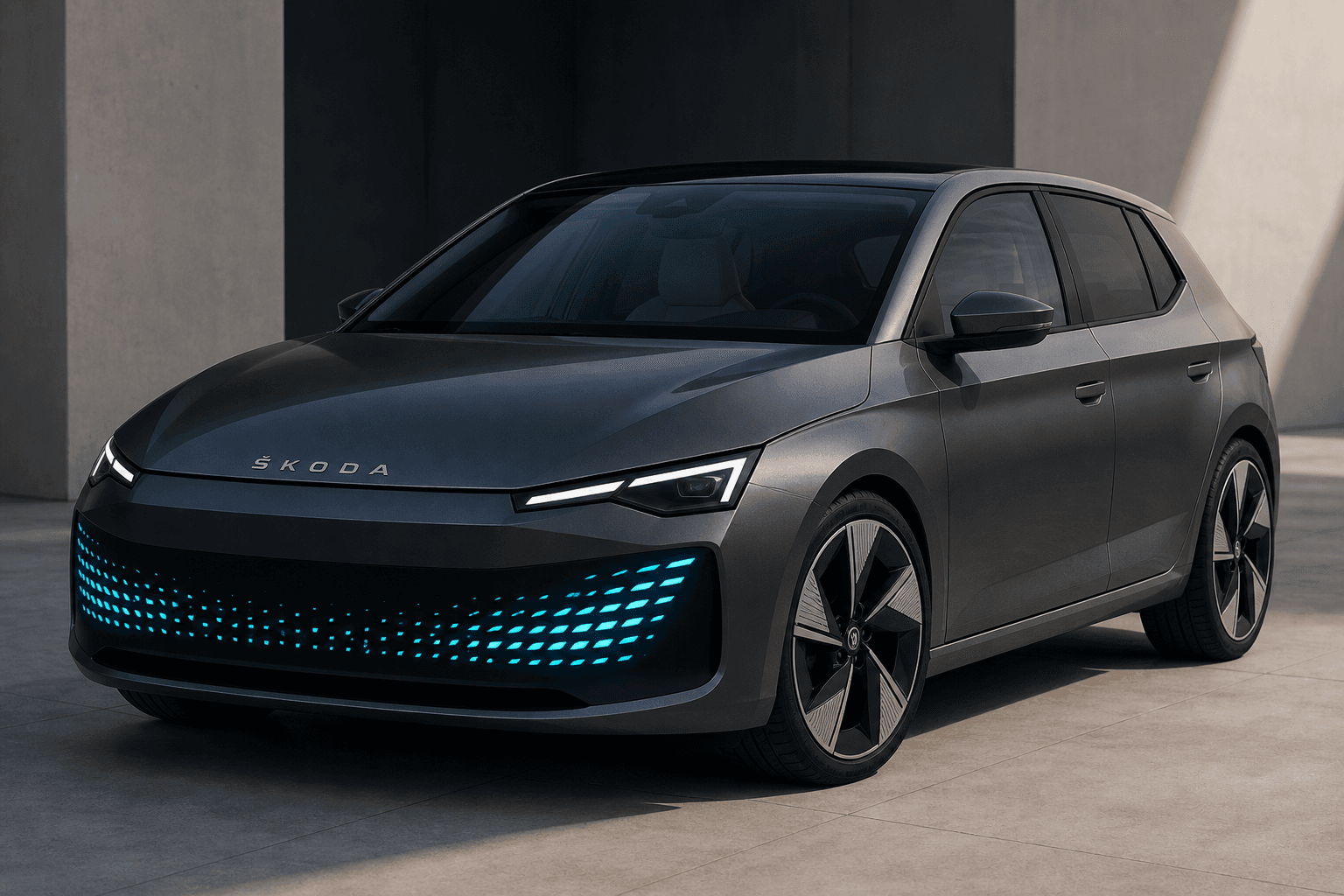
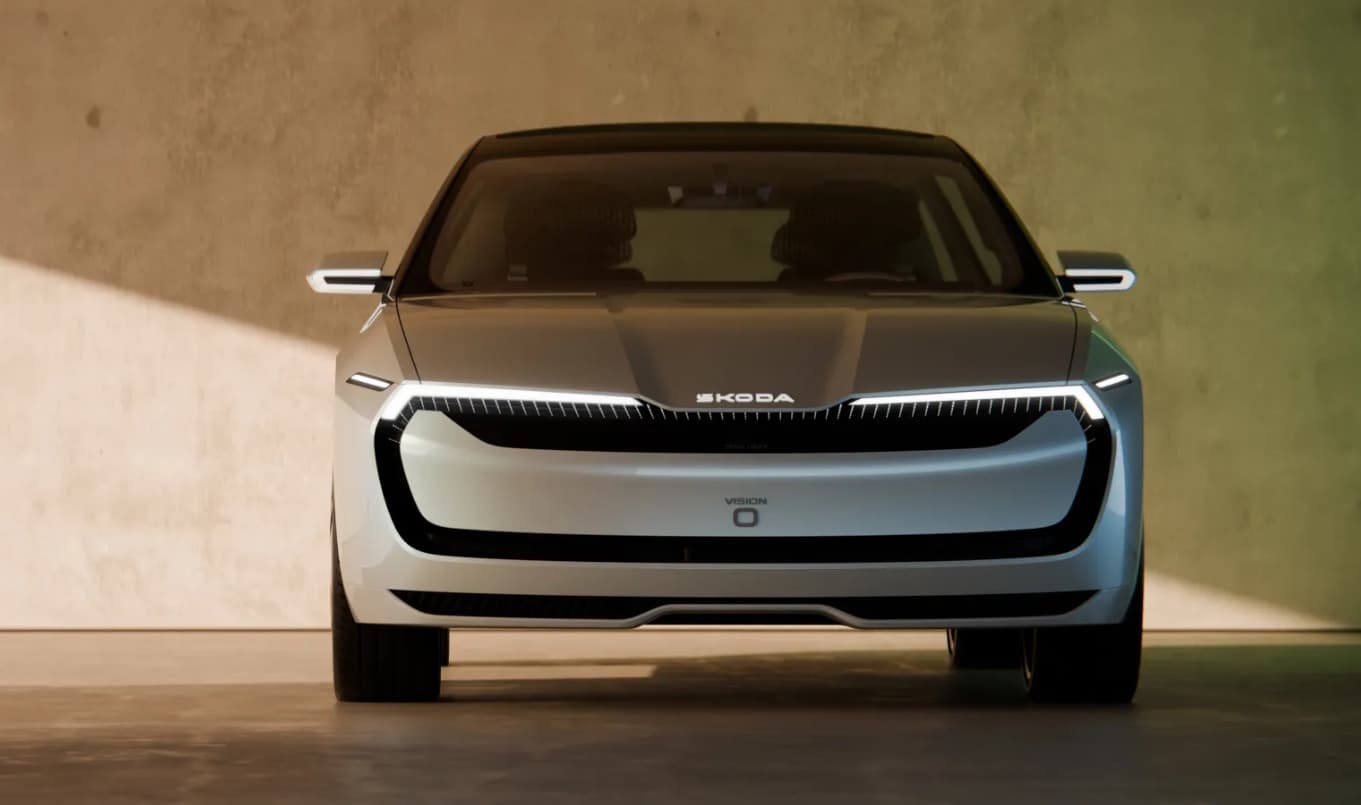
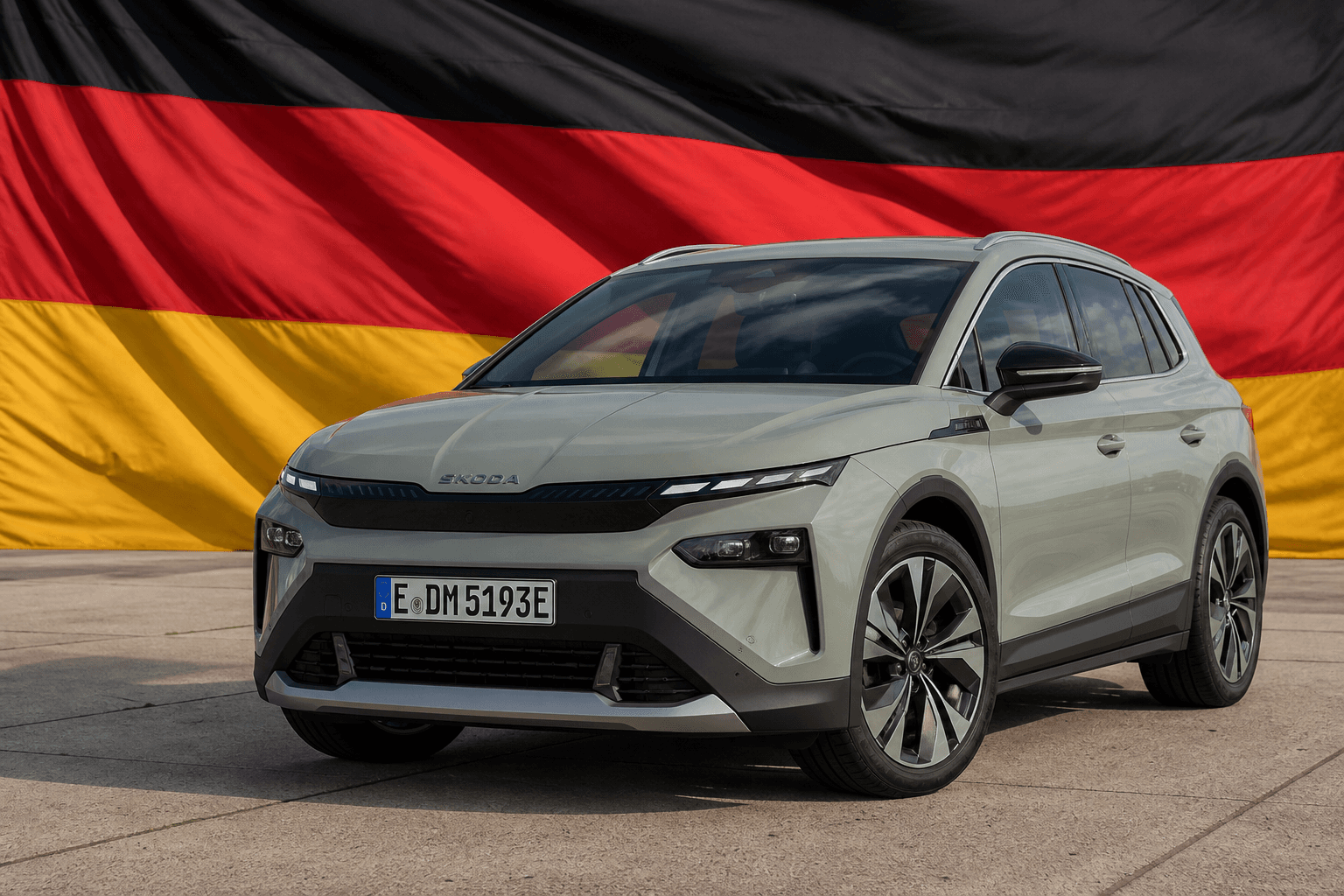
| Škoda Epiq | More than 35,000 | Currently from €32,100; Epiq 35 planned at €25,900 | Up to around 440 km WLTP | 155 kW |
| Cupra Raval | Not confirmed separately | From €25,950 in the future | Up to 445 km WLTP with 52 kWh | 166 kW |
The prices apply to Germany. Equipment, launch dates and final prices may differ in Austria and Switzerland. The stated ranges are also manufacturer figures and depend on the version, wheels and equipment.
Why Delivery Times Vary So Much
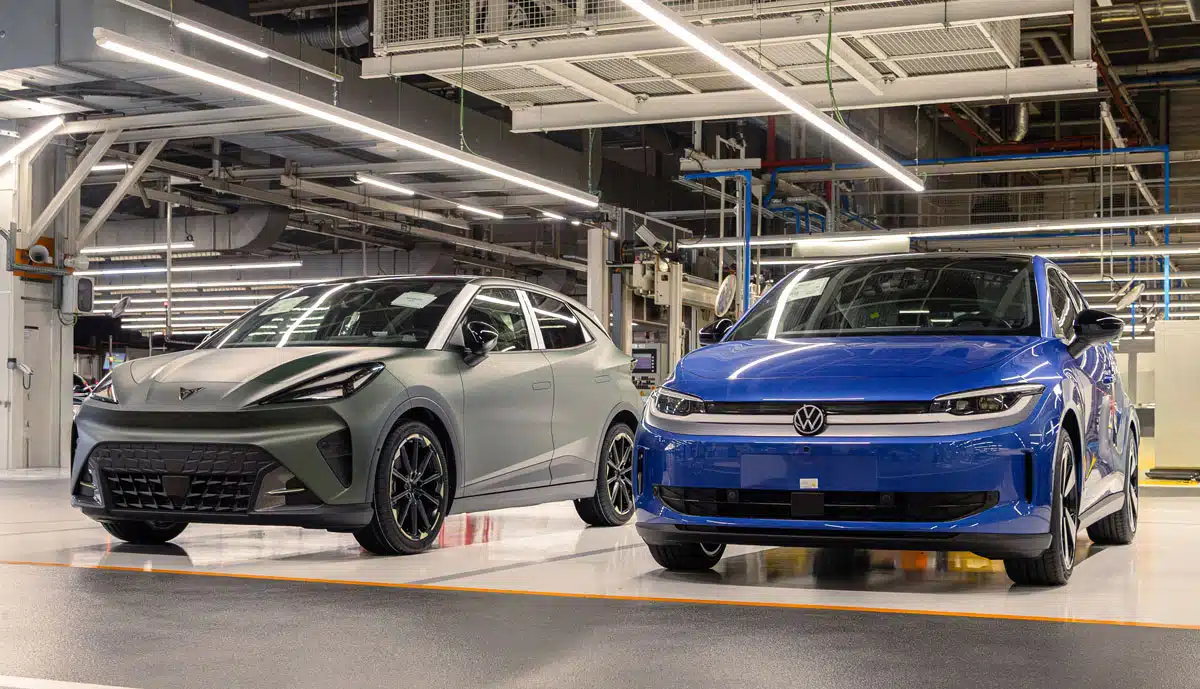
The ID. Polo has been built alongside the Cupra Raval in Martorell, Spain, since early June. Production capacity and supplier volumes are planned far in advance, which means unexpectedly high demand cannot immediately be met by adding shifts or increasing output.
However, this does not mean that every vehicle will take ten months to arrive. Preconfigured dealer vehicles may be available much sooner. Optional equipment, popular battery variants or certain colors can push the delivery date back.
The situation is similar for the Škoda Epiq. Series production began on June 8 at Volkswagen’s Navarra plant near Pamplona. For newly configured vehicles, some deliveries are already being quoted for May or June 2027, although the version and equipment remain decisive factors.
More Than 65,000 Orders for Two Models
Together, the ID. Polo and Epiq have received more than 65,000 confirmed orders. The Cupra Raval comes on top of that, although no separate official figure has yet been published for it. Nevertheless, dealer reports clearly indicate that the sportiest of the three models is also well booked for months.
This confirms the trend already apparent when order books first opened. The group-wide high order volumes for the new entry-level VW models were evidently not just a short-lived launch effect.
With the Raval, Cupra aims to combine sporty positioning with up to 166 kW of power and a maximum range of 445 km. The Cupra Raval’s strong start in terms of orders therefore plays an important role in the brand’s growth plans.
Price Makes the Crucial Difference
With a starting price of €24,995, the ID. Polo enters a segment in which electric cars long offered little choice. The planned Epiq 35 and the Cupra Raval are also targeting a price of around €26,000. This puts the group in competition not only with European small cars but increasingly with aggressively priced manufacturers from China.
With the Epiq, however, it is important to distinguish clearly between the version currently offered from €32,100 and the announced base model. The planned entry-level price of the Škoda Epiq will only truly be achieved with the more affordable version.
From a technical perspective, a WLTP range of up to 454 km is a strong selling point at this price. The ID. Polo’s smaller 37-kWh battery should be sufficient for commuters and urban drivers, while the 52-kWh version offers more reserves for highway driving and longer journeys.
What Prospective Buyers Should Consider Now
- Preconfigured dealer vehicles may be available sooner than a fully customized configuration.
- Battery, power and equipment affect not only the price but also the delivery date.
- Any promised delivery window should be documented as specifically as possible before the contract is signed.
- Buyers who remain flexible about color and optional extras have a better chance of earlier delivery.
For Volkswagen, the demand is initially a strong signal. The key question now is how quickly production in Martorell and Navarra can be ramped up reliably. If successful, the ID. Polo, Epiq and Raval could give the European electric-car market exactly the volume boost that has so far been missing in the sub-€30,000 segment.