Skoda Opens the Door to an Electric Fabia
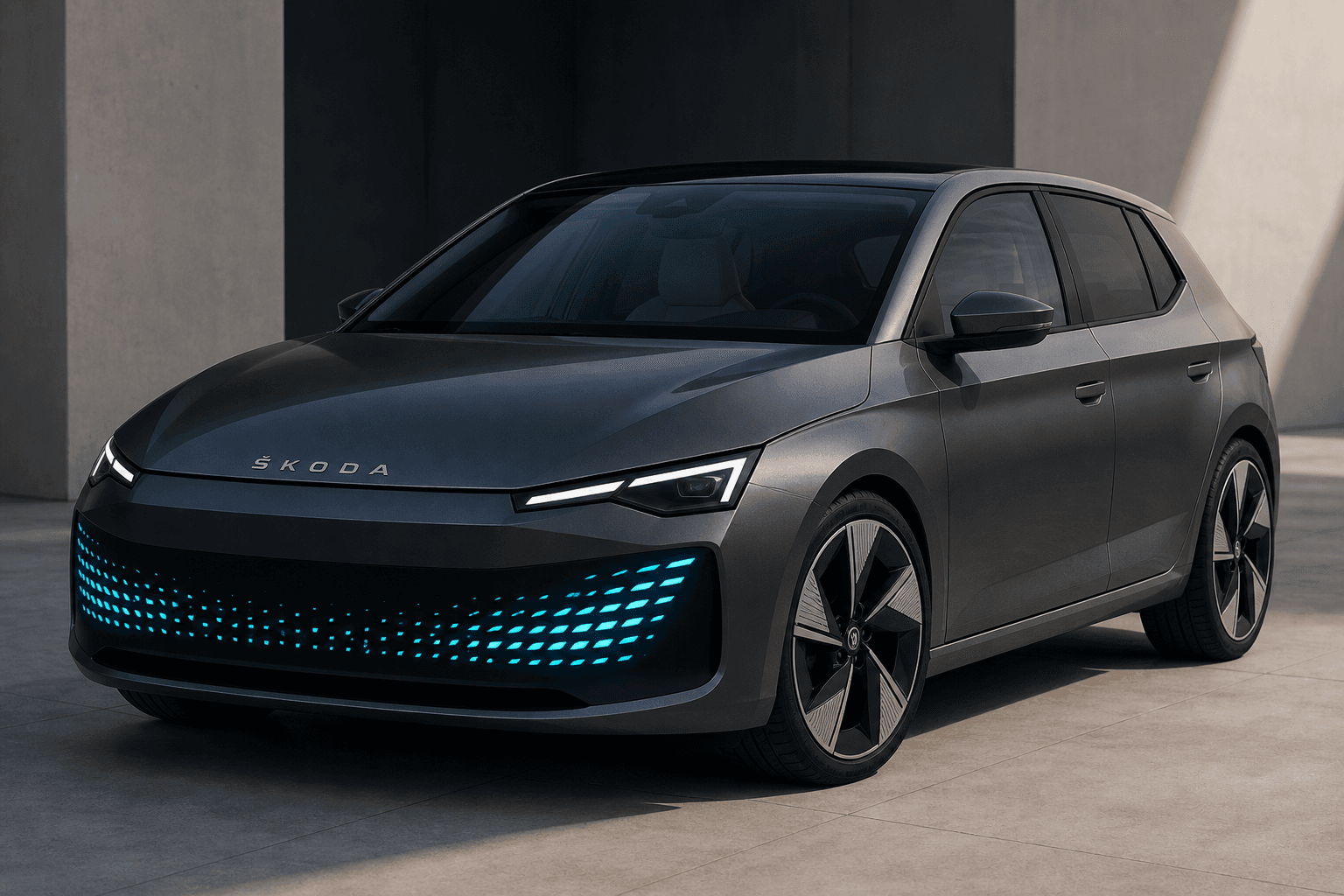
An electric Skoda Fabia had previously been considered unlikely. Now, Skoda CEO Klaus Zellmer has made it clear for the first time that the brand will eventually need a battery-electric replacement for its current small cars.
This does not mean that a specific model has been approved yet. Nevertheless, the statement marks a change in direction, as Skoda had repeatedly ruled out developing its own electric car for the particularly price-sensitive small-car segment.
The electric Fabia has not yet been approved, but it is becoming an increasingly logical option for Skoda once its combustion-engine small cars are discontinued.
Why an Affordable Skoda Has Been Difficult So Far
Price remains the biggest obstacle. Small electric cars also require a traction battery, power electronics and sophisticated safety technology, but these costs have to be absorbed within a comparatively low retail price.
However, Skoda expects larger production volumes and lower development costs to improve the business case in the coming years. This would be particularly relevant in the DACH region—Germany, Austria and Switzerland—where affordable models below the compact SUV class are still lacking.
At the same time, Skoda cannot continue offering only larger and more expensive electric cars indefinitely. Even after the combustion-engine era, the brand will need an accessible entry-level model that can take over the role of the approximately 4.1-meter-long Fabia.
The Electric Fabia and Epiq Would Have Different Roles
The Skoda Epiq is already planned as an entry-level electric model. However, the Epiq is a small crossover and is therefore likely to be positioned above a conventional electric Fabia.
A Fabia EV could be lower, simpler and more affordable. This would allow Skoda to appeal to customers who are not looking for an SUV and who primarily value low purchase and running costs.
| Model Concept | Vehicle Class | Expected Role |
|---|---|---|
| Skoda Epiq | Small electric crossover | Entry point to Skoda’s electric SUV range |
| Electric Skoda Fabia | Electric small car | Affordable successor to the combustion-engine Fabia |
Technical Platform Remains Undecided
One possible basis under discussion is a shortened, particularly cost-effective group platform that could also be used for the small production model based on the VW ID. Every1. However, this has not been confirmed.
The Volkswagen Group is already developing several compact electric cars for its high-volume brands. The strong order intake for the new entry-level EVs from VW, Skoda and Cupra shows how much interest there is in this class.
A shared technical architecture would be crucial for Skoda. Multiple models on the same platform → higher production volumes and a better chance of achieving a lower retail price.
No Launch Date, Price or Production Approval Yet
Skoda has not yet announced a market launch or any technical specifications. Any claims about battery capacity, range or charging power would also be pure speculation at this stage.
An electric Fabia is therefore unlikely to arrive at dealerships in the near term. Skoda is initially expanding its range with models such as the Epiq, Elroq and Enyaq, while the Skoda Elroq already covers the compact SUV class.
Nevertheless, the strategic direction is noteworthy: Skoda recognizes that the brand will eventually need a genuine entry-level electric car. If the group can reduce its cost base sufficiently, the electric Fabia could take on precisely this role.