Dreame Apparently Ends Its EV Venture
Dreame Technology, known in the smart home sector for robot vacuums and vacuum cleaners, is reportedly shutting down its automotive business. According to reports, this also affects the internal project named “Starry Sky”, which is set to be liquidated. The move would come surprisingly quickly, as the automotive division was officially launched only in August 2025.
This puts Dreame on a growing list of tech companies that have underestimated the demands of homologation, production, supply chains, and liability in the automotive business. The barriers to entry are particularly high in the EV segment because the hardware, software, and safety systems must all work at production-vehicle standards at the same time.
From the CES Stage to Liquidation
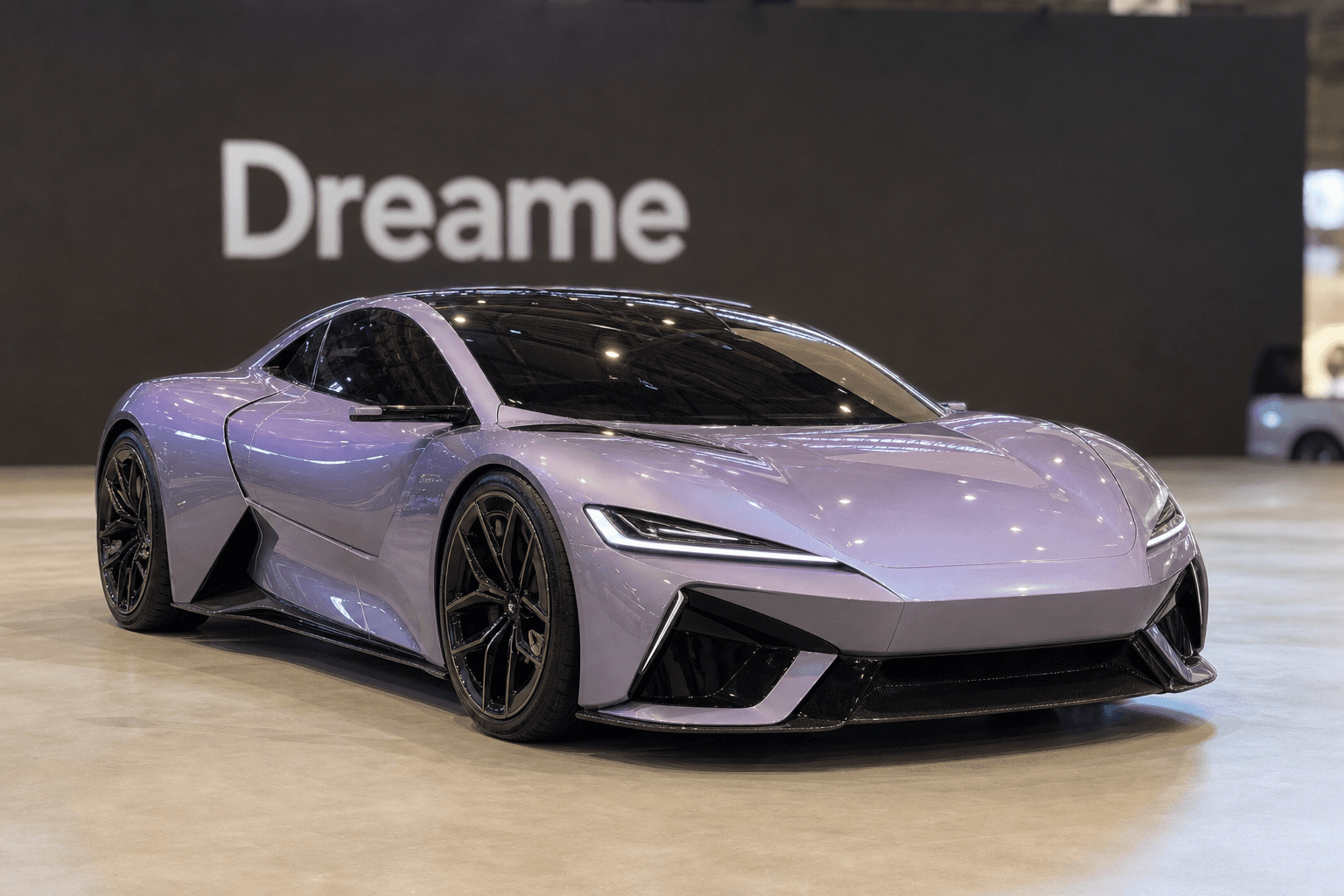
In early 2026, Dreame attracted attention with an electric supercar presented at CES. Another showcase followed in the US in April under the name “Nebula Next 01 Jet Edition”, which also became known as the “Rocket Car.” This vehicle epitomized the division’s extraordinarily ambitious goals.
At the height of its development activities, the automotive division reportedly employed almost 1,000 people. However, waves of layoffs are said to have begun in May, ultimately leaving only a few dozen employees. These remaining teams reportedly consist primarily of finance, legal, and HR staff handling the wind-down, outstanding liabilities, and the legal dissolution of the companies involved.
“Rocket Car”: Spectacular Figures, but Plenty of Showmanship
The “Rocket Car” was announced with a 0-to-100 km/h time of 0.9 seconds. Even for hypercars, that is an extraordinary claim, as it requires not only power but, above all, traction, tires, chassis design, and extremely stable control systems. In practice, figures like these often depend heavily on testing conditions and should rarely be understood as repeatable performance suitable for everyday use.
Dreame also aimed for superlatives with the battery: it announced a sulfide-based solid-state battery with an energy density of more than 450 Wh/kg and a range exceeding 550 km under CLTC. For context in the DACH region—Germany, Austria, and Switzerland—CLTC figures are typically much more optimistic than WLTP figures, so a realistic expectation would be noticeably lower.
The combination of extreme acceleration figures and a solid-state battery sounded more like a technology demonstration than a product headed for near-term mass production.
Why Projects Like This Often Fail—and What Tesla Did Differently
The case demonstrates quite clearly how different a stage presentation is from a production vehicle. A concept may impress, but a car must then be manufactured, delivered, serviced, and further developed reliably for years. There are also regulatory approvals, recalls, software maintenance, spare parts, and a service network to consider.
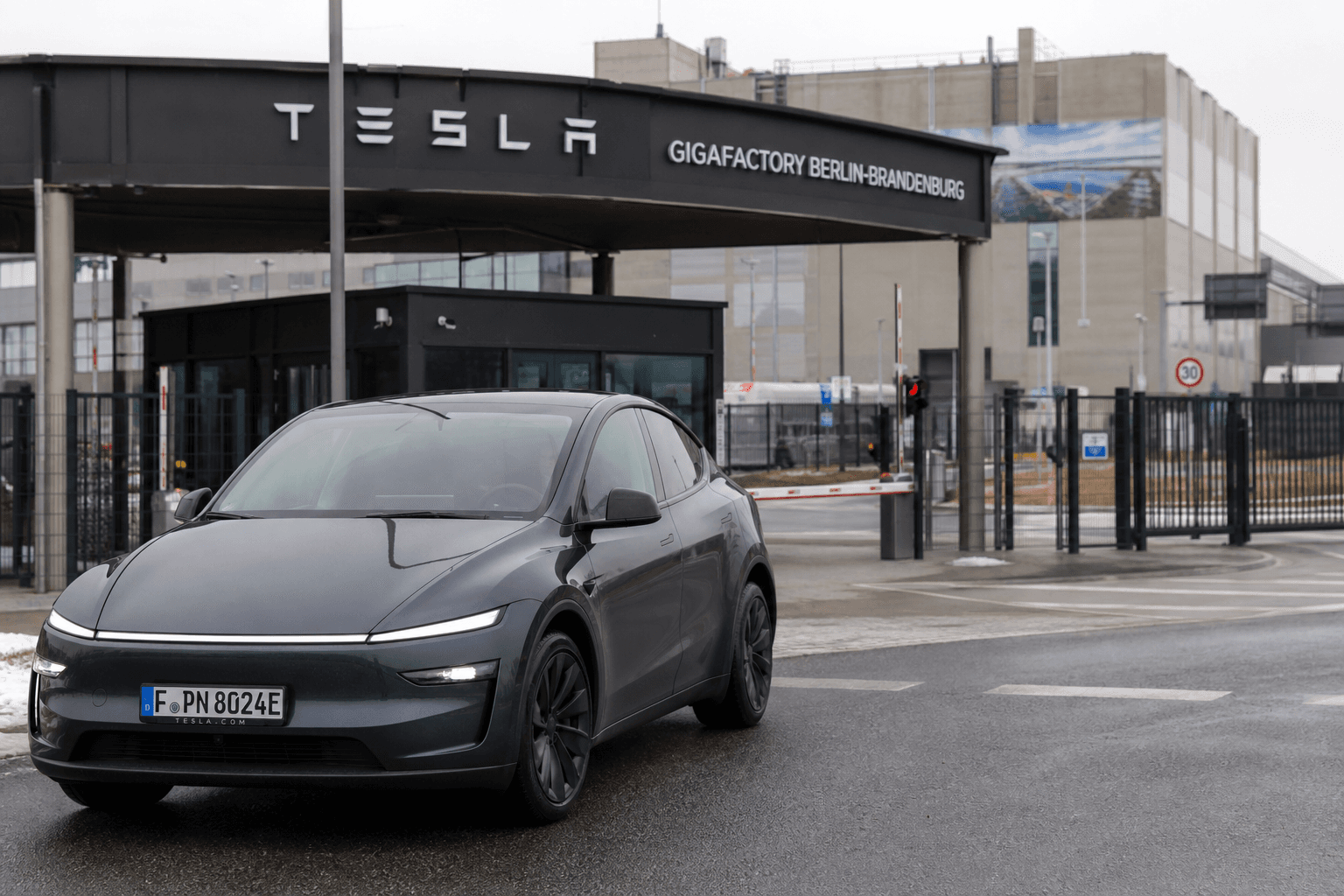
Although Tesla also had an unconventional start as a technology-driven manufacturer, it tackled the hard part early on: scalable production, its own software architecture, and a charging and service strategy suited to the product. Many new players fail to make the leap from “we can do this in theory” to “we can deliver this at scale.”
Dreame Refocuses on Its Core Businesses
According to the available information, CEO Yu Hao intends to refocus the company’s strategy on its core business. Dreame reportedly plans to concentrate on four areas going forward: vacuum cleaners, robotic lawn mowers, electric two-wheelers, and robotics. From the company’s perspective, this is plausible, as Dreame can make better use of its existing supply chains, margin models, and product cycles in these areas.
For Europe’s EV market, the story is significant primarily as a signal: presenting a spectacular concept in China does not automatically make a company a manufacturer capable of meeting approval, quality, and service requirements in the DACH region.