Skoda Peaq achieves 9.2 kWh per 100 km: what is behind the 936 km figure
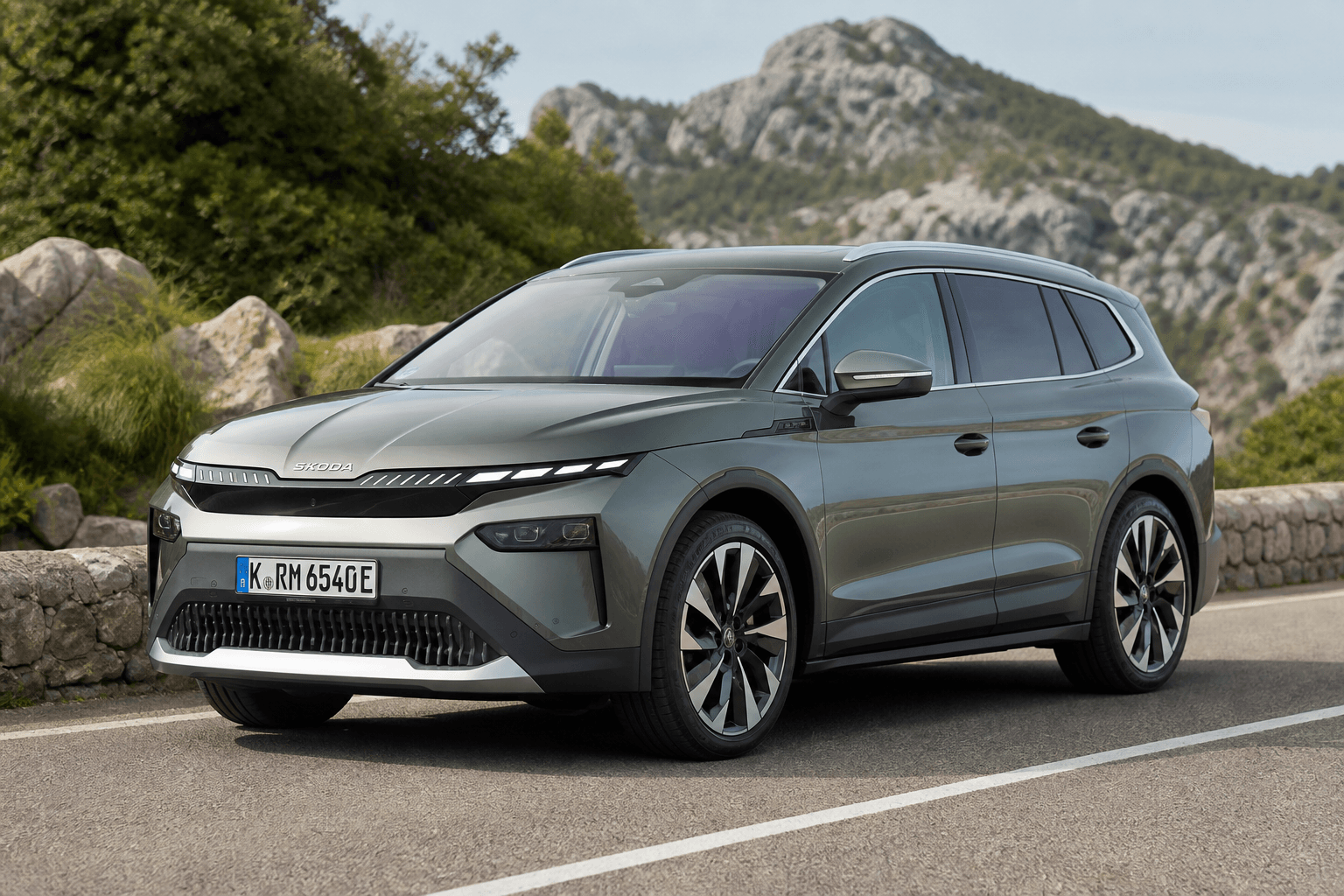
Skoda is launching two new electric cars this year: the small Epiq and the Peaq, the brand’s largest electric model to date. More interesting than the size record itself is a figure that will catch the attention of efficiency-minded EV fans: In an internal extreme test, the Peaq reportedly achieved 9.2 kWh per 100 km.
That level of consumption resulted in a range of 936 km on a single battery charge. This is significantly more than the advertised WLTP range of over 600 km for the Peaq 90 with the large battery. It sounds like magic, but it is mainly physics combined with a great deal of discipline.
Why the record has little to do with everyday driving
The drive was designed as an efficiency challenge and took place under conditions that would be difficult to replicate in real life. Over more than 20 hours, the average speed was just 40 km/h. That is a crucial factor because aerodynamic drag rises sharply with speed, and energy consumption increases with it.
The car was also driven extremely smoothly, with little hard braking or rapid acceleration. This makes a major difference in a large, heavy vehicle because every unnecessary change in speed consumes energy.
Using regenerative braking effectively, not at maximum strength
It is also interesting that regenerative braking was not simply set to maximum deceleration. Excessively strong regeneration can even be counterproductive in this kind of scenario because it slows the car unnecessarily, after which more energy is needed to regain speed. The best approach is often to anticipate the road ahead and let the car coast, using gentle regeneration only when it genuinely makes sense. Smoother progress → fewer conversion losses.
Comfort systems off, ideal weather
To reduce consumption this far, nonessential comfort systems were apparently largely avoided, including infotainment and presumably intensive climate-control use. Favorable conditions, such as suitable outside temperatures and dry roads, also helped. In winter with the heating on, or at the height of summer with heavy air-conditioning use, such a figure would be virtually impossible to achieve.
What you can still learn from the test
Even though this is an extreme result, the test shows that efficiency is not solely a matter of having the latest platform. Even if the Peaq does not use the very newest technological underpinnings, a large EV can still be driven very efficiently when speed, topography and driving style are favorable.
For everyday driving, this does not mean you will suddenly manage 900 km. But you can noticeably reduce consumption by spending less time on highways, driving smoothly and using climate control intelligently. If this is a broader concern for you, our guide to EV range anxiety also helps put the typical real-world factors into perspective.
Cost calculation: Low costs are possible, but only under certain assumptions
A very low cost figure was also quoted for this extreme scenario: 2.76 euros per 100 km when charging with household electricity. This is not a universal figure, but depends directly on the electricity tariff, charging losses and actual consumption. Anyone interested in the factors that make a real difference can find practical tips in our article on EV charging losses.
Context: WLTP, record drives and the realistic middle ground
WLTP is a standardized benchmark, while record drives represent the other extreme. Everyday driving lies somewhere in between, with weather, traffic, highway speeds and comfort systems all playing a role. The Peaq test is therefore primarily a statement: The efficiency potential is there, and drivers who adjust their behavior can influence range and costs more than many people realize.
If you are generally interested in efficient EVs and the best range figures, our 2026 range ranking shows which models lead the official WLTP comparison.