Electric cars win all five main categories
The final for the German Car of the Year 2027 title will be an all-electric affair. An independent jury of 47 German and international automotive journalists selected an EV as the winner in each of the five main categories.
Eligible models were those newly launched within the past 12 months. The German Car of the Year designation refers to the award being decided in Germany, not to the vehicles’ country of origin. Accordingly, the finalists represent an international field of brands from Germany, South Korea, China, and the United States.
From affordable small cars to performance models, every main category is represented by an electric vehicle.
These five electric cars are in the final
| Category | Price range | Winner |
|---|---|---|
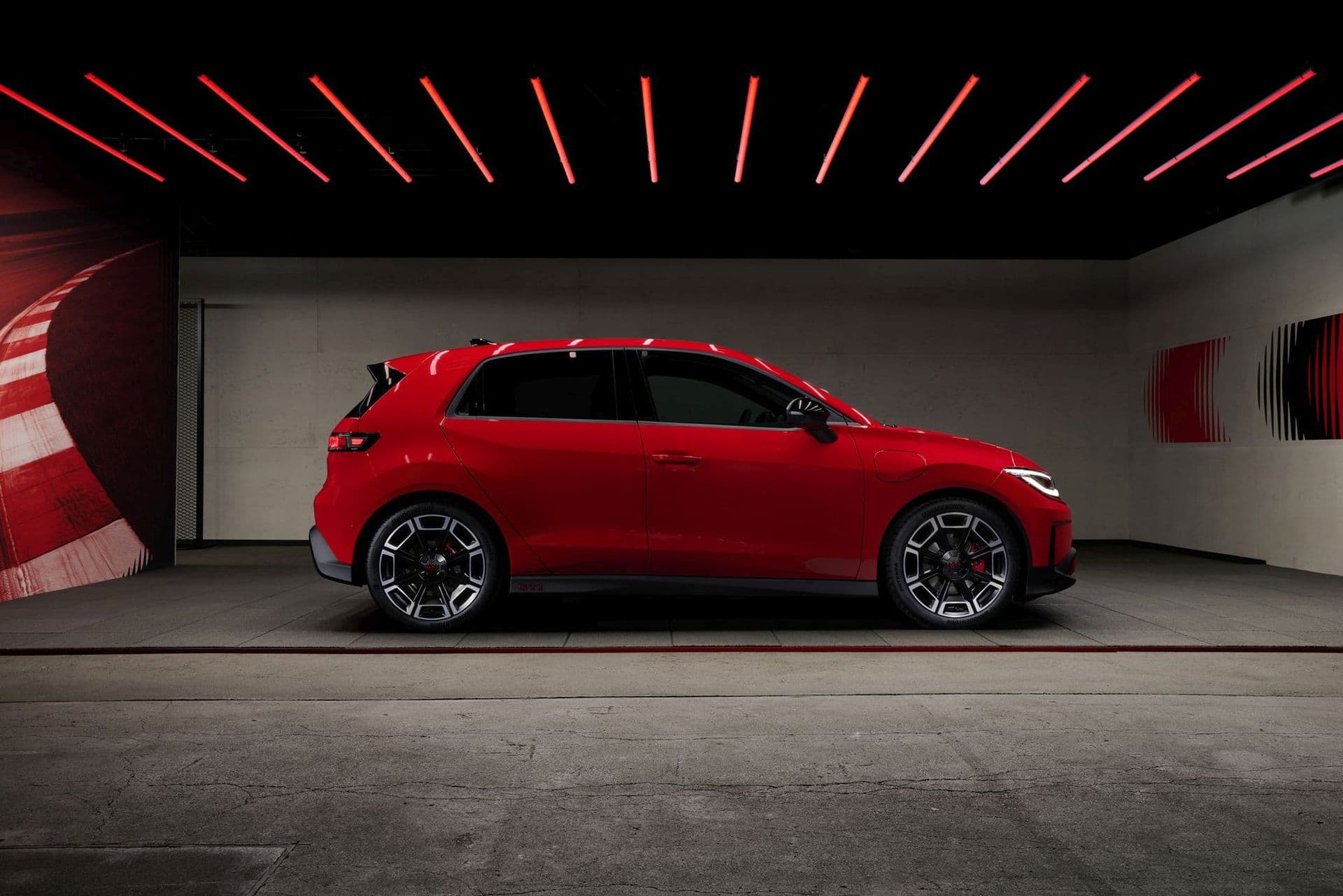
| Budget | Under €25,000 | VW ID. Polo |
| Compact | €25,000 to €40,000 | Kia PV5 |
| Premium | €40,000 to €70,000 | Mercedes GLC with EQ Technology |
| Luxury | Over €70,000 | Xpeng X9 |
| Performance | No fixed price limit | Hyundai Ioniq 6 N |
The breadth of the field is particularly noteworthy. The ID. Polo represents electric small cars in the final, while the Kia PV5 offers a flexible, spacious vehicle concept. Mercedes and Xpeng cover the more upscale segments, while the Hyundai Ioniq 6 N has an uncompromising focus on electric performance.
The selection demonstrates just how diverse electric powertrains have become. EVs are no longer limited to efficient sedans or heavy SUVs. Different platforms and vehicle concepts now compete directly with one another in almost every price bracket.
Special awards for BMW, Geely, Renault, and Skoda
In addition to the category wins, the jury presented awards for individual strengths. The BMW iX3 impressed with its interior design and infotainment. The jury named the Geely E2 the best value for money.
The electric Renault Twingo came out on top for exterior design. The Skoda Peaq was named Family Car of the Year. Skoda CEO Klaus Zellmer also received the Automotive Personality of the Year 2027 award.
The Porsche 911 Turbo S is an exception in an otherwise heavily electric field of winners. The jury named its powertrain the best in the competition. This means conventional internal combustion technology is still represented, albeit in only one of the special awards.
The overall winner will be selected on November 2
Winning a category does not automatically secure the overall title. The jury will compare the five finalists again during a two-day test event and then select the German Car of the Year 2027. The result is due to be announced on November 2, 2026.
The final round alone sends a strong signal to the electric car market. Rather than recognizing only a few particularly efficient models, EVs won across every price and performance category. Although a jury vote is no substitute for a sales ranking, it nevertheless highlights the technical and conceptual maturity of today’s electric vehicles.