More than half of BYD’s revenue now comes from abroad
BYD reached a remarkable milestone in the first half of 2026: 53% of its revenue was generated outside China. For the first time, the majority of its revenue came not from its home market, but from international sales.
Specifically, BYD reported international revenue of 181.3 billion yuan for the first six months, up 34% year over year. By contrast, revenue in China fell by 31% year over year.
International sales surge as core-brand registrations weaken in China
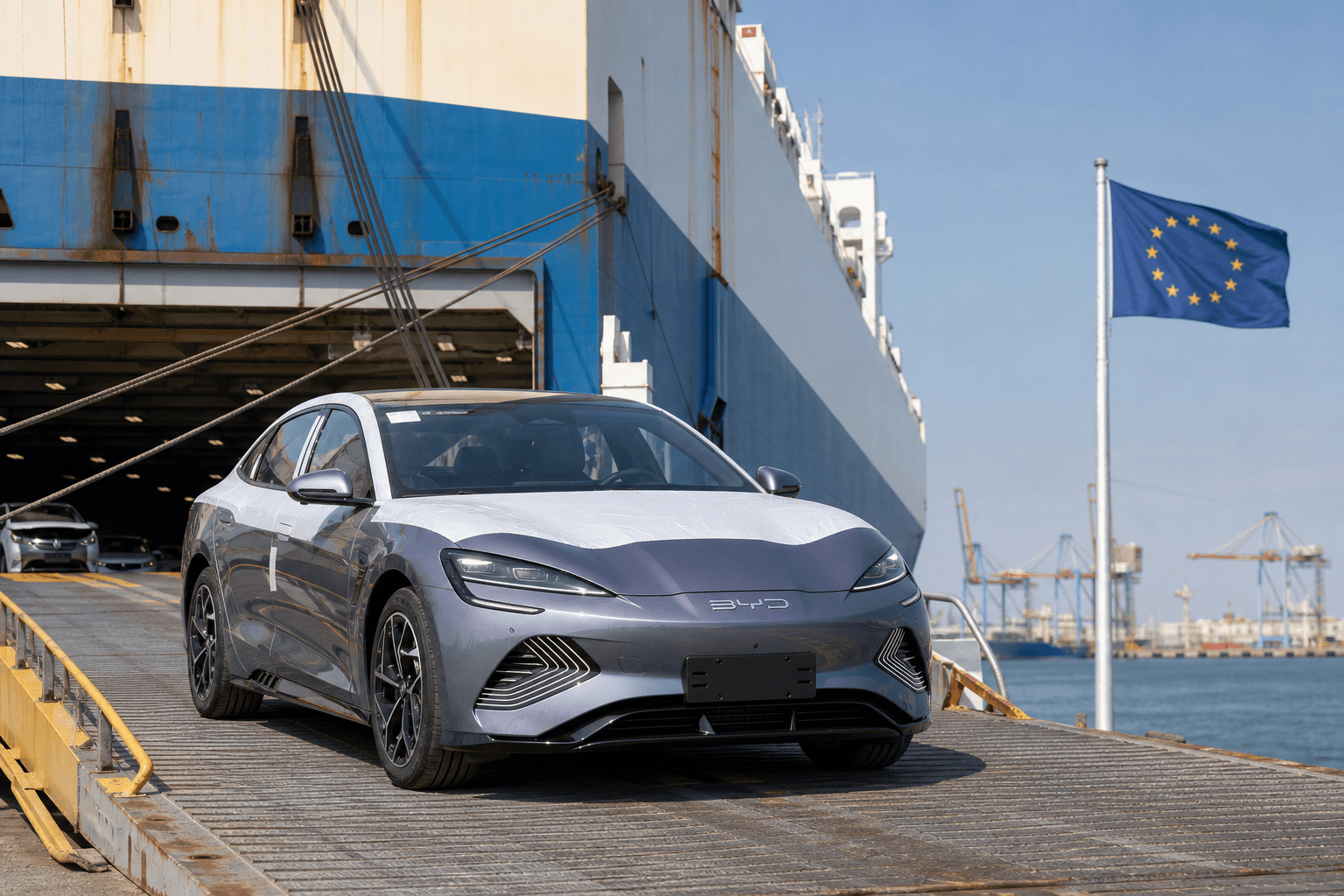
The same trend is evident in unit sales. BYD sold 792,256 vehicles outside China in the first half of the year, an increase of 70.6% over the previous year. The pace accelerated further in August, when BYD reported a new record of 190,000 vehicles sold abroad, equivalent to a 134% increase year over year.
In the Chinese market, the core brand has been hit particularly hard: Registrations of BYD-brand vehicles totaled 795,169 in the first half, around 46% fewer than in the same period of the previous year. Other group brands did grow, including Fang Cheng Bao, with 131,000 registrations and strong growth, but this was not enough to fully offset the decline of the main brand.
An important point for context: The international figures refer to the entire BYD Group, including brands and product lines such as Denza, Fang Cheng Bao and Yangwang.
Why BYD’s international business now matters twice over
The Chinese market remains highly price-driven. This is precisely where the international business serves a second purpose: It stabilizes profitability. BYD attributes the increase in its gross margin during the first half primarily to the growing share of international business.
The group-wide gross margin rose from 18.01% to 18.85%. According to BYD, the gross margin in its international business was 22%, an increase of 1.9 percentage points over the previous year. Put simply: A larger international share → a better margin, even when the home market is under pressure.
Bottom line: Revenue and profit still decline
Despite the strong international momentum, the overall result for the first half remained negative. Group revenue fell by 7.1% to 344.8 billion yuan. Net profit attributable to shareholders declined by 20.5% to 12.3 billion yuan.
This shows that while the international boom is an important lever, it is not yet fully offsetting the pressure in China. Nevertheless, this is relevant for observers in Europe because it gives BYD even more incentive to systematically expand in growth markets outside China.
PHEVs weaken as BEVs regain momentum
Part of the weakness in the home market is evident in plug-in hybrids. BYD sold 2,288,709 PHEVs worldwide in 2025, 7.9% fewer than in 2024. From January through August 2026, PHEV sales fell further to 1,265,017, a decline of 11.2% year over year.
At the same time, there are signs of a recovery in the second half: In July and August combined, BYD sold 844,456 vehicles worldwide, an increase of 18.5% year over year. The main drivers were all-electric vehicles: BEV sales were 29.6% higher than a year earlier, while PHEV sales rose 6%.
This is particularly noteworthy for the DACH market—Germany, Austria and Switzerland—because BYD is strongly associated with BEVs in Europe, while its sales mix in China has traditionally relied more heavily on PHEVs as well.
China under pressure overall as exports grow sharply
BYD’s performance is not occurring in a vacuum. China’s passenger-car retail sales fell by 21.1% year over year in July, marking the tenth consecutive monthly decline, according to industry figures. At the same time, passenger-car exports from China rose significantly, by 88.2%.
For manufacturers such as BYD, this represents a clear shift: The home market remains fiercely competitive, while export markets are becoming the engine of growth. This also affects European brands that have traditionally been strong in China and must now adapt to changing market dynamics.
European expansion, including local production
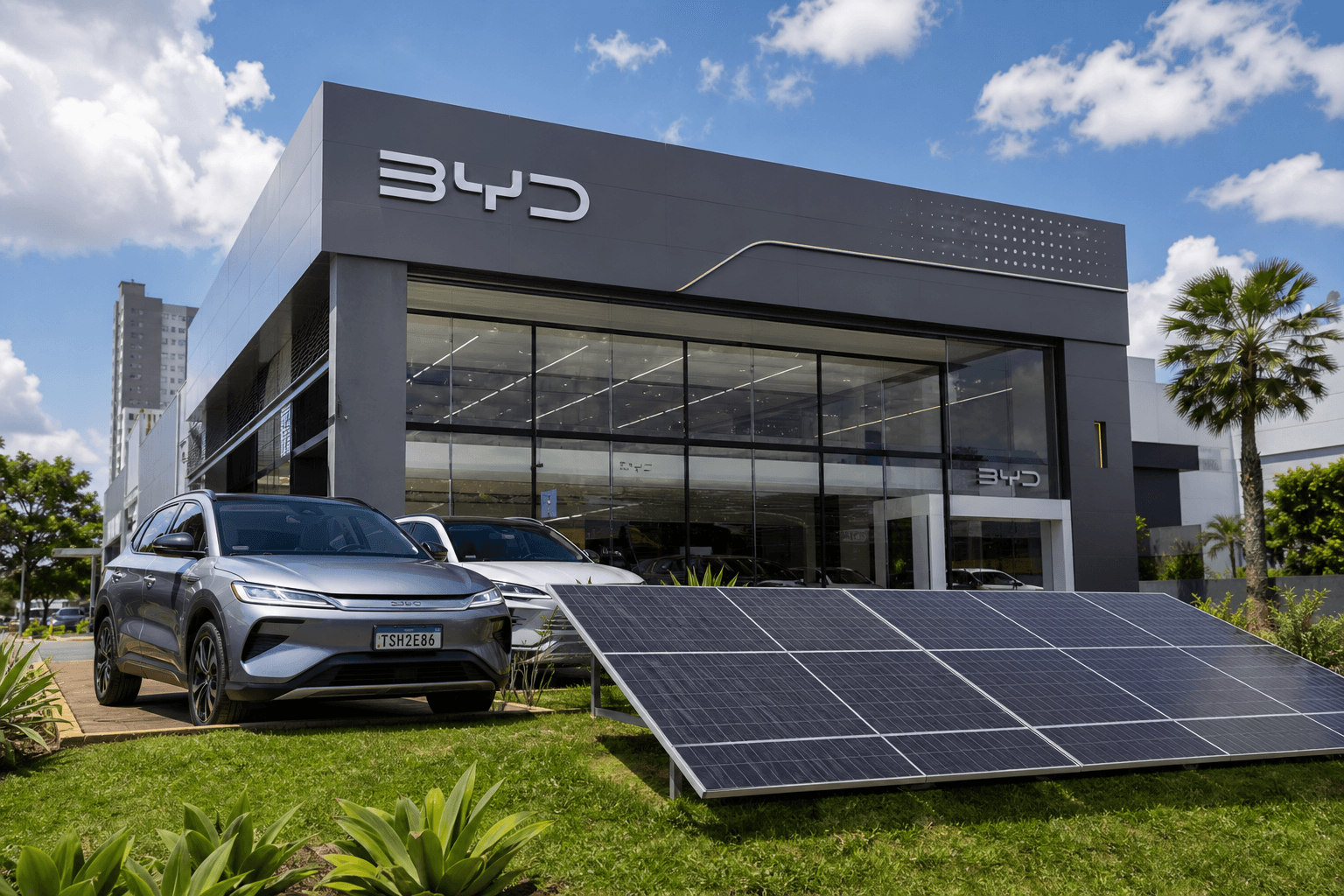
According to the company, BYD is expanding its international presence in Europe, Southeast Asia and Latin America. Brazil is now BYD’s largest market outside China, while local production capacity is also being established in markets including Brazil, Hungary and Turkey.
For Europe, local manufacturing could eventually have several effects: shorter supply chains, potentially more stable prices and improved planning for high-volume models. However, the extent to which this ultimately affects retail prices also depends on tariffs, the degree of localization and exchange rates.
Perspective for Germany, Austria and Switzerland
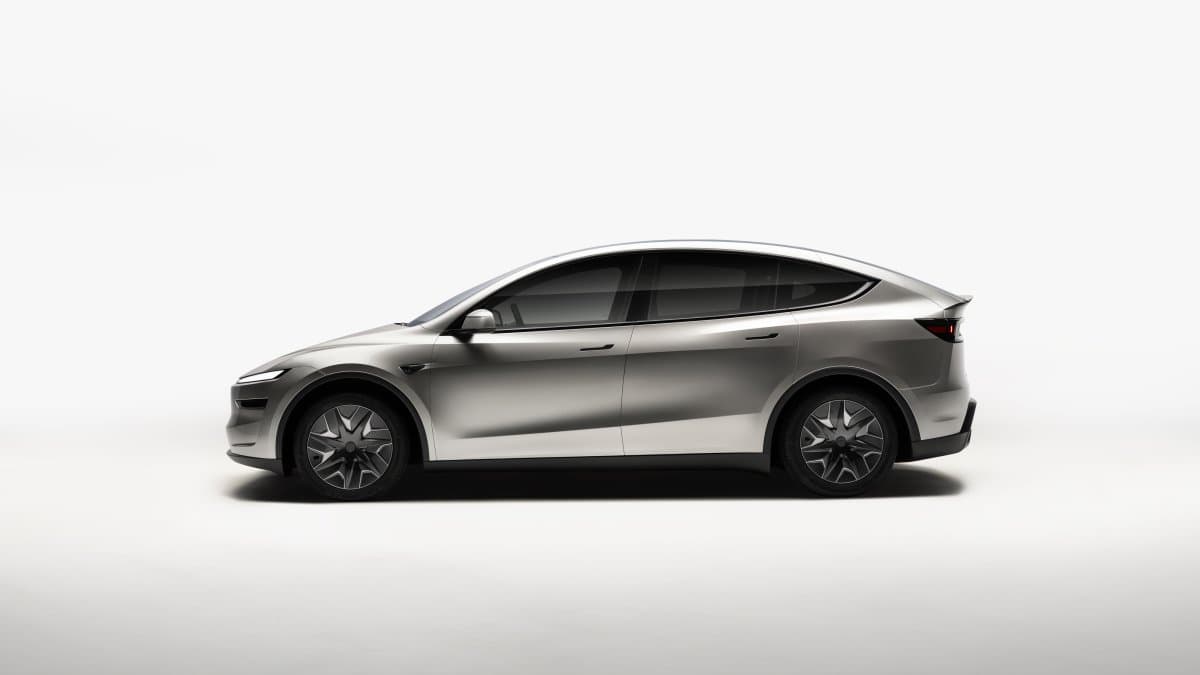
Competition in the DACH region will intensify over the coming years because BYD needs to expand its international business, and Europe is a core market for that strategy. At the same time, despite changing market conditions, Tesla remains the benchmark for many buyers in efficiency, fast charging and software, keeping the pressure high on all challengers.
Those particularly interested in BYD’s current product and platform offensive will also find plenty of activity in fast charging and battery chemistry, including “Flash Charging” and LFP strategies. Related coverage: BYD is building a 1,500-kW charging network with 10,000 chargers, while among the new cell concepts, the BYD Seal 06 demonstrates nine-minute charging.
Key figures at a glance
| Metric | H1 2026 | Year-over-year change |
|---|---|---|
| Share of international revenue | 53% | increased |
| International revenue | 181.3 billion yuan | +34% |
| Group revenue | 344.8 billion yuan | -7.1% |
| Net profit (attributable) | 12.3 billion yuan | -20.5% |
| International sales (vehicles) | 792,256 | +70.6% |
| Overall gross margin | 18.85% | up from 18.01% |
| International gross margin | 22% | +1.9 percentage points |
Anyone following BYD’s European model range should keep an eye on this trend: Greater internationalization is not merely “nice to have,” but is becoming the foundation for BYD to support growth and margins at the same time. Which vehicles and price points will put the most pressure on the DACH market should become even clearer with the next launches and the ramp-up of local production.