Sustainability Starts Before the BMW i3’s First Drive
With the new BMW i3 based on the Neue Klasse, BMW is looking beyond electricity consumption during use. Raw materials, supply chains, production energy, transportation routes and eventual recycling are also to be included in its environmental assessment.
According to the manufacturer’s calculations, the supply chain’s projected CO₂e emissions are around 37% lower than at the initial stage of development. However, this is not a comparison with a direct predecessor or a competitor; it describes improvements made within BMW’s own development project.
How sustainable the new i3 actually is can only be assessed through a complete and independently verified life-cycle assessment.
BMW therefore intends to publish a product carbon footprint verified by TÜV, a German technical inspection organization, when series production begins. It is intended to provide greater transparency about greenhouse gas emissions across the entire life cycle.
Gen6 Battery Makes Greater Use of Recycled Raw Materials
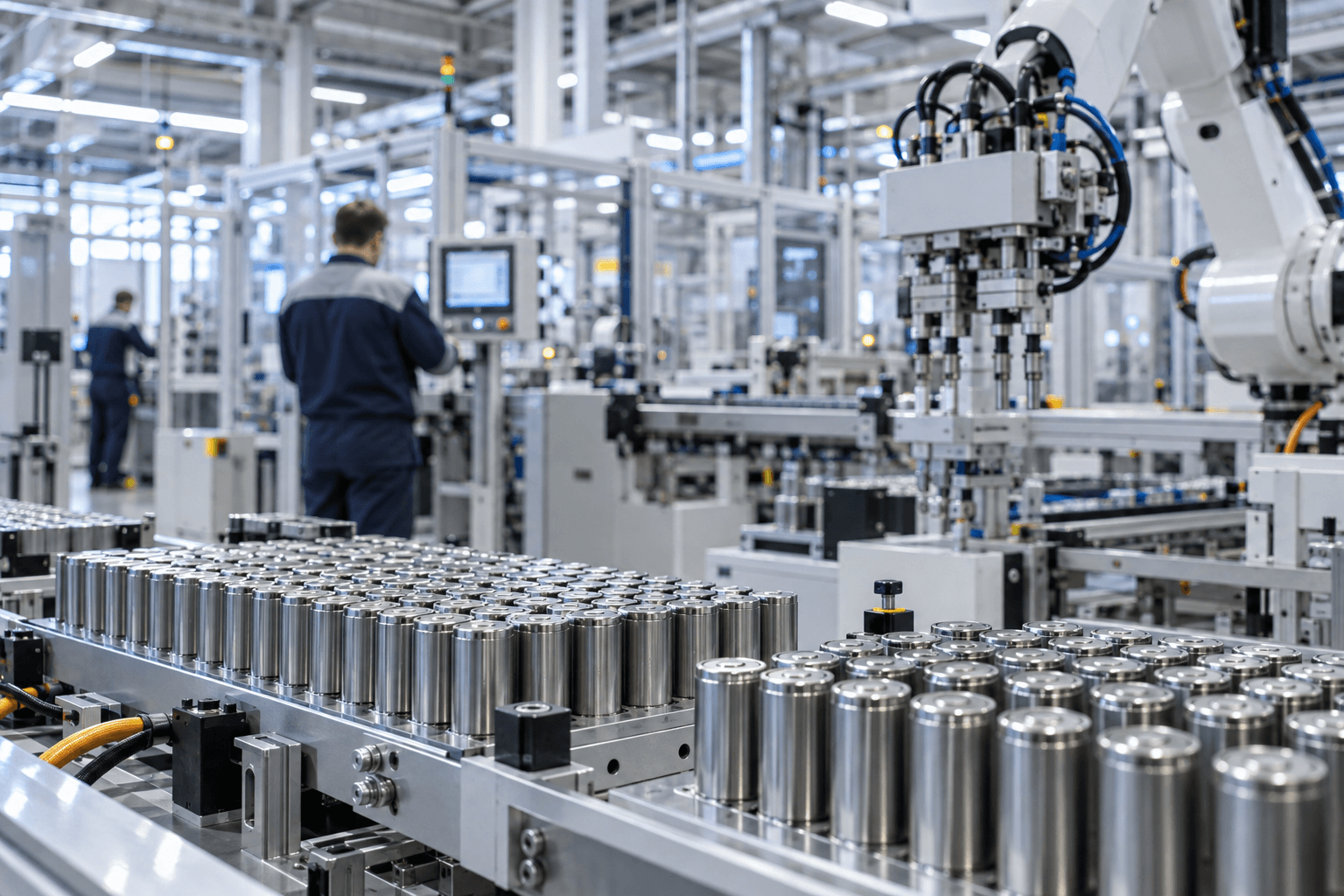
BMW’s sixth-generation battery plays a central role. The Gen6 cells use a proportion of recycled cobalt, lithium and nickel. Renewable energy is also to be used to manufacture the electrode materials and battery cells.
This is expected to reduce the CO₂e footprint per watt-hour by around 33% compared with Gen5 cells. Context is important: This figure relates to each unit of storage capacity and does not mean that the complete battery or the entire vehicle automatically produces one-third fewer emissions.
In the BMW i3 50 xDrive, a total of around 31% of the vehicle is expected to consist of recycled raw materials. Recycled material is used not only in trim but also in load-bearing components such as wheels, steering knuckles and wheel carriers. The hood is expected to be made from around 70% recycled aluminum.
Short Transportation Routes Within Bavaria
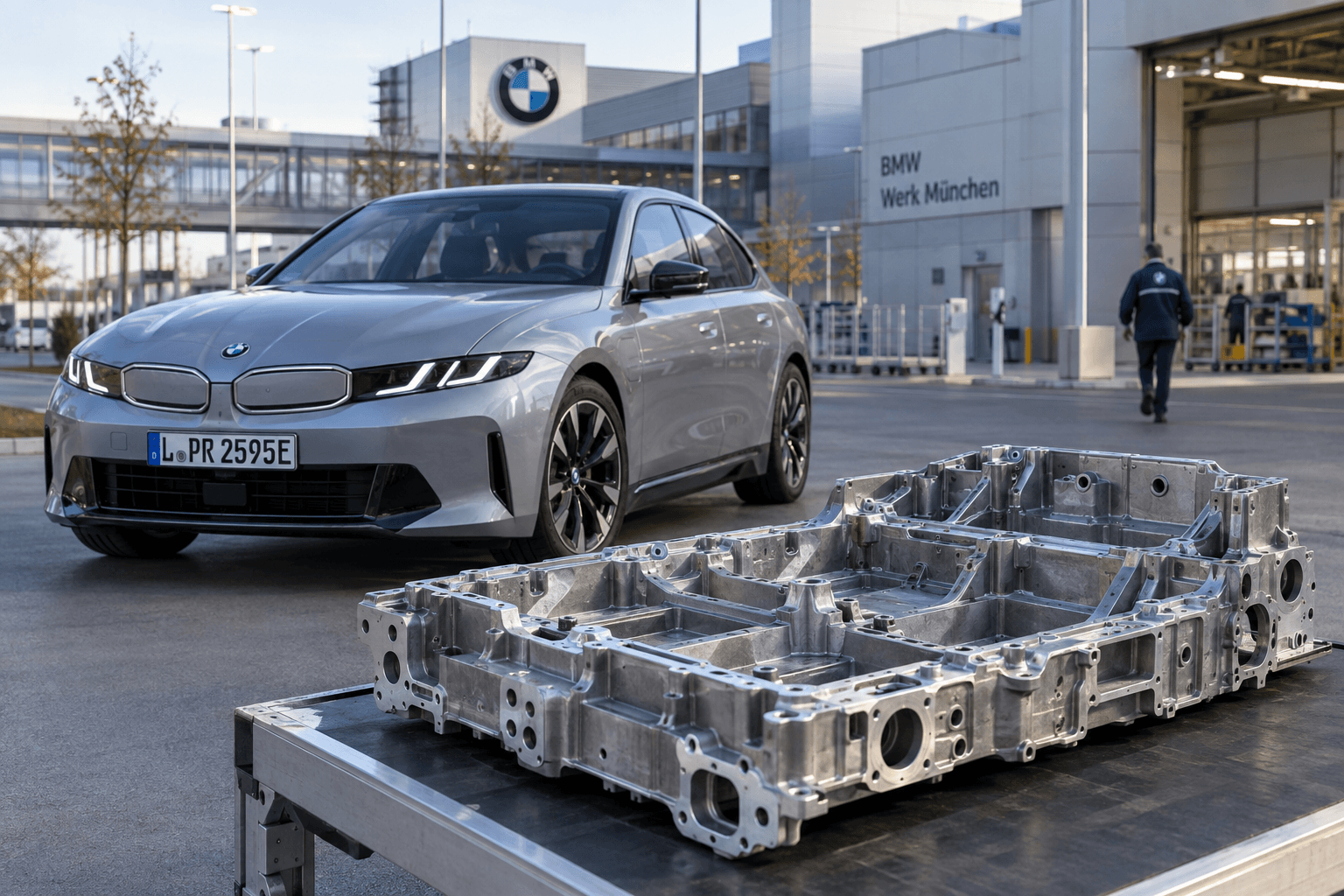
BMW is consolidating key production stages within a network of Bavarian sites in Dingolfing, Landshut, Irlbach-Straßkirchen and Munich. Landshut produces components including the housing for the rear electric motor, while vehicle production is based in Munich.
The new plant in Irlbach-Straßkirchen is expected to supply the high-voltage batteries for the i3 starting in October 2026. The finished components will be transported to Munich by electric truck. Shorter routes can reduce transportation emissions and logistical effort, provided the supply chain remains regionally organized as planned.
The battery plant is intended to operate without fossil fuels under normal conditions. Its own photovoltaic system will cover part of its electricity needs, while the remaining electricity is expected to come entirely from renewable sources. According to BMW, no water is required to assemble the high-voltage batteries.
Material loops are also expected to become more circular at the Munich plant. Steel and aluminum offcuts from the press shop are collected separately by material type and then reused to manufacture new metal coils. At the same time, BMW is continuing to expand the production of Neue Klasse drive systems.
Heart of Joy and Silicon Carbide Reduce Losses
During use, aerodynamics, lightweight construction and tires optimized for low rolling resistance are intended to reduce energy demand. They are complemented by the central Heart of Joy control system, which is designed to coordinate the powertrain, brakes and regenerative braking particularly quickly.
BMW also uses silicon carbide semiconductors in the electric drive units. They are expected to reduce energy losses within the power electronics by up to 40%. This does not mean that the i3’s overall energy consumption will fall by 40%, as powertrain electronics, aerodynamic drag, tires, heating and driving style all affect efficiency.
Nevertheless, lower conversion losses can provide noticeable benefits in everyday use. More energy reaches the wheels, more electricity can flow back into the battery during deceleration, and the available range increases without relying solely on a larger battery.
The Verified Overall Assessment Remains Crucial
BMW is addressing several relevant areas simultaneously with the new i3. More recycled material, renewable energy, regional production routes and more efficient power electronics are meaningful measures because they look beyond emissions generated while driving.
However, key figures are still based on forecasts and manufacturer calculations. The announced, externally verified product carbon footprint will therefore be crucial. Only then will it be possible to reliably assess the actual scale of progress across production, use and recycling.